Choosing the best time to visit Minnesota depends on whether you are chasing warm lake days, vibrant autumn foliage, or an authentic snowy winter wonderland. For comfortable outdoor sightseeing, boating, and vibrant city life, June through August is prime time. For spectacular fall colors, crisp hiking weather, and smaller crowds, September and October offer an unbeatable window. Meanwhile, cold-weather adventurers will find peak snow and ice conditions in January and February, while budget-conscious travelers can take advantage of deep shoulder-season discounts in April, May, and November.
Quick Answer
The overall best time to visit Minnesota is from late June through September. Summer delivers long, sunny days ideal for exploring the 10,000+ lakes, Boundary Waters, and North Shore, while September brings crisp temperatures, minimal humidity, stunning fall foliage, and thinner post-Labor Day crowds.
Key Takeaways
- Peak Summer (June–August): Best for lake sports, outdoor dining, and festivals, but brings high lodging prices, peak crowds, and mosquitoes.
- Peak Fall Foliage (Mid-September–Mid-October): Outstanding weather for hiking and scenic drives with lower humidity and fewer tourists.
- Winter Sports Window (December–February): Top season for downhill and cross-country skiing, snowmobiling, and ice fishing, featuring classic events like the Saint Paul Winter Carnival.
- Low-Cost Shoulder Periods (April–May & November): Deepest discounts on accommodations, though weather is highly variable and mud or slush can limit outdoor trail access.
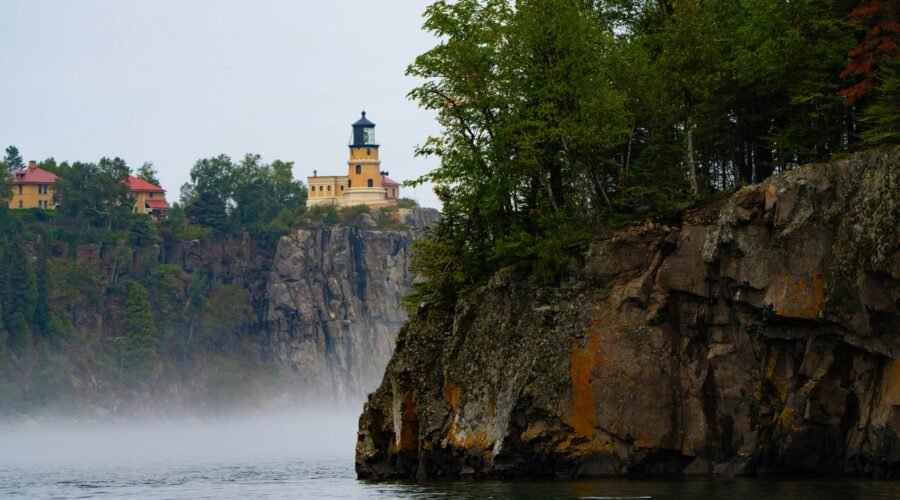
- Regional Climate Variations: Lake Superior keeps the North Shore significantly cooler in summer and milder in early winter compared to the rest of the state.
1. Summer: Lakes, Festivals, and Peak Sunshine (June–August)
Summer in Minnesota is an energetic season defined by long daylight hours, lively lake culture, and packed community event calendars. When the temperatures rise, locals and visitors alike head to the water, making this the most popular time of the year to explore the state.
June: The Gentle Start to Summer
June provides an exceptional balance for early-season travelers. The intense heat of mid-summer has not yet settled in, but sunshine and comfortable breezes make it ideal for active outdoor adventures across the state’s state parks and waterways.
- Weather: Expect average daytime highs in the low to mid-70s Fahrenheit (22–25°C) with overnight lows in the 50s (10–13°C). Rainfall is moderate, and relative humidity is significantly lower than in July.
- Crowds: Tourism picks up steadily once regional schools let out in early June. Popular lake hubs such as Brainerd, Alexandria, and Duluth see steady visitor streams, though trailheads remain manageable compared to July.
- Costs: Lodging rates and airfares begin their seasonal ascent. While not at absolute peak pricing, finding last-minute cabin rentals or prime campsites requires booking months in advance.
- What to Do: Paddle the Boundary Waters Canoe Area Wilderness, explore urban highlights like the Stone Arch Bridge and Chain of Lakes in Minneapolis, and enjoy early-season walleye and bass fishing.
Pro Tip: June is prime black fly and mosquito season in heavily wooded northern forests. Pack permethrin-treated clothing, reliable insect repellent (30%+ DEET or Picaridin), and a head net if you plan on backcountry portaging.
July: The Heart of Summer Heat
July is the warmest and most humid month in Minnesota. It represents peak lake season, with lakeside resorts, municipal beaches, and state recreation areas operating at full capacity.
- Weather: Daytime highs average in the upper 70s to mid-80s Fahrenheit (26–29°C), with frequent spikes into the 90s (32°C+) accompanied by high dew points. Nights stay warm in the mid-60s (18–20°C). Afternoon thunderstorms can develop quickly.
- Crowds: This is the busiest month statewide. Expect high foot traffic at major attractions, bustling state parks along Lake Superior, and busy boat launches.
- Costs: Accommodation and flight rates reach their yearly peak. Vacation home rentals and lakeside resorts often require seven-night minimum bookings during July.
- What to Do: Water skiing, wakeboarding, tubing, pontoon cruising, and swimming are at their best. Escaping the inland heat by traveling along the scenic North Shore of Lake Superior provides natural air conditioning.
August: Lingering Warmth and Harvest Beginnings
August retains summer’s heat while offering slightly drier air toward the end of the month. As daylight hours begin to shorten, the landscape transitions toward late-summer harvest and festival celebrations.
- Weather: Highs remain in the upper 70s to low 80s Fahrenheit (25–28°C), with humidity tapering off slightly by late August. Evening temperatures start to cool noticeably, particularly in northern counties.
- Crowds: High tourist volumes continue through mid-August before leveling off slightly as school sports and preparations begin. The final week of August sees massive visitor surges in the Twin Cities for the start of the State Fair.
- Costs: Premium summer rates persist across all hospitality sectors through Labor Day weekend.
- What to Do: Pick fresh wild blueberries and raspberries across northeastern forests, attend county fairs, and experience the iconic Minnesota State Fair, which runs for twelve straight days leading up to Labor Day.
2. Fall: Crisp Air, Harvests, and Vibrant Foliage (September–October)
Autumn brings refreshing air, clear skies, and a dramatic transformation of the state’s hardwood forests into vibrant shades of crimson, gold, and orange.
September: The Golden Transition
September is widely considered by experienced travelers to be the single best month to visit Minnesota. Summer humidity dissipates, insect activity drops sharply, and the state’s scenic byways turn golden.
- Weather: Highs comfortably range between 65°F and 72°F (18–22°C), with crisp, cool evenings dipping into the 40s and 50s (7–13°C). Rainfall is typically low, providing clear skies for outdoor pursuits.
- Crowds: Crowd levels drop substantially immediately following Labor Day. State parks and scenic drives see moderate weekend traffic from regional leaf-peepers, but weekday travel offers exceptional peace and quiet.
- Costs: Flight and hotel prices decline from summer highs. Late-season vacation rentals and cabins become much more accessible and reasonably priced.
- What to Do: Hike the Superior Hiking Trail, explore the historic apple orchards of the St. Croix and Mississippi River valleys, and take advantage of active fall fishing as muskies and walleyes feed heavily before winter.
Note: Fall foliage peaks earlier in northern Minnesota (mid-to-late September along the Gunflint Trail and Iron Range) and reaches central areas and the Twin Cities metro around late September through the second week of October.
October: Peak Color and the First Frost
October delivers peak autumn color across central and southern Minnesota during its first two weeks, followed by a rapid transition into late-fall chill by month’s end.
- Weather: Early October brings pleasant daytime highs in the upper 50s to low 60s Fahrenheit (14–17°C). By late October, highs settle into the 40s (4–9°C), with overnight hard freezes and occasional early snow squalls in the north.
- Crowds: Minimal outside of early-October weekend foliage drives. Popular stops like Lutsen, Taylors Falls, and Stillwater see daytime visitors, but overnight lodging is easy to secure.
- Costs: Excellent travel value with shoulder-season discounts across standard hotels, lodges, and bed-and-breakfasts.
- What to Do: Scenic drives along Highway 61 (North Shore Scenic Drive), exploring cider mills, touring Minneapolis and Saint Paul art museums, and enjoying cozy fireside dining in historic river towns.
3. Winter: Snow Sports, Ice Fishing, and Deep Freezes (November–February)

Winter transforms the state into a snow-covered playground. While sub-zero temperatures require thorough preparation, Minnesotans fully embrace the cold with world-class winter trails, ice sports, and vibrant cultural festivals.
November: The Quiet Transition to Winter
November is a quiet, late-autumn transition period. Deciduous trees stand bare, frosty mornings become daily occurrences, and lakes begin their initial freeze from the edges inward.
- Weather: Average daytime highs hover in the 30s to low 40s Fahrenheit (0–6°C), while overnight lows drop into the teens and 20s (-7 to -2°C). Light snowfall is common, though persistent snowpack rarely establishes until late in the month.
- Crowds: Tourist numbers reach an annual low, with the exception of Thanksgiving travel week. Trails and municipal sights are largely empty.
- Costs: November offers some of the lowest hotel room rates and flight prices of the year.
- What to Do: Kick off holiday shopping at the Mall of America, visit renowned cultural venues like the Minneapolis Institute of Art and Guthrie Theater, and prepare for early indoor craft and holiday markets.
December: Holiday Lights and Early Snowpack
December brings consistent snow cover, festive town squares, and the opening of winter sports infrastructure across the state.
- Weather: Average highs range from 20°F to 28°F (-7 to -2°C), with nighttime temperatures frequently dropping into single digits. Stable snow accumulates throughout the state.
- Crowds: Tourist volume remains moderate throughout early December before spiking sharply around Christmas and New Year’s Eve, particularly near ski resorts and urban entertainment districts.
- Costs: Moderate rates early in the month, climbing to peak holiday premiums between December 23 and January 1.
- What to Do: Downhill skiing and snowboarding at Lutsen Mountains or Spirit Mountain, cross-country skiing on illuminated municipal trails, and visiting illuminated holiday light displays such as Bentleyville Tour of Lights in Duluth.
January & February: Peak Winter and Cold Extremes
January and February are Minnesota’s coldest months, but they offer the most reliable conditions for serious winter sports, deeply frozen lakes, and winter festivals.
- Weather: Highs average in the mid-teens to low 20s Fahrenheit (-9 to -5°C). Nighttime lows routinely drop below 0°F (-18°C), and arctic cold fronts can push wind chills into dangerous territory (-20°F to -40°F). Snowpack is deep and stable.
- Crowds: Generally low at standard urban destinations, but high around dedicated winter hubs during major sporting events and carnivals.
- Costs: Very affordable rates across hotels and flights, outside of specific festival weekends.
- What to Do: Rent a heated ice fishing sleeper house on Mille Lacs Lake or Lake of the Woods, snowmobile thousands of miles of groomed state trails, fat-tire bike on groomed singletrack, and attend the historic Saint Paul Winter Carnival in late January.
Warning: Sub-zero winter travel requires preparation. Keep a winter emergency kit in your vehicle (heavy blankets, shovel, booster cables, road flares, extra hats/gloves), monitor highway conditions via the Minnesota Department of Transportation (MnDOT 511), and dress in windproof, moisture-wicking layers.
4. Spring: The Great Thaw and Budding Greenery (March–May)

Spring is a dynamic season of rapid transition as ice retreats from lakes, rivers rush with snowmelt, and the northern landscapes regain their green canopy.
March: The Lingering Chill and Mud Season
March straddles the boundary between winter and early spring. While urban snow begins melting, northern lakes remain frozen, and sudden late-season snowstorms remain common.
- Weather: Highly variable. Highs range from the mid-30s Fahrenheit (1–3°C) early in the month to the upper 40s (8–9°C) by late March. Melting snow creates significant mud and slush on unpaved trails.
- Crowds: Low across all tourism sectors, offering open availability at attractions and restaurants.
- Costs: Deep low-season pricing on flights, car rentals, and hotel bookings.
- What to Do: Enjoy end-of-season maple syrup harvesting festivals at nature centers, explore indoor botanical conservatories like the Marjorie McNeely Conservatory in Saint Paul, and tour local craft breweries.
April: The Gradual Thaw and Rushing Waterfalls
April marks the official arrival of spring. Lake ice clears across central and southern Minnesota by mid-month, and melting snowpack fuels spectacular waterfall viewing along the North Shore.
- Weather: Temperatures fluctuate between 45°F and 62°F (7–17°C). Spring rain showers are frequent, helping wash away lingering roadside snow and encouraging early vegetative growth.
- Crowds: Light to moderate. State park trails are quiet, though weekends see increased day-trip activity if temperatures spike into the 60s.
- Costs: High-value travel pricing remains readily available before early-summer rate adjustments begin in May.
- What to Do: Witness powerful spring waterfall torrents at Gooseberry Falls, High Falls of the Pigeon River, and Minnehaha Falls; spot migrating waterfowl along the Mississippi Flyway; and enjoy uncrowded urban walking trails.
May: Blooms, Boating Prep, and Mild Sun
May brings consistent spring warmth, vibrant wild blooms, budding forests, and the official opening of the state’s storied open-water fishing season.
- Weather: Average highs settle into a comfortable 65°F to 72°F (18–22°C), with crisp nights remaining safely above freezing in most areas. Sunnier, pleasant days dominate the latter half of the month.
- Crowds: Moderate. Visitor numbers increase noticeably around Memorial Day weekend as private docks and seasonal resorts open for business.
- Costs: Rates begin transitioning from spring value pricing toward summer peak levels. Securing advance bookings for late-May holidays is recommended.
- What to Do: Celebrate Minnesota Fishing Opener weekend (mid-May), hike amidst blooming spring wildflowers in state parks, explore outdoor farmers markets, and bicycle along paved state trails before summer heat arrives.
5. Shoulder Seasons: The Value & Solitude Windows
Strategic travelers often favor Minnesota’s shoulder seasons: the Spring Shoulder (April to Mid-May) and the Fall Shoulder (Mid-September through October). These periods deliver a rewarding combination of moderate weather, low accommodation costs, and minimal congestion at prime natural attractions.
| Travel Season | Key Months | Typical Weather | Crowd Level | Price Range |
|---|---|---|---|---|
| Spring Shoulder | April – Mid-May | Cool to mild (45°F–68°F), spring thaws, occasional rain | Low to Moderate | Budget / Great Value |
| Peak Summer | June – August | Warm to hot (75°F–88°F), sunny, humid with storms | High / Peak | Premium / Highest |
| Fall Shoulder | Mid-Sept – October | Crisp, dry, and sunny (50°F–70°F), cool nights | Moderate (Foliage spots) | Moderate / Good Value |
| Winter Off-Peak | November – February | Cold to sub-zero (10°F–30°F), snowy, frozen lakes | Low (Spikes on holidays) | Lowest (Except ski resorts) |
6. Key Factors to Decide Your Travel Window
When finalizing your itinerary, consider these personal preferences and regional dynamics:
Your Tolerance for Cold and Extreme Weather
Minnesota experiences true four-season extremes. If you dislike temperatures below freezing, avoid travel between November and March. However, if you are properly geared for snow sports, winter offers an unforgettable northern experience without the humidity or insects of summer.
Travel Budget and Booking Windows
Those traveling on strict budgets should target late April, May, October, or mid-winter (outside the Christmas–New Year window). Travelers aiming for a July cabin getaway or a trip during the Minnesota State Fair should book accommodations at least four to six months in advance.
Regional Microclimates
Minnesota spans more than 400 miles from north to south. Keep in mind:
- The North Shore (Lake Superior): Runs 10–15°F cooler than the rest of the state in mid-summer, providing comfortable escapes from hot southern prairie temperatures.
- The Twin Cities Metro: Experiences an urban heat island effect, running warmer year-round with quick snow clearance.
- The Far North / BWCAW: Sees winter linger well into late April and experiences earliest autumn frost (often by early September).
Target Activities and Signature Events
Align your visit with specific seasonal highlights across the state calendar:
- Grandma’s Marathon (Duluth): Mid-June, drawing tens of thousands along scenic Highway 61.
- Minnesota State Fair (Falcon Heights): Late August through Labor Day, one of the largest state expositions in North America.
- Fall Colors on the North Shore: Mid-September to early October for world-class hardwood and boreal foliage.
- Saint Paul Winter Carnival: Late January to early February for ice carvings, parades, and winter festivities.
Frequently Asked Questions
What is the best time to visit Minnesota for favorable weather?
The best time for consistently pleasant weather is from June through September. June through August offers warm temperatures (75°F–85°F / 24°C–29°C) ideal for lake swimming, boating, and patio dining. September delivers slightly cooler, crisp days (65°F–72°F / 18°C–22°C) with low humidity, minimal rainfall, and virtually no insect pressure.
When is the peak tourist season in Minnesota?
Peak tourist season occurs during the summer months of late June, July, and August. During this window, lakeside resorts, state and national parks, and metropolitan attractions experience their highest visitor volumes, leading to premium lodging rates and requiring reservations well in advance.
What is the off-peak season in Minnesota for lower crowds and costs?
The main off-peak season runs through the late-fall and winter months from November through March (excluding the Christmas to New Year holiday stretch and major festival weekends). The early spring thaw in April is another low-cost window with minimal crowds, though trail conditions can be muddy.
What are the key factors to consider when planning a visit to Minnesota?
The primary considerations are cold tolerance, target outdoor activities, bug season awareness (mosquitoes peak in June/July), regional climate variations (the North Shore stays cooler than inland regions), and major event schedules such as the Minnesota State Fair in late August.
Are there any specific events or festivals worth planning a trip around?
Yes. Standout annual events include the Minnesota State Fair in late August through Labor Day (drawing over 2 million attendees), the Saint Paul Winter Carnival in late January, Grandma’s Marathon in Duluth during mid-June, and the Minneapolis–Saint Paul International Film Festival in April.
Sources
- Explore Minnesota Tourism — Official State Tourism Board travel guides, seasonal reports, and regional event schedules.
- Minnesota Department of Natural Resources (DNR) — State park information, seasonal ice-out timelines, and outdoor recreational guidelines.
- NOAA National Weather Service (Twin Cities / Chanhassen Office) — Historical climate data, monthly temperature averages, and regional precipitation records.
- Minnesota State Fair Official Site — Annual dates, event schedules, and visitor attendance records.