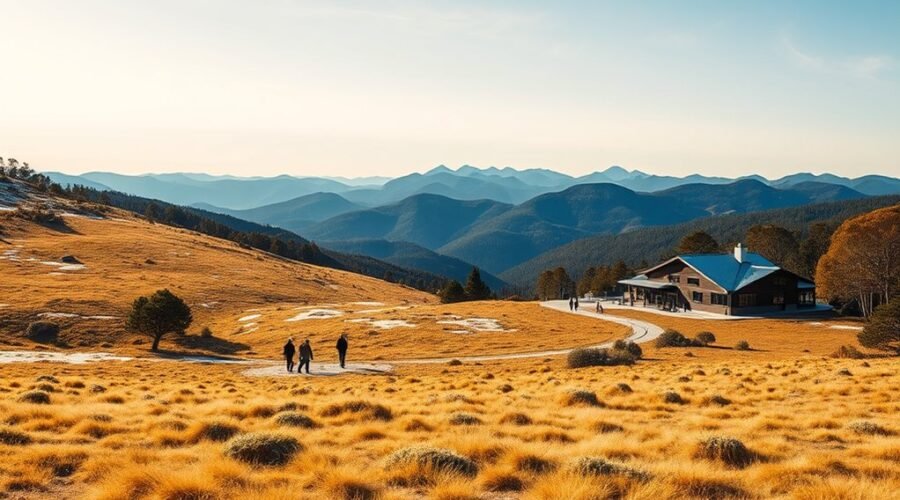
Mist hangs low over the ridge as you step onto a fern‑lined trail, cool air smelling faintly of damp earth and eucalyptus. You’ll want to pick your month for the kind of day you crave—quiet ridge walks and firm trails, big snowy runs, or wildflower meadows and festivals—because weather, crowds, and prices change a lot. Read on to match activities, budgets, and comfort with the best seasons to visit Mount Buller.
Key Takeaways
- Winter (June–August) offers best snow for skiing but highest crowds and prices, so book lifts and accommodation early.
- Autumn (March–May) balances mild weather, fewer crowds, and lower costs, ideal for hiking and biking.
- Summer (December–February) showcases wildflowers and festivals with warm days, high accommodation demand on event weekends.
- Spring (September–November) provides quieter trails, visible wildlife, and cheaper shoulder-season deals, with variable temperatures.
- Midweek visits and late‑season shoulder weeks consistently reduce lift queues, parking hassles, and lodging costs.
Quick Answer: Best Time to Visit Mount Buller by Activity and Budget

Looking for the easiest way to pick when to visit Mount Buller? You’ll want clear options tied to what frees you: solitude, budget, or full‑throttle adventure.
Looking for the easiest way to choose Mount Buller timings? Match your visit to solitude, savings, or full‑throttle adventure.
If you crave snow and night skiing, aim for midwinter weekends when runs are groomed and lights ignite the slopes — expect higher prices and lively après.
If you want savings and space, shoulder seasons deliver melted patches, cheaper stays, and quieter trails; you’ll trade deep powder for calmer lanes and clearer views.
For grassroots culture and liberation through community, seek local cultural events in autumn and spring when festivals, markets, and art pop up off‑peak, letting you connect without the rush.
Families and learners should pick early winter weekdays for kinder crowds and lesson availability.
If you’re chasing hiking and wildflowers, late spring gives long days and lower costs.
Decide by activity first, then match your budget: that’s how you liberate your trip without wasting time or money.
Choose the Best Month for You: A Short Decision Checklist
You’ve picked the activity and budget—now narrow your visit to a month that matches the vibe you want. Think in senses: morning light, crowd hum, weather you can handle.
If you crave solitude and warm trails, choose late spring or early autumn when wildflowers or golden gums frame quiet walks.
If you want lively nights, pick months with cultural options and late‑season festivals—you’ll find music, pop‑ups, and community markets that free your routine.
Check practical beats: accommodation availability, transport timetables, and daylight hours.
Match energy to logistics—short stays favor central lodging; longer escapes suit self‑catering.
Expect fewer services off‑peak, more choices peak‑season.
Ask yourself how much planning you want versus spontaneous discovery.
If liberation means unstructured days, go shoulder season; if it means joining a crowd pulse, pick a festival month.
Decide on comfort level with unpredictability, then book the month that lets you relax into the pace you dreamed of.
Winter (June–August): Snow Conditions, Crowds, and Skiing Tips
In winter you’ll want to know how deep and consistent the snow is so you can pick the best days for runs and lessons.
Expect the biggest crowds around school holidays and long weekends, so plan arrival times, lift reservations, and parking accordingly.
Pack the right skiing gear, check avalanche and trail safety updates, and make a quick equipment checklist before you hit the slopes.
Snow Depth & Quality
When conditions line up—cold snaps followed by steady snowfall—Mount Buller transforms into a reliable winter playground with packed, carve-friendly snow on groomed runs and softer layers off‑piste.
You’ll feel the mountain underfoot: firm corduroy after dedicated snow grooming, forgiving mid‑winter depths on main trails, and variable powder where wind and sun sculpt fresh drifts.
Check daily reports for base depth, surface temperature, and wind‑packed cornices so you know where to push limits and where to hold back.
Respect avalanche risk off marked zones; carry transceiver, probe, and shovel if you roam beyond patrol boundaries and travel with partners who know rescue protocols.
Aim for early mornings for pristine turns, and adjust plans when rain crust or spring melt changes the snow’s character.
Peak Crowd Periods
Because midwinter brings the deepest, most reliable snow, Mount Buller also draws its biggest crowds—weekends, school holidays, and long weekends fill the lifts, lodges, and village streets, so plan accordingly.
You’ll want to arrive early or stay midweek to claim space and move freely; the vibe is electric but congested.
Buy a locallift pass in advance to skip ticket lines and secure your window of freedom on popular runs.
Choose lodging on quieter lanes, stash snacks, and time your lift rides for first light or late afternoon when crowds thin.
Even amid bustle, you can find solace: step off beaten tracks for wildlife spotting, breathe cold air, and relish the uncluttered moments that make winter feel like liberation.
Skiing Gear & Safety
Crowds and timing matter, but once you’re on the slopes your focus shifts to gear and staying safe in variable alpine conditions. You’ll check bindings, edges, and wax with purpose—gear maintenance isn’t indulgent, it’s freedom to move without fear.
Layer smart: breathable base, insulating mid, shell for wind and wet.
Carry a lightweight pack with water, map, sunscreen and spare gloves; you’ll feel liberated when you’re prepared, not weighed down.
Respect avalanche safety: take a course, carry beacon, probe and shovel, and know how to use them.
Observe recent reports and avoid steep, wind-loaded slopes after storms.
Ski with a buddy, plan escape routes, and trust your judgment over bravado.
That practical vigilance keeps your days long and joyful.
Spring (September–November): Thaw, Quieter Trails, and Deals
As the snow melts and wildflowers push through the last drifts, spring on Mount Buller gives you quieter trails, softer light for photos, and the chance to explore without the winter crowds.
You’ll wake early for sunrise photography—golden ridgelines and mist lifting from valleys—and feel free to roam paths that were buried weeks before.
Trails are muddy in places, so bring grippy boots and gaiters; microspikes aren’t necessary unless a late patch clings to a shaded slope.
Pack layers for rapid temperature swings and a lightweight waterproof.
Layer up for fast-changing temps and tuck a lightweight waterproof into your pack for unexpected spring showers.
Expect to spot alpine wildlife emerging: skinks sunning, wallabies grazing, and birds reclaiming bluffs.
Accommodation and lift deals arrive as operators tempt shoulder-season visitors, so you can trade peak prices for solitude.
Enjoy longer daylight for ridge walks, but respect fragile vegetation and stick to marked routes.
Spring rewards your curiosity with renewal, clear views, and a quieter Mount Buller that invites bold, unhurried exploration.
Summer (December–February): Wildflowers, Festivals, and Family Activities
When summer arrives, Mount Buller bursts into color and activity: wildflower carpets unfurl across alpine meadows, day-long festivals fill the village with music and food stalls, and families set off on easy walks and bike rides suited to all ages. You’ll find freedom in open ridgelines, join wildflower festivals that celebrate local blooms, and spread a blanket for family picnics beneath blue skies. Trails are soft, signage clear, and bike parks cater to beginners and kids, so you can push limits or simply breathe. Practical tips: pack sun protection, reusable water, and a light wind layer; book accommodation early for festival weekends. Let go of schedules—pick a sunrise walk, taste local fare at village stalls, and let children lead short explorations. The vibe is communal, liberating, and vivid: you’ll return recharged, with simple memories of shared laughter and alpine scent.
| Sight | Sound | Feeling |
|---|---|---|
| Wildflower fields | Live music | Freedom |
| Families laughing | Market chatter | Joy |
| Open sky | Bells and birds | Calm |
Autumn (March–May): Mild Weather, Biking, and Hiking Conditions
In autumn you’ll enjoy mild daytime temperatures that make long walks and rides comfortable without the summer heat.
Trails firm up after summer so biking and hiking feel easier and more enjoyable, with good visibility and less mud.
You’ll also find fewer crowds and lower costs, which means more space on the track and better value for accommodation and rentals.
Mild Daytime Temperatures
Although the air cools compared with summer, daytime temperatures on Mount Buller through March to May stay pleasantly mild, hovering typically between about 8°C and 18°C so you can comfortably bike or hike without overheating or bundling up. You’ll feel freedom in light layers, savoring crisp mornings and sun-warmed afternoons that invite exploration and slower, mindful moments at ridge-top cafés. After a day outdoors you can seek local cuisine and intimate dining spots, trading trail grit for shared plates and bold flavors that celebrate the region.
| Time of day | Typical temp |
|---|---|
| Morning | 8–12°C |
| Midday | 12–18°C |
| Late afternoon | 10–16°C |
| Evening | 6–12°C |
Trails And Biking Conditions
Because the weather stays mild through March to May, trails on Mount Buller offer some of the best autumn riding and hiking you’ll find—firm singletrack, fallen-leaf carpeted fire roads, and clear summit approaches make navigation easy while providing excellent traction for mountain biking and stable footing for walkers.
You can push hard on flowy descents or stroll at your own pace, shedding city constraints with each switchback. Trail markers are visible, drainage keeps roots grippy, and cooler mornings mean fewer bugs and crisper air.
Pack layered clothing, a light repair kit, and daylight headlamps if you plan late rides—there’s a communal freedom to late-afternoon loops before you return for vibrant nightlife options or seasonal culinary festivals that reward effort with local flavor.
Fewer Crowds And Costs
After you’ve spent the day carving quiet singletrack or wandering leaf‑strewn fire roads, you’ll notice another big perk of autumn on Mount Buller: far fewer people and lower prices.
You’ll breathe easier without crowds queuing trailheads, and you can choose routes on a whim.
Accommodation and lift‑access rentals drop to budget pricing, so you can extend your stay or splurge on gear without guilt.
Cafés feel friendlier, service slower in the best way, letting you linger over maps and hot drinks.
Small local festivals pop up, celebrating food, music and mountain craft—perfect for connecting with community and feeling unburdened.
Plan midweek visits, book flexible deals, and carry less: freedom grows when costs and crowds fall away.
Mount Buller: Avoid Crowds and Save on Lifts, Lodging, and Travel
If you want to dodge the busiest weekends and keep costs down, aim for weekdays or the quieter shoulder weeks in late spring and early autumn; you’ll find shorter lift lines, cheaper accommodation, and easier travel logistics.
You’ll wake to a still mountain, grab your gear without rushing, and slide onto slopes with time to breathe.
Book at a local lodge during midweek to score reduced rates and friendlier service; smaller properties often bundle lift passes or offer late‑check deals so you can stretch your budget.
Travel midweek too — roads are calmer, parking’s simpler, and transfers run on relaxed schedules.
Pack light, plan flexible arrival times, and choose staggered lesson slots to avoid crowds at peak hours.
Let go of the peak‑season frenzy: solitary runs, unhurried meals, and a cheaper room let you reclaim skiing as freedom rather than a chore.
You’ll leave with more cash, clearer headspace, and a sense of deliberate escape.
Frequently Asked Questions
Are Dogs Allowed on Mount Buller Trails and Lifts?
No, dogs aren’t allowed on Mount Buller lifts, and most dog friendly trails are limited; you’ll need to check specific Lift pet policies and use nearby trails or kennels so you can roam free without restrictions.
What Public Transport Options Serve Mount Buller Year-Round?
You can catch year-round SkyBus and V/Line coaches to nearby Mirimbah or Mansfield, then use seasonal bus schedules or the village shuttle; shuttle parking options near trailheads free you to explore without car constraints.
Is There Reliable Mobile Phone and Internet Coverage on the Mountain?
Yes — you’ll usually get usable cell coverage on Mount Buller, though spots falter; keep a solid data plan, download offline maps, and embrace occasional disconnects as liberation from constant alerts while staying practically connected.
Where Can I Rent Specialised Gear (E-Bikes, Snowboards) On-Site?
Yes — you’ll find gear rental and an equipment shop in the village; they’ll outfit you with e-bikes, snowboards and protective gear, advise trail and slope choices, and help you ride freely with confident, practical support.
Are There Medical Facilities or Emergency Services at Mount Buller?
Absolutely — you’ll find on-mountain first aid stations and an emergency response team ready; they’ll treat injuries, coordinate evacuations, and liaise with ambulance or air services, so you’re supported and free to explore boldly.
Conclusion
Pick March–May and you’ll practically own Mount Buller: crisp days (8–18 °C), empty trails begging for long ridge walks, and bike rides that feel like flying. Layer up, grab a windbreaker and headlamp, and you’ll snag midweek rates that make luxury feel like thrift. Whether you crave calm hikes, smooth singletrack, or affordable stays, autumn turns the mountain into your personal, perfectly temperate playground—no crowds, no hassle, just pure alpine bliss.