

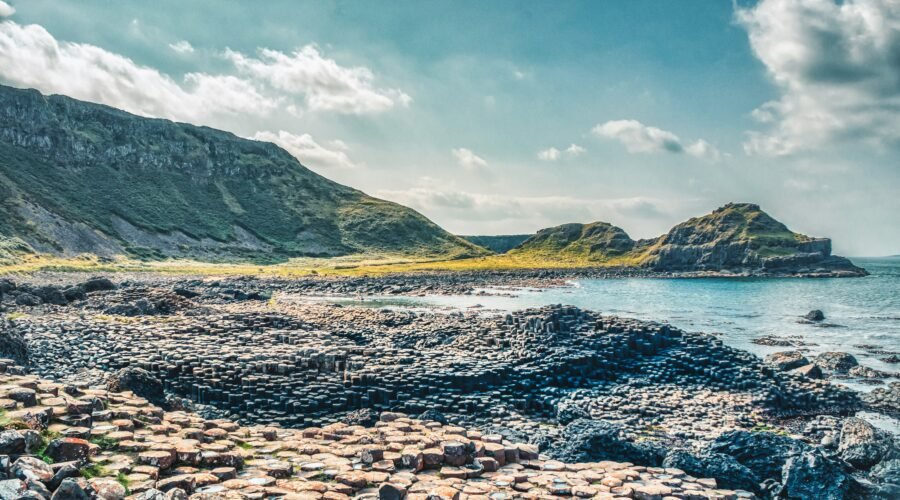
The best time to visit Northern Ireland is generally from May through September, when days are longer and temperatures are mild enough for coastal drives, hiking, city sightseeing, and outdoor attractions. For the best balance of comfortable weather, fewer crowds, and better value, May, June, and September are especially strong choices. Rain is possible in every season, so your ideal month depends on whether weather, price, events, or quiet sightseeing matters most.
Quick Answer
Northern Ireland’s official tourism site recommends April to October for the best weather. For most travelers, May, June, and September offer the strongest mix of mild conditions, useful daylight, open attractions, and manageable crowds. July and August are warmer and livelier but usually busier, while winter suits budget-focused city breaks and travelers who value quiet.
Last checked: October 5, 2026. Dates and figures were verified against official sources.
Key Takeaways
- Belfast Newforge climate normals show July as the warmest month, with an average daily high of about 19.7°C (67.5°F).
- Major events can create local crowd spikes even outside July and August, including the Balmoral Show in May and Derry Halloween in late October.
- Rain occurs throughout the year, so a waterproof outer layer is useful even during summer.
- Winter brings the shortest days and more limited hours at some attractions, but city museums, pubs, shopping, and festive events remain good options.
Northern Ireland Weather, Crowds, and Costs by Season
Tourism Northern Ireland describes April through October as the period with the best weather, although the country remains visitable year-round. The table below uses Met Office 1991–2020 climate normals for Belfast Newforge as a practical reference; coastal and upland areas can feel cooler, wetter, or windier.
| Season | Typical Belfast High / Low | Crowds | Costs | Best For |
|---|---|---|---|---|
| Spring April–May |
12.8–15.7°C / 4.7–7.0°C 55–60°F / 40–45°F |
Low to moderate | Moderate | Gardens, hiking, sightseeing with fewer visitors |
| Summer June–August |
18.2–19.7°C / 9.7–11.6°C 65–68°F / 49–53°F |
High | Highest overall demand | Long outdoor days, road trips, festivals |
| Autumn September–October |
13.8–17.3°C / 6.9–9.6°C 57–63°F / 44–49°F |
Moderate, then lower | Moderate | Scenery, festivals, shoulder-season value |
| Winter November–March |
About 8–11°C / 2–4°C 46–51°F / 36–39°F |
Lowest outside holidays | Often lower | Quiet city breaks, museums, festive travel |
Summer: Best for Long Days and Outdoor Adventures
Summer, from June through August, gives you Northern Ireland’s warmest average temperatures and longest usable days. It is the easiest season for fitting coastal scenery, walking, historic sites, and evening activities into one trip, but it also brings the strongest visitor demand.
What Is Summer Weather Like?
At Belfast Newforge, average daily highs are about 18.2°C (64.7°F) in June, 19.7°C (67.5°F) in July, and 19.4°C (66.9°F) in August. Average lows range from about 9.7°C to 11.6°C (49.5°F to 52.8°F).
That is comfortable rather than hot by most standards. Rain still occurs regularly, so do not treat July or August as guaranteed dry months. A light waterproof jacket and layers are more useful than planning around a supposedly dry season.
One of summer’s biggest advantages is daylight. Around midsummer, evening light lasts late enough to make long driving and sightseeing days practical, which is particularly useful on the Causeway Coastal Route.
How Crowded Is Northern Ireland in Summer?
Summer is peak visitor season at major attractions such as the Giant’s Causeway, Titanic Belfast, and Derry’s Walls. Popular coastal stops, towns, forest parks, and hiking areas also attract more day visitors.
Accommodation, rental cars, popular tours, and some restaurants can become more competitive. Booking ahead matters most when your itinerary depends on a particular hotel, tour, or weekend.
Large events can add another local surge. The Belfast Pride Festival ran from July 17–26, 2026, with its main parade on July 25. Events of that scale can increase demand in central Belfast even when other parts of Northern Ireland feel less busy.
Are Summer Trips More Expensive?
Summer usually carries the strongest demand for flights, accommodation, rental cars, and tours. That does not mean every July or August booking costs more, but travelers with fixed dates generally have less flexibility than in spring, autumn, or winter.
If your priority is long days and the widest choice of outdoor activities, the trade-off can be worthwhile. If value matters more, June or September may give you many of the same advantages with less pressure.
What Are the Best Summer Activities?
Summer suits hiking in the Mourne Mountains, driving the Causeway Coastal Route, cycling, golfing, and exploring the coast. Boat trips along the Antrim Coast, cruises on Lough Neagh, and time in the Fermanagh Lakelands also fit well into longer summer days.
It is also a lively cultural period, with outdoor events, music, community festivals, and agricultural shows. Build some flexibility into your schedule so a wet morning can become an indoor attraction day rather than disrupting the trip.
Spring: Fewer Crowds and a Greener Landscape
April and May are among the best months for travelers who want active sightseeing without peak-summer crowds. Days become longer, gardens and countryside turn greener, and average temperatures rise steadily, although conditions can change quickly.
What Is Spring Weather Like?
Belfast Newforge’s average daily high rises from about 12.8°C (55.1°F) in April to 15.7°C (60.3°F) in May. Average lows are about 4.7°C (40.5°F) and 7.0°C (44.5°F), respectively.
You may get bright, comfortable afternoons followed by chilly evenings or showers. Layers work well because they let you adapt without carrying heavy winter clothing all day.
How Busy Is Spring?
Spring is generally quieter than July and August, giving you more space at scenic stops and major attractions. Easter and long weekends can briefly increase domestic travel, while specific events can make individual areas much busier.
The Northern Ireland Department of Education school calendar is useful when planning around family-travel periods. School closure dates can vary slightly because individual schools have some discretion.
Are Spring Costs Lower?
Spring often provides more choice than the main summer period for accommodation and transportation. That can make April and May appealing if you are flexible about exact dates and willing to accept more changeable weather.
May is especially attractive because it combines longer days with warmer average conditions before the main summer holiday season.
What Happens in Northern Ireland in Spring?
Spring works well for bluebell woods, gardens at historic properties, birdwatching, scenic drives, hiking, and cycling. Outdoor routes can feel calmer than they do during school summer holidays.
The 2026 Balmoral Show took place May 13–16 at the Eikon Exhibition Centre near Lisburn. Major events like this can create concentrated traffic and accommodation demand around Belfast and Lisburn even when the wider region remains relatively quiet.
Autumn: Good Value, Color, and Major Cultural Events

September and October form Northern Ireland’s second major shoulder season. September can still feel mild enough for full outdoor itineraries, while October brings cooler conditions, autumn color, and a strong calendar of arts and Halloween events.
What Is Autumn Weather Like?
At Belfast Newforge, September averages a daily high of about 17.3°C (63.2°F) and a low of 9.6°C (49.4°F). October cools to an average high of about 13.8°C (56.8°F) and a low of 6.9°C (44.5°F).
Rainfall generally increases as autumn progresses. September therefore tends to offer a better balance for long outdoor days, while October suits travelers who are comfortable mixing outdoor sightseeing with museums, pubs, restaurants, and events.
How Crowded Is Autumn?
After the main summer period, many destinations feel noticeably calmer. September is particularly useful if you want milder conditions without the strongest July and August demand.
October is not quiet everywhere. In the 2026/27 school year, Northern Ireland schools list Halloween closures on October 29 and 30, while major festivals bring additional visitors to Belfast and Derry/Londonderry.
Is Autumn Good Value?
Autumn can offer a useful middle ground between summer demand and winter limitations. Accommodation and car-rental availability often becomes less pressured after the main holiday season, while many attractions are still operating on visitor-friendly schedules.
For travelers who care equally about scenery, cost, and sightseeing time, September is one of the strongest months of the year.
What Are the Best Autumn Activities and Events?
Forest parks, glens, the Sperrin Mountains, and the Fermanagh Lakelands are rewarding places for autumn walks and scenic drives. Cooler weather also makes pub meals, traditional Irish stew, and evenings by a fire more appealing after a day outside.
The Belfast International Arts Festival runs from October 14 to November 8, 2026, with more than 200 events across 30 venues. In Derry/Londonderry, Derry Halloween runs from October 28 to November 1, 2026, with the main Halloween parade scheduled for October 31.
Those events are a reason to visit, but they also mean you should not automatically assume late October will be quiet in Belfast or Derry.
Winter: Lowest Crowds and a Different Side of Northern Ireland

Winter, from November through March, suits travelers who value quiet attractions, city culture, and lower seasonal demand more than long outdoor days. Weather is cooler, wetter, and windier, but Northern Ireland’s winters are generally milder than many visitors expect.
What Is Winter Weather Like?
Belfast Newforge’s average daily highs are roughly 8°C to 11°C (46°F to 51°F) through November to March, with average lows around 2°C to 4°C (36°F to 39°F). Higher ground can be colder, and frost is more common than it is during the rest of the year.
Tourism Northern Ireland notes that snow and ice are relatively uncommon overall, although snow can occur, especially at higher elevations. Rain and wind are more important planning factors for most winter itineraries.
Daylight is also much shorter. In December, sunset in Belfast can occur around 4 PM, so long coastal drives and mountain walks require more careful timing than they do in summer.
How Crowded Is Winter?
January and February are usually among the quietest months for leisure travel. Popular landscapes can feel remarkably peaceful, although some smaller attractions and visitor facilities may reduce their hours or close seasonally.
Christmas and New Year are the main exception. The official Northern Ireland bank-holiday calendar lists Christmas Day on December 25, 2026 and the Boxing Day substitute holiday on December 28. School Christmas holidays for 2026/27 run from December 21 through January 1.
Is Winter the Cheapest Time to Visit?
Winter often offers the strongest value outside the Christmas and New Year period because visitor demand is lower. Accommodation and rental-car choices can be attractive for travelers who are flexible and do not need every rural attraction to be open.
The trade-off is time rather than just temperature: shorter days reduce how much outdoor sightseeing you can comfortably fit into one day.
What Can You Do in Winter?
Winter is well suited to museums, galleries, historic houses, shopping, and city sightseeing in Belfast. Titanic Belfast and other indoor attractions make it easier to build a weather-resistant itinerary, while pubs offer a warm evening option after outdoor sightseeing.
On clear days, the Giant’s Causeway and Mourne Mountains can still be dramatic winter destinations. Wear suitable waterproof clothing and avoid building a tight itinerary around exposed outdoor locations when conditions are poor.
Belfast also becomes more festive from mid-November. The 2026 Belfast Christmas Lights Switch-on is scheduled for November 14 at Belfast City Hall, marking the start of the city’s festive season. Belfast’s Christmas Market and seasonal shopping also add atmosphere later in the year.
Which Time of Year Is Best for Your Travel Style?
Your best month depends on what you want to prioritize. Northern Ireland changes enough through the year that a hiking trip, festival weekend, low-cost city break, and crowd-free road trip can each have a different ideal season.
Choose Summer for the Longest Outdoor Days
June through August is the easiest choice if long days, warmer average temperatures, hiking, cycling, golfing, and coastal touring matter most. It also gives you the liveliest atmosphere and a broad choice of events.
The downside is heavier visitor demand. If you have fixed accommodation or tour preferences, reserve those parts of the trip earlier rather than relying on last-minute availability.
Choose May or September for the Best Overall Balance
May and September are strong choices if you want mild weather without the full intensity of peak summer. Both offer enough daylight for active sightseeing while generally giving you more flexibility than July and August.
May brings spring gardens and fresh green landscapes. September is warmer on average and works particularly well for scenic driving, hiking, and city-plus-countryside itineraries.
Choose October for Festivals and Autumn Atmosphere
October is a strong cultural month, especially if Belfast International Arts Festival or Derry Halloween is part of your trip. Expect cooler weather and a greater chance of wet days, but also colorful landscapes and fewer visitors in areas away from major events.
Late October can be busy around Derry/Londonderry and during the school Halloween break, so it should not be treated as a uniformly quiet period.
Choose Winter for Solitude and City Breaks
November through March works best if low crowds are more important than long daylight hours. Belfast and Derry/Londonderry remain practical bases for museums, food, pubs, shopping, and shorter sightseeing days.
January and February are particularly quiet, while December trades some of that calm for festive activity. Always allow more flexibility for coastal and upland outings because daylight and weather can limit outdoor plans.
Plan Around Events Rather Than Seasons Alone
A single major event can matter more than the normal seasonal crowd pattern. Balmoral Show, Belfast Pride, Belfast International Arts Festival, and Derry Halloween all concentrate visitors in particular locations and dates.
That means a supposedly quiet shoulder-season weekend can be busier than an ordinary summer weekday. Check your dates against major local events before locking in accommodation.
Northern Ireland offers a worthwhile trip in every season, but there is no single month that wins for everyone. Choose May, June, or September for the broadest balance; July and August for maximum daylight and summer energy; autumn for festivals and color; or winter for quiet city-focused travel.
Best Time To Visit Northern Ireland: Frequently Asked Questions
What is the best time to visit Northern Ireland for good weather?
May through September is the strongest period for mild weather and longer days. Tourism Northern Ireland recommends April through October for the best weather overall. July is the warmest month at Belfast Newforge on average, but May, June, and September can offer a better balance of weather and crowds.
When is the best time to visit Northern Ireland to avoid crowds?
April, May, September, and much of October are usually better for avoiding peak summer crowds. January and February are quieter still, but daylight is limited and some attractions may reduce their hours. Major festivals, school holidays, and long weekends can create busy periods even during a shoulder season.
What is the peak tourist season in Northern Ireland?
June through August is the main tourist season, with July and August generally seeing the strongest leisure-travel demand. Long days and mild temperatures make this the easiest period for outdoor sightseeing. Popular attractions, coastal locations, accommodation, rental cars, tours, and restaurants can therefore require more advance planning.
When is the best time to visit Northern Ireland on a budget?
Winter often provides the best value, particularly in January and February when visitor demand is low. Spring and autumn can also offer good value without winter’s short days. Christmas, New Year, school breaks, and major festivals are exceptions because local demand can rise during those specific periods.
What should I consider when choosing travel dates for Northern Ireland?
Consider weather, available daylight, crowds, accommodation demand, and the activities you want to do. Hiking and road trips benefit from longer days, while city breaks work well year-round. Also compare your dates with school holidays and major events because they can change local crowd levels significantly.
Does it rain all year in Northern Ireland?
Yes, measurable rain occurs throughout the year, so no month is reliably rain-free. Belfast’s long-term climate records show rainfall in every month, including summer. A light waterproof layer is therefore useful even in June, July, or August, while autumn and winter usually require more weather flexibility.
Does it snow in Northern Ireland in winter?
Snow can fall in Northern Ireland, but it is not a dependable feature of winter trips. Tourism Northern Ireland describes snow and ice as relatively uncommon because the climate is mild and temperate. Higher ground is more likely to see wintry conditions than lower coastal and urban areas.
For information about how this site handles visitor data, see the Privacy Policy. You can also explore travel tips for Northern Ireland when planning the rest of your trip.
Sources
- Tourism Northern Ireland: official guidance on the best travel period, climate, rain, and winter snow.
- Met Office — Belfast Newforge climate averages: 1991–2020 monthly temperature, rainfall, and sunshine normals.
- Northern Ireland Department of Education: 2026/27 school holiday dates.
- GOV.UK Northern Ireland bank holidays: official 2026 bank-holiday dates.
- Royal Ulster Agricultural Society: Balmoral Show dates for May 13–16, 2026.
- Belfast Pride: 2026 festival and parade dates.
- Belfast International Arts Festival: 2026 festival dates and programme scale.
- Visit Derry — Derry Halloween: 2026 festival and parade dates.
- Belfast City Council: 2026 Christmas Lights Switch-on date.



[…] crowds, and seasonal attractions change from one destination to another, the existing guide to the best time to visit Northern Ireland provides another example of how shoulder seasons can change a trip. Augusta’s climate and […]
[…] a visit to Bangor, Northern Ireland? This seaside city in County Down works well in every season, but the best time depends on what […]