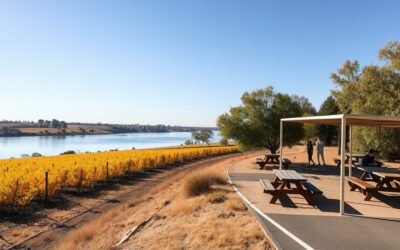
So, you’re thinking about a trip to Optina Pustyn in Kaluga Oblast? That’s a great choice. People often wonder about the “perfect” time to go, and it’s really about balancing a few things: what kind of weather you’re comfortable with, how many other visitors you want to encounter, and what your budget looks like. Generally speaking, there isn’t one single “best” time for everyone, as it depends on your priorities. But if you want a solid answer to help you plan, aiming for late spring (May and early June) or early autumn (September) often hits a sweet spot for pleasant weather, fewer crowds than peak summer, and potentially better deals. Knowing the best time to visit Optina Pustyn Kaluga Oblast helps you plan around weather, crowds, and budget.
Compare our seasonal guides to Kaluga, Kaluga Oblast and Tarusa, Kaluga Oblast when choosing other stops in Kaluga Oblast.
But let’s dive deeper. Optina Pustyn is a significant spiritual center, and its appeal can shift throughout the year depending on what you’re looking for. Understanding the nuances of each season will help you pick the time that’s truly best for you.
When planning any trip, getting a feel for the local climate is key. Optina Pustyn, nestled in Kaluga Oblast, experiences a fairly typical continental climate, which means distinct seasons. This directly impacts what you’ll wear, what activities you can enjoy, and even how you experience the monastery’s atmosphere.
1.1. Summer: The Warmest and Busiest
Summer, from June to August, brings the warmest temperatures to Optina Pustyn. This is also, predictably, the peak tourist season.
1.1.1. Weather in Summer
- Temperatures: Expect averages in the low to mid-20s Celsius (70s Fahrenheit), with occasional heatwaves pushing temperatures higher. Evenings are generally pleasant, rarely getting too chilly.
- Daylight Hours: You’ll have the longest days of the year, offering ample time for exploration.
- Rainfall: While generally sunny, summer can also bring thunderstorms, often in the late afternoon or evening. These are usually brief but can be intense.
1.1.2. Crowds in Summer
- Peak Season: As the most comfortable weather arrives, so do the most visitors. This is especially true during weekends and major Russian holidays like Victory Day (May 9th, though this is technically late spring) and Russia Day (June 12th).
- Atmosphere: The monastery grounds will be lively, filled with pilgrims, tourists, and locals. If you enjoy a bustling, vibrant atmosphere, this might be appealing. However, if you prefer quiet contemplation, it can feel quite crowded.
1.1.3. Costs in Summer
- Accommodation: Prices for hotels and guesthouses in the nearby town of Kozelsk and surrounding areas tend to be at their highest during the summer months. Booking well in advance is crucial.
- Transportation: While not as dramatic as accommodation, some transport costs might see a slight increase due to demand.
1.2. Autumn: A Shift in Colors and Crowds
Autumn, from September to November, offers a beautiful transition with cooler temperatures and a dramatic change in the landscape.
1.2.1. Weather in Autumn
- Temperatures: September is typically mild, with averages in the mid-teens Celsius (high 50s/low 60s Fahrenheit). October sees a noticeable drop, with temperatures hovering around 10°C (50°F), and November can be quite chilly, often near freezing.
- Scenery: The fall foliage is a major draw. The forests surrounding Optina Pustyn turn vibrant shades of red, orange, and yellow, creating a stunning visual spectacle.
- Rainfall: Expect more frequent rain and potentially the first snowfalls as the season progresses into November. Days become shorter.
1.2.2. Crowds in Autumn
- Shoulder Season: September is generally considered a shoulder season, meaning crowds start to thin out considerably after the summer rush. This makes for a more peaceful experience.
- October and November: As the weather cools and the days shorten, visitor numbers drop further, making these months ideal for those seeking solitude and quiet reflection.
1.2.3. Costs in Autumn
- Accommodation: Prices begin to decrease after September, offering better value for accommodation compared to summer. Late autumn, especially November, can see the lowest rates.
- Transportation: Similar to accommodation, transport costs might become more budget-friendly as demand softens.
1.3. Winter: The Cold and Quiet
Winter in Optina Pustyn, from December to February, is characterized by cold temperatures and snow. It’s a time of deep quiet and a different kind of beauty.
1.3.1. Weather in Winter
- Temperatures: It gets seriously cold. Average temperatures are well below freezing, often ranging from -5°C to -15°C (23°F to 5°F), with dips to -20°C (-4°F) or lower not uncommon.
- Snowfall: Snow is abundant, blanketing the landscape and creating a picturesque, serene scene. The monastery often looks particularly beautiful dusted in white.
- Daylight Hours: Days are very short, with limited daylight for sightseeing.
1.3.2. Crowds in Winter
- Lowest Crowds: This is generally the quietest time to visit. You’ll encounter far fewer tourists, mostly dedicated pilgrims or those seeking the profound stillness of winter.
- Atmosphere: The monastery feels more intimate and contemplative. Services might feel more personal due to the smaller number of attendees.
1.3.3. Costs in Winter
- Accommodation: Winter often brings the lowest accommodation prices, especially outside of the Christmas and New Year period.
- Transportation: Travel costs might be lower, but weather can sometimes cause delays or cancellations. You’ll need to be prepared for potentially challenging travel conditions.
1.4. Spring: A Budding Reawakening
Spring, from March to May, sees nature slowly coming back to life after the long winter. It’s a period of gradual warming and increasing visitor numbers.
1.4.1. Weather in Spring
- Temperatures: March is still quite cold, often with lingering snow and temperatures near or below freezing. April sees a noticeable warming trend, with averages climbing into the single digits and then teens Celsius (40s-50s Fahrenheit). May is generally pleasant, with temperatures similar to early autumn.
- Nature: The snow melts, the first buds appear, and the landscape starts to green. It’s a time of renewal.
- Rainfall: Spring can be unpredictable, with a mix of sunny days, rain, and even late snow showers in early spring.
1.4.2. Crowds in Spring
- Gradual Increase: Crowds are generally low in March and April, especially during weekdays. As May arrives and the weather improves, visitor numbers start to pick up, particularly around the Easter period (Orthodox Easter often falls in April or May) and leading up to summer.
- Easter Significance: If you’re interested in experiencing Orthodox Easter traditions, this is a significant time, but be aware that crowds will increase significantly around the holiday.
1.4.3. Costs in Spring
- Accommodation: Prices remain relatively low in March and April. May sees a gradual increase as visitor numbers rise, but it’s typically still more affordable than peak summer.
- Transportation: Similar to accommodation, costs tend to be reasonable until the end of spring.
Best Time To Visit Optina Pustyn Kaluga Oblast: 2. The Sweet Spot: When to Go for Balanced Experience
Based on balancing weather, crowd levels, and costs, certain periods emerge as particularly favorable for a visit to Optina Pustyn. These are times when you can enjoy comfortable conditions without the overwhelming numbers or the highest prices.
2.1. Late Spring (May and Early June)
This period often represents an ideal compromise for many travelers. The harshness of winter has faded, and the intense heat and peak crowds of mid-summer haven’t quite arrived.
2.1.1. Weather Advantages
- Pleasant Temperatures: May and early June offer reliably mild weather. Daytime temperatures are usually in the comfortable 15-20°C (59-68°F) range, perfect for walking around the monastery grounds and exploring the surrounding areas.
- Longer Daylight Hours: You’ll benefit from increasing daylight, allowing for extended visits and activities.
- Blooming Nature: The landscape is vibrant with new growth and blooming flowers, adding to the aesthetic appeal.
2.1.2. Crowd Management
- Before Peak Season: While there will be visitors, it’s generally less crowded than July and August. You can experience the spiritual atmosphere without feeling overwhelmed.
- Weekdays are Quieter: As always, visiting on weekdays will further reduce the number of people.
2.1.3. Cost Considerations
- Pre-Summer Pricing: Accommodation and other services are usually priced more affordably than during the peak summer months. It’s a good time to snag better deals before prices inevitably rise.
2.2. Early Autumn (September)
September offers a distinct charm, with the beauty of autumn foliage and a noticeable drop in visitor numbers after the summer exodus.
2.2.1. Weather Advantages
- Mild and Crisp: September weather is often beautifully crisp and clear. Temperatures are mild, typically ranging from 10-18°C (50-64°F), making it very comfortable for outdoor activities.
- Stunning Scenery: The changing leaves create a breathtaking backdrop, adding a serene and colorful dimension to your visit.
- Fewer Rainy Days (Typically): While autumn can bring rain, September often enjoys a good amount of sunny, dry days before the heavier rains of late autumn set in.
2.2.2. Crowd Management
- Post-Summer Calm: The intense summer crowds have dispersed. You’ll find a more peaceful and reflective atmosphere at the monastery.
- Tranquil Experience: This is an excellent time for those who appreciate quiet contemplation and a less hurried pace.
2.2.3. Cost Considerations
- Shoulder Season Savings: September prices for accommodation and services are generally lower than in the summer. It’s a good opportunity to find value without compromising on experience.
3. When to Consider for Specific Interests
While late spring and early autumn are excellent general recommendations, your personal interests might lead you to consider other times of the year.
3.1. For the Dedicated Pilgrim Seeking Solitude (Winter)
If your primary goal is spiritual immersion and minimal distractions, the deep quiet of winter can be profoundly rewarding.
3.1.1. The Appeal of Winter Solitude
- Profound Peace: The monastery grounds are often blanketed in snow, creating a serene and almost otherworldly atmosphere. The silence is palpable, allowing for deep introspection.
- Fewer Distractions: With minimal tourist traffic, you can attend services and walk the grounds with a sense of personal space and focus.
- Authentic Experience: For some, experiencing a sacred site in its winter stillness offers a unique and powerful connection to its history and spiritual essence.
3.1.2. Practicalities for Winter Travel
- Embrace the Cold: You’ll need serious winter gear: thermal layers, a warm coat, waterproof boots, hats, and gloves are essential.
- Shorter Daylight: Plan your outdoor activities around the limited daylight hours.
- Potential Travel Disruptions: Be prepared for the possibility of snow-related travel delays.
3.2. For Experiencing Orthodox Holidays (Varies by Year)
If you’re interested in witnessing major Orthodox Christian celebrations, the timing will be dictated by the Orthodox calendar.
3.2.1. Key Holiday Periods
- Easter (Pascha): This is the most significant holiday. Orthodox Easter often falls in April or May, but the exact date changes annually. The celebrations are vibrant and deeply spiritual.
- Christmas: Celebrated on January 7th according to the Julian calendar. It’s a quieter but still reverent period.
- Other Feasts: Various other feast days throughout the year might attract more pilgrims.
3.2.2. Crowd and Cost Implications
- Significant Increase: Expect considerably larger crowds during major holidays, especially Easter.
- Book Far in Advance: Accommodation and transportation will be in high demand, so booking months ahead is crucial.
- Higher Prices: Costs for accommodation and some services will likely increase during these peak holiday periods.
3.3. For Nature Lovers Appreciating Change (Late Spring & Early Autumn)
While autumn is renowned for its foliage, late spring also offers a beautiful display of nature’s reawakening.
3.3.1. Spring’s Gentle Awakening
- Verdant Landscapes: As winter recedes, the forests and surrounding countryside burst with new life. The greens are fresh and vibrant.
- Wildflowers: Depending on the specific timing within late spring, you might encounter various wildflowers in bloom.
- Pleasant for Exploration: The mild weather is ideal for walking and enjoying the natural beauty without the intense heat of summer or the chill of autumn.
3.3.2. Autumn’s Fiery Spectacle
- The Palette of Fall: The transformation of the leaves into reds, oranges, and yellows is a major visual draw for many visitors. It creates a picturesque and serene environment.
- Crisp Air: The cool, crisp air of autumn enhances the sensory experience of being outdoors.
4. Navigating Crowds: Strategies for a Peaceful Visit
Crowds are an inevitable part of visiting popular religious sites. However, with a little planning, you can significantly minimize their impact on your experience.
4.1. Weekday Visits
- The Obvious Advantage: This is the most straightforward way to avoid the weekend rush. If your schedule allows, plan your visit from Monday to Friday.
- Reduced Foot Traffic: You’ll find fewer tour groups, local day-trippers, and even other independent travelers on weekdays.
4.2. Early Morning or Late Afternoon
- Beat the Midday Rush: Many visitors tend to arrive mid-morning and stay through the afternoon. Arriving shortly after opening or a couple of hours before closing can offer a more tranquil experience.
- Golden Hour Light: Early mornings and late afternoons often provide beautiful lighting for photography, adding an artistic element to your visit.
4.3. Off-Season Travel
- Embrace the Quiet: As discussed, visiting during the shoulder seasons (late spring, early autumn) or even winter will naturally mean significantly fewer crowds.
- Deeper Immersion: The quiet allows for more personal reflection and a deeper connection with the spiritual atmosphere of Optina Pustyn.
5. Cost-Saving Tips for Your Trip
| Month | Weather | Crowds | Costs |
|---|---|---|---|
| May | Mild temperatures, some rain | Low | Moderate |
| June | Warm temperatures, occasional rain | Medium | High |
| July | Warm temperatures, occasional rain | High | High |
| August | Warm temperatures, occasional rain | High | High |
| September | Cooling temperatures, some rain | Medium | Moderate |
Budgeting is a crucial part of travel planning. Here are some practical ways to make your trip to Optina Pustyn more affordable.
5.1. Accommodation Choices
- Look Beyond Kozelsk: While staying directly in Kozelsk (the nearest town) is convenient, consider guesthouses or smaller hotels in surrounding villages. These might offer lower rates.
- Book in Advance (When Necessary): During peak seasons or holidays, booking your accommodation as far ahead as possible can secure better prices and availability.
- Consider Off-Season Deals: Winter and the very beginning of spring/late autumn are generally the cheapest times for accommodation.
5.2. Transportation Strategies
- Research Train vs. Bus: Compare the costs of train travel from major cities like Moscow or Kaluga to Kozelsk versus bus options. Sometimes one is significantly cheaper than the other.
- Book Tickets Early: Similar to accommodation, booking train or bus tickets in advance can sometimes lead to lower fares, especially on popular routes.
- Local Transport: Once in Kozelsk, consider walking to the monastery if distances are manageable, or inquire about local bus routes if available, as these are usually the most economical way to get around locally.
5.3. Dining Smartly
- Local Cafes and Canteens: While the monastery itself might have a cafe, explore local eateries in Kozelsk for more affordable meals. Look for “stolovaya” (canteens) which often offer simple, hearty, and inexpensive food.
- Pack Snacks: Bringing some non-perishable snacks from home can help save money on smaller purchases throughout the day.
6. What to Pack for Your Visit
The time of year you choose will dictate your packing list, but here are some general essentials and considerations for Optina Pustyn.
6.1. Clothing for All Seasons
- Layering is Key: Regardless of the season, being able to add or remove layers is the most practical approach. Even in summer, evenings can cool down.
- Modest Attire: Remember that Optina Pustyn is a functioning monastery. When visiting the churches and sacred areas, women should ideally wear skirts or dresses that cover their knees, and both men and women should avoid sleeveless tops or shorts. A headscarf for women is traditionally worn inside churches.
- Comfortable Walking Shoes: You’ll be doing a lot of walking on the monastery grounds and potentially exploring the surrounding area.
6.2. Essential Items
- Documents: Passport, visa (if applicable), and any relevant booking confirmations.
- Medications: Bring any personal prescription medications you might need, along with a basic first-aid kit.
- Camera: To capture the beauty of the monastery and its surroundings.
- Power Bank/Charger: Essential for keeping your devices charged, especially if you’re spending long days exploring.
- Small Backpack: Useful for carrying water, snacks, and personal items during your daily excursions.
- Water Bottle: Staying hydrated is important, especially during warmer months. You can often refill it at water sources within the monastery.
6.3. Seasonal Specifics
- Winter: Heavy-duty winter coat, thermal layers, waterproof and insulated boots, warm hat, scarf, and gloves are non-negotiable.
- Spring/Autumn: Water-resistant jacket, umbrella, and comfortable layers that can be adapted to changing temperatures.
- Summer: Light, breathable clothing, a hat for sun protection, and perhaps a light jacket for cooler evenings.
Ultimately, the “best” time to visit Optina Pustyn is the time that aligns with your personal preferences and priorities. By understanding the distinct characteristics of each season, you can make an informed decision that will lead to a fulfilling and memorable journey. Whether you seek the warmth and vibrancy of late spring, the quiet contemplation of autumn, or the profound stillness of winter, Optina Pustyn offers a unique spiritual experience year-round.
FAQs
1. What is the best time to visit Optina Pustyn, Kaluga Oblast in terms of weather?
The best time to visit Optina Pustyn, Kaluga Oblast is during the summer months of June to August when the weather is warm and pleasant, with temperatures ranging from 18°C to 25°C.
2. When is the best time to visit Optina Pustyn, Kaluga Oblast to avoid crowds?
To avoid crowds, it is best to visit Optina Pustyn, Kaluga Oblast during the shoulder seasons of spring (April to May) and autumn (September to October) when there are fewer tourists.
3. What is the peak tourist season in Optina Pustyn, Kaluga Oblast?
The peak tourist season in Optina Pustyn, Kaluga Oblast is during the summer months of June to August when the weather is warm, and the monastery and surrounding attractions are most crowded.
4. When is the off-peak season in Optina Pustyn, Kaluga Oblast?
The off-peak season in Optina Pustyn, Kaluga Oblast is during the winter months of December to February when the weather is cold, and there are fewer tourists visiting the area.
5. Are there any cost differences based on the time of year to visit Optina Pustyn, Kaluga Oblast?
Costs for accommodation and activities may be higher during the peak tourist season of June to August, while they may be lower during the off-peak season of December to February. It is advisable to check for specific pricing and availability when planning a visit.