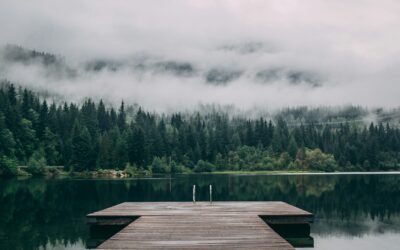
So, you’re thinking about heading to Ordu, a gem on Turkey’s Black Sea coast, and wondering, “When’s the best time to go?” That’s a smart question! The short answer is: for the sweet spot of pleasant weather, manageable crowds, and decent prices, aim for late spring (May to early June) or early autumn (September to mid-October). This is when you get the best of what Ordu has to offer without the peak summer intensity.
But “best” is subjective, right? What one person loves, another might find too hot, too cold, too busy, or too expensive. So, let’s break down the weather, the people (or lack thereof), and your wallet to help you pinpoint your ideal Ordu adventure.
Ordu sits pretty on the Black Sea, and its weather is a direct reflection of that. Think lush greenery, but also, well, Black Sea rain. It’s not a place known for scorching heat or freezing winters, but it does have distinct seasons that affect travel greatly.
The Warm Embrace: Summer (June to August)
Summer is undeniably Ordu’s main event. The sun shines brighter, the sea beckons invitingly, and the whole region buzzes with activity.
Sunshine and Sea Breezes
Expect warm, sunny days, perfect for hitting the beaches or exploring the coastal towns. Temperatures typically hover in the mid to high 20s Celsius (70s to low 80s Fahrenheit), sometimes pushing into the low 30s (90s Fahrenheit) on hotter days. The sea breeze provides a welcome cooling effect, making it generally comfortable, though heatwaves can occur.
The Flip Side: Humidity and Rain
While sunny, summers also mean higher humidity. This can make the warmth feel more intense. And even in summer, the Black Sea can be unpredictable. While August tends to be drier, short, sharp rain showers can still pop up, especially in the late afternoons. Don’t be surprised if you encounter a brief downpour; it usually passes quickly and leaves the air feeling fresh.
The Shoulder Seasons: Spring and Autumn
This is where we find that sweet spot, balancing good weather with fewer people and more reasonable prices.
Spring’s Green Awakening (April to May)
As winter’s chill recedes, Ordu bursts into vibrant life. The landscape is incredibly green and dotted with wildflowers. Temperatures start mild and steadily climb, typically ranging from the mid-teens in April to the low 20s (60s to low 70s Fahrenheit) by May. It’s pleasant enough for outdoor activities, but the sea might still be a bit too cool for a prolonged swim for some.
Autumn’s Golden Hue (September to October)
After the summer heat subsides, autumn brings a beautiful calmness to Ordu. The weather remains mild and often sunny, with temperatures similar to spring, gradually cooling down. The humidity drops, making it feel very comfortable. The hillsides begin to show off their autumn colors, adding another layer of visual appeal. This is often considered the most picturesque time.
The Rain Factor
Both spring and autumn are wetter than summer, but typically the rain is less persistent than in winter. You’ll likely experience sunny spells interspersed with rainy days. The key is to be prepared with layers and a good waterproof jacket.
The Cooler Months: Winter (November to March)
Winter in Ordu is mild compared to many places, but it brings its own set of characteristics.
Mild Temperatures, Lots of Rain
Temperatures rarely dip below freezing, usually staying in the single digits to low teens Celsius (40s to low 50s Fahrenheit). However, this is Ordu’s rainy season. Expect frequent rainfall, and sometimes a bit of sleet or even snow at higher elevations. The days are shorter, and the focus shifts to indoor activities and enjoying the cozy atmosphere.
Quieter and Greener
If you don’t mind the rain and crave solitude, winter offers a very different experience. The region remains surprisingly green thanks to the rainfall, and you’ll have many of the beautiful natural sights almost to yourself. It’s a great time for photographers and anyone seeking a peaceful escape.
Navigating the Crowds: When to Visit for Peace or Buzz
Ordu’s popularity, like most tourist destinations, ebbs and flows. Knowing when the crowds are at their peak can help you decide if you prefer a lively atmosphere or a more relaxed pace.
The Summer Surge: Peak Season (June to August)
This is when Ordu truly comes alive, and by “alive,” we mean busy.
Beaches Packed, Attractions Bustling
The main draw during summer is the coastal lifestyle. Beaches will be populated, cafes and restaurants will be full, and local attractions will see a steady stream of visitors. If you enjoy a vibrant, buzzy atmosphere and don’t mind sharing the space, summer is your time.
Booking Ahead is Crucial
Accommodation, flights, and popular tours will fill up quickly. It’s essential to book well in advance, often months ahead, to secure your preferred options and potentially better prices. Spontaneity is a luxury you might not have during these months.
The Tranquil Interlude: Shoulder Seasons (May-early June & September-mid-October)
These periods offer a beautiful balance – good weather with a significantly more relaxed vibe.
A Breath of Fresh Air
You’ll still find plenty of people enjoying Ordu, especially on weekends, but you won’t be shoulder-to-shoulder. Getting a table at a restaurant is usually easier, and exploring historical sites or natural parks is a much more peaceful experience.
Ideal for Exploration
This is when you can truly immerse yourself. You can take your time, interact with locals more readily, and enjoy the scenery without feeling rushed. It’s perfect for those who want to see and do a lot without the intense summer hustle.
The Solitude Seeker: Off-Season (November to March)
If your primary goal is to avoid crowds and experience Ordu like a local, then the winter months are your best bet.
A Quiet Retreat
You’ll find very few international tourists during this time. The towns will be quiet, and you’ll have many of the stunning natural landscapes largely to yourself. This is a fantastic opportunity for introspection, photography, and experiencing the authentic rhythm of local life.
Some Businesses May Close
Be aware that some tourist-focused businesses, particularly smaller guesthouses or restaurants in more remote areas, might reduce their hours or close entirely during the deep winter months. Always check in advance if you have specific places in mind.
Money Matters: When Your Wallet Will Thank You
Visiting Ordu can be relatively affordable, but like any destination, timing can significantly impact your spending.
Summer’s Premium: High Season Costs (June to August)
As you might expect, the most popular time to visit also comes with the highest prices.
Accommodation and Flights Peak
Expect to pay a premium for flights and accommodation. Hotels and guesthouses will be at their most expensive, and deals will be scarce. Booking very early is your best strategy to mitigate these costs.
Popular Activities and Dining
While the cost of everyday goods might not skyrocket, popular restaurants and tours will likely charge higher prices to meet demand. Entrance fees to attractions are generally fixed, but the overall cost of your trip will be inflated simply by the demand for everything.
The Sweet Spot for Savings: Shoulder Season Prices (May-early June & September-mid-October)
This is where you can really make your travel budget stretch further.
Accommodation and Flight Deals
Prices for flights and accommodation will be noticeably lower than in the peak summer months. You’ll have more choice and will likely find better deals, especially if you book with a little foresight.
More Bang for Your Buck
With fewer crowds, you can often negotiate prices for private tours or find special offers at restaurants. Everyday expenses will also be more stable, meaning your money goes further for meals and local transportation.
Off-Season Affordability: Low Season Costs (November to March)
If budget is your absolute top priority, the off-season offers the most significant savings.
Steep Discounts on Stays
Accommodation prices can drop considerably during the winter months. You might find incredible deals on hotels and guesthouses, sometimes at a fraction of their summer rates.
Cheaper Travel Options
Flights into Turkey may also be cheaper during this period. While you might visit fewer tourist-centric businesses, the cost of essential services like food and public transport remains very reasonable. The main consideration here is whether the weather and limited operating hours outweigh the savings for your travel style.
Exploring Ordu’s Natural Wonders: Best Times for Greenery and Views
Ordu is renowned for its stunning natural beauty, from the rolling hills of the yaylalar (highland plateaus) to the lush coastline. The best time to experience this varies depending on what you want to see.
Spring’s Verdant Carpet (April-May)
After the rains, Ordu transforms into a tapestry of vibrant green.
Wildflowers and Fresh Growth
The landscape is at its most lush and fresh. Wildflowers blanket the hillsides, and the air is filled with the scent of blooming flora. It’s a photographer’s dream and incredibly invigorating for hikers.
Waterfalls and Streams
The increased rainfall also means that waterfalls and streams are at their most impressive. Many of the natural attractions fed by these water sources will be at their most spectacular during this period.
Summer’s Sun-Kissed Hills (June-August)
While still green, summer brings a different kind of beauty.
Golden Fields and Clear Skies
The rolling hills might be more golden than emerald, especially in the drier months of July and August. The advantage here is the increased likelihood of clear, sunny days, offering breathtaking panoramic views from higher vantage points like Boztepe.
Perfect for Coastal Activities
While the yaylalar are beautiful, summer is prime time for enjoying the Black Sea itself. Beach towns are buzzing, and the coastline is the main attraction.
Autumn’s Fiery Palette (September-October)
This is arguably the most visually stunning time for Ordu’s natural landscapes.
Autumnal Hues
The deciduous forests covering the hillsides begin to change color, offering a spectacular display of reds, oranges, and yellows. This creates a dramatic and beautiful contrast with the evergreen pines.
Crisp Air for Hiking
The cooler, drier air makes hiking and exploring the yaylalar incredibly pleasant. You can enjoy long walks without the humidity of summer, and the cooler temperatures make climbing more comfortable.
Winter’s Stark Beauty (November-March)
Winter offers a more subdued, but equally captivating, natural experience.
Dramatic Skies and Misty Valleys
While the vibrant colors fade, winter brings dramatic skies and a unique atmospheric beauty. Misty mornings in the valleys and the stark outlines of bare trees against grey skies can be incredibly evocative.
Snow-Capped Peaks (Rarely)
While not guaranteed, snow can fall on the higher plateaus, offering fleeting moments of winter wonderland. The intense green remains due to constant rainfall, offering a contrast of muted colors.
Food and Festivities: When to Taste Ordu’s Delights
| Month | Weather | Crowds | Costs |
|---|---|---|---|
| January | Cold, rainy | Low | Low |
| April | Mild, occasional rain | Medium | Medium |
| July | Warm, sunny | High | High |
| October | Cool, occasional rain | Medium | Medium |
Ordu’s culinary scene is a significant part of its charm, with fresh produce and traditional dishes. Festivals and local events also add to the experience.
Summer’s Harvest Bounty (June to August)
Summer is when many of Ordu’s famous ingredients are at their peak.
Fresh Fruits and Vegetables
Think of the sweetest hazelnuts, ripe berries, and a bounty of fresh vegetables. Many local dishes will feature these seasonal highlights, offering the most vibrant flavors.
Coastal Seafood
With the warm weather, the demand for fresh seafood is high, and the local catches are plentiful. Enjoying grilled fish by the sea is a quintessential summer experience.
Summer Festivals
Various local festivals celebrating agriculture, music, and culture often take place during the summer months. These events offer a fantastic opportunity to immerse yourself in local traditions and enjoy traditional food.
Autumn’s Deeper Flavors (September to October)
As the seasons change, so does the culinary focus.
Hazelnut Season and Harvest
Late summer and early autumn are peak hazelnut season. You’ll find hazelnuts in every form imaginable – fresh, roasted, in desserts, and as hazelnut oil. This is the absolute best time to experience Ordu’s most famous product.
Heartier Dishes
Autumn also sees a shift towards heartier, more comforting dishes as the weather cools. Root vegetables and slow-cooked meals become more prevalent.
Winter’s Comfort Food (November to March)
Winter is about sustenance and warmth.
Preserves and Local Specialties
Many homes will be utilizing preserved fruits and vegetables from the summer and autumn harvests. Traditional dishes that are rich and warming, like stews and hearty soups, are popular.
Quieter Culinary Scene
While most restaurants remain open, the emphasis might be less on vibrant, fresh summer produce and more on comforting, traditional fare. It’s a more intimate experience.
Planning Your Ordu Adventure: Putting It All Together
Now that we’ve broken down the nitty-gritty, let’s bring it all together to help you make the final call.
The “Best All-Rounder”: Late Spring & Early Autumn
If you’re looking for a balanced experience – good weather, relatively affordable prices, and noticeable but not overwhelming crowds – then late May to early June and September to mid-October are your sweet spots. You’ll get pleasant temperatures for exploring, the landscape will be beautiful, and you’ll avoid the peak summer intensity and prices. It’s the perfect recipe for a relaxed yet fulfilling trip.
For the Beach Lover & Buzz Seeker: Summer
If your heart is set on long days soaking up the sun on the beach, swimming in the Black Sea, and enjoying a lively atmosphere, then July and August are the months. Just be prepared for higher costs and more people. Book everything far in advance and embrace the summer energy.
For the Budget Traveler & Solitude Seeker: Winter
If your priority is to save money and experience Ordu in its tranquil, off-season state, then November to March is your time. You’ll need to pack for rain and be aware that some attractions might have limited hours, but you’ll have a much more authentic and peaceful experience.
For the Nature Enthusiast & Hiker: Spring & Autumn
If your main goal is to witness Ordu’s breathtaking natural beauty at its most vibrant – be it the blooming wildflowers of spring or the fiery foliage of autumn – then lean towards April to May or September to October. These periods offer comfortable weather for exploring the yaylalar and enjoying the stunning landscapes.
Ultimately, the “best” time to visit Ordu depends on your personal preferences. By understanding the trade-offs between weather, crowds, and cost for each season, you can make an informed decision that leads to your perfect Black Sea getaway. Happy travels!
FAQs
1. What is the best time to visit Ordu in terms of weather?
The best time to visit Ordu in terms of weather is during the summer months of June to August, when the weather is warm and sunny with minimal rainfall.
2. When is the peak tourist season in Ordu?
The peak tourist season in Ordu is during the summer months of June to August, when the weather is ideal for outdoor activities and the city experiences an influx of tourists.
3. When is the off-peak season in Ordu?
The off-peak season in Ordu is during the winter months of December to February, when the weather is colder and there are fewer tourists visiting the city.
4. What are the costs like during the peak tourist season in Ordu?
During the peak tourist season in Ordu, costs for accommodation, transportation, and activities are generally higher due to the high demand from tourists.
5. When is the best time to visit Ordu to avoid crowds and high costs?
The best time to visit Ordu to avoid crowds and high costs is during the shoulder seasons of spring (March to May) and fall (September to November), when the weather is still pleasant and there are fewer tourists, resulting in lower costs for accommodation and activities.