So, you’re thinking about a trip to Zile in Tokat, Turkey? That’s a great choice! Zile is this wonderfully historic town, famous for its ancient castle and rich past. But like any destination, knowing the “best” time to visit really comes down to what you’re looking for. Are you trying to dodge the biggest crowds, find the best weather for exploring, or snag a good deal on a place to stay? Let’s break it down. Generally, the spring (April to May) and autumn (September to October) offer the sweetest spot for visiting Zile, thanks to pleasant weather and fewer tourists than the peak summer months.
First things first, let’s talk weather. Zile sits in a region of Turkey that experiences a continental climate, meaning it gets pretty distinct seasons. You’ll see it get quite cold in the winter and can get quite warm in the summer, with those shoulder seasons being the most balanced.
Winter in Zile: Cold and Quiet
Winter in Zile, which typically runs from December through February, is characterized by cold temperatures and, often, snow. If you’re a fan of crisp, chilly air and enjoying indoor activities or seeing the town dusted in white, this might appeal.
- Temperatures: Expect daytime highs to hover around 5-10°C (40-50°F), and nighttime lows can dip well below freezing, often between -5°C and 0°C (20-30°F). It’s not uncommon to see temperatures drop to -10°C (14°F) or even lower during the coldest spells.
- Precipitation: Snowfall is common and can accumulate, making for picturesque scenes but potentially impacting travel. Rain is also possible, but it’s more likely to be snow.
- Crowds: Winter is the absolute low season for tourism in Zile. You’ll likely have the historical sites and streets much to yourself. This can be a significant advantage if you value tranquility and a more authentic, local experience.
- Costs: Accommodation prices tend to be at their lowest during the winter months. If budget is a primary concern, this is the cheapest time to visit. However, some smaller establishments might have reduced hours or even close for the season, so it’s worth checking in advance.
- Activities: Your options might be more limited. Outdoor exploration will be heavily dependent on the weather. Many locals will be focused on indoor gatherings and seasonal food. It’s a good time to explore the local bazaars and enjoy hearty Turkish cuisine in cozy restaurants.
Spring in Zile: Blooming and Lively
Spring, from March to May, is when Zile truly comes alive. The landscape starts to green up, and the temperatures become much more comfortable for exploring.
- Temperatures: March can still be a bit cool, with highs around 10-15°C (50-60°F). By April and May, you’re looking at delightful daytime highs of 15-25°C (60-77°F). Nights are pleasant but can still have a chill, so a light jacket is a good idea.
- Precipitation: Spring can be a bit unpredictable. You might encounter some rainy days, but they are usually interspersed with sunny periods. The rain can bring out vibrant colors in the surrounding nature.
- Crowds: Spring sees a steady increase in visitors, especially as the weather improves. April and May are more popular than March. While not as busy as the summer, you will start to see more tourists.
- Costs: Accommodation prices begin to rise in spring, especially in May. However, they are generally still more affordable than in the peak summer season. You might find good deals if you book a little in advance.
- Activities: This is a fantastic time for outdoor activities. Hiking in the countryside, visiting the castle without overheating, and simply strolling through the town are all highly enjoyable. The local markets will be brimming with fresh produce.
Summer in Zile: Warm and Bustling
Summer, from June to August, brings warm to hot weather to Zile. This is the peak tourist season, so expect more people and the associated changes in atmosphere.
- Temperatures: Daytime highs frequently reach 25-30°C (77-86°F), and it’s not uncommon for temperatures to climb into the mid-30s°C (90s°F) during heatwaves. Evenings remain warm.
- Precipitation: Rainfall is relatively scarce during the summer months. You can generally expect plenty of sunshine.
- Crowds: Summer is when Zile, like many places in Turkey, experiences its highest influx of visitors. This means more people at the major attractions, potentially longer queues, and a more lively atmosphere in the town center.
- Costs: This is the peak season for accommodation and sometimes flights. Prices will be at their highest. Booking well in advance is crucial if you plan to visit during July or August.
- Activities: The warm weather is perfect for spending longer days outdoors. Picnics, exploring historical sites, and enjoying evening strolls are all popular. Summer is also often a time for local festivals and events, which can add an extra layer of excitement to your visit.
Autumn in Zile: Mild and Colorful
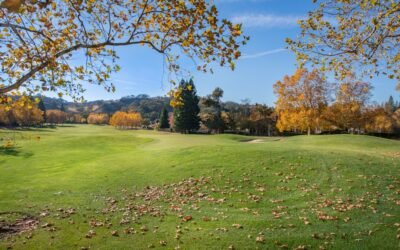
Autumn, from September to November, offers a transition period that often matches spring in terms of pleasantness, with the added bonus of beautiful fall foliage.
- Temperatures: September and October are usually just as delightful as May, with daytime highs in the comfortable 15-25°C (60-77°F) range. Nights start to cool down significantly as November approaches. By November, daytime temperatures might only reach 10-15°C (50-60°F), and frost becomes more likely.
- Precipitation: Similar to spring, autumn can bring some rain. However, the days are often still sunny and crisp. The latter part of autumn can become wetter.
- Crowds: The crowds begin to thin out after August. September and early October are still quite popular, offering a good balance of decent weather and manageable crowds. As November progresses, tourist numbers drop considerably.
- Costs: Accommodation prices begin to decrease after the summer peak. September and early October will still have moderate pricing, but you’ll often find better deals than in the summer. November can offer some of the best prices before the winter cold truly sets in.
- Activities: This is an excellent time for photography with the changing leaves. Hiking is very pleasant. Exploring the ancient sites is comfortable without the intense heat of summer. You can also enjoy seasonal produce, like different types of apples and nuts, which are abundant in the region.
The Sweet Spot: Spring and Autumn Detailed
Okay, let’s dive a bit deeper into why spring and autumn are often cited as the “best” times. It’s not just about the weather; it’s the overall experience.
Spring (April – May): Nature’s Awakening
When spring arrives in Zile, it feels like the entire region is waking up. The air is fresh, and the colors are vibrant.
- Pleasant Temperatures for Sightseeing
- April and May offer that sweet spot where you don’t need heavy winter gear, but you also won’t be sweating buckets. Think comfortable walking temperatures, perfect for exploring the Zile Castle, the city center, and any nearby natural attractions. The evenings are cool enough to enjoy a nice dinner without feeling chilled to the bone.
- Blooming Landscapes and Greenery
- This is when you’ll see Zile at its most verdant. Wildflowers will be dotting the hillsides, and the trees will be in full leaf. If you enjoy scenic drives or gentle walks through the countryside, spring is your time to capture those beautiful natural views.
- Moderate Crowds and Better Prices
- While it’s not deserted, you won’t be battling hordes of tourists. You can explore the historical sites at a more relaxed pace. This also translates to more availability and potentially better prices for accommodation compared to the summer rush. You might still need to book your preferred hotel a few weeks in advance, especially if you’re traveling during a public holiday.
Autumn (September – October): Crisp Air and Harvest Flavors
As summer fades, autumn rolls in with a different kind of charm. The light changes, the air gets crisp, and there’s a sense of abundance.
- Ideal for Outdoor Exploration
- September and October continue the pleasant weather trend from spring. The daytime temperatures are mild and sunny, creating perfect conditions for long walks, visiting historical sites without the oppressive heat, and enjoying the changing scenery. The evenings offer a refreshing coolness.
- Beautiful Fall Colors
- The natural beauty of the region really shines in autumn. The leaves on the trees turn shades of gold, red, and brown, creating stunning vistas. This is a particularly good time for photography enthusiasts.
- Fewer Tourists and Declining Costs
- The peak summer tourist season has passed, meaning you’ll encounter fewer visitors. This makes for a more peaceful experience. Accommodation prices typically start to drop after September. You’ll likely find it easier to secure good deals, though early September might still be a bit busier.
Considering Your Priorities: Weather vs. Crowds vs. Cost
Ultimately, the “best” time to visit Zile is subjective and depends on what matters most to you on your trip.
H2: The Weather Aficionado’s Choice
If your absolute top priority is experiencing the most comfortable weather for outdoor activities, then your focus should be on the late spring (May) and early autumn (September to mid-October).
- Maximizing Outdoor Comfort
- These months consistently provide temperatures that are neither too hot nor too cold. Think of it as the Goldilocks zone for sightseeing. You can spend hours walking around the ancient Zile Castle and exploring the town without feeling overheated or needing to bundle up excessively.
- Minimizing Weather-Related Disruptions
- While you can’t guarantee perfect weather, these periods typically have fewer extreme weather events compared to other times of the year. You’re less likely to encounter scorching heatwaves or prolonged periods of heavy rain or snow that could hinder your plans.
H2: The Crowd-Dodger’s Guide
If you prefer a more tranquil experience and want to avoid the hustle and bustle of peak tourist seasons, you’ll want to aim for the shoulder months or the off-season.
- Embracing the Off-Season Serenity
- The winter months (November through March) are undeniably the quietest. However, you’ll need to be prepared for cold weather and potentially snow. This is ideal if your primary goal is to immerse yourself in a very local atmosphere and have historical sites practically to yourself.
- Navigating the Quieter Shoulder Seasons
- Early spring (March and early April) can be quite subdued before the Easter holidays and the general warm-up. Similarly, late autumn (November) offers a significant drop in visitor numbers after the October harvest season. During these times, you can enjoy Zile with a local feel, but some amenities might have reduced hours.
H2: The Budget Traveler’s Strategy
For those looking to stretch their travel funds further, timing your visit is key.
- Unpacking the Winter Deals
- As mentioned, winter is generally the cheapest time to visit Zile. Flights and accommodation will be at their lowest prices. Just be mindful that some attractions might have shorter visiting hours or limited accessibility due to weather.
- Capitalizing on the Shoulder Season Value
- The shoulder seasons – specifically March, April, November, and early December – often provide excellent value. You’ll find prices that are significantly lower than in summer but still offer reasonably good weather. This is often the sweet spot for experiencing Zile without breaking the bank. You’ll get more for your money in terms of accommodation, and potentially even better deals on local tours or dining.
What to Pack Regardless of Season
While the specific clothing will vary, there are a few essentials that are good to have with you no matter when you decide to visit Zile.
Layers are Your Best Friend
- Turkey’s climate can be variable, even within a single day. Packing layers means you can easily adjust to changing temperatures. Think t-shirts, long-sleeved shirts, a sweater or fleece, and a medium-weight jacket. This is especially important for spring and autumn.
Comfortable Walking Shoes are Non-Negotiable
- You’ll likely be doing a lot of walking, whether it’s exploring ancient ruins, navigating cobblestone streets, or taking in the local neighborhoods. Sturdy, comfortable shoes will make a huge difference to your enjoyment.
Practical Accessories
- Sun protection: Even in cooler months, the sun can be surprisingly strong. A hat and sunglasses are always a good idea.
- Rain gear: A compact umbrella or a waterproof jacket is wise, especially when visiting in spring or autumn.
- A small backpack: Useful for carrying water, snacks, a camera, and any souvenirs you pick up.
Zile’s Festivals and Local Events
| Month | Weather | Crowds | Costs |
|---|---|---|---|
| April – June | Mild and pleasant | Low to moderate | Moderate |
| July – August | Hot and dry | High | High |
| September – October | Mild and pleasant | Low to moderate | Moderate |
While Zile might not have as many large-scale, internationally renowned festivals as some bigger cities, keeping an eye on local events can enhance your visit.
Checking Local Calendars
- Historically, many Turkish towns celebrate national holidays and religious festivals with local gatherings or special markets. Sometimes, there are harvest festivals or local celebrations of historical significance. It’s worth doing a quick online search a few months before your trip to see if any particular events are scheduled during your potential visit dates. This can offer a wonderful glimpse into local life and traditions.
In conclusion, while the spring and autumn months typically offer the most balanced experience in Zile, Tokat, with pleasant weather, manageable crowds, and reasonable costs, the “best” time ultimately depends on your personal preferences. If you crave solitude and don’t mind the cold, winter offers a unique charm and budget-friendly options. If you don’t mind warmer weather and more people, summer provides a lively atmosphere. Planning around your priorities and doing a little research will ensure your trip to Zile is memorable for all the right reasons.
FAQs
1. What is the best time to visit Zile, Tokat in terms of weather?
The best time to visit Zile, Tokat is during the spring and autumn months, specifically from April to June and September to October. During these times, the weather is mild and pleasant, making it ideal for outdoor activities and sightseeing.
2. When is the peak tourist season in Zile, Tokat?
The peak tourist season in Zile, Tokat is during the summer months, from July to August. During this time, the weather is hot and dry, and the city experiences an influx of tourists. It is important to note that attractions and accommodations may be crowded and prices may be higher during this period.
3. What is the off-peak season in Zile, Tokat?
The off-peak season in Zile, Tokat is during the winter months, from November to February. During this time, the weather is cold and the city experiences fewer tourists. This can be a good time to visit for those looking to avoid crowds and take advantage of lower prices.
4. How does the cost of visiting Zile, Tokat vary throughout the year?
The cost of visiting Zile, Tokat is typically higher during the peak tourist season in the summer months, due to increased demand for accommodations and attractions. Prices may be lower during the off-peak winter months, making it a more budget-friendly time to visit.
5. Are there any specific events or festivals that are worth considering when planning a visit to Zile, Tokat?
One notable event in Zile, Tokat is the Zile Cherry Festival, which takes place in June. This festival celebrates the local cherry harvest and features various cultural and culinary activities. Visitors may want to consider planning their trip around this event for a unique and enjoyable experience.