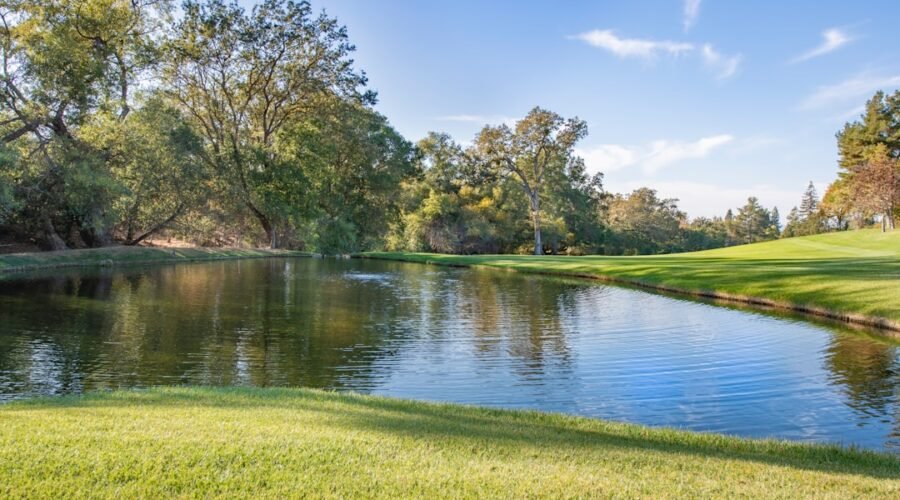
Planning a trip to Uludere in Şırnak? The best time to visit Uludere depends on whether you want green mountain scenery, comfortable walking weather, warm sunshine, or a quiet winter escape. This mountainous district in southeastern Türkiye has distinct seasons, and choosing the right month can make a big difference to your experience.
Quick Answer
The best time to visit Uludere, Şırnak, is generally April to May or September to October. Spring brings green landscapes and wildflowers, while autumn offers comfortable temperatures for exploring. June to August suits visitors who prefer dry weather, although summer can be hot. December to February is colder, with possible snow and difficult mountain travel.
Last checked: September 25, 2026. Key climate, travel, and official calendar information was checked against published sources.
Key Takeaways
- April and May are particularly attractive for green hillsides, flowers, and nature photography.
- September offers a useful balance of warmth and relatively dry weather. October is cooler but brings more rain.
- Uludere is mountainous, with large differences between daytime and nighttime temperatures.
- Some areas near the Iraqi border have access restrictions and specific government travel warnings.
Best Time to Visit Uludere: Weather by Month
Uludere has a continental climate shaped by its mountainous location. Summers are generally hot and dry, while winters are cold and snowy. Spring and autumn bring more changeable weather.
The Uludere District Governor’s Office describes a climate with substantial temperature differences between day and night. It also identifies spring and winter as the main rainy periods.
For a useful numerical reference, the following table uses the Turkish Meteorological Service’s official Şırnak climate statistics, covering its published 1970–2025 observation period.
These are Şırnak station averages, not exact Uludere town temperatures. Local conditions can differ because of altitude, terrain, and exposure. The figures show average daily highs and average monthly rainfall, not a forecast for your travel dates.
| Month | Average High | Average Rainfall | Travel Conditions |
|---|---|---|---|
| January | 6.2°C | 95.9 mm | Cold; possible snow and ice. |
| February | 7.5°C | 97.5 mm | Winter conditions continue. |
| March | 11.4°C | 119.5 mm | Cool and relatively wet. |
| April | 16.9°C | 103.8 mm | Green scenery and spring showers. |
| May | 22.8°C | 57.3 mm | Warmer conditions for outdoor visits. |
| June | 29.6°C | 5.6 mm | Hotter and much drier. |
| July | 34.0°C | 3.6 mm | Very hot and dry. |
| August | 33.9°C | 0.6 mm | Very dry; strong summer heat. |
| September | 29.5°C | 9.5 mm | Warm with relatively little rain. |
| October | 21.9°C | 45.2 mm | Comfortable days and cooler evenings. |
| November | 13.9°C | 83.0 mm | Colder, wetter conditions. |
| December | 8.4°C | 92.0 mm | Cold weather and possible snow. |
Important Safety and Access Considerations
Uludere is not a conventional resort destination. Its mountain landscape and location near the Iraqi border make route planning especially important.
The district’s official geographical information describes Uludere as a rugged area bordering Iraq. The district center stands at approximately 1,230 meters above sea level, while elevations vary considerably across the wider district.
Warning: The U.S. Department of State advises against travel within 10 km of Türkiye’s borders with Iraq and Syria. It also reports restricted access near the Iraqi border in Şırnak. Do not assume that mountain trails, rural roads, or border-adjacent attractions are open to visitors. Follow local authorities’ instructions and confirm permitted routes before making plans.
The U.S. Department of State travel advisory provides details about border restrictions, checkpoints, and regional travel precautions.
Travel advice varies by nationality. Review your own government’s current guidance, particularly if you intend to leave Uludere town for more remote mountain areas.
What Is Uludere Like in Each Season?
Each season offers a different way to experience Uludere. Spring and autumn suit general sightseeing, summer brings dry weather and longer days, and winter provides the possibility of snowy mountain scenery.
Spring: March to May
Spring is one of the most attractive periods for nature lovers. Rain helps the hills and valleys turn green, and warmer weather gradually makes outdoor exploration more comfortable.
Spring Temperature Trends
- March: Conditions remain cool, especially at night. Higher elevations may still have snow.
- April: Temperatures rise, but showers remain common. It is a good month for green landscapes and photography.
- May: Weather becomes noticeably warmer, making walking and sightseeing more comfortable.
Rainfall and Snowmelt
Spring can be wet. March and April receive substantial rainfall in the regional climate records, so dry conditions should not be assumed.
Snow can remain at higher elevations after temperatures rise in town. Melting snow may increase water levels in streams and mountain drainage channels.
Wildflowers and Wildlife
Spring brings fresh vegetation across the hillsides. Wildflowers and mountain plants create colorful scenery, especially after periods of rain.
Wildlife may also become more active as conditions improve. Keep a respectful distance from animals and avoid disturbing habitats while walking.
Summer: June to August
Summer is Uludere’s hottest and driest season. It offers long daylight hours, clear conditions, and opportunities to explore the landscape during cooler parts of the day.
Summer Temperature Trends
- June: Heat becomes more noticeable, although mornings can still be comfortable.
- July: The hottest part of the year begins. The regional average daily high is approximately 34°C.
- August: Hot, dry conditions continue. Shade and drinking water become essential during outdoor activities.
Summer temperatures in the wider region can exceed ordinary monthly averages during heatwaves. Mountain elevations may feel cooler than lower settlements, but the sun can still be intense.
Sunshine and Daylight
Long summer days provide more time for sightseeing. However, the middle of the day can become uncomfortable for walking or hiking.
Plan demanding outdoor activities for the morning or late afternoon. Wear a hat, sunglasses, and sunscreen, and carry enough drinking water.
Summer Activities and Atmosphere
Summer can bring more local travel, family visits, outdoor gatherings, and seasonal activities. However, Uludere should not be compared with Türkiye’s major tourist resorts.
Rivers and streams may look inviting, but do not assume swimming is permitted or safe. Cold water, changing currents, and difficult access can create hazards.
Autumn: September to November
Autumn brings a gradual return to cooler weather. September and October are particularly useful for visitors who want to explore without the strongest summer heat.
Autumn Temperature Trends
- September: Days remain warm, but the most intense summer heat begins to ease.
- October: Cooler days make walking and scenic drives more comfortable. Evenings can require a jacket.
- November: Temperatures drop further, and wetter conditions become more common.
Weather Patterns
Early autumn is relatively dry, especially in September. Rain becomes more frequent as the season progresses.
October offers a useful balance between comfortable daytime temperatures and seasonal scenery. November feels noticeably closer to winter.
Autumn Scenery
Vegetation changes as temperatures fall. Depending on the location and type of trees, you may see yellow, orange, and brown foliage.
Autumn also brings local harvest activity. Markets may offer seasonal produce, giving visitors another way to experience the region’s everyday life.
Winter: December to February
Winter is the coldest season in Uludere. Snow and ice can affect roads, mountain access, and outdoor activities.
Winter Temperature Trends
- December: Cold weather becomes established, with shorter days and possible snowfall.
- January: Freezing nighttime conditions are common in the regional climate records.
- February: Winter conditions continue, particularly at higher elevations.
Snow and Rain
Uludere’s mountains can receive substantial snowfall. Snow is not guaranteed on every travel date, but winter visitors should prepare for changing conditions.
Mountain roads may become icy or difficult to use after heavy snowfall. Shorter daylight hours also reduce the time available for sightseeing.
Winter Atmosphere
Winter suits visitors who appreciate quiet surroundings, indoor relaxation, and photography of snowy landscapes.
However, limited daylight and possible access problems make it less suitable for travelers whose main goal is extensive hiking or visiting remote villages.
How Crowded Is Uludere Throughout the Year?
Uludere is not a major mass-tourism destination. Its visitor patterns are influenced by local holidays, family travel, regional events, and weather rather than the international resort calendar alone.
Summer and Holiday Travel
July and August coincide with Türkiye’s summer school holiday period. Domestic travel and family visits can increase during this time.
Religious and national holidays can also affect transport demand, accommodation availability, and local activity.
Spring and Autumn
April, May, September, and October offer a useful balance between outdoor conditions and everyday local activity.
Visitor numbers can still change around festivals, school breaks, and long weekends. There is no dependable public monthly visitor-count dataset for Uludere that establishes exact peak and off-peak figures.
Winter
Winter is generally less attractive for casual outdoor tourism because of colder weather and possible transport difficulties.
It may suit visitors seeking a quiet stay, but fewer visitors do not necessarily mean more accommodation choices or lower prices.
Public Holidays to Consider
Holiday dates can influence domestic travel and business opening hours.
For 2027, Türkiye’s official holiday calendar lists:
- Ramadan Bayramı (Eid al-Fitr): March 9–11, 2027.
- Kurban Bayramı (Eid al-Adha): May 16–19, 2027.
- Republic Day: October 29, 2027.
These are nationwide holidays, not Uludere-specific festivals. They may affect transportation, opening hours, and domestic travel demand.
Are There Festivals in Uludere?
Uludere has hosted cultural gatherings celebrating local traditions, music, and regional products.
The Şırnak Governor’s Office documents the Uludere Youth, Peace and Honey Festival, held in the İnceler village area in late September 2019.
That historical event does not establish a fixed annual schedule. A recurring August festival date could not be confirmed, so visitors should not plan a trip around that assumption.
Budgeting Your Uludere Trip: What Will It Cost?
Uludere can offer a relatively simple travel experience compared with major Turkish resort destinations. However, its limited tourism infrastructure means that prices and availability may be less predictable.
Your largest expenses will usually depend on accommodation, transportation, meals, and whether you need a private vehicle or local guide.
Accommodation
Accommodation choices are more limited than in Türkiye’s established tourism centers. Availability should be confirmed before making transport arrangements.
- Winter: Lower visitor demand may create opportunities for cheaper stays, although some properties may have limited availability.
- Spring and autumn: These periods offer a balance between comfortable travel conditions and accommodation demand.
- Summer: Local events, family visits, and holiday travel can affect room availability.
There is no verified district-wide hotel price range that can reliably represent every season. Compare the total cost of your intended stay rather than relying on generic nightly estimates.
Food and Drink
Local restaurants and smaller eateries can provide practical options for everyday meals.
Markets may also offer fresh produce and regional products. Buying ingredients can help reduce costs if your accommodation has cooking facilities.
Food prices can change with inflation, supply conditions, and individual businesses. Do not assume they remain fixed throughout the year.
Transportation
Transportation deserves particular attention because Uludere is mountainous and some rural locations are difficult to reach.
- Local minibuses: Shared transport can be a cost-effective option for established routes.
- Intercity buses: Bus services connect regional towns and cities, although connections and departure times vary.
- Car rental: A vehicle offers flexibility, but rental charges, fuel, insurance, and road conditions increase the total cost.
- Private transfers: These may be useful when ordinary transport does not reach your accommodation or intended destination.
The Uludere District Governor’s Office transport page lists local transport contacts and routes involving Uludere, Şırnak, and Cizre.
Confirm departure times directly because published contact lists do not establish a guaranteed daily timetable.
Activities and Entrance Fees
Enjoying scenery and walking through ordinary public areas may involve little or no entrance cost.
Organized excursions, private transportation, accommodation-based activities, and guided services create additional expenses.
Access restrictions may apply to certain rural and border-adjacent areas, regardless of whether an entrance fee is charged.
Ideal Activities for Each Season
The best activities in Uludere change with the weather. Choose plans that match the season and the access conditions of the particular location you want to visit.
Spring Activities: Nature and Green Landscapes
Spring is especially attractive for photography and outdoor exploration because rain brings new vegetation to the hillsides.
- Nature walks: Explore suitable lower-elevation areas during comfortable weather.
- Photography: Capture wildflowers, green slopes, streams, and mountain scenery.
- Village visits: Experience local daily life in accessible settlements.
- Picnics: Enjoy outdoor meals in suitable public areas during dry weather.
Summer Activities: Sunshine and Local Culture
Summer offers dry weather and long days, but the heat makes timing important.
- Morning exploration: Walk or sightsee before afternoon temperatures rise.
- Relaxation: Spend the hottest hours in shaded or indoor spaces.
- Local cafes: Experience the town’s everyday atmosphere and hospitality.
- Evening walks: Enjoy cooler conditions after the strongest sunshine has passed.
Autumn Activities: Scenic Walks and Harvest
Autumn is a comfortable period for visitors who want outdoor scenery without midsummer heat.
- Scenic drives: Enjoy mountain landscapes from permitted public roads.
- Nature walks: Explore suitable routes while temperatures remain comfortable.
- Birdwatching: Look for seasonal bird activity without disturbing habitats.
- Markets: Browse available seasonal produce and locally made goods.
- Photography: Capture changing vegetation and mountain scenery.
Winter Activities: Quiet Visits and Snow Photography
Winter activities depend heavily on weather and road accessibility. A flexible itinerary is more useful than a fixed schedule of outdoor excursions.
| Period | Weather | Crowds | Costs |
|---|---|---|---|
| March–May | Cool to mild; spring rain | Generally moderate; holiday-dependent | Depends on local availability |
| June–August | Hot and dry | May increase during school holidays | Holiday demand may affect rates |
| September–November | Warm to cool; increasing rain | Variable around holidays and events | Depends on local availability |
| December–February | Cold; possible snow and ice | Generally quieter for outdoor tourism | Possible lower rates, but limited availability |
- Snow photography: Photograph accessible snow-covered scenery when conditions permit.
- Local hospitality: Spend time in cafes and enjoy a slower pace.
- Local crafts: Explore available shops and workshops.
- Reading and relaxation: Enjoy a quiet stay when outdoor travel is limited.
Planning Your Visit: Practical Tips for Uludere
A successful Uludere trip depends on more than choosing a comfortable month. Entry documents, transport arrangements, communication, and seasonal equipment all deserve attention.
Documentation and Visas
Entry requirements depend on your nationality, passport type, and intended length of stay.
- Passport validity: Türkiye generally requires a passport valid for at least 60 days beyond the permitted duration of stay, subject to applicable exemptions.
- Additional validity: The Turkish Ministry of Foreign Affairs recommends having at least six months of passport validity from arrival.
- Visas: Some nationalities can enter without a visa, while others need an e-Visa or a regular visa.
The Turkish Ministry of Foreign Affairs explains the passport-validity rules and relevant exemptions.
The official Turkish e-Visa eligibility information identifies nationalities that may qualify, subject to their specific requirements.
Currency and Payments
The official currency is the Turkish lira (TRY). Cash is useful for smaller businesses, local markets, and transport services.
Some larger establishments may accept cards, but card acceptance should not be assumed in every village or small business.
ATMs are available in Uludere town. Carry enough local currency for ordinary expenses, particularly when visiting smaller settlements.
Language and Communication
Turkish is Türkiye’s official language. English may be less widely spoken in Uludere than in major international tourism destinations.
Learning a few basic Turkish phrases can make everyday interactions easier:
- Merhaba: Hello.
- Teşekkür ederim: Thank you.
- Lütfen: Please.
A translation app with offline language support can also help when mobile coverage is unreliable.
Health and Personal Safety
Prepare for the weather and the practical demands of traveling through mountainous terrain.
- General health: Review routine vaccinations and personal medical needs before international travel.
- Drinking water: Use bottled or otherwise reliably treated water when the safety of a local supply is uncertain.
- Sun protection: Wear sunscreen, sunglasses, and a hat during prolonged outdoor exposure.
- Local customs: Respect local traditions and dress appropriately when visiting religious sites or rural communities.
- Identification: Keep your travel documents accessible when passing official checkpoints.
Packing Essentials
Pack according to your travel month, but prepare for temperatures to change between town, mountain areas, and nighttime conditions.
- Layered clothing: Useful throughout the year, especially during spring and autumn.
- Comfortable walking shoes: Choose footwear suitable for uneven ground.
- Waterproof jacket: Particularly useful during the wetter months.
- Winter clothing: Bring warm layers and suitable footwear for cold-weather visits.
- Sun protection: Essential during summer and longer outdoor excursions.
- Power adapter: Türkiye commonly uses Type F electrical outlets.
Choose your dates around the activities you most want to enjoy. Then confirm accommodation, transport, current weather, and access restrictions before finalizing your itinerary.
Frequently Asked Questions
What is the best time to visit Uludere, Şırnak, for good weather?
April to May and September to October are generally the best periods for comfortable sightseeing. Spring offers green scenery, while autumn brings cooler conditions after summer. May and September are especially useful if you want warmer weather without the coldest winter conditions.
When is the busiest tourist season in Uludere?
Summer can bring increased domestic travel because of school holidays and family visits. However, Uludere is not a major mass-tourism destination, and reliable monthly visitor figures are unavailable. Local festivals and public holidays may create temporary increases in demand.
What is the off-peak season in Uludere?
December to February is generally the quieter period for outdoor tourism. Cold weather, possible snowfall, and shorter days make extended sightseeing more difficult. Accommodation availability and transportation may also be more limited, so a quiet season does not guarantee cheaper travel.
Does visiting Uludere in summer cost more?
Summer travel may cost more when holiday demand affects accommodation and transport availability. However, there is no reliable published price series proving a fixed seasonal increase across Uludere. Compare actual room rates, transport fares, and total trip expenses before booking.
Are there festivals worth planning a trip around?
Uludere has hosted cultural events, including the Youth, Peace and Honey Festival documented in September 2019. A fixed annual August festival schedule could not be confirmed. Treat historical event dates as background information rather than proof that the same festival will take place every year.
Does it snow in Uludere during winter?
Yes, Uludere experiences snowy winters, particularly in its higher mountain areas. Snowfall varies from year to year and may affect road conditions. If you want snow photography, winter offers opportunities, but accessibility and weather remain important considerations.
Is September a good month to visit Uludere?
September is a useful month for warm-weather sightseeing with relatively little rainfall. Şırnak’s published climate figures show an average daily high of approximately 29.5°C and average monthly rainfall of 9.5 mm. Uludere’s actual conditions can differ because of elevation.
Can tourists freely explore Uludere’s mountain areas?
No, unrestricted access should not be assumed. Some areas near the Iraqi border are subject to security controls and travel warnings. Visitors should use permitted routes, follow official instructions, and confirm access before arranging mountain excursions.
Sources
- Turkish Meteorological Service: Official Şırnak monthly climate statistics, including average temperatures and rainfall.
- Uludere District Governor’s Office: Climate and Vegetation: Local climate, seasonal conditions, and vegetation.
- Uludere District Governor’s Office: Geography: Elevation, mountainous terrain, and district geography.
- U.S. Department of State: Türkiye Travel Advisory: Border-area travel restrictions and safety information.
- Şırnak Governor’s Office: Uludere Festival: Historical Youth, Peace and Honey Festival information.
- Presidency of Religious Affairs: Official Holiday Calendar: Published 2027 religious and national holiday dates.
- Uludere District Governor’s Office: Transportation: Local transport contacts and regional routes.
- Turkish Ministry of Foreign Affairs: Passport Validity: Official passport validity requirements and exemptions.
- Republic of Türkiye Official e-Visa System: Nationality-based e-Visa eligibility information.