Planning a trip to Billings, Montana comes down to more than simply choosing between summer and winter. For most travelers, late May through September offers the easiest combination of comfortable sightseeing weather, long days, outdoor access, and seasonal attractions. June and September are especially appealing if you want pleasant conditions without focusing your entire trip around peak summer heat.
Billings has a semi-arid climate, so you can see hot, sunny summer days, cold winter weather, fast temperature swings, and occasional extremes. Spring and fall are attractive shoulder seasons, but April can still bring snow and October can turn wintry quickly. Your ideal month therefore depends on whether you prioritize hiking, family attractions, lower crowds, events, cooler weather, or budget.
Quick Answer
The best time to visit Billings, Montana is usually late May through September. June and September offer an especially good balance of comfortable outdoor weather and seasonal activities. July and August provide the fullest summer calendar but can be hot, while April, October, and winter are quieter but much more weather-dependent.
Key Takeaways
- Best overall balance: June and September.
- Best for the fullest summer activity calendar: July and August, if you can handle hotter afternoons.
- Best for fewer visitors: April-May and late September-October, although weather is less predictable.
- Best for the quietest trip: Winter, with proper cold-weather preparation.
- Important summer consideration: Heat, thunderstorms, and wildfire smoke can occasionally affect outdoor plans.
1. Summer in Billings: June to August
Summer is the easiest season for many first-time visitors because long daylight hours and generally dry weather give you plenty of time for outdoor sightseeing. It is also one of the busiest periods for festivals, family travel, river recreation, and regional road trips.
Warm Days, Cool Nights, and Plenty of Sunshine
Billings summers are warm to hot rather than uniformly mild. According to National Weather Service Billings climate data, the 1991-2020 normal high is about 77°F in June, 87°F in July, and 86°F in August. Normal nighttime lows are much cooler, which can make evenings more comfortable.
Do not assume every summer day will stay in the 70s or 80s. Billings can experience temperatures above 100°F during heat waves. In July 2026, for example, the city reached 111°F during an extreme heat event. If you plan strenuous hiking, schedule it for the morning, carry more water than you think you will need, and keep a flexible afternoon plan.
Billings’ 1991-2020 July climate normal is about 87°F for the daily high and 59°F for the daily low, so summer nights can feel much cooler than hot afternoons.
Peak Season Means the Broadest Choice of Activities
Summer gives you the widest range of outdoor options. You can walk or bike along the Rimrocks, explore trails around Swords Rimrock Park and Zimmerman Park, visit Pictograph Cave State Park, spend time along the Yellowstone River, or make regional sightseeing trips.
Pompeys Pillar National Monument is particularly important to check before a shoulder-season trip because its visitor season is limited. In 2026, the monument’s operating season ran from May 1 through September 30, with a weekly Tuesday maintenance closure. Operating dates can change, so check the BLM page before leaving Billings.
Pictograph Cave State Park also changes operating hours seasonally. Its summer schedule normally offers broader daily access than its winter schedule.
What You’ll Need to Consider
Summer’s advantages come with a few trade-offs. Popular event weekends can increase hotel demand, and July or August afternoons may be too hot for long exposed hikes. You do not need to assume every Billings hotel must be booked 6-12 months ahead, but it is smart to reserve earlier if your dates overlap a major festival, rodeo, sporting event, or another high-demand weekend.
Note: Summer wildfire smoke can occasionally affect air quality in Montana. Before a hiking-heavy day, check current conditions through the Montana Department of Environmental Quality, especially if you are sensitive to smoke.
Summer Events
Billings has an active summer event calendar. Annual highlights can include MontanaFair in August, downtown festivals, sporting events, concerts, farmers markets, and community celebrations. For example, the 2026 summer calendar included the Billings Strawberry Festival, Big Sky State Games, Big Sky Balloon Rally, MontanaFair, and Yellowstone Valley Farmers Market.
Event names and dates change from year to year, so check the official Visit Billings events calendar before booking around a specific festival.
If Billings is one stop on a longer Montana trip, it also helps to compare seasonal road conditions and attraction schedules before locking in your route. You can browse additional travel-planning guides when building the rest of your itinerary.
2. The Shoulder Season Charm: April-May and September-October
Spring and fall can give you many of summer’s advantages with cooler weather and, outside major event weekends, a generally calmer feel. They are excellent periods for travelers who prefer hiking, scenic drives, photography, museums, and downtown exploring without planning everything around the hottest part of summer.
The trade-off is weather reliability. April and October should not be treated as guaranteed mild-weather months.
Spring’s Gentle Awakening: April-May
Spring in Billings is a real transition season. Snow melts, vegetation begins greening up, wildlife becomes more active, and longer daylight makes outdoor sightseeing easier. However, early spring can switch quickly between mild afternoons and wintry conditions.
National Weather Service 1991-2020 normals put April’s average high near 57°F and average low near 35°F. More importantly for travelers, April still averages measurable snowfall, so a late snowstorm is not unusual enough to ignore when packing.
Nature’s Rebirth and Wildlife Sightings
Spring can be rewarding for birding, walking, and wildlife watching as the landscape wakes up. Trails at lower elevations around Billings may become usable earlier than mountain routes elsewhere in Montana, but mud, snow, wind, and rapidly changing weather can still alter conditions.
If you are hiking or photographing wildlife, early morning and evening often provide good viewing opportunities. Keep a respectful distance and never approach or feed wild animals.
Fewer Crowds and More Flexibility
April and much of May generally feel calmer than midsummer. That can make places such as Pictograph Cave State Park and the Rimrocks especially appealing if you prefer a slower pace.
Do not assume every attraction has its full summer schedule yet. Pictograph Cave changes hours seasonally, while Pompeys Pillar’s visitor season may only begin around May. Check official operating information before making a special trip.
What to Pack for Spring
Layering is essential. Bring a waterproof or wind-resistant outer layer, comfortable shoes with good traction, a fleece or sweater, and something warm enough for cold mornings. If the forecast is unsettled, keep a hat and gloves in the car even when the afternoon forecast looks mild.
Fall’s Golden Hues: September-October
Fall is one of the strongest periods for a Billings trip, particularly in September. The hottest weather usually begins easing, nights get cooler, and cottonwoods and other vegetation can add yellow and gold color along the Yellowstone River and around local parks.
Crisp Air and Beautiful Scenery
September is noticeably warmer than October. The 1991-2020 normal September high is about 74°F with a normal low around 49°F. By October, the normal high falls to roughly 59°F and the normal low to about 37°F.
That difference matters. Early September may still feel like late summer, while an October trip can include frost or snow. Pack for the month you are actually visiting rather than treating September and October as one identical season.
Pro Tip: If you want shoulder-season weather with the lowest chance of a true winter interruption, September is usually a safer bet than late October.
A Great Time for Outdoor Exploration
Cooler fall afternoons can be excellent for hiking the Rimrocks, biking, visiting local parks, fishing, or taking a regional scenic drive. Little Bighorn Battlefield National Monument and Pompeys Pillar are much more logical Billings-area historical outings than attractions in western Montana.
If you are interested in the Chief Joseph Ranch from the television series Yellowstone, note that it is near Darby in western Montana, not near Billings. It should be planned as a separate western Montana trip rather than a casual Billings excursion.
Fall Festivals and Harvest Time
Billings’ fall calendar can include farmers markets, HarvestFest, races, rodeo and livestock events, and other seasonal festivals. The specific dates vary each year, so confirm the current schedule rather than planning around an old event list.
Fall farmers markets can also provide an easy way to sample regional produce and baked goods without committing an entire day to an attraction.
What to Pack for Fall
Bring layers, comfortable shoes or boots, a light jacket, and something warmer for night. By October, add cold-weather items such as gloves and a heavier coat if the forecast warrants them.
3. Winter’s Quiet Majesty: November-March

Billings in winter offers a quieter side of the city. Outdoor sightseeing becomes more weather-dependent, but museums, restaurants, breweries, cultural attractions, holiday events, and clear cold-weather days can still make a winter visit worthwhile.
Cold Weather, Snow, and Rapid Temperature Changes
Winter is cold, but conditions are not identical every week. National Weather Service normals put January’s average high near 36°F, average low near 18°F, and monthly mean near 27°F. Cold outbreaks can push temperatures far below those averages, while Chinook winds can occasionally produce surprisingly mild periods.
Snow is a normal part of the season, but Billings is not continuously buried under deep snow all winter. Conditions can change quickly, which is another reason to use the forecast rather than relying on seasonal averages alone.
Opportunities for Winter Activities
When snow conditions cooperate, local parks and open areas can be pleasant for winter walks, snowshoeing, or cross-country-style recreation. Mountain skiing requires a separate drive from Billings, so do not treat major resorts elsewhere in Montana as city attractions.
If you plan a mountain day trip, verify road and weather conditions before departure. A calm morning in Billings does not guarantee identical conditions at higher elevations.
A More Local Experience
Winter generally brings fewer leisure travelers than peak summer. Restaurants, museums, and downtown attractions can feel more relaxed, although sporting events, conventions, holidays, or other local gatherings can still create busy weekends.
Accommodation prices may be lower on some winter dates, but hotel rates are dynamic. Compare your actual dates rather than assuming winter always produces the year’s lowest price.
Dealing With the Cold
Pack an insulated coat, warm socks, gloves, a hat, and footwear with useful traction. Thermal layers are valuable if you expect to spend extended time outdoors. Wind can make an otherwise manageable temperature feel considerably colder.
What About Holiday Magic?
December can bring seasonal lights, performances, markets, and family events around Billings. Holiday programming varies each year, so use the current local calendar rather than relying on the exact event lineup from a previous winter.
A Good Time for Indoor Attractions
Cold or windy days are a good opportunity to visit the Western Heritage Center, Yellowstone Art Museum, local galleries, breweries, restaurants, or other indoor attractions.
The Western Heritage Center and Yellowstone Art Museum publish their current opening days and hours online, so check before arrival rather than assuming daily operation.
4. Planning Around the Seasons: What to Prioritize

The best month for your Billings trip depends on what you actually want to spend your days doing. A hiking-focused visit has different priorities from a family vacation, festival weekend, museum trip, or budget getaway.
For Hikers, Bikers, and Outdoor Travelers
Late May through June and September are particularly attractive windows for active travelers. Temperatures are generally easier to manage than during the hottest part of July or August, and the local trail network gives you plenty of options without leaving the city.
Visit Billings reports more than 50 miles of trails in and around Billings, including routes at Swords Rimrock Park, Skyline Trail, Riverfront Park, Two Moon Park, Zimmerman Park, and other recreation areas.
Hiking and Biking on the Rimrocks
The Rimrocks are one of the city’s signature landscapes. Spring can add greener scenery and flowers, while fall brings cooler air and seasonal color. During a summer heat wave, move strenuous hikes to the morning or evening and choose a shorter route if shade is limited.
Water Recreation on the Yellowstone
Summer is the main season for floating, paddling, and fishing on or near the Yellowstone River, but river conditions matter more than the calendar alone. Snowmelt, changing channels, cold water, debris, weather, and current speed can all affect safety.
Warning: Do not assume warm summer air means the Yellowstone River is safe for casual swimming. Montana Fish, Wildlife & Parks warns that cold-water immersion can quickly impair a person and that river hazards can change. Wear an appropriate life jacket when boating or floating, research your route, and check current conditions before launching.
For the Budget-Conscious Traveler
If you want to reduce travel costs, compare dates in April-May, late September-October, and winter against summer weekends. These periods can have lower demand, but there is no guarantee that every hotel or flight will be cheaper.
A major event can make an otherwise quiet month unexpectedly expensive, while a summer midweek stay can sometimes price better than a festival weekend in another season.
Accommodation Deals
Compare several nearby dates whenever your schedule is flexible. A one- or two-day change can sometimes matter more than choosing a completely different month.
For the best combination of value and usable outdoor weather, May and September are often more attractive than deep winter because you are less likely to lose outdoor time to severe cold.
Avoiding High-Season Crowds
For a quieter experience without committing to winter conditions, target weekdays in May, September, or early October and check the local event calendar before booking.
For the Family Vacationer
June, July, and August remain the simplest months for many families because school is out, daylight lasts longer, and outdoor attractions are easy to combine into a full day.
ZooMontana is not strictly a summer-only attraction. It operates through much of the year, subject to holiday, weather, and special-event closures, while May through September uses its summer schedule.
School Holidays and Family Events
Summer vacation naturally makes June-August practical for school-age children, and seasonal festivals can add easy family entertainment. The downside is that a popular event weekend may mean more traffic and higher lodging demand.
If your children can travel outside school holidays, late May or early September can provide a useful compromise between summer-style activities and a calmer atmosphere.
For a broader Montana itinerary, compare the timing of Billings with your other destinations before booking transportation and accommodations through your wider trip plan. Mountain roads and seasonal attractions elsewhere in the state may follow a very different calendar from Billings itself.
5. Beyond the Calendar: Essential Factors for Your Trip
Monthly averages are useful, but they cannot tell you exactly what conditions you will encounter. Billings can swing quickly between warm, cold, windy, stormy, and clear weather, especially in spring and fall.
| Month | Typical Travel Conditions | Crowd Tendency | Best For |
| January | Cold; snow and sharp cold spells possible | Low | Indoor attractions, quiet trips |
| February | Cold and changeable | Low | Quiet winter travel |
| March | Transitional; mild spells and snow both possible | Low | Flexible travelers |
| April | Cool and variable; snow remains possible | Low to moderate | Value, museums, flexible outdoor plans |
| May | Warmer, greener, but still changeable | Moderate | Hiking, sightseeing, shoulder-season value |
| June | Warm with long daylight | Moderate to high | Best all-around outdoor balance |
| July | Hot; extreme heat and thunderstorms possible | High | Events, family trips, long days |
| August | Hot and generally dry; smoke possible | High | Festivals, outdoor activities |
| September | Mild days and cooler nights | Moderate | Hiking, scenic drives, fewer visitors |
| October | Cool; frost and snow possible | Lower | Fall atmosphere, festivals, cooler hikes |
| November | Cold and increasingly wintry | Low | Quiet city breaks |
| December | Cold with winter weather possible | Low to moderate | Holiday events, indoor attractions |
Remember: Crowd levels and prices in the table are general tendencies, not guarantees. A convention, tournament, concert, fair, or festival can make an otherwise quiet weekend unusually busy.
Understanding Local Events and Festivals
Billings has a busy community calendar, particularly from late spring through fall. Instead of relying on an event name from an older article, check the official calendar shortly before booking.
Special Events to Consider
- MontanaFair: An annual August event at MetraPark with agriculture, livestock, carnival attractions, entertainment, concerts, and rodeo programming.
- Downtown summer festivals: Events such as the Billings Strawberry Festival can bring vendors, food, entertainment, and larger downtown crowds.
- Farmers markets: Yellowstone Valley Farmers Market typically adds fresh produce, baked goods, and local vendors during its seasonal run.
- Fall festivals: HarvestFest and other fall events can make September and October more lively than their shoulder-season label suggests.
A major event does not have to be a reason to avoid Billings. It may be exactly what you want to experience. Just expect accommodation demand, parking, and downtown activity to differ from an ordinary weekend.
Wildlife Viewing Opportunities
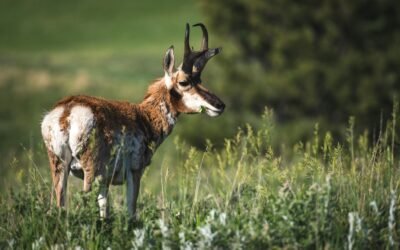
Spring and fall can be rewarding for wildlife watching because temperatures are comfortable and animals may be active around dawn and dusk. Deer, birds, and other wildlife can be seen around parks, trails, river corridors, and regional open spaces.
Best Times for Wildlife
- Early morning and late evening: Often productive times for wildlife activity.
- Spring: Particularly interesting for migrating and nesting birds.
- Fall: Cooler conditions can make longer outdoor wildlife-viewing sessions more comfortable.
Observe wildlife quietly and from a safe distance. Never feed animals or approach them for a photograph.
Wildfire Smoke and Summer Air Quality
Wildfire smoke is not present every summer day, but it can periodically affect visibility and air quality. Montana DEQ monitors smoke impacts and publishes seasonal information. If smoke is heavy, move strenuous outdoor activities indoors or shorten them based on current health guidance.
Road Trips and Seasonal Conditions
Billings is a useful base for regional drives, but road conditions can differ sharply from the weather in the city. High-elevation routes toward the Beartooth area and Yellowstone region can face snow or seasonal restrictions even when Billings itself is dry.
If you are building a long scenic-driving day, verify road status the morning you leave and maintain a backup itinerary. This is especially important in spring and fall.
Your Personal Tolerance for Weather
No climate average matters as much as your own comfort. Someone who dislikes temperatures above 85°F may enjoy September far more than July, while a traveler who hates cold mornings may be happiest in June through August.
Extreme Heat vs. Extreme Cold
If you dislike heat, avoid planning long exposed hikes for July and August afternoons. If snow, ice, and subfreezing temperatures would disrupt your trip, January and February are poor choices and October through April require more flexibility.
Embracing the Outdoors
If outdoor sightseeing is your top priority, choose a month with enough weather margin to recover from one bad day. June and September stand out because they generally provide good outdoor access without depending on peak-summer heat.
If museums, restaurants, galleries, breweries, and local culture matter more than hiking, the travel season can stretch much further into fall, winter, and early spring.
6. Final Thoughts: Making Your Choice
There is no single perfect month for every traveler, but there is a clear pattern. June and September are the strongest all-around choices for many visitors to Billings. July and August offer the fullest summer calendar, while May can be excellent when spring weather cooperates. October is attractive for a cooler, quieter trip but carries a much greater chance of frost or snow.
Winter works best for travelers who actively want a quieter city experience and are comfortable adapting to cold, snow, wind, and changing road conditions.
Weighing the Pros and Cons
- Summer: Long days, broad attraction access, events, and easy outdoor planning, but hotter temperatures and busier weekends.
- Spring: Greener scenery, fewer visitors, and comfortable days when weather cooperates, but snow and fast temperature changes remain possible.
- Fall: Cooler hiking weather, seasonal color, and fewer visitors, with September more reliable than late October.
- Winter: Quiet atmosphere and good indoor options, but cold weather, snow, and road conditions require flexibility.
Choose your dates based on the experience you value most, then check the current Billings forecast, attraction schedules, air quality, road conditions, and event calendar before you leave. That final check is more useful than relying on averages alone.
Frequently Asked Questions
What is the best time to visit Billings, Montana for favorable weather?
June and September are two of the best all-around months. June offers long daylight and generally warm weather, while September is milder than midsummer and usually has cooler nights.
When is peak tourist season in Billings?
Summer, especially June through August, generally brings the greatest concentration of leisure travel, events, family trips, and outdoor recreation. Major events can create particularly busy weekends.
What is the off-peak season in Billings?
Winter is generally the quietest leisure-travel period. Late fall and early spring can also feel calm, although conventions, sporting events, concerts, and other local events can temporarily increase demand.
When should I visit Billings to avoid crowds?
May, September, and early October are good choices if you want usable outdoor weather with fewer visitors than peak summer. Check the local event calendar because a festival or tournament can make an individual weekend much busier.
What is the most cost-effective time to visit Billings?
You may find better lodging value outside peak summer, particularly in spring, late fall, and winter. However, prices are dynamic, so compare your exact dates instead of assuming every off-season stay is cheaper.
Is May a good month to visit Billings?
Yes. May can be excellent for hiking, sightseeing, and a quieter trip as the landscape greens up. Weather is less predictable than June, however, and some seasonal attractions may still have limited schedules early in the month.
Is September a good time to visit Billings?
Yes. September is one of the strongest months for Billings because normal daytime temperatures are milder than July and August, nights are cooler, outdoor activities remain practical, and summer crowds generally begin easing.
Can it snow in Billings in October?
Yes. October is a true transition month in Billings, and snow or freezing temperatures are possible. Pack warmer layers and check the forecast closely if outdoor activities or regional road trips are central to your plans.
Sources
- National Weather Service Billings — Local Climate Data — climate normals, seasonal weather, temperatures, precipitation, and snowfall.
- Bureau of Land Management — Pompeys Pillar National Monument — seasonal opening information and visitor planning.
- Montana Fish, Wildlife & Parks — Pictograph Cave State Park — current park hours and seasonal schedules.
- Montana Fish, Wildlife & Parks — Boating Safety — cold-water immersion, life-jacket, and river-recreation safety guidance.
- Montana Department of Environmental Quality — Air Quality and Smoke — wildfire-smoke monitoring and air-quality guidance.
- Visit Billings — Events Calendar — current festivals, community events, sporting events, and seasonal activities.