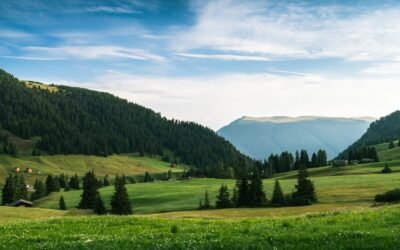
Ayrancı, a district nestled in the charming province of Karaman, Turkey, offers a quiet escape for those looking to experience a less trodden path. If you’re wondering about the “best” time to visit, the simple answer is largely late spring (May to early June) or early autumn (September to October). This period strikes a good balance between pleasant weather, manageable crowds, and reasonable costs. While the summer months (July-August) can be warm and more lively, and winter (December-February) can be cold and serene, the shoulders of the season generally provide the most comfortable and rewarding experience for most visitors.
Ayrancı experiences a continental climate, which means you can expect distinct seasons. Unlike coastal areas, the interior of Turkey, including Karaman, has more pronounced temperature variations throughout the year.
Spring: The Awakening (March – May)
Spring in Ayrancı is a beautiful transformation. After the chill of winter, the landscape awakens with vibrant greenery and blooming wildflowers.
March: Lingering Chill
While technically spring, March can still feel quite wintry. Daytime temperatures are cool, averaging around 5-10°C (41-50°F), and nights can drop below freezing. There’s a higher chance of rain or even late-season snow. If you’re visiting in March, pack warm layers and waterproof gear. You’ll likely encounter very few tourists, which can be a plus for some.
April: Gentle Warmth
April sees a noticeable increase in temperatures, typically ranging from 10-18°C (50-64°F) during the day. The risk of snow diminishes significantly, though occasional rain showers are still common. The air is fresh, and the countryside begins to flourish. It’s a good time for hiking and exploring the natural beauty without the heat of summer.
May: Ideal Conditions
May is arguably one of the best months to visit. Daytime temperatures are comfortably in the 20-25°C (68-77°F) range, and evenings are mild. Rainfall decreases, and the sun shines brightly. This is when the natural beauty of Ayrancı is at its peak, with lush landscapes and blooming flora. It’s excellent for outdoor activities and exploring the historical sites.
Summer: Warm and Vibrant (June – August)
Summer in Ayrancı is characterized by warm to hot days and generally dry conditions. This is the peak season for domestic tourism.
June: Pleasant Warmth
June starts off similar to May, with comfortable warmth. Daytime temperatures are typically 25-30°C (77-86°F), and nights are pleasant. It’s a great time for outdoor activities before the peak heat sets in. You’ll start to see more local visitors during this month.
July: Peak Heat
July is the hottest month, with daytime temperatures often exceeding 30°C (86°F) and sometimes even reaching into the high 30s. The air is dry, and the sun is intense. If you visit in July, plan your outdoor activities for early mornings or late afternoons, and ensure you stay hydrated. While it can be hot, the dryness often makes it feel less oppressive than humid heat. This is a popular time for Turkish families on holiday, so tourist spots might be a bit busier.
August: Sustained Warmth
August continues the summer trend, with similar temperatures to July. The landscapes can start to look a bit parched by this point, especially in the latter half of the month. Again, early morning or late afternoon explorations are recommended. Many local festivals or gatherings might take place during the summer, offering a glimpse into the local culture.
Autumn: Mild and Golden (September – November)
Autumn brings a welcome change from the summer heat, with generally pleasant temperatures and beautiful, colorful foliage.
September: Autumn’s Gentle Start
September is another fantastic month to visit. The intense summer heat starts to recede, with daytime temperatures settling back into the 20-25°C (68-77°F) range. The air is crisp, and the crowds begin to thin out. It’s still ideal for outdoor activities, and the changing colors of the leaves add a scenic charm.
October: Crisp and Beautiful
October offers cool and refreshing days, typically between 15-20°C (59-68°F). Nights become cooler, so you’ll want to pack layers. The autumn foliage is often at its most vibrant during this month, making it a very picturesque time for photography and nature walks. Fewer tourists mean a more tranquil experience.
November: Winter Approaches
By November, the weather cools considerably, with daytime temperatures ranging from 5-10°C (41-50°F). The risk of rain increases, and the first dusting of snow on higher elevations might be seen towards the end of the month. While still offering a quiet charm for those who enjoy crisp, cool weather, outdoor activities will require warmer clothing.
Winter: Serene and Chilly (December – February)
Winter in Ayrancı is cold, often snowy, and very quiet. This is the off-season for tourism.
December: Festive Chill
December brings genuinely cold weather, with daytime temperatures often hovering around freezing (0-5°C, 32-41°F). Snowfall is common, transforming the landscape into a serene winter wonderland. Nights can be very cold, often dropping well below freezing. If you enjoy quiet, snowy landscapes and don’t mind the cold, this can be a beautiful time to visit, especially for experiencing local winter traditions.
January: Deepest Winter
January is typically the coldest month. Daytime temperatures often stay below 5°C (41°F), and heavy snowfall is possible. Many small businesses might have reduced hours. It’s a time for cozying up indoors, enjoying warm Turkish tea, or venturing out for snowy walks if properly dressed.
February: Gradual Thaw
February starts to see a gradual increase in daylight and a slight easing of the extreme cold, though temperatures remain low (around 0-7°C, 32-45°F). Snow can still be prevalent, but there’s a sense of anticipation for spring. You’ll find the fewest fellow travelers during these deep winter months.
Crowds: Navigating Visitor Numbers
Ayrancı isn’t a major tourist hotspot, so you won’t encounter overwhelming crowds like in Istanbul or Cappadocia. However, visitor numbers still fluctuate throughout the year.
Peak Season (July – August)
During the summer months, especially July and August, you’ll find the most visitors. This is primarily due to domestic tourism, as Turkish families often travel during school holidays. While “crowded” is a relative term here, you might find accommodation a bit more booked, and popular local eateries have more patrons. Local attractions, though not extensively developed, will have more activity.
Shoulder Seasons (May-June & September-October)
These are ideal times if you prefer fewer people. The “shoulder seasons” offer the best balance of good weather and manageable visitor numbers. You’ll find a relaxed atmosphere, easier access to local services, and more personalized interactions with residents.
Off-Season (November – April)
The winter months are the quietest. If you’re looking for solitude, this is the time. You’ll have historical sites largely to yourself, and the local community often unwinds. However, some smaller, seasonal businesses might be closed, and transportation options could be more limited, especially during heavy snowfalls.
Costs: Budgeting Your Ayrancı Adventure
Ayrancı, being a less-touristed district, is generally quite affordable compared to Turkey’s more famous destinations.
Accommodation
Prices for accommodation are often lowest during the off-season (winter) and highest during the peak summer months, though the difference might not be as dramatic as in coastal resorts.
Budget
Expect to find budget options (guesthouses, small hotels) for around 200-400 TL per night outside of peak season. During summer, this might rise slightly to 300-500 TL. These will be basic but clean and comfortable.
Mid-Range
Mid-range hotels or more comfortable guesthouses can range from 400-800 TL, offering more amenities like en-suite bathrooms, breakfast, and sometimes air conditioning.
Luxury
“Luxury” in Ayrancı is a relative term. You won’t find five-star resorts. The highest tier of accommodation might be a well-appointed boutique hotel or a larger, modern hotel in Karaman city that serves the wider region, perhaps costing 800+ TL.
Food
Food is generally very affordable and delicious. Local eateries serve traditional Turkish dishes at very reasonable prices.
Local Restaurants (Lokanta/Esnaf Lokantası)
A full, satisfying meal at a local restaurant can cost as little as 50-100 TL per person, including a soup, main course, and bread. These are excellent places to try authentic regional cuisine.
Cafes and Bakeries
Snacks like simit (sesame bread rings), pastries, and Turkish tea are incredibly cheap, often just a few lira.
Transportation
Public transportation within Ayrancı itself is limited, as it’s a small district. Most travel will be by shared taxi (dolmuş) or private vehicle.
Dolmuş/Shared Taxis
If available, short dolmuş rides within the central areas are very inexpensive, usually under 20 TL. For longer routes connecting to nearby towns or Karaman city, prices will be higher but still very reasonable (e.g., 50-100 TL for a longer journey).
Car Rental
Renting a car from Karaman city or a larger airport (like Konya) might be the most practical option for exploring the surrounding areas at your own pace. Daily rates can vary greatly but expect around 500-1000 TL per day, depending on the car type and rental company. Fuel costs are also a factor to consider.
Activities and Events: What to Expect Each Season
The kind of activities you can enjoy in Ayrancı varies with the season. Understanding this can help you pick the best time for your interests.
Spring: Outdoor Exploration and Nature
Spring is perfect for hiking, nature walks, and exploring the historic sites like the Canhasan Höyüğü (Canhasan Mound) without the summer heat. The countryside is green and vibrant, offering beautiful photographic opportunities. This is also a good time to witness local agricultural activities beginning.
Summer: Local Festivals and Warm Evenings
While hot for extensive daytime exploration, summer is when local festivals (şenlikler) might take place, offering insights into local culture, music, and food. Evenings are warm and pleasant, ideal for outdoor dining or simply enjoying a leisurely stroll. Visits to nearby cooler mountain regions could be an option if you have a car.
Autumn: Cultural Discovery and Harvest
Autumn is excellent for cultural exploration, visiting historical ruins, and enjoying the changing colors of the landscape. It’s also harvest season for some crops, and you might see local villagers preparing for winter. The mild weather makes it comfortable for extended walks and photography.
Winter: Serenity and Local Life
Winter in Ayrancı is a time for quiet reflection. If you appreciate serene, snow-covered landscapes, it’s beautiful. It’s a great time to engage with local life, perhaps over a warm glass of tea by a roaring fire, or to visit a local hammam (Turkish bath). Outdoor activities are limited to those comfortable with cold weather and snow.
Practical Tips for Your Visit
| Month | Weather | Crowds | Costs |
|---|---|---|---|
| April | Mild temperatures, occasional rain | Low | Medium |
| May | Warm temperatures, low chance of rain | Low to moderate | Medium |
| June | Hot temperatures, low chance of rain | Moderate | High |
| September | Warm temperatures, low chance of rain | Low to moderate | Medium |
| October | Mild temperatures, occasional rain | Low | Low to medium |
Regardless of when you decide to go, a few practical tips can make your trip smoother.
Packing Smart
- Layers are key: Due to the continental climate, temperatures can fluctuate even within a day, especially in spring and autumn.
- Comfortable walking shoes: Essential for exploring historical sites and natural landscapes.
- Sun protection: Sunscreen, a hat, and sunglasses are vital, particularly from April to October.
- Rain gear: A light rain jacket or umbrella is advisable for spring and autumn.
- Warm clothing: If visiting in winter, bring serious winter gear – coats, hats, gloves, and waterproof boots.
Transportation Around Ayrancı
Public transport is limited. Consider renting a car if you want to explore beyond the immediate district center or rely on local taxis for shorter distances. Dolmuş (shared minibuses) connect Ayrancı to Karaman city on a published schedule, but frequencies might be limited.
Language and Local Etiquette
While some people, especially younger generations, might speak a basic level of English, it’s not widely common. Learning a few basic Turkish phrases (hello, thank you, please, pardon me) will go a long way and be greatly appreciated by the locals. Ayrancı is a conservative area, so dressing modestly, especially when visiting mosques or religious sites, is respectful.
In conclusion, the ‘best’ time to visit Ayrancı truly depends on your priorities. For most, late spring or early autumn offers the perfect blend of pleasant weather, fewer visitors, and good value. However, if you’re keen to experience local summer festivities or serene winter landscapes, each season has its unique charm. With a little planning, Ayrancı promises an authentic and enriching Turkish experience away from the bustling tourist trails.
FAQs
1. What is the best time to visit Ayrancı, Karaman for favorable weather?
The best time to visit Ayrancı, Karaman for favorable weather is during the spring and autumn months, specifically from April to June and September to November. During these times, the weather is mild and pleasant, making it ideal for outdoor activities and sightseeing.
2. When is the peak tourist season in Ayrancı, Karaman?
The peak tourist season in Ayrancı, Karaman is during the summer months, from July to August. During this time, the town experiences an influx of tourists, resulting in crowded attractions and higher accommodation costs.
3. What is the off-peak season in Ayrancı, Karaman?
The off-peak season in Ayrancı, Karaman is during the winter months, from December to February. During this time, the town experiences fewer tourists, making it a quieter and more affordable time to visit.
4. What are the average costs of visiting Ayrancı, Karaman during the peak tourist season?
During the peak tourist season, the average costs of visiting Ayrancı, Karaman, including accommodation, dining, and activities, tend to be higher compared to the off-peak season. It is advisable to book accommodations and activities in advance to secure better rates.
5. Are there any annual events or festivals in Ayrancı, Karaman that visitors should consider when planning their trip?
Ayrancı, Karaman hosts several annual events and festivals, such as the Ayrancı Honey Festival in July and the Ayrancı Culture and Art Festival in August. Visitors may want to consider these events when planning their trip to experience the local culture and traditions.