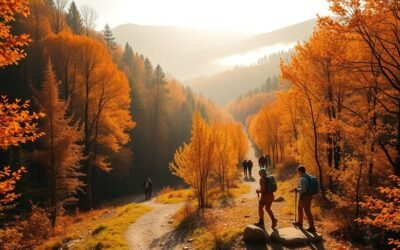
Thinking about a trip to Bismarck, North Dakota? For most visitors, the best time depends on whether you value mild weather, full seasonal attractions, fewer people, or lower travel costs. Late May through June and September usually offer the strongest overall balance, while July and August are better if warm-weather activities are your top priority.
Quick Answer
The best time to visit Bismarck, North Dakota, is usually late May through June or September. These periods combine comfortable temperatures with good access to outdoor attractions. July and August are warmer and lively, while winter offers a quieter experience but brings freezing temperatures, wind chill, snow, and possible travel disruption.
Key Takeaways
- Best overall: Late May through June and September offer a useful balance of mild weather and outdoor activities.
- Best for full summer attractions: June through August, especially for river activities, parks, the zoo, and seasonal historical tours.
- Best for fewer leisure visitors: April-May and September-October, although weather becomes less predictable near the edges of these periods.
- Best for winter travelers: December-February can be quiet, but extreme cold, wind chill, snow, and icy roads can affect plans.
- Best single month for many visitors: September, with a normal high around 73°F and cooler nights.
For information about the people behind this site’s travel content, see About Us and Meet Our Team.
1. Bismarck Weather by Season
Bismarck has four distinct seasons and large temperature swings during the year. According to NOAA’s 1991-2020 climate normals for Bismarck, average daily highs range from about 23°F in January to nearly 85°F in July.
Bismarck’s climate changes sharply with the seasons: the normal July high is about 84.7°F, while the normal January low is about 2.4°F.
| Period | Typical Weather | Best For | Main Trade-Off |
|---|---|---|---|
| April-May | Cool to mild, with fast-changing conditions | Museums, trails, quieter sightseeing | Cold snaps, rain, wind, and occasional late snow are possible |
| June-August | Warm to hot | River activities, parks, zoo visits, historical attractions | Heat, thunderstorms, and stronger leisure demand |
| September | Warm days and cool nights | Walking, hiking, scenic drives | Some summer-only attractions begin reducing operations |
| October | Cool, increasingly chilly | Fall scenery and indoor attractions | Freezing nights and early-season snow become possible |
| November-March | Cold to very cold | Museums, quiet city breaks, winter recreation when conditions allow | Wind chill, snow, ice, shorter daylight, and travel disruption |
1.1 Spring in Bismarck: April and May
Spring is a transition season, so flexibility matters. April’s 1991-2020 normal high is about 56°F, with a normal low near 30°F. In May, the normal high climbs to about 68°F and the normal low to about 42°F.
- April: Expect a mixture of chilly mornings, mild afternoons, wind, rain, and occasional wintry weather. Layers are more useful than relying on one heavy coat.
- May: Outdoor sightseeing becomes more comfortable, vegetation greens up, and warmer afternoons become much more common.
Late May is especially useful if you want spring temperatures while also gaining access to more seasonal attractions.
1.2 Summer in Bismarck: June Through August
Summer provides Bismarck’s most consistently warm weather and the broadest range of outdoor activities.
- June: The normal high is about 78°F and the normal low about 53°F. Long daylight hours make it a strong month for hiking, parks, and sightseeing.
- July: This is normally the hottest month, with an average high near 85°F and low near 58°F. Days above 90°F occur, so plan strenuous activities for cooler parts of the day when necessary.
- August: Conditions remain warm, with a normal high around 84°F and low around 56°F.
Warning: Warm weather does not mean hazard-free weather. The National Weather Service identifies severe thunderstorms, damaging wind, large hail, lightning, tornadoes, flash flooding, extreme heat, and fire weather as potential warm-season hazards in North Dakota. Check the forecast and active alerts before boating, hiking, camping, or spending a full day outdoors.
1.3 Fall in Bismarck: September and October
Fall is one of the strongest periods for travelers who prefer comfortable daytime temperatures and cooler evenings.
- September: The normal high is about 73°F and the normal low about 46°F. For many visitors, this is Bismarck’s best all-around month for walking, hiking, and sightseeing.
- October: The normal high falls to about 57°F and the normal low to about 33°F. Frost and freezing nights become much more likely as the month progresses.
Fall color can add to the scenery, particularly around wooded river areas and the Capitol grounds, but peak color changes from year to year depending on temperature, wind, moisture, and the timing of freezes.
1.4 Winter in Bismarck: November Through March
Winter is genuinely cold, but conditions vary from year to year. NOAA climate normals show January as the coldest month, with a normal high near 23°F and normal low around 2°F. February’s normal high is around 28°F, while March warms to a normal high near 41°F even though cold snaps and snow remain possible.
- November: The normal high is about 41°F and low about 19°F, making it a transition into sustained winter conditions.
- December-February: Freezing temperatures, snow, wind, and dangerous wind chills can affect outdoor plans and road travel.
- March: Daytime temperatures begin rising, but conditions remain highly variable. A mild afternoon can be followed by another winter system.
Bismarck’s normal annual snowfall is about 50.5 inches, but annual totals can vary considerably. Snow depth, road conditions, and storm frequency should therefore be checked for your actual travel dates rather than assumed from the calendar.
Note: Before a winter trip, check the National Weather Service Bismarck winter briefing and current road conditions. Wind can make the temperature feel far colder than the thermometer reading.
2. When Bismarck Is Busiest
Bismarck is not a mass-tourism destination, so its busiest periods generally feel different from peak seasons in major resort cities. Still, summer brings more family travel, outdoor events, river recreation, and seasonal attraction availability.
2.1 June Through August: Most Seasonal Activity
June through August gives visitors the broadest choice of warm-weather experiences.
- North Dakota Heritage Center & State Museum: This major indoor attraction operates year-round, making it useful in every season.
- Fort Abraham Lincoln State Park: Hiking is available beyond summer, but major interpretive experiences and tours have seasonal schedules. In 2026, the main tour season runs from Memorial Day weekend through Labor Day.
- Lewis & Clark Riverboat: Public cruises are seasonal. The 2026 public-cruise season began over Memorial Day weekend, with schedules subject to weather and operational changes.
- Dakota Zoo: The zoo has longer summer hours and reduced winter operations, so warm-weather visitors have more flexibility.
- Markets and events: BisMarket operates Saturdays from June through October, weather permitting.
Even in summer, crowds are usually manageable compared with famous national tourism hubs. Specific festivals, conventions, sporting events, and holiday weekends can create short-term spikes in hotel demand.
2.2 Late Spring and Early Fall: More Space With Good Weather
Late May through early June and September into early October are useful shoulder periods when you want good sightseeing conditions without centering your trip on the hottest part of summer.
- Late May/Early June: Temperatures are warming, days are long, and seasonal attractions begin opening.
- September: Warm days remain common while nights become cooler. This is often the easiest month to recommend to travelers who have no specific seasonal priority.
- Early October: Good for cool-weather sightseeing, but freezing nights and reduced seasonal operations become more likely.
2.3 Winter: The Quietest Leisure-Travel Period
November through March generally provides a quieter tourism experience. It works best for travelers interested in museums, restaurants, local culture, and winter recreation who are also prepared for severe cold.
The North Dakota Heritage Center & State Museum is particularly valuable in winter because its galleries provide an extensive indoor introduction to the state’s natural and cultural history.
3. Travel Costs by Season
Travel costs deserve more nuance than simply calling one season “cheap” and another “expensive.” Hotel, airfare, and rental-car prices can change because of holidays, conventions, local events, airline inventory, weather disruptions, and how far in advance you book.
3.1 Summer Costs
Summer can experience stronger leisure demand because more attractions and outdoor activities are available. That can reduce hotel availability around popular weekends, but it does not mean every June-August date will automatically be the most expensive.
- Hotels: Compare ordinary weekdays with festival, convention, and holiday dates.
- Flights: Search your exact travel dates rather than assuming a predictable seasonal fare pattern.
- Rental cars: Rates can change quickly with fleet availability and event demand.
- Activities: Many parks and walking routes cost little or nothing, while seasonal tours and attractions have separate admission charges.
3.2 Shoulder-Season Value
Late spring and early fall can provide strong value because you may still get comfortable sightseeing weather without competing with every summer leisure traveler. However, savings are not guaranteed.
Pro Tip: Compare at least two nearby sets of dates before booking. In a city such as Bismarck, a convention or major local event can affect hotel prices more than the difference between two neighboring months.
3.3 Winter Costs
Winter can have more hotel availability during quiet periods, but airfare and rental-car prices are not guaranteed to be lowest. Holiday travel, limited flight inventory, and winter disruptions can all affect your total cost.
One genuine budget advantage is that several worthwhile attractions are inexpensive or free. The North Dakota Heritage Center & State Museum, for example, offers free general admission.
4. Best Things to Do by Season
4.1 Spring: Trails, History, and Indoor Backup Plans
Spring works well if you can switch between outdoor and indoor plans as weather changes.
- Hiking and biking: Explore Bismarck-Mandan multi-use trails or the trail network at Fort Abraham Lincoln once surfaces are suitable.
- Bird watching: River corridors, prairie habitats, and Fort Abraham Lincoln trails can be productive as migration and spring activity increase.
- Museums and galleries: The North Dakota Heritage Center & State Museum and Bismarck Art & Galleries Association are useful options on windy or rainy days.
- Fishing: Spring can be productive, but review current North Dakota fishing regulations, licensing requirements, water conditions, and access information before going.
4.2 Summer: River Activities and Seasonal Attractions
Summer provides the widest variety of outdoor experiences.
- Missouri River: Boating, paddling, fishing, and riverfront recreation are popular in warm weather. Check wind and thunderstorm forecasts before launching.
- Lewis & Clark Riverboat: A seasonal river cruise offers a different perspective on the Missouri River. Advance booking can be useful on popular dates.
- Fort Abraham Lincoln State Park: Explore trails, reconstructed earthlodges at On-A-Slant Village, military history, and seasonal interpretive programs.
- Sertoma Park: The verified 352-acre park has playgrounds, a paved shared-use loop, Missouri River access, picnic areas, and connections to the Riverfront Trail.
- Dakota Zoo: Located beside Sertoma Park, the zoo operates its longest schedule during the warmer part of the year.
- North Dakota State Capitol grounds: Walk the Capitol Grounds Arboretum Trail, which passes dozens of identified tree and shrub species as well as monuments and state buildings.
- Farmers markets: BisMarket operates Saturdays from June through October, weather permitting.
- Golf: Warm weather provides the most predictable conditions for Bismarck-area courses.
4.3 Fall: Scenic Walks and Cooler Outdoor Days
September and early October are excellent for travelers who enjoy being outside but prefer to avoid peak summer heat.
- Capitol Arboretum Trail: The mix of trees, monuments, lawns, and architecture makes this an easy place to look for seasonal color.
- Fort Abraham Lincoln trails: Cooler temperatures are comfortable for hiking, although seasonal tours may finish around Labor Day.
- Scenic driving: Wooded areas around the Missouri River can develop fall color, although timing varies annually.
- Local galleries, breweries, restaurants, and coffee shops: These provide easy backup options when temperatures turn chilly.
4.4 Winter: Indoor Attractions and Cold-Weather Recreation
Winter changes the character of a Bismarck visit. The city becomes better suited to travelers who enjoy indoor attractions or are deliberately seeking cold-weather recreation.
- North Dakota Heritage Center & State Museum: Its four main galleries make it one of the most dependable winter attractions.
- Snowshoeing: Fort Abraham Lincoln lists several trails as open to snowshoeing when conditions are suitable.
- Ice skating: Check current local rink schedules and weather conditions.
- Ice fishing: Use current North Dakota Game and Fish fishing-water information rather than assuming a particular lake or section of river is safe.
- Local dining and galleries: Downtown restaurants, cafes, and art spaces provide useful indoor options during very cold periods.
- Holiday activities: December can bring seasonal events and light displays, but schedules vary each year.
Warning: Never judge ice safety by appearance alone. North Dakota Game and Fish warns that ice thickness can vary across the same body of water, especially around currents, structures, vegetation, and other irregularities. Review current North Dakota ice-safety guidance before stepping onto frozen water.
5. Final Thoughts: Choosing the Best Time for Your Bismarck Trip
The best time to visit Bismarck depends on what you want to do, but a few periods stand out clearly.
5.1 Best for Outdoor Activities and Families
June through August is the easiest period for travelers whose plans depend on river recreation, long daylight hours, the zoo, parks, seasonal historical tours, and warm-weather events.
The trade-off is hotter weather, possible severe thunderstorms, and stronger demand around popular summer dates.
5.2 Best for Comfortable Sightseeing
Late May through June and September offer the strongest overall balance. Days are generally comfortable enough for walking and outdoor attractions without relying on the hottest weeks of summer.
5.3 Best Single Month: September
If you want one simple recommendation, September is an excellent choice. NOAA normals show an average high of about 73°F and an average low near 46°F. Summer’s hottest weather has usually eased, yet conditions are still suitable for many outdoor activities.
The main limitation is that some summer-only tours or attractions may reduce operations after Labor Day, so check individual schedules before finalizing your itinerary.
5.4 Best for Budget-Minded Travelers
Rather than choosing a month solely because it is supposedly the “cheapest,” compare several sets of travel dates in late spring, fall, and winter. Hotel demand can change sharply around local events, and flight prices do not always follow the same seasonal pattern as lodging.
5.5 What to Pack
- Spring: Layers, a light waterproof jacket, closed-toe walking shoes, and an extra warm layer for cold mornings.
- Summer: Lightweight clothing, sun protection, comfortable walking shoes, water, and a light layer for cooler evenings or indoor air conditioning.
- Fall: Layers, a medium jacket, and warmer clothing if visiting in October.
- Winter: An insulated coat, hat, gloves, warm footwear, and layers suitable for subfreezing temperatures and wind chill.
No matter when you visit, check the National Weather Service Bismarck forecast shortly before departure and again before weather-sensitive outdoor activities. Seasonal schedules can also change, so confirm hours directly with attractions before making a special trip.
Frequently Asked Questions
What is the best time to visit Bismarck, North Dakota?
Late May through June and September generally provide the best balance of comfortable weather and outdoor sightseeing. July and August are better if you want the fullest selection of warm-weather attractions and do not mind hotter afternoons.
What is the best month to visit Bismarck?
September is one of the strongest choices for a general sightseeing trip. The 1991-2020 climate normals show an average high near 73°F and low near 46°F, providing comfortable conditions for many outdoor activities.
When is peak tourist season in Bismarck?
June through August generally has the most leisure activity because schools are out, outdoor recreation is easier, and seasonal attractions operate their fullest schedules. Bismarck usually remains less crowded than major resort destinations.
What is the off-season in Bismarck?
Winter, especially December through February, is the quietest period for leisure tourism. Many indoor attractions remain available, but extreme cold, wind chill, snow, icy roads, and reduced outdoor attraction schedules can affect a trip.
When can visitors find the best travel deals in Bismarck?
There is no guaranteed cheapest month. Late spring, fall, and quiet winter dates can offer good value, but hotel and flight prices depend on local events, holidays, inventory, and booking timing. Compare several nearby dates before reserving.
What are Bismarck’s shoulder seasons?
April through May and September through October are practical shoulder periods. Late May and September are especially attractive because they tend to offer better outdoor conditions than the colder edges of spring and fall.
Is Bismarck too hot in summer?
Usually not, but hot spells do occur. July has a normal high around 85°F, and temperatures can exceed 90°F. Morning and evening are better for strenuous activities during hotter periods, and visitors should monitor severe-weather and heat alerts.
Is Bismarck worth visiting in winter?
Yes, if you are comfortable with severe cold and flexible travel plans. Museums, galleries, dining, and some winter recreation remain available, but wind chill, snow, ice, and possible road or flight disruptions make winter less suitable for travelers seeking an easy outdoor sightseeing trip.
Sources
- NOAA National Centers for Environmental Information — Bismarck 1991-2020 Climate Normals — monthly normal temperatures and climate data.
- National Weather Service Bismarck Climate Information — local temperature, precipitation, snowfall, and climate records.
- North Dakota Parks and Recreation — Fort Abraham Lincoln State Park — trails, historical attractions, tours, and seasonal operations.
- State Historical Society of North Dakota — North Dakota Heritage Center & State Museum — museum hours, exhibits, and visitor information.
- North Dakota Game and Fish — Ice Safety — official guidance for evaluating frozen-water conditions.
- Bismarck Parks and Recreation — Sertoma Park — verified park features, trails, river access, and recreation information.