Planning a trip to Manchester, New Hampshire requires balancing New England’s distinct seasonal shifts with your vacation budget, crowd tolerance, and travel interests. As New Hampshire’s largest city, the “Queen City” combines rich industrial heritage along the Merrimack River with a burgeoning arts scene, minor league sports, and convenient access to regional destinations. Each season delivers a completely different experience, ranging from warm summer festivals and vibrant autumn foliage to quiet, budget-friendly winter escapes.
Quick Answer
The best time to visit Manchester, NH is from June through October. Summer (June–August) offers pleasant 80°F (27°C) weather, bustling outdoor dining on Elm Street, and vibrant riverfront events. Autumn (September–October) provides world-famous fall foliage and crisp weather. For budget travelers and crowd-free museum visits, April to May and November offer the best hotel value.
Key Takeaways
- Peak Foliage: Early to mid-October brings brilliant red and gold autumn leaves across city parks and the Merrimack Valley.
- Tax-Free Shopping: New Hampshire has 0% state sales tax on shopping, clothing, and general goods, making retail trips especially cost-effective.
- Budget Season: January through March features the lowest hotel rates of the year, ideal for indoor cultural exploration.
- Cultural Highlights: The Currier Museum of Art is home to two Frank Lloyd Wright-designed homes open for guided tours.
Seasonal Weather & Climate in Manchester, NH
Manchester experiences a classic humid continental four-season climate monitored by the National Weather Service. Understanding these weather cycles ensures accurate packing and smooth itinerary planning throughout the year.
Summer in the Queen City (June – August)
Summers in Manchester are warm, energetic, and ideal for outdoor recreation along the Merrimack River.
- Temperatures: Daily average highs range from the mid-70s to mid-80s Fahrenheit (24–29°C). Occasional heatwaves push afternoon temperatures above 90°F (32°C), but evenings generally cool down comfortably into the low 60s Fahrenheit (16–18°C).
- Humidity & Rain: Humidity peaks during July and August. Afternoon thunderstorms can roll through quickly, bringing brief but intense showers.
- What to Pack: Breathable summer clothing, walking shorts, t-shirts, sun protection, and a light sweater or windbreaker for air-conditioned venues and riverside walks after dusk.
Autumn’s Foliage & Crisp Air (September – November)
Fall is widely considered the most picturesque season in southern New Hampshire. Crisp air, blue skies, and changing leaves create stunning urban and park landscapes.
- Temperatures: September remains mild with highs in the low 70s Fahrenheit (21–23°C). October brings a refreshing crispness with highs in the upper 50s and low 60s Fahrenheit (14–17°C). By November, daytime temperatures drop into the 40s Fahrenheit (4–9°C) with frequent overnight freezes.
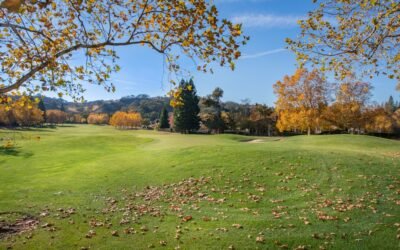
- Foliage Timing: Fall colors across Manchester and Hillsborough County typically peak between October 5 and October 20, depending on seasonal temperature variations.
- What to Pack: Warm layers, including flannel shirts, fleece jackets, wool sweaters, denim, and sturdy walking shoes or leather boots for park trails.
“Peak autumn foliage in Manchester generally arrives in the first two weeks of October, turning historic brick mill yards and riverside trails into vibrant displays of red, amber, and gold.”
Winter’s Snow & Quiet Charm (December – February)
Winter in Manchester is cold, snowy, and peaceful. It offers a relaxed atmosphere for visitors interested in arts, indoor dining, and regional winter sports.
- Temperatures: Average daily highs hover in the low-to-mid 30s Fahrenheit (-1 to 3°C), with overnight lows routinely dipping into the teens and single digits Fahrenheit (-12 to -7°C). Sub-zero wind chills are common during cold fronts.
- Snowfall: Manchester receives an average of 50 to 60 inches of snow annually. City road crews clear major thoroughfares quickly, making navigation straightforward between storms.
- What to Pack: Heavy winter outerwear, including a down or waterproof parka, thermal base layers, insulated waterproof boots with slip-resistant treads, a knit beanie, and insulated gloves.
Spring Thaw & Greenery (March – May)
Spring is a refreshing transitional period as the city shakes off winter snow and outdoor patios reopen along Elm Street.
- Temperatures: March remains chilly with highs in the mid-40s Fahrenheit (7–9°C). April warms to the upper 50s Fahrenheit (13–15°C), and May delivers comfortable late-spring warmth with highs reaching the upper 60s and low 70s Fahrenheit (20–23°C).
- Conditions: Melting snow and seasonal spring rains mean damp streets and muddy trails, especially in April. May brings blooming lilacs and green park canopies.
- What to Pack: Raincoats, compact umbrellas, water-resistant footwear, and medium-weight jackets that can be layered over lighter clothing.
Navigating Manchester’s Crowds: Finding the Right Balance
While Manchester does not experience the intense tourist congestion seen in coastal towns or northern ski resorts, seasonal visitor volume still influences restaurant availability and hotel rates.
Peak Season: Summer and Foliage Weekends
Visitor traffic peaks between late June and August, driven by family vacations, summer baseball games, and outdoor concerts. A second distinct spike occurs during October weekends when regional “leaf peepers” travel through southern New Hampshire. During these times, make dinner reservations in advance and expect lively foot traffic along Elm Street.
Pro Tip: If visiting during peak October foliage, explore the Millyard and city parks on weekday mornings. You will enjoy unobstructed river views and open photography spots before weekend road-trippers arrive.
Shoulder Seasons: Late Spring and Late Autumn
Late April through May and late October through November represent the sweet spot for travelers who value moderate weather and uncrowded attractions. Museums, historic sites, and local dining spots operate without lines, and parking downtown is convenient.
Off-Season: Winter Months
From January through March (excluding holiday weeks), Manchester settles into its quietest rhythm. This period provides an unhurried urban retreat with empty museum galleries, easy table availability at premier restaurants, and substantial savings on lodging.
Manchester Seasonal Overview: Weather, Crowds, and Costs
Here is how Manchester’s climate, tourism volume, and travel expenses compare throughout the year:
| Season / Month | Average High / Low | Crowd Level | Lodging Cost | Primary Appeal |
|---|---|---|---|---|
| Winter (Jan–Feb) | 33°F / 14°F (1°C / -10°C) | Low | $ (Lowest) | Art museums, theater, winter dining |
| Spring (Apr–May) | 62°F / 39°F (17°C / 4°C) | Moderate-Low | $$ (Moderate) | Spring blooms, Taco Tour, mild hikes |
| Summer (Jun–Aug) | 82°F / 59°F (28°C / 15°C) | High | $$$ (Peak) | Baseball games, patio dining, festivals |
| Fall (Sep–Oct) | 66°F / 44°F (19°C / 7°C) | High (Weekends) | $$$ (Peak) | Foliage viewing, apple picking, crisp air |
Budgeting Your Manchester Trip: Realistic Cost Breakdown

Manchester remains one of the most accessible and affordable urban travel bases in New England. Travelers benefit substantially from New Hampshire’s favorable tax structure, keeping out-of-pocket expenses lower than in nearby Boston or coastal Maine.
New Hampshire Tax Advantage: The State of New Hampshire levies 0% general sales tax on shopping, clothing, and retail merchandise. A state Meals and Rooms (Rentals) Tax of 8.5% applies only to prepared restaurant dining, car rentals, and hotel stays.
Accommodation Expenses
- Budget Hotels & Motels: Clean, reliable chain properties located near South Willow Street or Interstate 293 typically cost $85 to $130 per night.
- Mid-Scale & Full-Service Hotels: Central downtown properties like the DoubleTree by Hilton or Hilton Garden Inn generally range from $140 to $230 per night during standard seasons, increasing during peak foliage weekends.
- Extended Stays: Properties near Manchester-Boston Regional Airport (MHT) offer practical multi-room suites with kitchenettes for $120 to $175 per night.
Dining & Food Costs
- Casual Dining & Breakfast: Morning fare at classic spots like the historic Red Arrow Diner or local bakeries runs $10 to $18 per person.
- Mid-Tier Casual Dinners: Standard sit-down meals at Elm Street bistros, craft brewpubs, or wood-fired pizza houses average $25 to $45 per person with a beverage.
- Fine Dining: Multi-course dinners at upscale establishments such as The Crown Tavern, Cotton Restaurant, or The Foundry typically range from $55 to $95 per person.
Transportation & Parking
- Airport Access: Manchester-Boston Regional Airport (MHT) offers convenient commercial flights directly into the city, bypassing the congestion of Boston Logan.
- Downtown Parking: On-street metered parking along Elm Street operates Monday through Friday (typically $1.00/hour with easy mobile pay apps). Municipal parking garages provide covered spots for $10 to $15 per full day.
- Public Transit: The Manchester Transit Authority (MTA) operates local bus routes across major avenues with single fares costing under $2.00.
Top Attractions & Things to Do in Manchester, NH

Manchester successfully bridges its nineteenth-century manufacturing roots with contemporary art, theater, and sports.
The Historic Amoskeag Millyard & Millyard Museum
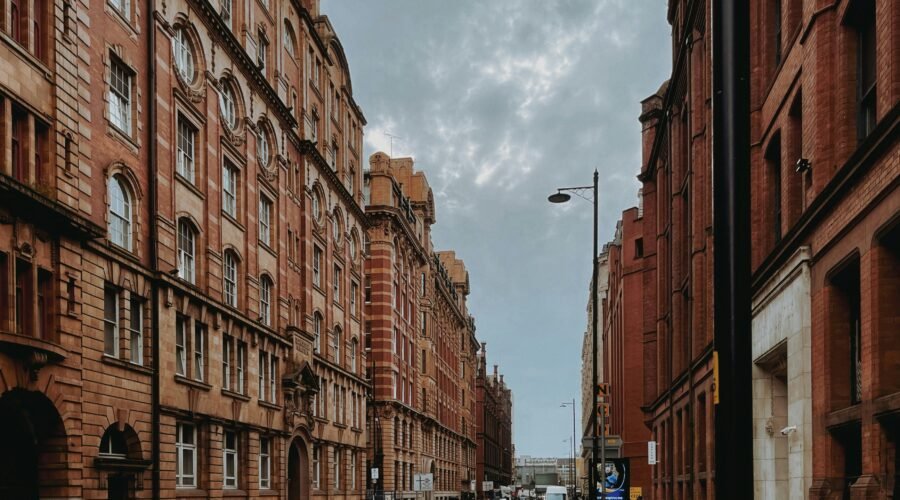
Once home to the largest textile manufacturing complex in the world, the Amoskeag Millyard features colossal red-brick architectural facades along the Merrimack River. Today, these historic mills house technology incubators, universities, lofts, and restaurants. Inside Mill No. 3, the Millyard Museum (operated by the Manchester Historic Association) details thousands of years of regional history, from Native American settlements at Amoskeag Falls to the Industrial Revolution.
Currier Museum of Art & Frank Lloyd Wright Houses
The Currier Museum of Art is an internationally recognized institution featuring permanent collections of European and American masterworks by Monet, Picasso, O’Keeffe, and Andrew Wyeth. Notably, the Currier owns and operates two rare Usonian homes designed by legendary architect Frank Lloyd Wright:
- The Zimmerman House (1950): A meticulously preserved Usonian home complete with Wright-designed furniture, built-in textiles, and tailored gardens.
- The Kalil House (1955): One of only seven Usonian Automatic houses constructed from custom concrete blocks.
Tour Requirement: Frank Lloyd Wright home tours depart via shuttle from the Currier Museum. Space is strictly limited, requiring advance reservations through the museum’s official booking calendar several weeks ahead.
Live Entertainment, Sports, and Performing Arts
- Minor League Baseball at Delta Dental Stadium: Catch the New Hampshire Fisher Cats (Double-A affiliate of the Toronto Blue Jays) playing right alongside the Merrimack River on summer evenings.
- The Palace Theatre: Located in downtown Manchester, this historic 1915 performing arts venue hosts Broadway national tours, professional regional musicals, and stand-up comedy.
- SNHU Arena: A major downtown venue hosting professional ice hockey, arena concerts, and family entertainment events.
Parks, Trails, and Outdoor Recreation
- Livingston Park: Features the scenic Dorrs Pond walking loop, shaded wooded trails, playgrounds, and winter ice skating.
- Massabesic Lake: Located on the city’s eastern edge, offering miles of gravel biking trails, trail running, and seasonal kayak rentals along protected reservoir waters.
- Stark Park: A stately, tree-shaded park on the North End honoring Revolutionary War General John Stark, offering scenic overlook views of the Merrimack River.
Where to Stay in Manchester: Recommended Districts
Choosing the right lodging depends on your preferred balance between walkable nightlife and budget efficiency.
Downtown Elm Street: Best for Walkability
Staying in the central district allows you to walk to dozens of restaurants, coffee shops, the Palace Theatre, and Delta Dental Stadium without needing to drive.
- DoubleTree by Hilton Manchester Downtown: The flagship downtown hotel, featuring on-site dining, an indoor pool, and an ideal location right on Elm Street.
- Hilton Garden Inn Manchester Downtown: Overlooks the baseball field at Delta Dental Stadium, offering unique stadium-view patio rooms and easy riverwalk access.
- Residence Inn by Marriott Downtown: Convenient all-suite option offering complimentary breakfast within walking distance of central cultural attractions.
Airport & South Manchester: Best for Value and Free Parking
Positioned along the South Willow Street corridor and near Manchester-Boston Regional Airport (MHT), these properties offer convenient interstate access to I-93 and I-293, free on-site parking, and quick drives to downtown.
- Tru by Hilton Manchester Downtown: Modern, budget-conscious stay situated between the Millyard and downtown core.
- SpringHill Suites by Marriott Manchester Airport: Reliable mid-range option with dedicated airport shuttles and generous suite layouts.
Local Dining & Craft Brewery Guide
Manchester’s dining landscape centers along Elm Street and the Millyard, featuring historic diners, scratch kitchens, and independent craft breweries.
- Red Arrow Diner: Established in 1922 on Lowell Street, this landmark 24-hour diner serves classic New England comfort food, homemade pies, and diner breakfasts.
- The Crown Tavern: A popular downtown gastropub with a wood-fired hearth, craft cocktails, and a private outdoor courtyard.
- Cotton Restaurant: Located in the historic Millyard, celebrated for its upscale comfort cuisine and classic martini list.
- The Foundry: Positioned right along the river in a restored mill building, specializing in farm-to-table regional New England fare.
- Local Craft Breweries: Sample fresh local drafts at To Share Brewing Company on Union Street, Great North Aleworks in South Manchester, or Backyard Brewery.
Frequently Asked Questions
What is the best time to visit Manchester, New Hampshire in terms of weather?
The best weather occurs from June through September when daily high temperatures average between 75°F and 84°F (24°C to 29°C). These months provide abundant sunshine and comfortable conditions for walking the Millyard, attending riverfront events, and enjoying outdoor restaurant seating.
When is the best time to visit Manchester, New Hampshire to avoid crowds?
To avoid crowds, visit during the shoulder seasons of spring (April to mid-May) and late autumn (late October to November). During these windows, museums, parks, and downtown venues operate with low visitor density, and reservations are rarely required for top restaurants.
What is the peak tourist season in Manchester, New Hampshire?
Peak tourist season spans mid-June through August for summer vacations and minor league baseball, followed by a secondary peak during the first two to three weeks of October when visitors arrive for fall foliage viewing throughout the Merrimack Valley.
When is the best time to visit Manchester, New Hampshire to save on costs?
The winter months of January, February, and March offer the lowest lodging rates and travel costs. Hotel prices regularly drop 30% to 50% below peak summer rates, making it an economical time to explore indoor museums, dining, and theatrical productions.
What are the average temperatures in Manchester, New Hampshire throughout the year?
Average highs in winter hover around 33°F (1°C) with lows around 14°F (-10°C). Spring temperatures climb to highs between 54°F and 68°F (12°C to 20°C), while summer highs average 80°F to 84°F (27°C to 29°C). Fall brings comfortable daytime highs between 55°F and 70°F (13°C to 21°C).
Sources
- National Weather Service (Gray/Portland Forecast Office) — Historical climate normals and seasonal temperature records for southern New Hampshire.
- Visit New Hampshire (NH Division of Travel & Tourism) — Official state travel data, foliage tracking schedules, and visitor resources.
- City of Manchester Official Portal — Municipal parking rates, public park details, and transit routes.
- Currier Museum of Art — Museum collections and official Frank Lloyd Wright Zimmerman and Kalil House tour protocols.
- Manchester Historic Association — Historical archives and Millyard Museum exhibits.