Thinking about heading to Mount Pearl, Newfoundland and Labrador? The sweet spot for a visit is generally late spring to early fall (May through September). This window offers the best blend of mild weather, accessible outdoor activities, and a good balance between costs and crowds. If you’re looking for festivals and the warmest temperatures, July and August are your go-to months. But if you prefer fewer people and slightly better deals on accommodations, late spring (May-June) or early fall (September) could be perfect.
Let’s be honest, Newfoundland weather can be… unpredictable. But Mount Pearl, being just a stone’s throw from St. John’s, generally shares its weather patterns. Here’s a breakdown of what to anticipate.
1.1 Spring (April-June): A Gradual Awakening
Spring in Mount Pearl is a story of gradual warmth. April often still feels a bit like extended winter, with average temperatures hovering around 5°C (41°F). You might still see some lingering snow, especially in early April.
- May: This is where things start to perk up. Day temperatures typically creep into the double digits, averaging around 10°C (50°F). The landscape begins to green, and the days get noticeably longer. Fog can be quite common in May, especially in the mornings, rolling in from the ocean. This gives the whole area a wonderfully atmospheric feel, but it’s something to be aware of if your plans involve extensive outdoor photography. The occasional spring shower is also par for the course, so a waterproof jacket is a must.
- June: June is arguably one of the best months for pleasant weather without the peak summer crowds. Average temperatures sit comfortably around 15°C (59°F), and you’ll experience ample daylight. The humidity is usually low, making outdoor activities quite enjoyable. While rain is still possible, it’s generally not heavy or prolonged. Flowers are in full bloom, and the air is crisp. This is an excellent time for hiking the local trails or exploring community parks.
1.2 Summer (July-August): Peak Warmth and Sunshine
Summer is when Mount Pearl truly embraces its short, glorious warm season. This is when the city comes alive with outdoor events and tourists.
- July: This is typically the warmest month, with average daily temperatures around 20°C (68°F), though it can certainly climb higher. You’ll get the most sunshine and the longest days. Humidity levels can rise, but it’s rarely uncomfortably muggy for extended periods. This is prime time for beach trips (if you don’t mind the chilly Atlantic waters!), spending time in Bidgood’s Park, or exploring the Grand Concourse walking trails. Be prepared for occasional rain showers, as summer storms can sweep through quickly.
- August: Similar to July, August offers excellent weather with average temperatures staying around 18-20°C (64-68°F). The warmth continues, but the days start to subtly shorten towards the end of the month. This period is still fantastic for all outdoor activities, and the ocean temperatures are at their warmest (relatively speaking!). The summer vibrancy is still very much present, but if you visit towards the end of August, you might notice a slight dip in crowd numbers as families prepare for back-to-school.
1.3 Fall (September-October): A Beautiful Transition
Fall in Mount Pearl is often stunning, with vibrant foliage and cooler, crisp air.
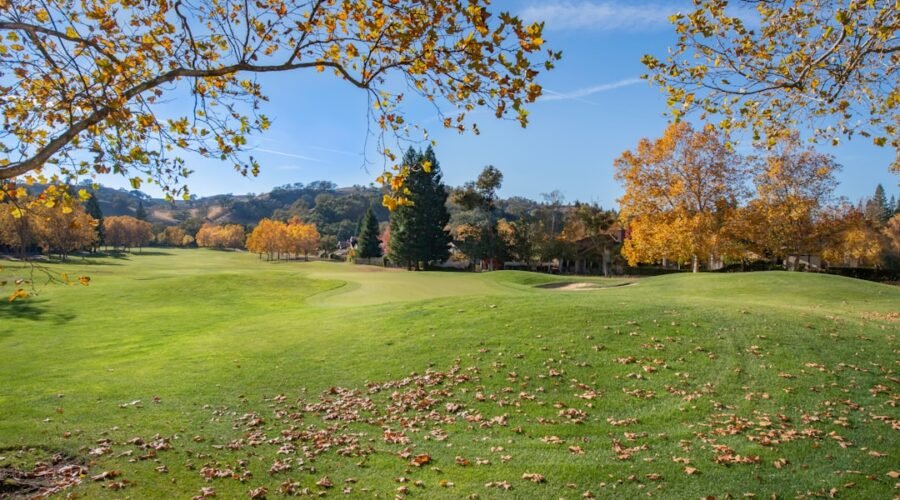
- September: A fantastic month. Average temperatures dip to a comfortable 14-16°C (57-61°F). The leaves start to change color, painting the landscape in reds, oranges, and yellows. The air is fresh and invigorating, perfect for hiking. This is often described as a “local’s summer” as the primary tourist rush has subsided, but the weather is still very agreeable. You’ll need layers, as mornings and evenings can be cool.
- October: The beauty of fall continues, though temperatures drop more significantly, averaging around 8-10°C (46-50°F). The chance of frost increases, and while early October can still offer brilliant foliage, by late October, trees will be bare. Rain becomes more frequent and can be heavier. Coastal winds can also pick up, making it feel colder. While still beautiful for scenic drives, extensive outdoor activity planning might require more flexibility for weather changes.
1.4 Winter (November-March): Embrace the Snow and Cold
Winter in Mount Pearl is long, cold, and often snowy.
- November: Mark the transition to winter. Temperatures drop to around 3-5°C (37-41°F). Snow becomes a real possibility, though it often melts quickly in early November. It’s generally a damp, grey month.
- December-February: These are the coldest and snowiest months. Average temperatures hover around 0°C (32°F) or below, and it’s not uncommon for them to drop significantly lower. Snowfall can be considerable, leading to picturesque white landscapes but also potential travel disruptions. This is prime time for skiing, snowboarding, or snowshoeing, but you need to be prepared for the cold. Bundle up!
- March: Still very much winter, though you might start to see very early signs of spring. Temperatures are similar to December-February, but the days are noticeably longer. Snow is still very common.
If you’re planning a trip to Mount Pearl, Newfoundland and Labrador, you might find it helpful to read about the best times to visit in terms of weather, crowds, and costs. For additional insights on how to make the most of your travel experiences, check out this related article on how products are reviewed, which can provide useful tips for selecting the right travel gear and services: How We Review Products.
2. Crowds: Finding Your Balance
Mount Pearl itself isn’t a massive tourist magnet like, say, Banff. However, being adjacent to St. John’s, it experiences a spillover of visitors, and its own local events can draw crowds.
2.1 Peak Season (July-August): Busy but Lively
This is the busiest time in Mount Pearl and the wider St. John’s area.
- Higher demand: Hotels, B&Bs, and rental cars are all in higher demand. If you’re planning to visit during July or August, booking your accommodation and any specific tours well in advance (3-6 months) is highly recommended.
- Popular attractions: Tourist spots, local restaurants, and the iconic Signal Hill (a must-see in St. John’s) will feel more congested. You might encounter queues or fully booked tables, especially during peak dining hours.
- Events galore: However, this also means the city is buzzing with activity. Festivals, outdoor concerts, and community events are plentiful. This can be a huge bonus if you’re looking for a vibrant atmosphere and cultural experiences. The Mount Pearl Frosty Festival, despite its name, is a winter event, but summer sees numerous smaller gatherings.
2.2 Shoulder Seasons (May-June & September): The Sweet Spot
These months offer a fantastic balance of good weather and fewer people.
- May-June: As mentioned, the weather is becoming very pleasant by June. May is still a bit cool but beautiful. You’ll find attractions are open, but there’s a more relaxed pace. Accommodation prices might be slightly lower than peak season, and you’ll have more choices. This is excellent for exploring without feeling rushed.
- September: My personal pick for many. The weather is often still beautiful, the leaves are changing, and the summer crowds have mostly dissipated. Accommodation and car rental prices typically start to drop. You can enjoy the scenery and local spots with a sense of peace. Many businesses are still operating on extended summer hours through September.
2.3 Off-Peak Season (October-April): Quiet and Intimate
If you don’t mind the cold and potential for snow, visiting outside the main summer window offers a very different, quieter experience.
- Lower numbers: You’ll likely encounter very few tourists. Many local businesses, especially those geared towards summer activities, might be closed or have reduced hours.
- Unique charm: This can be a wonderful time for a truly local experience. You’ll see Mount Pearl and St. John’s as residents do. The snowy landscapes have a stark beauty all their own.
- Winter Sports: If you’re into skiing, snowshoeing, or even ice fishing (with local guidance!), this is your prime time. The Frosty Festival in February is a major community event and draws local crowds.
3. Costs: What to Budget For
Newfoundland and Labrador isn’t generally considered a budget destination, especially when factoring in travel to the island. However, Mount Pearl itself offers reasonable options once you’re there.
3.1 Accommodation: Where Your Money Goes
Accommodation is often the biggest variable in your budget.
- Peak Season Surge (July-August): Expect to pay the most during these months. Hotels in Mount Pearl and St. John’s will have their highest rates. Booking well in advance (at least 6 months) can sometimes lock in better prices, but demand drives up costs. A standard hotel room could easily be $180-$250+ CAD per night. Rental homes (Airbnbs, etc.) also see a significant price bump.
- Shoulder Season Savings (May-June & September): You can often find better deals during these periods. Hotel rates might drop by 15-30% compared to peak season. Plenty of availability means you have more choices, and it’s easier to find something that fits your budget.
- Off-Peak Deals (October-April): This is when you’ll find the lowest rates for accommodation. Many hotels offer significant discounts to attract visitors during the quieter months. You might find rooms for $120-$180 CAD, or even less, depending on the type of establishment.
3.2 Transportation: Getting Around
Public transport exists but is somewhat limited in Mount Pearl itself; you’ll likely want a car.
- Car Rentals: This is a major expense. During peak season (July-August), car rentals can be extremely expensive, often $80-$150+ CAD per day, and availability can be limited if you don’t book far in advance. During the shoulder seasons, prices tend to be more reasonable, perhaps $60-$100 CAD per day. Off-peak, you might snag a deal for $40-$70 CAD per day. Don’t forget to factor in fuel costs, which are comparable to other parts of Canada.
- Public Transit (Metrobus): Mount Pearl is part of the St. John’s Metrobus system. While it can get you around parts of Mount Pearl and into St. John’s, service isn’t always frequent, especially on evenings and weekends. If you plan to rely solely on public transit, meticulously check schedules and routes to ensure it aligns with your itinerary. Fares are reasonable (e.g., ~$2.50-$3.00 CAD per ride or passes available).
- Taxis/Ride-Sharing: Available but can add up quickly if used frequently, especially between Mount Pearl and St. John’s.
3.3 Activities & Food: Enjoying the Local Scene
Mount Pearl has plenty of free activities, which helps manage costs.
- Free Activities: Hiking trails (Grand Concourse, various local parks), Bidgood’s Park, and simply enjoying the scenic drives around the area are all free. Window shopping, exploring local craft markets (especially in St. John’s, a short drive away), and enjoying the natural beauty don’t cost a dime.
- Paid Attractions: While Mount Pearl doesn’t have many ticketed attractions, St. John’s, close by, offers options like The Rooms, Signal Hill (parking fee, but walking up is free), and various boat tours (e.g., iceberg or whale watching, which are significant expenses at $70-$100+ CAD per person). These are best experienced in summer.
- Food: Eating out can vary significantly. Casual dining, like fish and chips or a decent pub meal, might cost $20-$30 CAD per person. Mid-range restaurants could be $40-$60+ CAD per person. Groceries are comparable to other parts of Canada, though some imported items might be slightly pricier due to island logistics. Eating at local diners or cooking some of your meals can help keep costs down.
4. Specific Interests & Events: Tailoring Your Trip
Beyond general weather and crowds, what are you hoping to do? Your specific interests can heavily influence the best time to visit.
4.1 Outdoor Adventures: Hiking, Biking, and Parks
- Late Spring to Early Fall (May-September): This is prime time for all outdoor activities. The trails are accessible and well-maintained. The temperatures are comfortable for sustained physical activity.
- Hiking: The Grand Concourse trails that weave through Mount Pearl are stunning. May-June offers lush greenery and fewer bugs (usually), while September adds brilliant fall colors. July and August are warm and great, but bring bug spray for wooded areas.
- Biking: Many of the paved trails are excellent for biking. Again, May-September provides the best conditions.
- Parks: Bidgood’s Park and Admiralty House Park are lovely for relaxed strolls, picnics, or simply enjoying nature.
- Winter (December-March): If you enjoy snowshoeing or cross-country skiing, the winter months transform the trails into a different kind of wonderland. Just be prepared for cold temperatures and possibly deep snow.
4.2 Festivals and Events: Joining the Celebrations
Mount Pearl and nearby St. John’s are host to several events throughout the year.
- Mount Pearl Frosty Festival (February): Despite its name, this is one of Mount Pearl’s signature events. It showcases winter activities, community spirit, and often features parades, outdoor games, and family-friendly entertainment. If you’re visiting in winter, this is a must-see.
- Mount Pearl City Days (Summer – usually July/August): A celebration of the city with various activities, music, and community gatherings. Dates vary year to year, so check the city’s official website.
- St. John’s Regatta (First Wednesday in August, weather permitting): While not in Mount Pearl, this historic rowing race on Quidi Vidi Lake in St. John’s is a major provincial holiday and draws huge crowds. If you’re visiting in August, you’ll feel the buzz of this event. Plan accordingly, as St. John’s will be particularly busy.
- Newfoundland and Labrador Folk Festival (St. John’s, August): Another major event in St. John’s that draws significant crowds and features incredible local music and culture.
4.3 Wildlife Viewing: Icebergs and Whales (The Big Two)
If spotting marine life or massive chunks of ice is on your wishlist, your timing is crucial.
- Iceberg Season (Late April to Mid-June, sometimes into July): This is highly dependent on ocean currents and conditions each year. While icebergs can sometimes be seen from shore along the ‘Iceberg Alley’ (which Mount Pearl isn’t directly on, but St. John’s provides excellent vantage points), the best way to see them is often via a boat tour from nearby coastal communities like St. John’s or Witless Bay. May and early June are typically prime times, but it’s never a guarantee.
- Whale Watching Season (Mid-June to Mid-September): This is when various whale species, including humpbacks, minke, and fin whales, feed in the rich waters off the coast. Boat tours primarily depart from St. John’s or Witless Bay. July and August offer the highest chances of sightings.
4.4 Local Culture & Dining: A Taste of Newfoundland
- Year-Round: Mount Pearl and St. John’s offer local pubs, restaurants, and shops that showcase Newfoundland culture and cuisine year-round. While some smaller, seasonal businesses might close in winter, the core dining and cultural experiences remain.
- Peak Season: You’ll find the widest array of options and liveliest atmosphere.
- Off-Peak: A more intimate experience, often with more opportunities to chat with locals.
If you’re planning a trip to Mount Pearl, Newfoundland and Labrador, understanding the best time to visit can greatly enhance your experience. For more insights on travel planning, you might find our article on travel tips particularly useful, as it covers various aspects such as weather conditions, crowd levels, and budgeting considerations that can help you make the most of your journey.
5. Practical Considerations: Before You Go
| Month | Weather | Crowds | Costs |
|---|---|---|---|
| June | Mild temperatures, low precipitation | Medium | Moderate |
| July | Warm temperatures, low precipitation | High | High |
| August | Warm temperatures, low precipitation | High | High |
| September | Cooling temperatures, low precipitation | Low | Low |
A few notes to keep in mind, regardless of when you plan your visit.
5.1 Layer Up: Always Be Prepared
Mentioned several times, but it bears repeating: Newfoundland weather can change on a dime. A sunny morning can turn into a foggy, damp afternoon.
- Any time of year: Always pack layers. Even in summer, a light jacket or fleece is advisable for evenings or cooler days.
- Waterproof gear: A good waterproof jacket is non-negotiable for almost any season, especially spring and fall. Waterproof shoes are also a smart choice.
5.2 Booking in Advance: A Smart Move
This applies particularly to peak season (July-August) but is also a good idea for shoulder seasons.
- Accommodation and Car Rental: Essential to book these well in advance during summer.
- Popular Tours: If you have your heart set on a specific boat tour (whale watching, iceberg), book it ahead of time, especially in July and August.
5.3 Fog: It’s Part of the Charm (Mostly)
The proximity to the Atlantic means fog is a frequent visitor, particularly in late spring and early summer (May-July).
- Driving: Fog can significantly reduce visibility, especially on coastal roads. Drive cautiously.
- Sightseeing: It can obscure views, but it also creates incredibly atmospheric photos. Be flexible with your plans if a particular day is heavily fogged in.
5.4 Opening Hours: Know Before You Go
- Seasonal businesses: Some smaller shops, cafes, or tour operators might operate seasonally, especially outside of June-September. Always check their websites or call ahead to confirm hours, particularly in the off-peak and shoulder seasons.
Ultimately, the “best” time to visit Mount Pearl really depends on what you’re hoping to experience. For a well-rounded and generally comfortable trip with plenty of activity options, aim for late spring to early fall (May-September). If budget and avoidance of crowds are top priorities, lean towards the shoulder months. And if you love snow and a quiet, authentic local feel, winter can be truly magical.
FAQs
1. What is the best time to visit Mount Pearl, Newfoundland and Labrador for favorable weather?
The best time to visit Mount Pearl, Newfoundland and Labrador for favorable weather is during the summer months of June to August. This is when the temperatures are the warmest and the days are the longest, making it ideal for outdoor activities.
2. When is the peak tourist season in Mount Pearl, Newfoundland and Labrador?
The peak tourist season in Mount Pearl, Newfoundland and Labrador is during the summer months of June to August. This is when the city experiences the highest number of visitors and the most crowded attractions.
3. What is the off-peak season in Mount Pearl, Newfoundland and Labrador?
The off-peak season in Mount Pearl, Newfoundland and Labrador is during the winter months of December to February. This is when the temperatures are the coldest and the city experiences the fewest visitors.
4. When is the best time to visit Mount Pearl, Newfoundland and Labrador to avoid crowds?
The best time to visit Mount Pearl, Newfoundland and Labrador to avoid crowds is during the shoulder seasons of spring (April to May) and fall (September to October). During these times, the weather is still pleasant, but the number of tourists is lower.
5. When is the most affordable time to visit Mount Pearl, Newfoundland and Labrador?
The most affordable time to visit Mount Pearl, Newfoundland and Labrador is during the off-peak season of winter (December to February). During this time, accommodations and attractions may offer lower prices due to the decrease in tourist activity.