

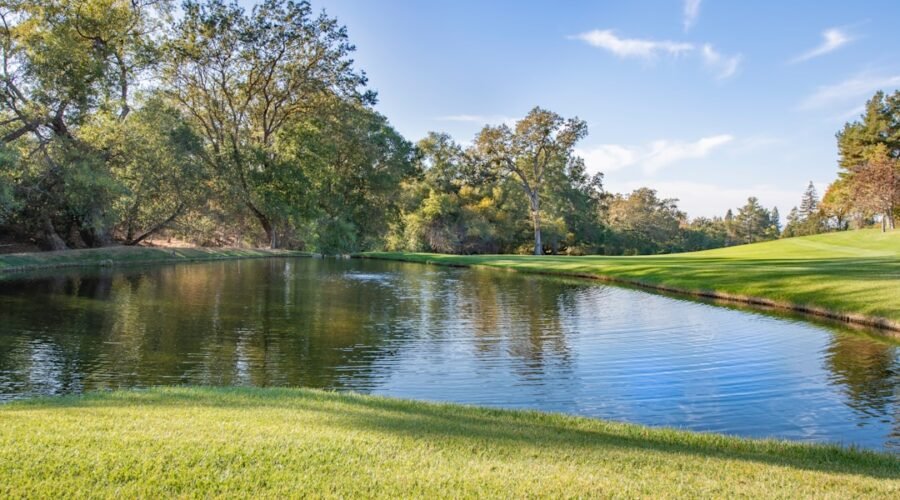
When planning a trip to Çamlık National Park in Yozgat, the best time to visit really depends on what you’re looking for. Generally, late spring (May to early June) and early autumn (September to early October) offer the most pleasant weather, fewer crowds, and reasonable costs. These periods strike a good balance, allowing you to enjoy the park’s natural beauty without extreme temperatures or bustling throngs of people.
Yozgat, and by extension Çamlık National Park, experiences a continental climate. This means distinct seasons with noticeable variations in temperature, precipitation, and daylight hours. Knowing what to expect from each season is key to planning your visit.
Spring: Rebirth and Mild Temperatures
Spring in Çamlık (April to June) is a beautiful time of year. After the winter chill, the park comes alive with blooming wildflowers and vibrant greenery.
Weather in Spring
Temperatures in April typically range from 5°C to 15°C, gradually warming up to 10°C to 20°C in May, and 15°C to 25°C in June. While April can still see some lingering cold snaps and occasional rain showers, May and early June generally offer very pleasant, mild conditions. You’ll find sunny days perfect for hiking and exploring without the intensity of summer heat.
Crowds in Spring
Early spring (April) tends to be quieter. As the weather improves in May and especially June, local schools might start their end-of-year trips, and national holidays can attract more visitors. However, compared to peak summer, it’s still relatively uncrowded. Weekdays are almost always less busy than weekends.
Costs in Spring
Accommodation and travel costs are usually moderate during spring. It’s not peak season, so you’re less likely to encounter significant price hikes. If you book a little in advance, you can often find good deals on guesthouses or hotels in Yozgat city, which is just a short drive from the park.
Summer: Warmth and Activity
Summer (July and August) is the warmest time of year in Çamlık. This is when the park buzzes with life, both human and natural.
Weather in Summer
July and August see average temperatures ranging from 20°C to 30°C, with occasional spikes above 30°C. The days are long and sunny, making it ideal for extended outdoor activities. However, it’s important to be mindful of sun exposure and stay hydrated, especially during the midday hours. Evenings can still be pleasantly cool, offering a nice respite from the daytime heat.
Crowds in Summer
Summer is undeniably the busiest season. This is when local families and domestic tourists often choose to visit, especially during school holidays and national festivals. Expect more people on the trails, at picnic areas, and around key attractions. If you prefer solitude, summer might not be your ideal choice, especially on weekends.
Costs in Summer
As expected, costs for accommodation and some services can be higher during the summer months due to increased demand. It’s advisable to book well in advance if you plan to visit during this period, especially if your trip coincides with a public holiday.
Autumn: Golden Hues and Serenity
Autumn (September to November) is arguably one of the most picturesque times to visit Çamlık National Park. The foliage transforms into stunning shades of gold, red, and brown, creating a beautiful backdrop for walks and photography.
Weather in Autumn
September is often an extension of late summer, with pleasant temperatures ranging from 15°C to 25°C. As October progresses, temperatures cool to 10°C to 20°C, and by November, you’re looking at 5°C to 15°C. Early autumn is generally dry and sunny, perfect for outdoor exploration. Late autumn can bring more rain and colder temperatures, signalling the approach of winter.
Crowds in Autumn
Early autumn (September to early October) is fantastic for avoiding the summer rush. School holidays are over, and many domestic tourists have returned to their routines. This means fewer crowds, allowing for a more peaceful and immersive experience. As November approaches, visitor numbers dwindle significantly.
Costs in Autumn
Similar to spring, autumn generally offers moderate pricing for accommodation and other services. You can often find good value, particularly if you visit outside of any specific local event weekends.
Winter: Snow-Covered Solitude
Winter (December to March) in Çamlık National Park is a completely different experience. The park transforms into a serene, snow-covered landscape.
Weather in Winter
Winter is cold, with temperatures often dropping below freezing, ranging from -5°C to 5°C. Snowfall is common, and the park can look absolutely magical under a blanket of white. However, accessibility to some areas might be limited, and icy conditions can make hiking challenging.
Crowds in Winter
This is undoubtedly the quietest season. You’ll encounter very few visitors, offering a profound sense of solitude and peace. If you enjoy winter photography or simply want to experience the park in its most tranquil state, this could be an appealing option.
Costs in Winter
Costs are typically at their lowest during winter, as demand is minimal. You might find some excellent deals on accommodation. However, keep in mind that some smaller amenities within the park or nearby might have reduced operating hours or be closed.
Activities and Your Best Time to Visit
What you plan to do in Çamlık National Park heavily influences the best time for your visit.
Hiking and Long Walks
Ideal Seasons for Hiking
Late spring (May-June) and early autumn (September-early October) are prime for hiking. The temperatures are comfortable, reducing the risk of overheating or being too cold. Trails are generally dry, and the natural scenery is at its most vibrant. In spring, you’ll see wildflowers, and in autumn, the changing leaves are a sight to behold. Summer can be good, but stick to early mornings or late afternoons to avoid the midday heat.
What to Avoid for Hiking
Avoid the peak of winter if you’re not experienced with snow hiking or don’t have proper gear. Trails can be slippery, and some might be impassable. Intense summer midday heat can also make longer hikes uncomfortable or even risky.
Photography and Nature Watching
Best Seasons for Capturing Beauty
Autumn (September-October) is unparalleled for photography due to the stunning foliage colours. Spring (May-June) offers lush greenery and vibrant wildflowers. Early mornings in any season can provide beautiful soft light and opportunities for capturing wildlife as they’re most active.
Considerations for Photography
In summer, the harsh midday sun can lead to blown-out highlights and strong shadows, so focus on golden hours. In winter, the snow provides a beautiful, clean canvas, but be prepared for cold conditions and protect your equipment.
Picnics and Leisurely Strolling
Relaxing in Good Weather
Late spring, summer, and early autumn are all excellent for picnics and leisurely strolls. The park has designated picnic areas with tables. Summer offers the advantage of long daylight hours for extended stays.
What to Keep in Mind
In summer, arrive early to secure a good picnic spot, especially on weekends. In spring and autumn, pack a light jacket as evenings can get cool. During winter, picnicking is best suited for thermos flasks and quick snacks, rather than a full spread, unless you’re prepared for the cold.
Practical Considerations for Your Trip
Beyond the seasons, there are a few other things to factor into your decision-making.
Weekdays vs. Weekends
Avoiding the Crowds
If possible, always try to visit Çamlık National Park on weekdays, especially outside of national holidays. Weekends, particularly during pleasant weather months (May-June and August-September), see a significant increase in local visitors. This means fuller parking lots, busier trails, and more competition for picnic spots. Weekdays offer a much more serene and peaceful experience.
Local Holidays and Festivals
Turkey has several national holidays. During these periods, travel and tourist sites, including national parks, can become exceptionally busy. It’s a good idea to check the Turkish public holiday calendar before finalising your travel dates to avoid unexpected crowds. Also, Yozgat might have local festivals or events that could impact park
visitation, although these are less likely to cause widespread park congestion compared to national holidays.
Accommodation and Transportation
Booking in Advance
Regardless of the season, it’s generally a good idea to book your accommodation in Yozgat a little in advance, especially if you’re looking for specific types of lodging or visiting during a busier period (summer, public holidays). While Yozgat isn’t a major international tourist hub, good options can fill up.
Getting to the Park
Çamlık National Park is very close to Yozgat city centre, making it easily accessible. You can reach it by car, taxi, or sometimes local minibuses (dolmuş) depending on the exact route and season. Having your own vehicle offers the most flexibility, allowing you to explore different areas of the park at your own pace. Public transport options might be more limited on weekends or in off-peak seasons.
Essential Packing Tips by Season
Spring Checklist
A mix of layers is key: light jacket, sweater, t-shirts. Comfortable waterproof walking shoes are a must. Don’t forget sunscreen and a hat, even on cooler days, as the sun can still be strong. Rain gear (light jacket or umbrella) is also advisable.
Summer Checklist
Light, breathable clothing (cotton, linen). Wide-brimmed hat, sunglasses, and high-SPF sunscreen are essential. Bring plenty of water to stay hydrated. Mosquito repellent can be useful, especially in the evenings or near wooded areas.
Autumn Checklist
Layers again are your best friend. A warm sweater, a fleece, and a waterproof outer shell are recommended. Sturdy walking shoes. As the season progresses, consider a warmer jacket.
Winter Checklist
Warm, waterproof winter coat. Thermal layers (base layers). Hat, gloves, and a scarf are indispensable. Waterproof winter boots with good grip. Consider bringing a thermos with a hot beverage.
Food and Drink Availability
Park Amenities
Çamlık National Park has some basic amenities, including a few small cafes or kiosks, especially near the main entrances or popular picnic areas. These often sell snacks, drinks, and sometimes simple meals. However, their availability and operating hours can vary by season, with more extensive options in summer and reduced availability in winter.
Bringing Your Own Supplies
It’s always a good idea to bring your own water and at least some snacks, especially if you plan on extended hikes or visits during off-peak seasons. For a picnic, consider purchasing your supplies in Yozgat city centre, where you’ll find a wider selection and better prices at local markets and supermarkets.
Beyond the Park: Exploring Yozgat
While Çamlık National Park is the main draw, Yozgat itself offers a glimpse into a more traditional Turkish city. If you’re visiting for more than a day, consider exploring some of these.
Yozgat City Centre
Historical Sites
Yozgat has a few historical buildings worth seeing, such as the Yozgat Clock Tower, built in 1908, which is a city landmark. The Çapanoğlu Mosque (Büyük Cami), an impressive Ottoman-era mosque, is another notable historical site. Exploring these can offer a deeper understanding of the local culture and history.
Local Cuisine
Don’t leave Yozgat without trying some local delicacies. Arabaşı is a traditional soup, particularly popular in winter. Other regional dishes include various meat and dough-based dishes, reflecting the Central Anatolian palate. There are plenty of local restaurants in the city centre where you can sample authentic Yozgat food.
Nearby Attractions
Yozgat Pine Grove National Park Museum
Located within the park, this small museum offers insights into the flora, fauna, and geological features of Çamlık National Park. It’s a good place to start your visit and learn more about the ecosystem you’re exploring.
Kerkenes Archaeology Site
For those interested in history, the Kerkenes Archaeology Site (about 30 km from Yozgat) is the largest Iron Age site in Anatolia. It’s believed to be the ancient city of Pteria. While not within the national park, it’s a significant historical detour if you have the time and a car.
Conclusion: Tailoring Your Çamlık Experience
| Month | Weather | Crowds | Costs |
|---|---|---|---|
| April | Mild temperatures, some rainfall | Low | Moderate |
| May | Warm temperatures, low rainfall | Low to moderate | Moderate |
| June | Hot temperatures, low rainfall | Moderate | High |
| July | Hot temperatures, low rainfall | High | High |
| August | Hot temperatures, low rainfall | High | High |
| September | Warm temperatures, low rainfall | Moderate | High |
| October | Mild temperatures, some rainfall | Low to moderate | Moderate |
Ultimately, the best time to visit Çamlık National Park is when it best aligns with your personal preferences and priorities.
- For pleasant weather and fewer crowds: Late spring (May-early June) and early autumn (September-early October) are your best bets.
- For warmth and extended daylight, despite more crowds: Summer (July-August).
- For stunning autumn colours and serenity: Early autumn (September-early October).
- For solitude and a unique, snow-covered landscape: Winter (December-March), but be prepared for the cold.
No matter when you choose to go, Çamlık National Park offers a beautiful escape into nature. A little planning goes a long way to ensure you have a comfortable and memorable trip.
FAQs
1. What is the best time to visit Çamlık National Park in Yozgat?
The best time to visit Çamlık National Park in Yozgat is during the spring and autumn months, specifically from April to June and September to October. During these times, the weather is mild and pleasant, and the park is less crowded.
2. What is the weather like at Çamlık National Park throughout the year?
The weather at Çamlık National Park varies throughout the year. Summers are hot and dry, with temperatures reaching up to 30°C (86°F). Winters are cold and snowy, with temperatures dropping to as low as -10°C (14°F). Spring and autumn offer milder temperatures and are considered the best times to visit.
3. When are the crowds at Çamlık National Park the busiest?
The crowds at Çamlık National Park are busiest during the summer months, especially in July and August. This is when many tourists visit the park, and it can get quite crowded. It’s best to avoid these months if you prefer a quieter experience.
4. Are there any specific events or festivals that take place at Çamlık National Park during certain times of the year?
Çamlık National Park hosts various events and festivals throughout the year, including nature walks, birdwatching tours, and cultural celebrations. It’s recommended to check the park’s official website or local event listings for specific dates and details.
5. How much does it cost to visit Çamlık National Park?
The entrance fee for Çamlık National Park varies depending on age and residency status. As of [current year], the entrance fee for adults is [amount] for Turkish residents and [amount] for foreign visitors. Children under the age of 12 and senior citizens may receive discounted or free admission. It’s advisable to check the official park website for the most up-to-date pricing information.
[…] how weather, crowds, and costs affect another destination, you might also find the article on the Best Time to Visit Camlik National Park […]