

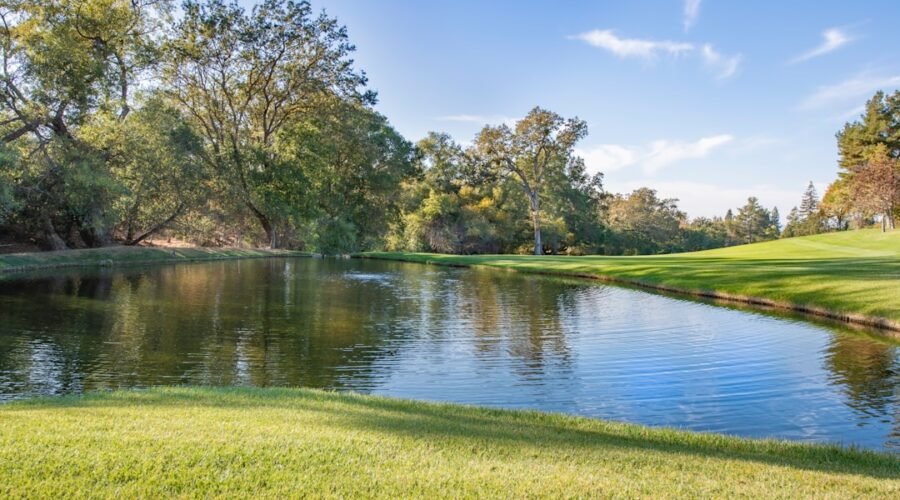
The best time to visit Çamlık National Park depends on whether you prefer peaceful forest walks, sunny picnics, autumn colours, or snowy scenery. Located close to Yozgat city centre, this historic national park experiences distinct seasons and noticeable changes in temperature throughout the year. Choosing the right month and day can make your visit much more comfortable.
Quick Answer
The best time to visit Çamlık National Park is May to early June or September to early October. These periods offer comfortable walking weather and pleasant scenery. July and August are warmer and generally drier, while winter brings freezing temperatures and possible snow. For a quieter experience, choose a weekday outside Turkish public holidays.
Last checked: September 25, 2026. Dates and figures were verified against official sources.
Key Takeaways
- May offers comfortable daytime temperatures, but it is also one of Yozgat’s rainier months.
- July and August have the fewest average rainy days, making them useful for outdoor plans.
- September combines relatively dry weather with comfortable conditions for longer walks.
- Autumn photography is especially rewarding around deciduous trees, while the park’s black pines remain evergreen.
- Public holidays and school breaks can make popular picnic areas busier.
- Winter visitors need proper footwear and should allow for snow, ice, and changing access conditions.
Best Time to Visit Çamlık National Park: Month-by-Month
May, June, September, and early October provide a useful balance between comfortable temperatures and outdoor activities. However, Yozgat’s continental climate means conditions can change quickly, especially outside summer.
The table below uses the Turkish State Meteorological Service’s 1991–2020 climate normals for Yozgat. The temperatures represent average daily lows and highs, not the coldest or hottest temperatures possible.
These are city weather-station figures, so actual conditions inside the national park may differ. Rainy-day figures are rounded monthly averages.
| Month | Average Low / High | Rainy Days | Visiting Conditions |
|---|---|---|---|
| January | -4.8°C / 2.8°C | 11 | Cold; possible snow and icy paths |
| February | -4.1°C / 4.7°C | 10 | Cold winter scenery and short visits |
| March | -0.8°C / 9.1°C | 12 | Early spring, with lingering winter conditions |
| April | 3.5°C / 14.5°C | 13 | Cool walks, greenery, and possible showers |
| May | 7.8°C / 19.5°C | 15 | Comfortable walks and spring vegetation |
| June | 11.3°C / 23.6°C | 10 | Warm days and longer outdoor visits |
| July | 13.8°C / 27.1°C | 4 | Warm and mostly dry; popular for picnics |
| August | 14.2°C / 27.5°C | 3 | Warm, dry conditions and summer visitors |
| September | 10.4°C / 23.7°C | 5 | Comfortable walking and early autumn scenery |
| October | 6.3°C / 17.8°C | 8 | Cooler walks and changing leaf colours |
| November | 0.5°C / 10.7°C | 8 | Cold mornings and late autumn scenery |
| December | -2.6°C / 4.9°C | 11 | Winter conditions and possible snowfall |
The rainy-day figures include days with measurable precipitation, which can fall as rain or snow depending on the temperature. For the smoothest outdoor plans, September offers a useful combination of warmth and relatively few rainy days.
What Is Çamlık National Park Like Throughout the Year?
Yozgat Çamlığı Milli Parkı was established in 1958 as Türkiye’s first national park. Its protected black pine forest provides a different experience in every season, from spring greenery to winter snow.
The Yozgat Governor’s Office identifies Anadolu black pine as the park’s main natural feature. It also lists walking paths, cycling routes, viewing terraces, picnic areas, and visitor facilities.
Spring (March–May): Greenery and Mild Temperatures
Spring is an appealing time for walking and enjoying the forest as it becomes greener. However, early spring can remain cold, and rainfall is an important part of planning a visit.
Weather: March still brings freezing nights. April becomes milder, while May has an average daytime high of 19.5°C. May also averages about 15 rainy days, so pleasant temperatures do not guarantee dry trails.
Crowds: March and April can feel quieter than the main holiday periods. Visitor numbers may rise on sunny weekends, school outings, and public holidays.
Costs: Accommodation in Yozgat may offer better value outside holiday periods, although actual hotel prices depend on the property and booking date.
Best activities: Forest walks, nature photography, birdwatching, and relaxed picnics are good spring choices.
Late May is particularly comfortable for visitors who want to spend several hours outdoors without intense summer heat.
Summer (June–August): Long Days and Outdoor Activities
Summer brings warmer weather, long daylight hours, and relatively dry conditions. It is a practical season for families who want to enjoy picnic areas and spend more time outside.
Weather: Average daytime highs rise from 23.6°C in June to 27.5°C in August. July and August have fewer average rainy days than any other months in the year.
Individual hot days can exceed these averages. Evenings are usually cooler, especially after sunset.
Crowds: Summer weekends and school holidays can attract more local families and domestic visitors. Popular picnic spots may fill earlier in the day.
Costs: Hotels and other travel services may charge more during busy holiday periods. Book ahead if you need a particular room or plan to travel with a family.
Best activities: Picnics, cycling, short forest walks, and visits to viewing terraces suit the season.
For longer hikes, start in the morning or wait until late afternoon. Take enough water and limit prolonged exposure to the midday sun.
Autumn (September–November): Comfortable Walks and Seasonal Colours
Autumn offers some of the most comfortable conditions for exploring Çamlık National Park. September remains relatively warm and dry, while October brings cooler air and changing colours.
Weather: September has an average daytime high of 23.7°C. This falls to 17.8°C in October and 10.7°C in November.
Scenery: The park’s black pines remain green throughout the year. Nearby deciduous trees and other vegetation provide the yellow, orange, and brown tones associated with autumn.
Crowds: Weekdays after the main summer holiday period can offer a more peaceful experience. However, sunny autumn weekends may still attract local visitors.
Costs: Accommodation prices may become more moderate after summer, although holiday weekends can affect demand.
Best activities: Hiking, landscape photography, nature watching, and leisurely walks are particularly enjoyable in September and early October.
November is better suited to visitors who enjoy colder weather and shorter outings.
Winter (December–February): Snow and Quiet Forest Scenery
Winter changes the park’s appearance dramatically. Snow can cover the forest floor and walking paths, creating a different setting for photography and short nature visits.
Weather: Average nighttime lows remain below freezing throughout winter. Snowfall and icy surfaces are possible, especially after a period of cold weather.
Crowds: Winter is generally quieter for outdoor recreation. However, fresh snowfall and sunny winter weekends may still attract visitors who want to enjoy the scenery.
Costs: Some accommodation providers may offer lower rates outside popular travel periods. This is not guaranteed, and on-site services may have reduced availability.
Best activities: Winter photography, short walks on safe paths, and enjoying the snow-covered landscape.
Warning: Snow and ice can make forest paths slippery. Avoid unfamiliar trails during severe winter weather, wear boots with good grip, and do not assume every park road or facility will remain accessible after snowfall.
Best Time for Activities in Çamlık National Park
The most suitable season depends on what you want to do. Walking, photography, picnicking, and cycling all benefit from different weather conditions.
Hiking and Long Walks
May, early June, September, and early October offer comfortable temperatures for longer walks. Spring brings fresh vegetation, while early autumn provides a pleasant balance of mild weather and drier conditions.
April can also be enjoyable if you are prepared for occasional rain and cooler mornings.
Summer walking is usually more comfortable in the morning or late afternoon. Winter requires more care because snow and ice may affect trail conditions.
The park has established walking paths and cycling routes. Stay on designated routes, especially in protected forest areas.
Photography and Nature Watching
Autumn is particularly appealing for landscape photography. Changing leaves contrast with the green pine forest, while the softer light can produce attractive forest scenes.
Spring offers fresh greenery, flowers, and opportunities to photograph birds and other wildlife.
Early morning and late afternoon are useful for photography in any season because the light is usually softer than at midday.
Winter offers another distinctive setting when snow settles on the trees and ground. Protect camera equipment from moisture and sudden changes in temperature.
For wildlife photography, remain at a respectful distance and avoid disturbing animals or their habitats.
Picnics and Leisurely Strolling
Late spring, summer, and early autumn are suitable for relaxed picnics. The park provides day-use areas where visitors can enjoy the forest without planning a long hike.
Summer has the advantage of extended daylight, although shaded areas may be more popular during hot weather.
Arriving earlier on sunny weekends can help you find a suitable place before the busiest part of the day.
In spring and autumn, carry a light jacket for cooler evenings. Winter picnics are better suited to short visits with warm drinks and simple snacks.
Cycling
Late spring and early autumn provide comfortable conditions for cycling. Summer is also suitable if you avoid the hottest part of the day.
Use the park’s established cycling routes and take extra care where pedestrians share the path.
After heavy rain or snow, avoid routes that are muddy, slippery, or temporarily restricted.
Practical Considerations for Your Trip
Choosing the right season is only part of planning your visit. Weekends, Turkish holidays, transport, accommodation, and available facilities can all affect your experience.
Weekdays vs. Weekends
Weekdays are generally a better choice if you prefer quieter walking paths and less competition for picnic space.
Weekends can be busier during pleasant weather, particularly in late spring and summer. Parking areas and popular facilities may experience greater demand.
These crowd patterns are practical expectations rather than official monthly visitor statistics.
Turkish Public Holidays and School Breaks
National holidays can increase domestic travel and demand for recreational areas. The dates below are useful when planning around potentially busy periods.
According to the official 2026 holiday calendar, important dates include:
- March 20–22, 2026: Ramazan Bayramı.
- April 23, 2026: National Sovereignty and Children’s Day.
- May 1, 2026: Labour and Solidarity Day.
- May 19, 2026: Commemoration of Atatürk, Youth and Sports Day.
- May 27–30, 2026: Kurban Bayramı.
- July 15, 2026: Democracy and National Unity Day.
- August 30, 2026: Victory Day.
- October 29, 2026: Republic Day, with a half-day holiday on October 28.
The Ministry of National Education’s 2026–2027 calendar states that the school year began on September 14, 2026. Its first midterm break is November 16–20, 2026, followed by the semester break from January 25 to February 5, 2027.
These school breaks may affect travel demand, especially for families planning weekend trips.
The park may also host educational activities and local events. However, a fixed annual schedule of park-specific festivals or guided tours could not be confirmed.
Accommodation and Transportation
Çamlık National Park is close enough to Yozgat for a day trip. You can stay in the city and visit the forest without arranging accommodation inside the park.
There are also accommodation facilities within the wider park area, although availability and booking arrangements may vary.
Reserve accommodation in advance during summer holidays and popular travel periods.
Getting to the Park
The park is located south of Yozgat city centre in the Develik area.
You can reach it by car or taxi. Local minibuses may also serve the surrounding area, depending on the current route and timetable.
A private vehicle offers flexibility if you want to explore different sections of the park or combine your visit with other attractions around Yozgat.
If you depend on public transport, confirm the return service before travelling. Do not assume that weekday and weekend services follow the same schedule.
Entrance Fees and Other Costs
Park admission and optional services can add to your trip cost. The amount may depend on whether you enter on foot or with a vehicle.
Türkiye’s Directorate of Nature Conservation and National Parks publishes separate personal and vehicle tariffs. Its 2026 protected-area fee schedule is the official pricing reference.
The exact payable amount for Çamlık National Park could not be conclusively established from the accessible tariff information. Therefore, older published prices should not be presented as current admission fees.
Additional spending may include transport, food, accommodation, and any separately charged activities or services.
Essential Packing Tips by Season
Your packing list should reflect the expected weather and the activities you have planned.
Spring Packing Checklist
- Light jacket and warm layers.
- Comfortable waterproof walking shoes.
- Light rain jacket or umbrella.
- Sunscreen and a hat.
- Water and snacks.
Summer Packing Checklist
- Light, breathable clothing.
- Wide-brimmed hat and sunglasses.
- High-SPF sunscreen.
- Plenty of drinking water.
- Insect repellent when needed.
Autumn Packing Checklist
- Warm sweater or fleece.
- Waterproof outer layer.
- Sturdy walking shoes.
- Warmer jacket for late autumn.
- Water and a small snack.
Winter Packing Checklist
- Warm, waterproof winter coat.
- Thermal base layers.
- Hat, gloves, and scarf.
- Waterproof boots with good grip.
- Thermos with a hot drink.
Food and Drink Availability
The national park has visitor facilities, including food and drink outlets, a countryside restaurant, a cafeteria, and a kiosk.
However, opening hours and available services may vary by season. Winter weather and quieter periods may affect individual businesses.
Bring your own drinking water and snacks, especially if you plan to spend several hours walking.
For a longer picnic, you can purchase supplies in Yozgat city centre before travelling to the park.
Are Picnics and Fires Allowed?
Picnicking is part of the park’s recreational use, but visitors should use designated areas and follow the rules posted on site.
Do not assume that barbecues, open fires, or camping fires are permitted. Fire restrictions can change with weather conditions and local government decisions.
Keep your picnic area clean and take rubbish to designated collection points.
Beyond the Park: Exploring Yozgat
If you have more than a few hours, combine your visit to Çamlık National Park with nearby cultural attractions. Yozgat city centre offers historical buildings, local food, and several places worth exploring.
Yozgat City Centre
The city centre is a practical stop before or after your park visit. It also offers more choices for restaurants, shops, and accommodation.
Historical Sites
Yozgat Clock Tower is one of the city’s most recognisable landmarks. Built in 1908, the tower has four clock faces and stands in the central urban area.
Another important landmark is Çapanoğlu Mosque, also known as Büyük Cami. The mosque dates to the Ottoman period and has distinctive architectural features.
The official GoTürkiye Yozgat guide identifies both landmarks among the city’s notable attractions.
Local Cuisine
Yozgat is a good place to try traditional Central Anatolian food after your visit.
Arabaşı is a well-known regional dish, particularly associated with winter. It consists of a rich soup served with a separate dough preparation.
Other local dishes include meat-based meals and traditional dough dishes.
Restaurants in the city centre provide opportunities to sample regional food without travelling far from the park.
Nearby Attractions
The surrounding area also offers nature and historical attractions. These can turn a short park visit into a fuller day of sightseeing.
Yozgat Çamlığı Nature Education Centre
The park contains a Nature Education Centre dedicated to local wildlife, plants, and ecosystems.
Its facilities include an exhibition hall, library, herbarium, and displays of preserved wildlife specimens.
The centre provides an opportunity to understand the region’s natural environment before exploring the forest.
Opening arrangements may vary, particularly during holidays or outside regular visitor periods.
Kerkenes Archaeological Site
Kerkenes is an important Iron Age archaeological site near Şahmuratlı village in the Sorgun district.
Its ancient city walls extend for approximately 7 km and enclose an area of about 2.5 square kilometres.
The site has been associated with the ancient city of Pteria, although archaeological interpretation of its history continues to develop.
Türkiye’s official Culture Portal provides details of its history and archaeological significance.
Kerkenes is approximately 50 km from Yozgat, according to official Sorgun district information.
A car is the most practical option for combining the archaeological site with a visit to Çamlık National Park.
Frequently Asked Questions
What is the best time to visit Çamlık National Park in Yozgat?
The best time to visit Çamlık National Park is May to early June or September to early October. These periods offer comfortable temperatures for walking, photography, and picnics. May can be rainy, while September is generally drier. Choose a weekday if you prefer a quieter visit.
What is the weather like at Çamlık National Park throughout the year?
Çamlık National Park experiences cold winters, mild spring and autumn weather, and warm summers. Yozgat’s average daytime highs reach approximately 27°C in July and August, while winter nights commonly fall below freezing. Rainfall is more frequent in spring, and snow is possible during winter.
When is Çamlık National Park the busiest?
Çamlık National Park can be busier during summer weekends, school holidays, and national holidays. Pleasant spring and autumn weekends may also attract local visitors. Monthly visitor counts were not available to establish an exact peak period, but weekdays generally provide a better opportunity for a quieter experience.
Are there events or festivals at Çamlık National Park?
Çamlık National Park is used for educational activities, nature outings, and local recreation. However, a fixed annual programme of public festivals or guided tours could not be confirmed. Turkish public holidays and school breaks are useful dates to consider because they may increase visitor numbers.
How much does it cost to visit Çamlık National Park?
Çamlık National Park is covered by Türkiye’s protected-area entrance-fee system. Personal and vehicle admission have separate published tariffs. The exact park-specific payable amount for 2026 could not be conclusively confirmed, so older prices should not be treated as current. Accommodation, food, and optional services may involve additional costs.
Does it snow at Çamlık National Park?
Yes, snowfall is possible at Çamlık National Park during winter. Yozgat frequently experiences temperatures below freezing, particularly at night. Snow can create attractive forest scenery, but icy paths and changing road conditions may limit access to some areas. Wear suitable winter clothing and footwear.
How do you get to Çamlık National Park from Yozgat?
Çamlık National Park is located south of Yozgat city centre in the Develik area. You can reach it by car or taxi, while local minibuses may serve nearby routes. Driving offers greater flexibility if you plan to explore several areas or combine the park with other attractions.
Can you have a picnic at Çamlık National Park?
Yes, Çamlık National Park has designated day-use areas suitable for picnics. Late spring, summer, and early autumn offer comfortable conditions for spending time outdoors. Bring your own water and food if needed, use designated facilities, and follow all current restrictions on barbecues and open fires.
Conclusion: Tailoring Your Çamlık Experience
For most visitors, late spring and early autumn offer the best balance of comfortable temperatures and enjoyable outdoor conditions at Çamlık National Park.
Choose summer for longer days and picnics, or winter if you want snowy forest scenery. Whichever season you prefer, plan around the weather, allow time for nearby Yozgat attractions, and choose your visiting day carefully.
Sources
- Turkish State Meteorological Service: Official 1991–2020 Yozgat climate normals used for the monthly temperature and precipitation comparison.
- Yozgat Governor’s Office: National park history, protected landscape, facilities, and visitor activities.
- Borsa İstanbul: Official 2026 public holiday dates.
- Ministry of National Education: Official 2026–2027 school calendar.
- Directorate of Nature Conservation and National Parks: Official 2026 protected-area entrance-fee tariff.
- GoTürkiye: Historical attractions and architectural information for Yozgat.
- Türkiye Culture Portal: Archaeological information about Kerkenes.
- Official Sorgun district information: Kerkenes location and approximate distance from Yozgat.


[…] how weather, crowds, and costs affect another destination, you might also find the article on the Best Time to Visit Camlik National Park […]