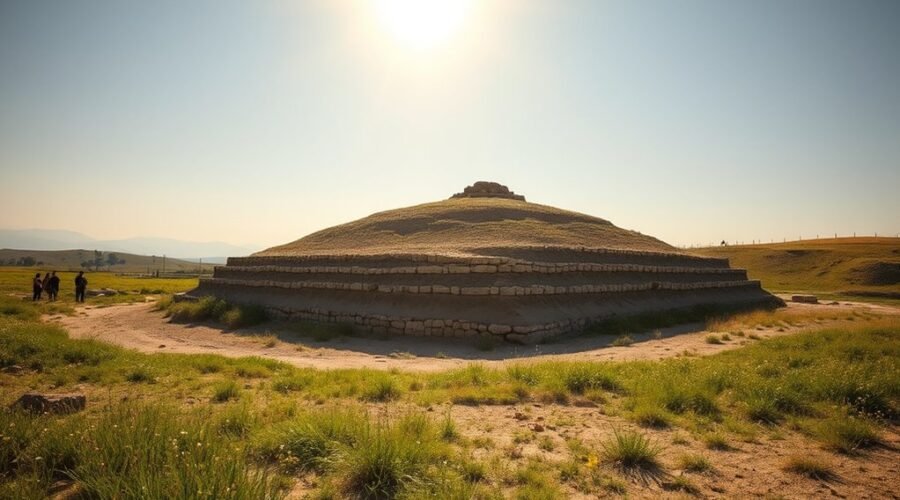
Oylum Höyük’s finest light comes in the shoulder months rather than midsummer. If you want crisp stone textures, clear sunrise skies, and comfortable walking conditions, April–June and September–October are the months that deliver. These windows also mean thinner crowds and easier access to the site’s informal guided tours. Below is a month-by-month breakdown, plus what the site actually is, how to get there, and what to expect once you arrive.
Quick Answer
The best time to visit Oylum Höyük is April to June or September to October, when temperatures are mild, skies are clear for photography, and the trenches are less busy. Avoid late June through August, when heat and local festival crowds peak.
Key Takeaways
Key Takeaways
- Visit in spring (April–June) or autumn (September–October) for mild weather, clear skies, and good photography light.
- Oylum Höyük is an active excavation site near Oylum village, about 7 km southeast of Kilis, with roughly 5,500 years of continuous habitation.
- Access is informal — there’s no formal ticket booth; a site guard sometimes leads impromptu tours.
- Shoulder months bring lower travel and lodging costs around Kilis and Gaziantep, and fewer visitors on the mound.
- Avoid peak summer (late June–August) and local festival periods, when heat and visitor numbers both rise.
What Is Oylum Höyük? A Quick History
Oylum Höyük is one of the largest archaeological mounds in southeastern Turkey, sitting in the Kilis Plain where the Anatolian plateau meets the Syrian border. The mound rises to roughly 37 meters and has been continuously inhabited since the Late Chalcolithic period — an archaeological record stretching back about 5,500 years, through the Bronze Age, Iron Age, and into medieval times.
Systematic excavation has been underway since 1987, and the dig is still active today, led by the Archaeology Department at Gaziantep University in partnership with Turkey’s Ministry of Culture and Tourism and the Kilis Governorship. Recent seasons have focused on the site’s role as a Hittite-period administrative center. Artifacts recovered from the mound are displayed at the nearby Kilis Museum, so pairing your visit with a museum stop rounds out the picture of what’s actually been dug up.
Unlike ticketed monuments elsewhere in the region, Oylum Höyük remains a working excavation with an informal visitor experience — part of what makes it feel closer to a live dig site than a polished tourist attraction.
Best Months to Visit Oylum Höyük
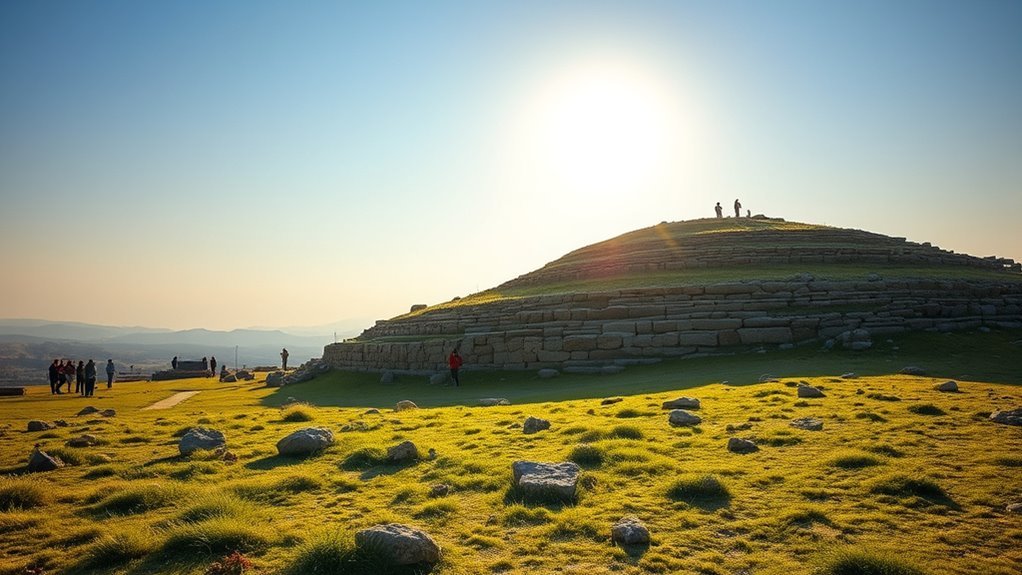
Timing matters when you want the most from Oylum Höyük. Visit in spring (April–June) or autumn (September–October) for mild temperatures, comfortable walking conditions on the mound’s dirt paths, and clearer skies for photography. Gentle breezes make it easier to explore without heat fatigue, and low-angle light picks out texture on the excavated walls and pottery fragments.
Spring and autumn bring the mild air, clear skies, and low light that reveal the most detail in Oylum Höyük’s ancient walls.
Spring brings blooming fields across the Kilis Plain; autumn turns the surrounding grasses bronze and quiets the trails. Plan mornings for the crispest light and softest crowds, and check with the Kilis Museum or local tourism office ahead of time for any rotating exhibits tied to that season’s finds. If a local festival falls during your visit, it’s a good opportunity for cultural context — just expect more foot traffic near the site that day.
Getting to Oylum Höyük
Oylum Höyük sits about 7 km east-southeast of Kilis city center, near Oylum village on the Gaziantep–Kilis road. There’s no public transport directly to the site, so plan on a taxi, rental car, or organized tour from Kilis or Gaziantep. Once you reach the village, you’ll leave the car and walk roughly 200 meters up a narrow, unshaded path to the top of the mound — sturdy shoes matter more here than at a paved museum site.
Note: Because this is a working excavation rather than a managed tourist site, it’s worth calling ahead through your accommodation or a local guide to confirm the site is accessible on the day you plan to visit — dig schedules and access can shift with the season.
Choosing a Month: Photography, Hiking, Budget, or Solitude
Pick the month that matches what you actually want from the visit — sharp sunrise light for photos, cooler conditions for a longer walk around the mound, lower prices during shoulder season, or a quiet morning with no one else on-site.
- Photography: Aim for clear spring or autumn mornings with early sunrises and calm evenings — good for wide shots of the mound against the Kilis Plain and for capturing texture in the exposed trench walls.
- Hiking/walking: Pick cooler shoulder months if you want to spend longer on the unshaded mound path without overheating; there’s no shade cover on the climb up.
- Budget & solitude: Shoulder months combine lower lodging costs in Kilis with thinner visitor numbers, giving you more time with any guide on-site and fewer people in your photos.
Spring and Autumn Weather at Oylum Höyük
In spring or autumn, mornings bring cool, crisp air that warms into pleasantly mild afternoons, while evenings can turn chilly fast — pack layers.
Spring brings wildflowers across the Kilis Plain; autumn turns the grasses bronze and highlights the mound’s sculpted earth tones. Days offer generous daylight for walking the site and framing photographs without rushing, and the lower sun angle casts long shadows that bring out relief in exposed pottery and stonework.
Breezes are usually gentle but can gust — check the forecast and bring a windproof layer. Rain is sporadic in these months; a compact waterproof is worth packing just in case.
Warning: There’s no shade on the mound itself, and the climb up is on an uneven dirt path. Bring water, sun protection, and sturdy shoes even in the shoulder seasons — afternoon sun exposure adds up quickly with nowhere to shelter.
Seasonal Crowds and On-Site Services at Oylum Höyük
Oylum Höyük never feels crowded the way major tourist sites do, but visitor numbers do rise in summer and around local holidays, so the trenches and paths are busiest from late June through August.
You may notice small groups arriving for local festivals, with more foot traffic and longer waits if the site guard is giving tours. Services stay minimal year-round — there’s no visitor center, so what you get depends largely on who’s on-site that day.
Excavation areas are kept separate from general walking paths to protect ongoing digs; stick to marked routes and follow any guide’s instructions about where you can and can’t go.
Pro Tip: Arrive early in the morning. You’ll get the coolest temperatures, the best light for photos, and the best chance of an unhurried conversation with the site guard if one is present that day.
- Plan: Arrive early for quieter trenches, and ask any on-site guide about which viewing spots are open that day.
- Prepare: Bring water, sun protection, and cash for any local guesthouse or transport, since amenities on-site are minimal.
- Respect boundaries: Local festivals add cultural context, but stay out of active dig zones and follow staff instructions.
Monthly Cost Differences: Travel, Lodging, and Tours
Prices in Kilis and nearby Gaziantep shift through the year, so trip timing affects your budget more than you’d expect for a site this modest.
Travel costs tend to dip in late fall and winter, when bus and flight demand into the region drops. Spring months push lodging prices up in Kilis as history-focused travelers arrive; booking early or choosing a guesthouse on the edge of town helps keep costs down. Summer brings fewer bargains, since heat keeps casual visitor numbers lower even as tour operators stay flexible on group rates.
Choosing shoulder season generally means lower guided-tour costs and no tourist-season markup on local meals. Compare nightly rates between hotels and homestays — homestays often include meals, which cuts your daily spend. It’s also worth asking about combined tickets or transport that cover both Oylum Höyük and the Kilis Museum, since seeing the excavated finds alongside the site itself gives better context for the visit.
Frequently Asked Questions
Are guided archaeological tours available year-round?
The site itself is generally accessible year-round, but the excavation season typically runs from spring through summer, and any tour you get is informal — often led by the site’s guard rather than a scheduled operator. Confirm access ahead of your visit through your accommodation or a local guide, since dig activity can affect what’s open on a given day.
Is Oylum Höyük wheelchair accessible?
No. The site sits atop a mound reached by a roughly 200-meter unpaved path with an uneven, sloped surface, and there are no ramps or paved walkways. Visitors with mobility needs should plan for assistance and treat the climb as a genuine hike rather than a short stroll.
Are there nearby accommodations in Kilis city?
Yes. Kilis has a range of hotels and guesthouses within easy reach of the site by taxi or rental car, making it the most practical base for a visit rather than staying directly at Oylum village.
Can I combine a visit with Gaziantep day trips?
Yes. Gaziantep sits along the same road corridor as Kilis, and many visitors pair Oylum Höyük with Gaziantep’s museums and food scene, particularly the Gaziantep Archaeology Museum and the Zeugma Mosaic Museum, as part of a single southeastern Turkey itinerary.
Are there entrance fees or permits required?
There’s no formal ticket booth at Oylum Höyük — access is informal, and any on-site tour from the site guard is typically free, though a small tip is appreciated. Permits only come into play for formal research, filming, or drone photography; ordinary visitors don’t need to arrange anything in advance beyond confirming the site is open that day.
Conclusion
Visit Oylum Höyük in the shoulder months and you’ll get the site at its best — April–June and September–October bring crisp light for sunrise photos, comfortable walking conditions, and thinner crowds around the trenches. Costs dip too, especially if you book Kilis lodging early or combine the trip with a stop at the Kilis Museum and a Gaziantep day trip. Whichever month you choose, come prepared for an unpaved, unshaded climb and an informal, guide-led experience rather than a polished museum visit — that’s part of what makes a 5,500-year-old working excavation worth the trip.
Sources
- Oylum, Kilis — Wikipedia — site location, settlement history, and excavation background
- T.C. Kilis Valiliği — Oylum Höyük — official regional government description of the mound’s size, location, and research history
- Anatolian Archaeology — 2025 Excavations at Oylum Höyük — current excavation leadership and Hittite-period findings
- Kilis Museum — Wikipedia — where Oylum Höyük artifacts are displayed
- Türkiye Today — Unveiling History at Oylum Höyük — excavation team, project partners, and site dimensions