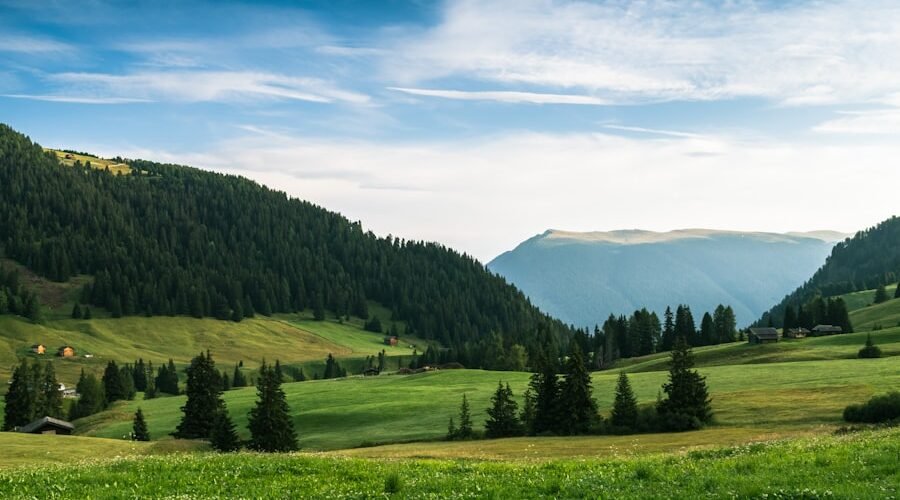
Planning a trip to Exeter requires balancing Devon’s maritime climate, seasonal crowd surges, and regional event schedules. Located along the River Exe, this historic cathedral city experiences mild winters and pleasant summers, but each season offers a distinct trade-off between daylight, accommodation rates, and outdoor accessibility. Choosing the ideal window depends entirely on whether your priority is hiking Dartmoor in warm sunshine, browsing festive winter markets, or securing discounted boutique stays during quiet shoulder months.
Quick Answer
The best time to visit Exeter is during the shoulder months of May to June and September to October. These periods offer comfortable temperatures (15°C to 19°C), lower rainfall than winter, manageable crowds at Exeter Cathedral and the Historic Quayside, and lower accommodation rates than peak July and August.
Key Takeaways
- Peak Season (July–August): Warmest temperatures (20°C–22°C) and longest daylight (16+ hours), but peak hotel prices and crowded attractions.
- Shoulder Season (April–May & September–October): Optimal mix of mild weather, blooming gardens or autumn foliage, and moderate travel costs.
- Low Season (November–February): Coolest weather (7°C–10°C) and higher rainfall, offset by festive Christmas markets and the cheapest accommodation of the year.
- Outdoor Activities: Late spring through early autumn provides the safest, driest conditions for exploring nearby Dartmoor National Park and the Exe Estuary Trail.
1. Summer in Exeter (June to August): Peak Warmth and Vibrant Energy
Summer brings long daylight hours, bustling outdoor terraces along the Quayside, and peak tourist activity across Devon. With up to 16 hours of daily sunlight in midsummer, visitors have ample time to combine city exploration with day trips to the South Devon coast.
Peak Sunshine and Warmth
- Comfortable Temperatures: Daytime highs average 20°C to 22°C (68°F–72°F), occasionally climbing above 26°C during heatwaves. It provides ideal conditions for dining al fresco along the River Exe and walking the ancient city walls.
- Extended Daylight: June and July offer daylight past 9:30 PM, maximizing time for hiking the nearby trails at Haldon Forest Park or cycling the Exe Estuary Trail down to Exmouth.
The Buzz of the Season
- Lively City Center: The Cathedral Green becomes an open-air gathering hub, street buskers perform along the High Street, and water sports (kayaking, paddleboarding, and canoeing) operate at full capacity on the canal basin.
- Cultural Activity: Outdoor theatre, live music sessions in historic courtyards, and artisan food fairs take advantage of the dry weather windows.
Summer Downsides: Crowds and Costs
- High Accommodation Rates: Hotel and B&B prices increase significantly between July and late August. Early reservations—often 2 to 3 months ahead—are recommended for central Exeter accommodations.
- Longer Attraction Queues: High visitor numbers mean advance booking is required for guided tours of the medieval Exeter Underground Passages and entry slots for specialized cathedral tower tours.
Pro Tip: If visiting Exeter during July or August, visit popular sites like Exeter Cathedral early in the morning right at opening (9:00 AM) or after 4:00 PM to avoid coach tour groups.
2. Autumn in Exeter (September to November): Golden Foliage and Thinning Crowds
Autumn marks a gentle transition across Devon. The heavy summer tourist traffic disperses as schools resume in September, leaving the city calm, accessible, and framed by golden foliage along Northernhay Gardens and the canal banks.
Pleasant Weather and Golden Hues
- Mild September Days: September frequently delivers some of the most stable, sunny weather of the year, with daily highs around 18°C (64°F) and pleasant walking conditions.
- Vibrant Autumn Scenery: By late October, the trees surrounding Exeter Cathedral, Rougemont Gardens, and the River Exe valley display rich amber and red tones, creating scenic backdrops for photography and walking tours.
Reduced Crowds and Better Value
- Relaxed Sightseeing: Queues at the Royal Albert Memorial Museum & Art Gallery (RAMM) and Quayside antique centers clear out, allowing for unhurried exploration.
- Lower Hotel Tariffs: Midweek room rates drop noticeably after the first week of September, making boutique city stays more affordable.
What to Expect: Shorter Days and Variable Weather
- Decreasing Daylight: Daylight hours decrease rapidly from approximately 12.5 hours in late September to around 8.5 hours by late November.
- Increased Rainfall: October and November rank among the wettest months in Devon, requiring a reliable waterproof outer layer and sturdy footwear for cobbled streets.
3. Winter in Exeter (December to February): Festive Cheer and Budget Travel
While winter brings chilly temperatures and shorter daylight windows, it offers genuine charm for cultural travelers, shoppers, and budget-conscious visitors seeking a cozy city break.
Festive Cheer and Cosy Vibes
- Exeter Cathedral Christmas Market: Running from mid-November through mid-December, the Cathedral Green transforms into a Bavarian-style village featuring artisan crafts, local Devon ciders, West Country cheeses, and international street food.
- Historic Pub Culture: Winter is ideal for enjoying Exeter’s historic inns, such as the 14th-century Ship Inn or cozy riverside taverns, with log fires and hearty Devon ales.
- Indoor Cultural Venues: Rainy winter afternoons provide the perfect opportunity to tour RAMM’s diverse collections, visit independent galleries, or explore the historic Guildhall.
Significant Savings
- Low-Season Hotel Deals: January and February offer the lowest room rates of the year, with upscale hotels offering seasonal discounts and dinner-inclusive packages.
- Cheaper Transport: Off-peak train tickets via Great Western Railway and South Western Railway are widely available at lower advance rates.
Winter’s Embrace: Cold and Damp
- Chilly Temperatures: Daytime highs average 8°C to 10°C (46°F–50°F), with overnight lows dropping near freezing (2°C–4°C). Frost is common, though heavy snowfall in the city center is rare.
- Frequent Showers: Atlantic weather fronts bring frequent rain. Keeping an umbrella and layering with thermal knitwear ensures comfortable city walking.
Note: Some seasonal boat cruises along the Exe Estuary and canal basin operate on restricted schedules or pause entirely between November and March. Check local sailing timetables in advance.
4. Spring in Exeter (March to May): Blooming Gardens and Mild Days
Spring sees Exeter reawaken with blooming magnolia trees, blossoming riverside walks, and expanding outdoor activities. As temperatures climb into the mid-teens, the city becomes a scenic base for regional exploration before peak summer crowds arrive.
The Bloom and Re-emergence
- Floral Displays: Spring flowers carpet Northernhay Gardens, the University of Exeter’s botanical grounds (Streatham Campus), and the Cathedral Cloister Garth starting in March.
- Lengthening Days: By May, daylight extends to nearly 16 hours, providing ample evening light for walking along the Quayside or dining at riverside bistros.
Balancing Crowds and Costs
- Moderate Rates: March and April offer good accommodation value outside of the two-week Easter holiday period.
- Rising May Demand: Late May coincides with the UK Spring Bank Holiday and school half-term, leading to an early spike in visitor numbers and accommodation pricing.
Spring’s Nuances: Variable Weather
- Changeable Conditions: “April showers” are common across Devon. A single afternoon can shift between brilliant blue skies and sudden brisk downpours.
- Layering Strategy: Pack a medium-weight fleece, a windproof waterproof jacket, and comfortable walking shoes suitable for both pavement and nature trails.
5. Shoulder Seasons: The Ultimate Sweet Spot (April–May & September–October)
For most travelers, the shoulder periods of late spring and early autumn represent the optimal time to visit Exeter. These windows combine mild temperatures, manageable visitor numbers, and full operational hours across all major heritage sites.
| Month | Avg High / Low (°C) | Rainfall (mm) | Crowd Level | Accommodation Cost |
|---|---|---|---|---|
| January | 9°C / 3°C | 82 mm | Low | Low |
| February | 9°C / 3°C | 62 mm | Low | Low |
| March | 12°C / 4°C | 58 mm | Low–Med | Moderate |
| April | 14°C / 5°C | 54 mm | Medium | Moderate |
| May | 17°C / 8°C | 56 mm | Medium | Moderate |
| June | 20°C / 11°C | 52 mm | Med–High | High |
| July | 22°C / 13°C | 50 mm | High | Peak |
| August | 22°C / 13°C | 58 mm | High | Peak |
| September | 19°C / 11°C | 58 mm | Medium | Moderate |
| October | 15°C / 8°C | 86 mm | Medium | Moderate |
| November | 12°C / 5°C | 88 mm | Low–Med | Low |
| December | 9°C / 3°C | 88 mm | Medium (Festive) | Moderate |
Why Shoulder Seasons Stand Out
- Comfortable Walking Weather: Average temperatures between 14°C and 18°C make climbing Stepcote Hill, touring the historic walls, and cycling the estuary trail far more comfortable than during summer heat spikes.
- Shorter Queues: Key attractions maintain regular summer opening hours, but without the coach tour congestion seen in July and August.
- Accessible Dining: Top independent restaurants around Gandy Street, Magdalen Road, and the Quayside have greater walk-in table availability on weekdays.
Prime Shoulder Windows
- Late April to Mid-May: Best for catching spring blooms, mild weather, and longer daylight before summer rate increases take effect.
- Mid-September to Mid-October: Highly recommended by locals for pleasant sea temperatures on the nearby Jurassic Coast, calm conditions on Dartmoor, and lower hotel prices.
6. Planning Around Events and Festivals
Exeter hosts cultural, culinary, and historic festivals throughout the year that can enrich your itinerary or influence accommodation availability.
Key Annual Highlights
- Exeter Craft Festival (July): A three-day gathering on Cathedral Green showcasing over 100 West Country artists, ceramicists, and craftsmen.
- Exeter Respect Festival (June): Exeter’s annual celebration of diversity and community arts at Belmont Park, featuring live international music, dance, and food stalls.
- Exeter Pride (May): One of the South West’s biggest LGBTQ+ celebrations, with a colorful parade from the city center to Northernhay Gardens.
- Exeter Cathedral Christmas Market (November–December): Devon’s biggest holiday market, featuring wooden chalets, local food producers, and festive evening illuminations on Cathedral Green.
Practical Tips for Event Planning
- Book Accommodation Early for Festivals: Central hotel rooms sell out weeks in advance for Exeter Pride, graduation weeks at the University of Exeter (July), and key weekends of the Christmas Market.
- Consider Public Transit: Exeter is served by two main rail hubs—Exeter St Davids (mainline services from London Paddington and the Midlands) and Exeter Central (conveniently located in the shopping and dining district). Using rail avoids city-center traffic and parking congestion during festival weekends.
- Consult Official Listings: Check the Visit Exeter Official Tourism Guide before finalizing travel dates to confirm current performance schedules and temporary venue closures.
Whether you choose the bustling warmth of summer, the festive glow of winter, or the balanced value of the spring and autumn shoulder seasons, Exeter provides a rich mix of maritime history, architectural heritage, and West Country culture across every month of the year.
Frequently Asked Questions
What is the best time to visit Exeter in terms of weather?
The best weather occurs during the summer months of June, July, and August, when daily temperatures average 20°C to 22°C (68°F–72°F), monthly rainfall is at its annual low (50–58 mm), and daylight lasts up to 16 hours. Early September also regularly delivers dry, warm conditions.
When is the best time to visit Exeter to avoid crowds?
To avoid crowds, visit during the shoulder seasons of April to May or September to October (outside of UK school holidays and bank holiday weekends). Visitor numbers at Exeter Cathedral, the Underground Passages, and the Quayside are substantially lower than during peak summer.
What is the most cost-effective time to visit Exeter?
The most cost-effective time is during the low season between January and March (excluding the February school half-term). Hotel rates, B&B prices, and off-peak train tickets reach their lowest prices of the year, with many boutique accommodations offering discounted seasonal packages.
When is the peak tourist season in Exeter?
Peak tourist season runs from late June through August, coinciding with UK school summer holidays and regional festival schedules. A second mini-peak occurs between late November and mid-December due to the popular Exeter Cathedral Christmas Market.
What are the main events and festivals in Exeter throughout the year?
Key annual events include Exeter Pride (May), the Exeter Respect Festival (June), the Exeter Craft Festival on Cathedral Green (July), and the month-long Exeter Cathedral Christmas Market (November to December).
Sources
- Visit Exeter Official Tourism Guide — City event dates, heritage attraction opening hours, and regional visitor information.
- UK Met Office Climate Averages — Long-term South West England temperature, sunshine hours, and rainfall datasets.
- Exeter Cathedral Heritage Archive — Information on cathedral tours, architectural history, and Christmas Market dates.
- Royal Albert Memorial Museum & Art Gallery (RAMM) — Museum exhibitions, family event schedules, and visitor details.