

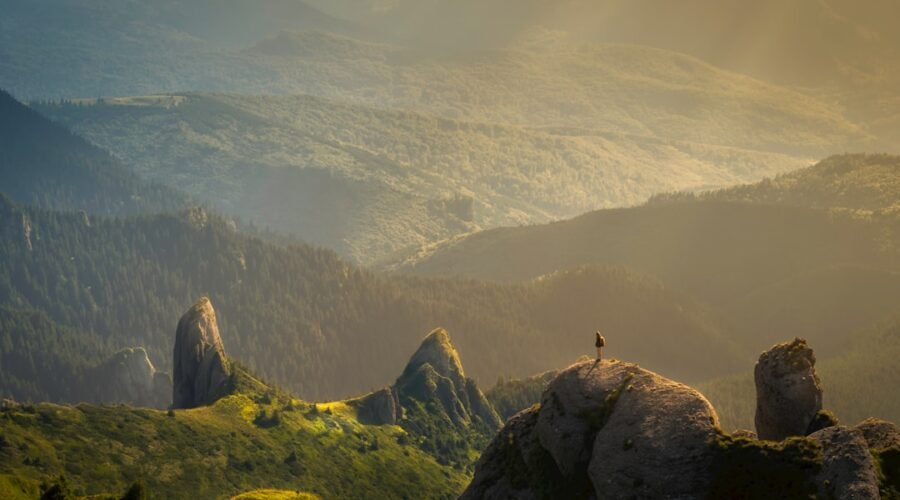
So, you’re thinking about heading to Phu Soi Dao National Park in Uttaradit? Smart move. It’s a stunning place, and knowing the best time to go can really make or break your trip. The simple answer to “when is the best time to visit Phu Soi Dao?” is generally November to February. This period offers the most comfortable weather for trekking and enjoying the natural beauty without battling extreme heat or heavy rain. But, as with most things, there’s a bit more to it than just that. Let’s break down what you need to consider to pick your perfect Phu Soi Dao window. Knowing the best time to visit Phu Soi Dao National Park Uttaradit helps you plan around weather, crowds, and budget.
Compare our seasonal guides to Phetchabun, Thailand and Phatthalung, Thailand when choosing other stops in Thailand.
Phu Soi Dao has a pretty distinct climate that cycles through hot, rainy, and cool seasons. Understanding these will help you align your visit with your comfort level and what you want to see and do. It’s not just about avoiding the rain; it’s about embracing what each season has to offer.
The Cool and Dry Season: Peak Comfort and Clear Skies
This is the sweet spot for most visitors, and for good reason. From roughly November through February, the weather is at its most pleasant. Think crisp mornings, comfortable daytime temperatures, and minimal rain.
November: The Gentle Transition
As the rainy season winds down, November offers a gentle introduction to the cooler months. The landscape is still lush and green from the recent rains, but the downpours are becoming less frequent. It’s a great time for hiking before the crowds really pick up.
Daytime Temperatures
Expect pleasant daytime temperatures, often in the mid-20s Celsius (around 77°F). Evenings and early mornings will be cooler, perfect for sitting around a campfire or enjoying a hot beverage.
Rainfall Likelihood
While it’s the dry season, there’s still a small chance of lingering showers, especially earlier in the month. However, these are usually brief and won’t typically disrupt your plans for extended periods.
Flora and Fauna
The forests are vibrant, and the waterfalls, if any are flowing, will be at their most impressive. Birdwatching can also be excellent during this transitional period.
December to February: The Golden Window
These months represent the absolute prime time to visit. The weather is consistently good, making it ideal for extended treks and enjoying the panoramic views without the haze or heat.
Ideal Temperatures for Exploration
Daytime temperatures typically hover between 20-25°C (68-77°F), and nights can dip to 10-15°C (50-59°F). This is perfect trekking weather – you won’t be sweating profusely, nor will you be shivering.
Minimal Rainfall, Maximum Sunshine
Rain is very rare during these months. You can pretty much guarantee sunny days and clear skies, which is crucial for those stunning mountain vistas Phu Soi Dao is known for.
The Full Bloom of Nature
The cool season often brings out beautiful wildflowers, especially the unique “Dok Phong” (or Phu Soi Dao Grass Flower) which carpets the mountaintops in a sea of purple. This is a major draw for photographers and nature lovers.
The Hot Season: Heat and Opportunity
March through May is the hot season in Phu Soi Dao. While it’s less ideal for strenuous hikes in the midday sun, it can still be a viable time to visit if you’re prepared and strategic.
March to May: Rising Temperatures
Daytime temperatures can climb significantly, often reaching the high 30s Celsius (over 100°F). The heat can be intense, especially at lower elevations.
Early Morning and Late Afternoon Advantage
If you plan to hike during these months, focusing your efforts on early mornings and late afternoons is key. This allows you to avoid the peak heat of the day.
Water Sources and Dry Falls
With less rain, some smaller waterfalls might dry up. However, the main streams feeding the park’s reservoir will likely still have water.
Fewer Crowds, Different Scenery
This is generally a quieter time at the park, meaning fewer people. The landscape can appear drier, but there are still beautiful sights to behold, and the opportunities for stargazing can be excellent with clearer night skies.
The Rainy Season: Lush Greenery and Challenges
June through October is Phu Soi Dao’s rainy season. This is when the park truly lives up to its name with lush, vibrant green landscapes and thundering waterfalls. However, it comes with significant challenges.
June to October: The Monsoon’s Embrace
Expect frequent and often heavy rainfall. The humidity levels will be high.
Trekking Difficulties
Trails can become muddy, slippery, and treacherous. Some routes might be impassable, especially after heavy downpours. Flash floods are a potential risk in certain areas.
Waterfall Wonders
This is when the waterfalls are at their most spectacular, powerful, and full. If your primary goal is to see cascading water, this is the season.
Vibrant, Lush Landscapes
The entire park is incredibly green and alive. The air is fresh, and the sounds of nature are amplified by the rain.
Specific Months within the Rainy Season
June and July: The Onset of the Rains
The rains typically start picking up in June and are in full swing by July. The initial downpours can be intense.
August and September: Peak Rainfall
These are usually the wettest months. Planning for very damp conditions is essential.
October: The Transition Back to Dry
As the season winds down, October sees a gradual decrease in rainfall. The landscape remains exceptionally green, but the trails begin to dry out, making it a good time for those who missed the cooler dry season.
Best Time To Visit Phu Soi Dao National Park Uttaradit: Navigating Crowds: When to Seek Solitude
Phu Soi Dao isn’t typically overrun with tourists like some of Thailand’s more famous destinations, but there are definitely peak times when you’ll encounter more people. Understanding these can help you decide if you prefer a lively atmosphere or a more tranquil experience.
Peak Tourist Periods: Expect More Company
These are the times when most people decide to visit, coinciding with favorable weather and school holidays.
December and January: The Holiday Rush
These months, especially around Christmas and New Year’s, are the busiest. Many Thais and international tourists take advantage of the excellent weather to visit.
Popular Trails and Campsites
Expect the main hiking trails and the popular campsite areas to be more populated. Booking accommodation or campsite spots in advance is highly recommended.
Camaraderie and Shared Experience
For some, the busier periods offer a chance to meet other travelers and enjoy a more social atmosphere.
Weekends and Public Holidays
Even outside the absolute peak months, weekends and any Thai public holidays will see an increase in visitors, particularly from nearby cities.
Shoulder Seasons: The Sweet Spot for Peace
Visiting just before or after the absolute peak can offer a fantastic balance of good weather and fewer crowds.
November: The Gentle Buildup
As mentioned, November offers great weather and the crowds are still relatively light as people ease into the cooler season.
February: The Lingering Charm
February is still part of the ideal weather window, but the intense holiday crowds have typically dispersed, leaving a more relaxed atmosphere.
Off-Season Tranquility: For the Solitude Seekers
If your priority is to have the park largely to yourself, then the off-season is your time.
March to May: The Quiet Heat
While it’s hot, this period sees a significant drop in visitor numbers. You’ll likely find yourself with plenty of space on the trails and at the campsites.
June to October: The Rainy Season Solitude
The rainy season is by far the quietest time. You’ll have the park’s dramatic natural beauty almost entirely to yourself, but you’ll need to be prepared for the conditions.
Cost Considerations: Budgeting Your Phu Soi Dao Adventure
When thinking about the “best” time to visit, cost is often a factor. While Phu Soi Dao isn’t an expensive destination, prices for accommodation and services can fluctuate slightly depending on the season.
Entrance Fees and Park Services: Generally Consistent
The standard entrance fee for Phu Soi Dao National Park is usually quite reasonable and remains consistent throughout the year. This applies to both Thai citizens and foreigners.
National Park Admission
Be prepared for a small entrance fee per person and per vehicle. These fees are typically modest and go towards park maintenance and conservation.
Campsite and Accommodation Fees
Camping is very affordable. If you opt for the basic park-provided bungalows or tents, these will also have set prices that are generally low.
Accommodation Price Fluctuations: Seasonal Shifts
While the park’s own accommodations are budget-friendly and don’t change much, any guesthouses or lodges outside the park might have slight variations.
Peak Season Premiums (Slightly)
During the absolute peak months of December and January, you might find that any private accommodations or popular guesthouses near the park entrance could have slightly higher rates due to demand. However, this difference is usually not drastic.
Off-Season Value
During the hot season (March-May) and the rainy season (June-October), you’ll find the best value for money. Demand is lower, so prices for external services are likely to be at their most competitive.
Transportation Costs: Location Matters
Your biggest cost variable will likely be how you get to Uttaradit and then to the park.
Getting to Uttaradit
This will depend on your starting point. Flights to nearby airports like Phitsanulok (which is a few hours away) or taking an overnight train or bus are common options. Booking these in advance, especially during peak season, can sometimes save you money.
Local Transportation to the Park
Once in Uttaradit, you’ll need to arrange transport to the park. This could involve a bus to a nearby town and then a songthaew (shared taxi) or hiring a private taxi. The cost of this is relatively fixed but will be an additional expense.
What to Pack: Tailoring Your Gear to the Season
Your packing list will heavily depend on when you decide to visit. Packing appropriately is crucial for comfort and safety in Phu Soi Dao.
For the Cool and Dry Season (November to February)
This is when you want layers.
Clothing Essentials
- Base Layers: Lightweight, moisture-wicking tops and bottoms.
- Mid Layers: Fleece jacket, warm sweater, or down vest for cooler evenings and mornings.
- Outer Layer: A windproof and water-resistant jacket, even though rain is unlikely, it can get breezy.
- Trekking Pants: Comfortable, quick-drying trousers.
- Warm Socks: Several pairs of wool or synthetic hiking socks.
- Comfortable Camp Clothes: Something warm and cozy for relaxing.
Footwear
- Sturdy Hiking Boots: Broken-in and waterproof.
- Camp Shoes/Sandals: For relaxing at the campsite.
Other Essentials
- Sun Protection: Hat, sunglasses, high SPF sunscreen.
- Insect Repellent: Essential, even in cooler months.
- Headlamp or Flashlight: With extra batteries.
- Water Bottle or Hydration Pack: Crucial for staying hydrated.
- Small Backpack: For day hikes.
- Camera: To capture the stunning scenery.
For the Hot Season (March to May)
Focus on staying cool and protected.
Clothing Essentials
- Lightweight, Breathable Clothing: Loose-fitting shirts and shorts made of natural fibers like cotton or linen, or moisture-wicking synthetics.
- Long Sleeves and Pants: Lightweight options for sun protection and to deter insects.
- Wide-Brimmed Hat: For maximum sun coverage.
- Bandana or Scarf: For keeping cool and protecting your neck.
Footwear
- Breathable Hiking Shoes: Ensure good ventilation.
- Sandals or Flip-Flops: For breaks.
Other Essentials
- Plenty of Sunscreen: Reapply frequently.
- Electrolyte Tablets or Drinks: To combat dehydration.
- Portable Fan (optional): Can be a lifesaver.
- More Water: Carry more water than you think you’ll need.
For the Rainy Season (June to October)
This requires preparedness for wet conditions.
Clothing Essentials
- Waterproof and Breathable Rain Jacket and Pants: Essential for staying dry.
- Quick-Drying Clothing: Synthetic fabrics are best as they dry faster.
- Moisture-Wicking Base Layers: To help manage sweat in humid conditions.
- Warm Layers (for evenings): Even though it’s humid, temperatures can drop slightly after rain, and it can feel cooler in wet clothes.
- Waterproof Socks (optional but recommended): Keep your feet drier.
Footwear
- Waterproof Hiking Boots: Absolutely critical.
- Gaiters: To prevent water and mud from entering your boots.
- Quick-Drying Camp Shoes: Something to wear when your hiking boots are drying.
Other Essentials
- Waterproof Bags/Dry Bags: To protect your electronics, spare clothes, and sleeping bag.
- Trekking Poles: Invaluable for navigating slippery and muddy trails.
- Insect Repellent: Mosquitos thrive in wet conditions.
- First-Aid Kit: With extra bandages and antiseptic wipes for potential slips and falls.
- Plastic Bags: For damp items and trash.
- Towel: Quick-drying microfibre towels are best.
Activities and Experiences: What Each Season Offers
| Month | Weather | Crowds | Costs |
|---|---|---|---|
| November – February | Cool and dry | High | High |
| March – May | Hot and dry | Medium | Medium |
| June – October | Rainy season | Low | Low |
The “best” time to visit also depends on what you want to do and experience in Phu Soi Dao. Each season brings its own unique set of activities and opportunities.
Trekking and Hiking: The Core Attraction
Phu Soi Dao is primarily known for its stunning trekking routes, especially to the summit and its surrounding viewpoints.
Cool and Dry Season (November-February): Prime Trekking Conditions
- Clear Trails: Trails are usually in good condition, dry, and safe for hiking.
- Panoramic Views: Excellent visibility means you can enjoy the vast landscapes from the summit.
- Flower Power: Witness the breathtaking fields of Phu Soi Dao Grass Flowers (“Dok Phong”) in late November and December.
- Comfortable Temperatures: Hiking is enjoyable without extreme heat or humidity.
Hot Season (March-May): Early Bird Hikes
- Early Morning/Late Afternoon Focus: Plan your treks for the cooler parts of the day.
- Drier Landscapes: The landscape will be drier, which can be beautiful in its own way.
- Fewer People: Enjoy more solitude on the trails.
Rainy Season (June-October): Adventurous and Challenging Treks
- Waterfalls at Their Peak: This is the best time for waterfall enthusiasts.
- Lush Greenery: Experience the park in its most vibrant, verdant state.
- Caution Required: Trails can be slippery and muddy. Some routes may be closed due to safety concerns. Flash flood awareness is crucial.
- Unique Sounds: The forest comes alive with the sounds of rain and wildlife.
Waterfall Gazing: A Seasonal Spectacle
If waterfalls are a major part of your Phu Soi Dao experience, your timing is critical.
Rainy Season (June-October): The Ultimate Waterfall Season
- Majestic and Powerful: Witness the park’s numerous waterfalls in their full glory, with strong currents and impressive volumes of water.
- Dramatic Scenery: The surrounding vegetation is also at its most lush, enhancing the beauty of the falls.
Cool and Dry Season (November-February): Lingering Beauty
- Some Falls Still Flowing: Many of the larger waterfalls will still have a good flow, especially earlier in the season.
- Easier Access: Trails to waterfalls are usually dry and easy to navigate.
Hot Season (March-May): Diminished Flow
- Reduced Volume: Many smaller falls may have dried up completely. Larger ones will have a significantly reduced flow.
- Focus on Other Sights: This season is better suited for activities other than waterfall chasing.
Wildlife and Birdwatching: Timing is Key
Phu Soi Dao is home to diverse flora and fauna, and certain times of year are better for spotting wildlife.
Early Morning and Late Afternoon
Regardless of the season, these are generally the best times of day for wildlife sightings, as many animals are most active during the cooler parts of the day.
Cool and Dry Season (November-February)
- More Visible Animals: With less dense foliage and more comfortable conditions, some animals might be easier to spot.
- Bird Migrations: Depending on the exact timing, you might catch migratory birds passing through.
Rainy Season (June-October)
- Increased Insect Life: This attracts insectivorous birds and other animals that feed on them.
- Camouflage: The dense foliage can make spotting animals harder, but it also provides excellent camouflage for many species.
Photography: Capturing the Essence
The best time for photography depends on what you want to capture.
Cool and Dry Season (November-February)
- Golden Light: The soft light of early mornings and late afternoons is ideal.
- Clear Vistas: Perfect for landscape photography from the summit.
- Wildflower Blooms: The “Dok Phong” fields are a photographer’s dream.
Rainy Season (June-October)
- Dramatic Skies: Stormy skies can add incredible drama to landscape shots.
- Lush Greens and Moody Waterfalls: The vibrant colors and powerful water features create stunning imagery.
- Challenging Light: Dealing with low light and rain can be a challenge but also rewarding.
Ultimately, Phu Soi Dao is a beautiful destination year-round, offering something unique in each season. By considering the weather, crowd levels, and your desired activities, you can pinpoint the perfect time for your adventure.
FAQs
1. What is the best time to visit Phu Soi Dao National Park in Uttaradit?
The best time to visit Phu Soi Dao National Park is during the cool and dry season, which typically runs from November to February. During this time, the weather is pleasant and the park is less crowded.
2. What is the weather like at Phu Soi Dao National Park throughout the year?
Phu Soi Dao National Park experiences a tropical climate, with hot and humid conditions during the summer months (March to May) and cooler temperatures during the winter months (November to February). The rainy season typically occurs from June to October.
3. When are the crowds at Phu Soi Dao National Park the busiest?
The park tends to be busiest during the Thai holiday periods, such as Songkran (April) and the New Year period (December to January). Weekends and public holidays also see an increase in visitor numbers.
4. Are there any specific costs associated with visiting Phu Soi Dao National Park?
Visitors to Phu Soi Dao National Park are required to pay an entrance fee, which varies for Thai nationals and foreign tourists. Additionally, there may be costs associated with guided tours, camping permits, and other activities within the park.
5. What activities are available at Phu Soi Dao National Park?
Visitors to Phu Soi Dao National Park can enjoy a range of activities, including hiking, birdwatching, camping, and nature photography. The park is home to diverse flora and fauna, as well as stunning waterfalls and scenic viewpoints.




[…] Phu Soi Dao National Park, Uttaradit […]