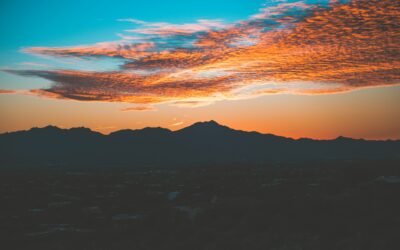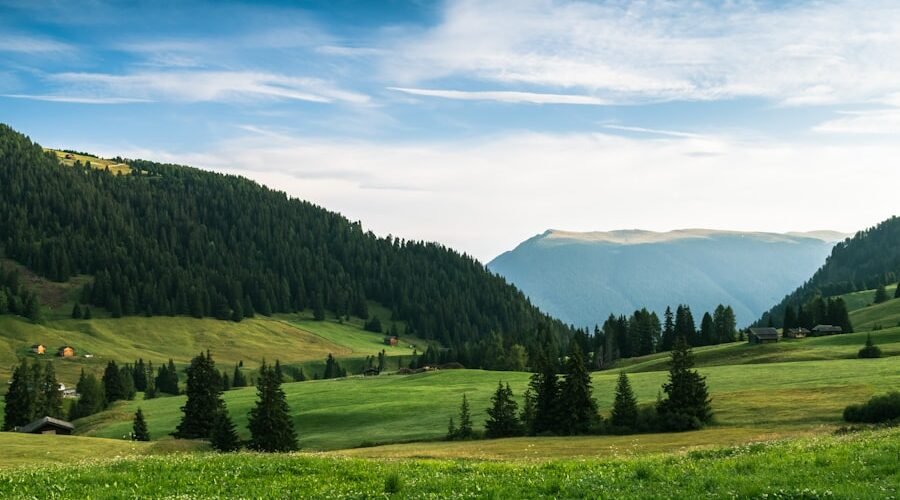
Planning a journey to Taraklı—the peaceful heritage district tucked into the foothills of southern Sakarya—requires timing your visit around its distinct continental microclimate. Celebrated as one of Turkey’s premier certified “Cittaslow” (Slow City) destinations, this historic settlement is renowned for its three-story Ottoman-era timber mansions, narrow cobblestone alleys, and pristine rural surroundings. Because Taraklı sits inland between the Marmara plains and the rugged Black Sea hinterland, each season brings a fundamentally different travel experience, ranging from vibrant wildflower blooms and golden autumnal foliage to quiet, mist-covered winter streets.
Quick Answer
The best time to visit Taraklı is during the shoulder seasons of late spring (April to May) and early autumn (September to October). These months offer comfortable temperatures between 16°C and 24°C (61°F–75°F), minimal rainfall, vibrant natural scenery, and peaceful cobblestone streets free from the heavy domestic weekend crowds of midsummer.
Key Takeaways
- Spring (April–May) delivers lush green landscapes, blooming orchards, and ideal conditions for walking historic streets and hiking to Karagöl Plateau.
- Autumn (September–October) provides crisp air, vibrant fall foliage across the valley, local harvest produce, and pleasant daytime exploration without high humidity.
- Summer (July–August) brings hot midday temperatures (often exceeding 30°C / 86°F) and surges in weekend day-trippers from Istanbul and Ankara.
- Winter (December–February) is cold and quiet, occasionally blanketing the historic wooden mansions in snow—perfect for budget travelers seeking absolute peace by a traditional hearth.
- Weekdays year-round offer significantly more tranquility than weekends, when domestic regional tourism peaks.
Best Time to Visit Taraklı by Season
Taraklı experiences a transitional climate blending inland Anatolian continental weather with maritime moisture originating from the Black Sea. This creates four pronounced seasons, each tailoring itself to different travel preferences, photography styles, and outdoor ambitions.
Spring: Renewal, Wildflowers, and Mild Walking Weather
Spring, extending from March through May, is widely regarded as one of the most delightful periods to explore Taraklı. As the winter frost retreats, the surrounding valleys and mountain slopes awaken with blossoming fruit trees and lush greenery, contrasting against the dark timber beams of centuries-old Ottoman homes.
March serves as an unpredictable transition period. Daytime highs hover around 12°C to 15°C (54°F–59°F), and chilly rain showers remain common. However, tourist traffic is almost nonexistent, giving you uninterrupted access to local craft shops and historic architecture.
April marks the true beginning of comfortable outdoor sightseeing. Average temperatures rise to a pleasant 16°C to 19°C (61°F–66°F). Cobblestone lanes are easy to navigate, gardens burst into bloom, and walking through the village center is refreshing and comfortable.
May delivers peak spring conditions. Daytime temperatures comfortably settle in the low 20s Celsius (around 70°F–74°F), and days grow noticeably longer and sunnier. This is prime season for rural day trips into the surrounding countryside, including hikes toward high-elevation pastures.
Pro Tip: If you visit in late May or early June, you may experience Taraklı’s historic Hıdırellez Herse Festival, an ancestral tradition where locals prepare large cauldrons of slow-cooked meat and wheat pilaf (herse) to celebrate agricultural abundance.
Summer: Sunny Skies, Warm Evenings, and Festive Energy
Summer runs from June through August, bringing abundant sunshine and warm temperatures. While daytime heat encourages a slower pace, long daylight hours allow for tranquil early-morning strolls and relaxing dinners at open-air courtyard restaurants.
June is the most balanced summer month. The intense heat of high summer has not fully set in, with daytime highs averaging 25°C to 27°C (77°F–81°F). The landscape remains vibrant from spring moisture, and evening temperatures drop to comfortable levels for dining outdoors.
July and August represent the warmest and driest stretch of the year. Afternoon temperatures frequently reach 30°C to 33°C (86°F–91°F). Extensive uphill walking through the historic district is best scheduled before 11:00 AM or after 5:00 PM. Midday is best spent browsing indoor workshops, resting in shaded tea gardens beside the historic central plane tree, or driving up to the cooler altitude of Karagöl Plateau.
Autumn: Golden Foliage and Cultural Serenity
For photographers and heritage enthusiasts, autumn (September through November) is arguably the finest season of all. The intense heat dissipates quickly, giving way to crisp mountain air and rich golden, amber, and russet leaves that frame the district’s timber mansions.
September retains pleasant summer warmth without the oppressive afternoon heat, averaging 24°C to 26°C (75°F–79°F). Humidity drops, and the heavy summer crowds taper off rapidly once schools reopen in mid-September.
October showcases the peak of autumn foliage across Sakarya’s southern valleys. Temperatures average a refreshing 16°C to 19°C (61°F–66°F), making daytime exploration effortless. You will want a light jacket for breezy afternoons and chilly evenings. Seasonal harvest goods, including freshly prepared tarhana and simmered grape must, appear across local farm stands.
November ushers in brisk pre-winter temperatures averaging 10°C to 14°C (50°F–57°F). Cloud cover and rainfall increase, while daylight hours shorten. While less suited for extended hikes, November is an ideal month for writers and slow travelers seeking solitude in cozy boutique guesthouses.
Winter: Snowy Mansions and Historic Solitude
From December through February, Taraklı transforms into an exceptionally tranquil destination. Cold air masses settle into the valley, and sub-zero night temperatures are frequent. Snowfall is common across mid-winter, blanketing terracotta roofs and wooden balconies in a storybook layer of white.
December brings overcast skies, frequent drizzle, and occasional morning frost, with temperatures hovering around 6°C to 9°C (43°F–48°F). The streets are quiet, allowing intimate interactions with local shopkeepers and artisans.
January and February are the coldest months of the year, with daytime averages of 4°C to 7°C (39°F–45°F) and freezing nights. When snow blankets the town’s historic homes, Taraklı offers incredible photographic scenery. Visiting during this period offers complete quiet, roaring wood stoves in restored Ottoman guesthouses, and the lowest room rates of the calendar year.
Note: Winter driving on the winding roads connecting Geyve, Taraklı, and Göynük can occasionally be icy. Check regional highway conditions and ensure your rental vehicle is equipped with appropriate winter tires if visiting between December and February.
Taraklı Monthly Weather, Crowds, and Budget Comparison
To help you choose the ideal month for your travel style, the table below provides a comprehensive breakdown of average temperatures, rain likelihood, expected visitor volumes, and relative accommodation costs throughout the year.
| Month | Avg High / Low | Rainfall Days | Crowd Levels | Price Index |
|---|---|---|---|---|
| January | 6°C / -1°C (43°F / 30°F) | 12 days (rain/snow) | Low | Low (Budget) |
| February | 8°C / 0°C (46°F / 32°F) | 11 days (rain/snow) | Low | Low (Budget) |
| March | 13°C / 3°C (55°F / 37°F) | 11 days | Low to Moderate | Moderate |
| April | 18°C / 6°C (64°F / 43°F) | 10 days | Moderate | Moderate |
| May | 23°C / 10°C (73°F / 50°F) | 9 days | Moderate to High | Moderate / High on weekends |
| June | 27°C / 14°C (81°F / 57°F) | 7 days | High | High |
| July | 30°C / 16°C (86°F / 61°F) | 5 days | Peak | Peak |
| August | 31°C / 17°C (88°F / 63°F) | 4 days | Peak | Peak |
| September | 26°C / 13°C (79°F / 55°F) | 6 days | Moderate | Moderate |
| October | 20°C / 9°C (68°F / 48°F) | 9 days | Moderate | Moderate |
| November | 14°C / 4°C (57°F / 39°F) | 10 days | Low | Low (Budget) |
| December | 8°C / 1°C (46°F / 34°F) | 13 days (rain/snow) | Low | Low (Budget) |
Navigating Tourist Crowds in Taraklı
As a designated Cittaslow member, Taraklı is explicitly dedicated to preserving a calm, measured pace of life. Unlike mass-market tourism resorts along Turkey’s Mediterranean coast, the town never experiences suffocating tour-bus crowds. However, visitor volume fluctuates sharply based on weekly routines and holiday cycles.
Peak Summer Season
Peak travel runs from late June through late August. During this window, domestic travelers, family vacationers, and road-trippers touring the historic Silk Road towns of Sakarya and Bolu fill the town. Parking near the historic center becomes competitive, and the most celebrated boutique guesthouses operate at full occupancy.
Shoulder Seasons: The Ideal Balance
May, September, and October represent the undisputed sweet spot for visiting Taraklı. Crowd density is low to moderate, daylight remains generous, and the town’s slow-living ethos is fully tangible. You can photograph the distinctive cantilevered houses, converse with craftspeople, and enjoy tea under the 700-year-old historic plane tree without waiting for tables.
Off-Season: Total Serenity
From November through March, the district returns entirely to its local rhythm. Aside from a modest uptick during Turkey’s two-week school winter break in late January, you will share the streets almost solely with the town’s welcoming residents.
Weekends vs. Weekdays
Because Taraklı is located approximately 2.5 to 3 hours by car from Istanbul and 3.5 hours from Ankara, it is a favored weekend destination for city dwellers. Saturdays and Sundays bring lively day-trippers to local cafes and souvenir stands. If your itinerary permits, visiting between Tuesday and Thursday ensures an intimate, tranquil atmosphere.
National and Religious Holidays
Travelers should account for major Turkish public holidays—particularly the multi-day celebrations of Eid al-Fitr (Ramazan Bayramı) and Eid al-Adha (Kurban Bayramı), as well as Republic Day (October 29). During these holidays, boutique hotels book out months in advance, and traditional restaurants operate at peak capacity.
Budgeting and Travel Costs for Taraklı
Compared to major Turkish metropolitan centers like Istanbul or prime Aegean resort hubs, Taraklı remains an affordable, high-value destination. Local goods and dining are tied directly to regional agricultural production rather than inflated resort pricing.
Accommodation Rates
Lodging in Taraklı consists primarily of family-run boutique pensions, restored Ottoman mansions (konaklar), and small wooden lodges. Room rates peak during summer weekends and national holidays. The most budget-friendly rates are found from November to March, when guesthouses offer attractive discounts for quiet getaways.
Food and Dining Expenses
Dining is remarkably economical. Traditional local eateries (lokantas) serve wholesome Anatolian fare, including lentil soups, seasonal stews, and fresh village breakfasts packed with regional cheeses, olives, and local honey. Meal prices fluctuate little throughout the seasons because ingredients are sourced from surrounding farms.
Attraction and Activity Fees
Taraklı is an open-air museum where the primary activity—strolling historic neighborhoods and admiring vernacular architecture—is entirely free. Entry into municipal culture houses, restored workshops, and historic religious monuments carries either no charge or a purely nominal entrance fee.
Transportation Costs
Reaching Taraklı typically involves flying into Istanbul Airport (IST) or Sabiha Gökçen Airport (SAW), followed by a rental car drive or intercity bus to Adapazarı, where regional minibuses depart directly for Taraklı. Renting a car provides maximum flexibility for exploring nearby highland plateaus and adjacent historic towns like Göynük and Mudurnu.
Top Things to Do and See in Taraklı
Taraklı is a sanctuary for slow-paced exploration, architectural appreciation, and authentic engagement with traditional Anatolian lifestyle and customs.
Exploring the Historic Ottoman Houses
The architectural centerpiece of Taraklı is its collection of well-preserved, three-story Ottoman timber mansions dating from the 18th and 19th centuries. Characterized by narrow ground floors made of river stone and cantilevered upper stories (şahnişin) framed with mud-brick and timber infill, these homes illustrate traditional family living adapted to the sloped terrain. A stroll along Taraklı Evleri Caddesi allows you to admire the wooden eaves, iron window grilles, and traditional double-leaf courtyard doors.
Visiting Yunus Paşa Mosque (Kurşunlu Camii)
Taraklı’s foremost historic landmark is the Yunus Paşa Mosque, popularly known as Kurşunlu Camii due to its lead-sheathed dome. Commissioned in 1517 by Ottoman Grand Vizier Yunus Pasha under Sultan Selim I, the classical stone sanctuary is widely attributed to the imperial guild of Mimar Sinan. Architecturally unique, the mosque was historically heated from beneath the stone floorboards using steam channeled directly from the adjacent public bathhouse (hammam).
Discovering Traditional Crafts: Boxwood Spoons and Combs
The district’s very name is derived from tarak (comb), reflecting its centuries-old reputation as an Anatolian center for hand-carved wooden combs and boxwood spoons (şimşir kaşık). In small, unassuming workshops along the bazaar, master craftsmen continue to shape timber by hand without modern mass-production machinery.
Tasting Taraklı’s Unique Gastronomy
Beyond traditional savory tarhana soup mix, Taraklı is celebrated for two distinct heritage confections:
- Uhut Tatlısı: An ancient, nutrient-dense dessert made exclusively from sprouted wheat grains, water, and flour, simmered for nearly 24 hours without any added sugar.
- Köpük Helvası: A delicate, fluffy, snow-white marshmallow-like sweet crafted from soapwort root extract and caramelized sugar, traditionally enjoyed alongside brewed Turkish tea.
Exploring Nature: Karagöl Plateau and Hark Canyon
Nature lovers should take the scenic uphill drive to Karagöl Plateau (Karagöl Yaylası), located roughly 20 kilometers from the town center at an altitude of over 1,200 meters. Surrounded by dense pine and fir forests, this expansive meadow features picturesque wooden pasture houses and a seasonal lake. In spring and autumn, it offers superb walking trails, clean mountain air, and wild camping spots.
Packing Essentials for Your Taraklı Trip
Packing for Taraklı requires preparation for hilly cobblestone walking, variable inland weather, and respectful visits to heritage religious sites.
Footwear
The streets of Taraklı are paved with historic river cobblestones and steep inclines. Sturdy, well-cushioned walking shoes with reliable traction are essential. Leave high heels or smooth-soled shoes behind to prevent slips on uneven stone surfaces.
Layered Clothing
Because Taraklı is cradled in an inland valley, diurnal temperature swings can be significant. Even on warm summer days, evening temperatures drop noticeably. Pack versatile layers, including breathable cottons for daytime, a mid-weight fleece or sweater for evenings, and a wind-resistant, waterproof outer shell for spring and autumn visits.
Modest Attire for Sacred Sites
When entering active places of worship such as the Yunus Paşa Mosque, modest attire is customary. Both men and women should ensure knees and shoulders are covered. Women should carry a lightweight scarf to cover their hair inside the prayer hall.
Frequently Asked Questions
1. What is the best time to visit Taraklı, Sakarya in terms of weather?
The best time for optimal weather is from late April through June and from September through late October. During these shoulder-season months, daytime temperatures range between 16°C and 25°C (61°F–77°F), creating comfortable conditions for exploring historic streets, photographing wooden architecture, and hiking surrounding trails without extreme summer heat or winter cold.
2. When is the peak tourist season in Taraklı, Sakarya?
Peak tourist season occurs during the midsummer months of July and August, as well as holiday weekends throughout late spring. During this period, daytime visitors and road-trippers from Istanbul, Kocaeli, and Ankara visit the town, resulting in busier cafes, limited parking, and higher demand for boutique accommodations.
3. What is the off-peak season in Taraklı, Sakarya?
The off-peak season runs during the winter months, from late November through February. While weather can be damp, cold, and occasionally snowy, it is the quietest and most economical time to experience the town. Visitors can enjoy traditional hospitality by wood-burning stoves and experience the historic mansions in peaceful solitude.
4. What are the average costs of visiting Taraklı, Sakarya during the peak tourist season?
During peak season, boutique guesthouses charge moderate rates that reflect seasonal demand, though prices remain considerably lower than those in coastal resort destinations or central Istanbul. Traditional dining, street snacks, and artisan souvenirs remain budget-friendly year-round due to local sourcing. Booking accommodation several weeks in advance is recommended for summer weekend visits.
5. Are there any annual events or festivals in Taraklı, Sakarya that visitors should consider when planning their trip?
The most significant historical event is the traditional Hıdırellez Herse Festival, held annually in late spring (May/June). During this centuries-old gathering, the community cooks massive copper cauldrons of “herse” (a savory porridge of shredded meat and wheat) to welcome summer and pray for harvest abundance. Additionally, autumn brings local harvest gatherings celebrating regional produce such as walnuts, grapes, and freshly prepared uhut dessert.
Sources
- Republic of Türkiye Ministry of Culture and Tourism (Kültür Portalı) — Architectural inventory of Taraklı Ottoman wooden houses and the Yunus Paşa Mosque.
- Cittaslow International Official Network — Accreditation, slow-city commitments, and sustainable tourism profile for Taraklı.
- GoTürkiye Official Tourism Platform — Regional travel guidelines, Silk Road heritage routes, and Sakarya seasonal travel information.
- Turkish State Meteorological Service (MGM) — Official climate normals, seasonal precipitation records, and temperature averages for Sakarya Province.