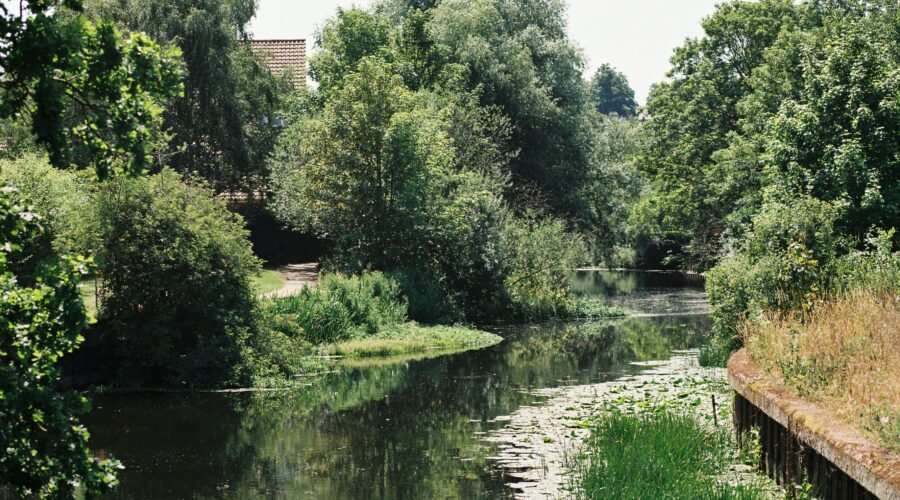
If you’re trying to choose the best time to visit Norwich, you do not have to aim for the hottest weeks of summer. For most visitors, May to early June and September to early October offer an excellent mix of mild weather, comfortable sightseeing, seasonal colour, and fewer school-holiday pressures than the middle of summer.
Quick Answer
For most travelers, the best time to visit Norwich is May to early June or September to early October. These periods usually give you mild weather, useful daylight for sightseeing, fewer school-holiday crowds than July and August, and a better chance of finding reasonable accommodation rates.
Key Takeaways
- Best overall balance: May to early June and September to early October.
- Warmest weather: July and August, when regional daytime highs average about 22°C.
- Quieter trips: Late autumn, winter outside Christmas and New Year, and early spring usually feel calmer.
- Budget strategy: Compare January, February, November, and early-spring dates, but never assume one month will always be cheapest.
- Events matter: Major festivals, bank holidays, school holidays, and Christmas events can raise demand even outside summer.
Best Time to Visit Norwich by Priority
| Your Priority | Best Time | Main Trade-Off |
| Best overall balance | May–early June; September–early October | May festivals and bank holidays can temporarily raise demand. |
| Warmest weather | July–August | School holidays can mean busier attractions and higher accommodation demand. |
| Fewer crowds | January–March; November | Shorter days, colder weather, and possible reduced opening hours. |
| Festivals and culture | May; autumn | Popular event weekends can fill accommodation earlier. |
| Christmas atmosphere | Late November–December | Short daylight hours and higher festive-period demand. |
| Norfolk Broads add-on | Late spring–early autumn | Conditions vary, so check weather and navigation notices before boating. |
1. Understanding Norwich’s Seasons
Norwich has four distinct seasons, but English weather can vary noticeably from one day to the next. For a more reliable baseline than a single-year forecast, the Met Office 1991–2020 East Anglia climate averages provide a useful regional guide for Norwich.
Note: Climate averages describe typical long-term conditions, not the weather you are guaranteed to experience on your trip. Check the current forecast shortly before you travel.
1.1 Spring: March to May
Spring is one of the most appealing seasons for walking around Norwich. Temperatures rise steadily, daylight increases, and gardens and green spaces begin to fill with colour.
- Weather: Regional average daytime highs rise from about 10.7°C in March to 17.1°C in May. Average rainfall is relatively modest in March and April, although showers are possible at any time.
- Crowds: Much of spring is manageable, but Easter, May bank holidays, school breaks, and major events can create busier periods.
- Costs: Rates depend heavily on your exact dates. Ordinary spring weekdays may offer better value than summer, while festival and holiday weekends can be more expensive.
May is particularly attractive if you enjoy gardens, walking, and cultural events. However, it is also a major festival month, so book ahead if your dates overlap a large event.
1.2 Summer: June to August
Summer brings Norwich’s warmest weather and some of its longest days, making it a strong choice if outdoor sightseeing is your main priority.
- Weather: Met Office East Anglia averages show daytime highs of about 20.1°C in June, 22.6°C in July, and 22.4°C in August.
- Rain: Summer is warm, but it is not the driest part of the year. Regional average rainfall is about 53 mm in June and July and 60 mm in August, compared with roughly 39–40 mm in March and April.
- Crowds: July and August overlap the main school-holiday period, so family attractions and popular visitor areas can feel busier.
- Costs: Strong summer demand can push accommodation prices higher on popular dates. Compare several nearby dates rather than assuming every summer night costs the same.
The long evenings are a major advantage. You have more flexibility to combine Norwich Cathedral, Elm Hill, the Norwich Lanes, riverside walks, gardens, museums, and outdoor dining in one day.
1.3 Autumn: September to November
Early autumn is one of Norwich’s strongest shoulder-season options. September often retains comfortable temperatures while summer holiday pressure begins to ease.
- Weather: Regional daytime highs average about 19.3°C in September, 15°C in October, and 10.6°C in November. Rainfall generally increases as autumn progresses.
- Crowds: September and early October can feel more relaxed than the main summer holiday period, although event weekends and October half-term can still be busy.
- Costs: You may find better availability after the summer peak, but compare actual hotel and transport prices for your dates.
- Scenery: Autumn colour adds another dimension to Cathedral Close, riverside walks, parks, and surrounding Norfolk countryside.
1.4 Winter: December to February
Winter is colder and darker, but Norwich can still be rewarding if you prefer museums, historic buildings, shopping, restaurants, and a quieter pace.
- Weather: East Anglia’s long-term average daytime highs are about 7.8°C in December, 7.4°C in January, and 8.1°C in February, with average overnight lows close to 2°C.
- Daylight: Short days reduce the amount of time available for outdoor sightseeing, so plan indoor attractions around the darker part of the day.
- Crowds: January and February are usually calmer than the festive period, though individual events can still draw visitors.
- Costs: Lower-demand winter dates are worth checking for deals, but Christmas and New Year can behave very differently from the rest of the season.
Typical Norwich Weather by Month
The figures below use Met Office 1991–2020 averages for the East Anglia district as a regional guide. Actual Norwich weather will vary from year to year.
| Month | Avg. High | Avg. Low | Avg. Rainfall |
| January | 7.4°C | 1.7°C | 53 mm |
| February | 8.1°C | 1.6°C | 43 mm |
| March | 10.7°C | 2.9°C | 39 mm |
| April | 13.8°C | 4.5°C | 40 mm |
| May | 17.1°C | 7.4°C | 47 mm |
| June | 20.1°C | 10.2°C | 53 mm |
| July | 22.6°C | 12.4°C | 53 mm |
| August | 22.4°C | 12.4°C | 60 mm |
| September | 19.3°C | 10.2°C | 52 mm |
| October | 15°C | 7.6°C | 65 mm |
| November | 10.6°C | 4.3°C | 63 mm |
| December | 7.8°C | 2°C | 58 mm |
2. Best Time for Good Weather
If comfortable walking weather matters more to you than simply finding the hottest possible day, May, June, and September are excellent months to consider.
- May: Regional daytime highs average about 17°C, spring colour is well established, and daylight is much more useful than in winter.
- June: Average daytime highs rise to about 20°C, and the long days give you plenty of time for outdoor sightseeing.
- September: Average daytime highs remain around 19°C, making it a strong option if you want mild conditions after the main school-summer-holiday period.
July and August are normally the warmest months, but May, June, and September can provide a more comfortable balance for long days of walking and sightseeing.
Do not choose a month on rainfall averages alone. English weather is changeable, so a lightweight waterproof layer is useful even during summer.
3. Best Time to Avoid Crowds
If you prefer a slower pace, look outside the main school holidays, bank-holiday weekends, and major festival dates.
- Mid-January to mid-March: A good window for museums, historic streets, cafes, and indoor attractions if you are comfortable with cold weather and shorter days.
- Early April before Easter: You may catch improving spring conditions before holiday demand increases.
- October outside half-term: A useful compromise between autumn colour and lower seasonal demand.
- November: Generally calmer before the busiest part of the Christmas season, although major cultural events can create local spikes in demand.
Lower visitor demand can also mean shorter opening hours at smaller or seasonal attractions. Always check any must-see attraction directly before finalizing your itinerary.
4. Best Time for Budget-Friendly Travel
There is no single month that is guaranteed to be cheapest because hotel rates and transport fares change with demand. Still, lower-demand winter and early-spring dates are sensible places to start your search.
- January and February: Compare these months if low accommodation demand matters more to you than daylight or warm weather.
- Early March: Can offer a useful compromise before Easter and the busier spring calendar.
- Late October and November: Worth checking outside half-term and major event weekends.
- Midweek stays: Compare them with Friday and Saturday nights rather than assuming the same rate applies all week.
Pro Tip: Check the same hotel across several nearby dates before booking. A festival, football match, bank holiday, school break, or large event can make one weekend noticeably more expensive than the next.
5. Best Overall Balance
If you want a combination of comfortable weather, sightseeing time, manageable visitor levels, and reasonable availability, late spring and early autumn remain the strongest choices.
5.1 May to Early June
- Weather: Daytime temperatures are generally mild and rise quickly toward summer.
- Outdoor sightseeing: Parks, Cathedral Close, Plantation Garden, riverside walks, and pavement cafes are particularly appealing.
- Events: May has a busy cultural calendar, including the Norfolk & Norwich Festival.
- Booking: Festival dates, bank holidays, and school breaks deserve advance planning.
The Norfolk & Norwich Festival traces its history back more than 250 years and runs its flagship multi-arts programme each May. If attending the festival is part of your trip, book around the programme. If you prefer a quieter visit, compare dates just outside major event weekends.
5.2 September to Early October
- Weather: September remains mild by local standards, while early October is cooler but still suitable for walking.
- Crowds: The main school-summer-holiday period has ended.
- Scenery: Autumn colour begins appearing across parks, riverside areas, and Cathedral Close.
- Costs: Accommodation availability can improve compared with peak summer dates, although event weekends still matter.
If you want one particularly versatile month, September is an excellent candidate: it offers relatively mild weather without relying on the busiest part of summer.
6. Special Considerations
6.1 Christmas Markets and Festive Visits
December works well if your priority is festive atmosphere rather than long outdoor sightseeing days. Norwich has Christmas lights, seasonal entertainment, shopping, and several festive markets and fairs.
It is more accurate to think of Norwich as having multiple Christmas markets and pop-up events rather than one single Cathedral-centred market. The programme and locations can change from year to year, so check Visit Norwich’s current Christmas-market guide before booking.
Expect cold weather and short days. Demand can also rise sharply as Christmas approaches.
6.2 Norfolk & Norwich Festival
If you enjoy music, theatre, dance, circus, visual arts, literature, and outdoor performance, May is especially attractive. The Norfolk & Norwich Festival is one of the country’s longest-running arts festivals, with roots going back to 1772 and a major multi-arts programme each May.
The festival can also increase accommodation demand, so check the current programme before choosing your dates.
6.3 Exploring the Norfolk Broads
If your Norwich trip includes boating, kayaking, walking, or a wider exploration of the Norfolk Broads, late spring through early autumn is generally the easiest period to combine city sightseeing with outdoor activities.
Warning: The Broads Authority says high-water conditions can create extra navigation and mooring problems, particularly after prolonged rainfall and during the colder part of the year. Check current weather, water conditions, and navigation notices before boating.
For current navigation guidance, see the Broads Authority’s adverse-weather information.
6.4 Academic Periods
Norwich is home to the University of East Anglia and Norwich University of the Arts, so some cafes, nightlife areas, cultural venues, and student-oriented neighbourhoods can feel livelier during term time.
University holidays may change the atmosphere in particular parts of the city, but they should not be used as a reliable predictor of hotel prices or overall visitor numbers. School holidays, major events, and weekends usually matter more when choosing travel dates.
6.5 School Holidays and Bank Holidays
School holidays can increase family demand at attractions, while Easter, May bank holidays, summer holidays, October half-term, and the Christmas period can affect accommodation availability.
Exact school dates vary, especially because academies and individual schools can set their own calendars. If avoiding family crowds is important, check the dates that apply to the year of your visit rather than relying on a fixed annual pattern.
7. How to Choose Your Norwich Travel Dates
- Choose your main priority: warm weather, low crowds, events, budget, or the Broads.
- Check the event calendar: a major festival can completely change demand for one weekend.
- Compare several hotel dates: look at nearby weekdays and weekends rather than searching only one fixed date.
- Check opening hours: especially for smaller attractions if you are travelling in winter.
- Review the weather forecast shortly before departure: long-term averages help you pick a season, but the forecast determines what you should actually pack.
8. What to Pack for Norwich by Season
Spring
Pack layers, comfortable walking shoes, and a light waterproof jacket. March can still feel chilly, while May can be pleasantly warm during the afternoon.
Summer
Bring light layers, comfortable shoes, sun protection, and a packable waterproof. A warmer layer is still useful for cooler evenings.
Autumn
Use layers you can add or remove throughout the day. By October and November, a warmer waterproof coat becomes increasingly useful.
Winter
A warm coat, hat, gloves, comfortable waterproof footwear, and layers will make outdoor sightseeing much more pleasant. Plan indoor stops so you are not outside continuously on cold or wet days.
Ultimately, the best time to visit Norwich depends on what you value most. Choose July or August for the warmest conditions, winter for a quieter city break, May for major cultural events, or September for one of the best all-round combinations of mild weather and post-summer travel conditions.
Frequently Asked Questions
What is the best overall time to visit Norwich?
May to early June and September to early October are strong all-round choices. They combine relatively mild weather with useful daylight while avoiding at least part of the main July–August school-holiday period.
When is the best time to visit Norwich for warm weather?
July and August are normally the warmest months. Met Office 1991–2020 East Anglia averages show typical daytime highs of about 22°C. If you prefer milder walking weather, June and September are excellent alternatives.
When should I visit Norwich to avoid crowds?
January through early spring and November are usually better choices if a quiet trip matters most. Avoid major festivals, school holidays, bank-holiday weekends, and the busiest part of the Christmas season.
What is the most budget-friendly time to visit Norwich?
Lower-demand dates in January, February, early March, late October, and November are worth comparing. Prices are dynamic, however, so check several nearby dates instead of assuming one month will always be cheapest.
When is Norwich busiest?
July and August can be busier because they overlap the main summer school holidays. May festival dates, bank holidays, October half-term, and Christmas events can also produce short periods of high demand.
What major events should I consider when planning a Norwich trip?
The Norfolk & Norwich Festival is a major May attraction. Norwich also hosts food, drink, film, arts, and festive events at different points in the year. Programmes change annually, so check the current Visit Norwich and event-organiser calendars before booking.
What is the best time to combine Norwich with the Norfolk Broads?
Late spring through early autumn is a practical choice for combining Norwich sightseeing with boating, paddling, or walking on the Broads. Always check current weather, water levels, and Broads Authority navigation notices before going onto the water.
Is summer the driest time to visit Norwich?
No. Summer is the warmest season, but Met Office East Anglia averages show lower monthly rainfall in March and April than in June, July, or August. Rain is possible in every season, so a lightweight waterproof is useful year-round.
Sources
- Met Office — East Anglia 1991–2020 climate averages — temperature, rainfall, frost, and sunshine averages used in this guide.
- Visit Norwich — official destination information, attractions, and seasonal trip planning.
- Norfolk & Norwich Festival — official festival schedule format, history, and annual May programme.
- Visit Norwich — Christmas Markets — current information on Norwich’s seasonal markets and festive events.
- Broads Authority — High Waters and Adverse Weather — official boating and water-level safety guidance.