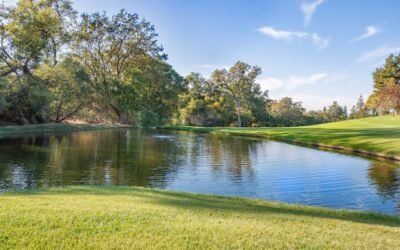
If you’re deciding when to visit St. Albert, Alberta, the best month depends on what you want to do. Warm-weather sightseeing is easiest from late spring through early fall, while winter brings skating, cross-country skiing, snow, and a much quieter outdoor atmosphere. Weather can change quickly in central Alberta, so season matters more here than it does in milder destinations.
Quick Answer
For most travelers, the best time to visit St. Albert is late May through September. July is warmest for outdoor activities, while May and September usually offer a better balance of comfortable weather and lighter demand. Winter is best for skating and cross-country skiing, but temperatures, snow, and daylight vary sharply.
Key Takeaways
- Best overall weather: June through August, with nearby long-term climate normals showing July as the warmest month.
- Best balance: May and September for comfortable outdoor conditions without depending on the busiest summer event dates.
- Best for fall scenery: Late September into early October, although colour timing changes with frost, wind, and weather.
- Best for winter activities: January and February, provided snow and facility conditions cooperate.
- Plan around events: The Farmers’ Market and major festivals can make specific weekends much busier than an ordinary weekend.
St. Albert has a continental climate with clearly defined seasons. Summers are generally warm, winters are cold, and spring and fall can shift from mild to wintry in a short period. For climate context, nearby Edmonton’s 1991–2020 Environment and Climate Change Canada normals show average July daytime highs around the low-to-mid 20s Celsius rather than extreme heat as the norm.
Best Time to Visit St. Albert by Season
Summer: The Peak of Outdoor Activity
Summer is the easiest season for travelers who want long outdoor days, parks, trails, patios, markets, and local events. June through August usually provides the broadest range of warm-weather activities, but rain, thunderstorms, smoke, and occasional cooler stretches can still affect plans.
Warmest Months and Long Days
- July is normally the warmest month. Nearby Edmonton City climate normals put the average July daily maximum at about 23.5°C (74°F), with August close behind at about 22.6°C (73°F).
- Evenings are cooler than afternoons. A light jacket or layer is still useful, particularly after sunset.
- Summer days are long. June and July give you plenty of daylight for walking, cycling, markets, parks, and evening sightseeing.
Outdoor Adventures Abound
- Parks and Trails: St. Albert’s Red Willow Trail System covers about 99.5 km and connects parks, neighbourhoods, natural areas, and the river valley. Walking, running, cycling, and in-line skating are common warm-season uses.
- Nature: Areas connected to the trail network give you access to river-valley scenery, green space, wildlife viewing, and places for an easy picnic or walk.
- Festivals and Events: Summer and late spring bring several of St. Albert’s signature events. Dates change annually, so always confirm the year you plan to visit.
- Golf and Recreation: Golf courses around the St. Albert area operate during the warm season, while parks and trails require little or no admission cost.
- Sturgeon River: Paddling may be possible when launches are open and water conditions are suitable, but river levels, flow, flooding, debris, and temporary advisories can change access.
Pro Tip: Before planning a paddling day, check the City of St. Albert’s current river and seasonal flooding information. In 2026, high water temporarily affected docks and trails before facilities reopened.
Humidity, Mosquitoes, and Air Quality
- St. Albert is not normally as humid as many eastern Canadian destinations, but warm or rainy periods can make some days feel muggy.
- Mosquitoes can be noticeable near water and green space, especially after wet weather. Pack repellent if you plan to spend evenings outdoors.
- Wildfire smoke can occasionally affect Alberta in spring, summer, and fall. Check St. Albert’s Air Quality Health Index before a long hike, bike ride, or outdoor event when smoke is present.
If accommodations are important to your trip, compare live rates for your exact dates rather than assuming every summer weekend will cost the same. Festival weekends, major events, and Saturdays with heavy downtown activity can create a different demand pattern from an ordinary weekday.
The Shoulder Seasons: A Good Balance
Spring and fall can be excellent times to visit St. Albert if you want comfortable walking weather and do not need consistently warm summer temperatures. The trade-off is greater weather variability.
Spring: Budding Scenery and Mild Temperatures
Spring arrives gradually. Snow cover disappears, trails dry out, trees leaf out, and outdoor events begin returning. April is still highly transitional, while May is usually a much safer choice for travelers who want spring weather without going too early.
Variable Weather Patterns
- April: Mild afternoons are possible, but freezing nights, wet ground, and late snow can still occur.
- May: Nearby long-term climate normals show average daytime highs around the upper teens Celsius, although individual days may be much warmer or colder.
- Rain and Mud: Rain, snowmelt, and soft ground can make natural-surface trails muddy. Bring footwear that can handle wet conditions.
Blooming Scenery and a Quieter Feel
- Greening Landscape: Parks and natural areas become greener through May as trees leaf out and spring growth accelerates.
- Less Dependence on Peak Summer Weather: May can work well if you prefer cool-to-mild conditions and are comfortable carrying layers.
- Major Events: Spring is not necessarily quiet. In 2026, the Rainmaker Festival ran May 22–24, followed by the International Children’s Festival of the Arts from May 29 through June 1.
Outdoor Activities Emerge
- Trail Use: Many trails become increasingly pleasant as surfaces dry, though temporary muddy sections can remain.
- Farmers’ Market: The outdoor St. Albert Farmers’ Market begins in early June rather than early spring. In 2026, opening day was June 6.
- Family Events: Late May can be especially attractive for families when the International Children’s Festival falls over the final days of the month.
Fall: Crisp Air and Colourful Scenery
Fall can be one of St. Albert’s most comfortable seasons for walking, photography, and river-valley scenery. September is the safest bet for mild fall conditions, while October becomes progressively less predictable.
Pleasant Cooler Weather
- September: Nearby Edmonton City climate normals put the average daytime maximum around the high teens Celsius. Warm days above 20°C can still occur, but cooler mornings are normal.
- October: Expect cooler afternoons, freezing nights, shorter days, and an increasing chance of snow as the month progresses.
- November: By November, conditions are more winter-like, and subfreezing temperatures become much more common.
Vibrant Fall Foliage
- Leaf Colour: Aspen and poplar trees can create strong yellow and gold colour through the river valley and natural areas.
- Timing: Late September into early October is a useful general target, but frost, wind, rainfall, and yearly temperature patterns can shift the best colour.
- Comfort: Cooler air makes longer walks pleasant if you dress in layers.
Extended Farmers’ Market Season
- Harvest Season: The St. Albert Farmers’ Market continues into fall. In 2026, it ran every Saturday through October 10 from 10 a.m. to 3 p.m.
- Expect Saturday Crowds: The market’s organizer reports that attendance can reach roughly 15,000 to 25,000 visitors on a Saturday, so downtown can feel considerably busier than it does on a normal weekday.
Winter: The Invigorating Season
Winter can be a rewarding time to visit if snow, skating, skiing, and quiet landscapes appeal to you. It is also the season that requires the most preparation because temperatures can change dramatically and cold snaps can become severe.
Snowy Landscapes and Outdoor Winter Fun
Snow and freezing temperatures are normal parts of a St. Albert winter, but it is misleading to assume that every afternoon stays between -10°C and -20°C. Nearby 1991–2020 climate normals show average daytime highs of roughly -5.8°C in January, -3.0°C in February, and -4.7°C in December. Nights are colder, and individual Arctic outbreaks can drop far below those averages.
Cold Temperatures and Snowfall
- December to February: These are the core winter months. Expect temperatures below freezing much of the time and pack for conditions colder than the average forecast.
- Cold Snaps: Short periods can become dramatically colder than the monthly average, especially with wind.
- Snow: Snow cover is common in winter, but depth and fresh snowfall vary from year to year and through the season.
Winter Activities Galore
- Outdoor Skating: The City operates multiple maintained boarded rinks, social ice surfaces, and seasonal freezeways. Always check current rink conditions before leaving.
- Cross-Country Skiing: The St. Albert Nordic Ski Club and local partners groom trails around Kingswood Park, Riverlot 56, Bellerose River Park, and nearby areas when conditions allow.
- Snowshoeing: Snowshoeing can be enjoyable on suitable winter trails, but stay off groomed cross-country ski tracks unless the trail specifically allows shared use.
- Indoor Backups: Keep an indoor activity in your plan for days when wind chill or extreme cold makes prolonged outdoor recreation uncomfortable.
- Holiday Events: Seasonal events and markets can add activity around December, while many ordinary winter weekdays feel much quieter.
Warning: Do not treat the frozen Sturgeon River, stormwater facilities, ponds, or other unmanaged ice as skating surfaces. The City of St. Albert warns that these ice surfaces can be unpredictable and unsafe. Use maintained rinks and designated ice surfaces instead.
Embracing the Cold
- Dress in Layers: A warm base layer, insulated outer layer, hat, gloves, winter footwear, and wind protection make a major difference.
- Plan Warm-Up Breaks: Alternate outdoor activities with cafés, indoor attractions, or other heated spaces when temperatures are low.
- Check Conditions: Snow, ice, wind chill, and trail grooming can change quickly, so verify the day’s forecast and facility status.
Considerations for Crowds
St. Albert does not publish a simple month-by-month tourist crowd index, so it is better to plan around actual events, market days, weekends, and seasonal activities than to assume every summer date is equally busy.
When St. Albert Feels Busiest
- Summer Weekends: Warm weekends naturally bring more people to parks, trails, patios, and community events, but crowd levels vary widely by location.
- Farmers’ Market Saturdays: These can be among the most noticeably busy downtown periods during the June-to-October market season.
- May Festival Weekends: Rainmaker and the International Children’s Festival can create concentrated visitor traffic during their event dates.
- August Events: Rock’n August is a major local event that can make specific August dates busier than surrounding weeks.
- Ordinary Winter Periods: Outside holiday events and popular winter recreation days, the city generally feels less oriented around large outdoor gatherings.
Specific Event Crowds
- St. Albert Farmers’ Market: In 2026, the outdoor market operated every Saturday from June 6 through October 10. Its organizer says typical Saturday attendance can reach 15,000 to 25,000 people.
- Rainmaker Festival: The 2026 event ran May 22–24 and included music, family entertainment, a midway, marketplace, and rodeo programming.
- International Children’s Festival: The City scheduled the 2026 festival for May 29–June 1 in downtown St. Albert.
- Rock’n August: The 2026 event ran August 4–8, with car shows, cruises, entertainment, and other activities.
Note: Festival dates change from year to year. The 2026 dates above are useful examples of when demand can concentrate, but check each organizer’s current calendar before booking a future trip.
If avoiding crowds is your priority, a weekday in May, September, or early October can be a stronger choice than a major festival weekend. If events are part of the reason you are visiting, reverse that strategy and book around the exact dates you want.
Cost Factors and Budgeting
Trip prices in St. Albert are dynamic rather than fixed by an official high-, shoulder-, and low-season schedule. Accommodation rates can change according to the day of the week, local events, room availability, holidays, and demand in the wider Edmonton region.
| Period | Typical Conditions | Crowd Consideration | Cost Consideration |
| January-February | Cold, snowy, short days | Usually quieter outside winter events | Compare live rates; lower demand may create deals but is not guaranteed |
| March-April | Highly variable, thawing, possible snow | Generally limited major outdoor-event pressure | Often worth checking for flexible-date rates |
| May | Mild but changeable | Can be busy around major festival dates | Event dates may create stronger demand |
| June | Mild to warm, long daylight | Busy market Saturdays and summer activities | Rates vary by weekend and availability |
| July | Normally the warmest month | Popular for parks, trails, and market visits | Do not assume a fixed high-season rate; compare exact dates |
| August | Warm, gradually shorter days | Can be especially busy around Rock’n August | Event dates may tighten availability |
| September | Cooler, often comfortable for walking | Market Saturdays remain busy | Flexible travelers may find better value than on major event weekends |
| October-November | Rapid cooling; increasing frost and snow risk | Usually calmer after the outdoor market season ends | Compare flexible rates rather than assuming automatic discounts |
| December | Cold and wintry | Holiday events can create short busy periods | Holiday pricing may differ from ordinary winter weeks |
Accommodation Prices
- Summer Bookings: Warm-weather weekends can attract more leisure activity, but hotel pricing is not uniform across June, July, and August.
- Event Dates: Major festivals, tournaments, holidays, and other events may reduce room choice or push rates higher on specific dates.
- Shoulder Season: May, September, and October can be worth checking if your dates are flexible, but lower prices are not guaranteed.
- Winter: Ordinary winter weeks may have less leisure demand, while Christmas, New Year, sports events, and other special dates can behave differently.
Activity Costs
- Walking and cycling the Red Willow Trail System and visiting many municipal green spaces can be inexpensive ways to explore.
- Ticketed festivals, performances, recreation facilities, food, transportation, and equipment rental will add to the trip budget.
- Winter skating can be inexpensive if you have your own equipment, while ski, skate, or snowshoe rental costs depend on the provider.
- If you’re flying, remember that airfare to the Edmonton region may be a much larger cost than individual St. Albert attractions.
When to Book for Best Prices
- Fixed Event Trip: If you are traveling specifically for a major festival or event, book once your dates are firm rather than waiting for an arbitrary “best” booking window.
- Flexible Trip: Compare several nearby dates, including weekdays, because moving a stay by one or two nights can sometimes matter more than the season label.
- Refundable Rates: When practical, a flexible cancellation policy lets you secure a room and continue comparing rates later.
- Rental Vehicles: Reserve earlier when you need a specific vehicle type or are traveling over a major holiday or event weekend.
Pro Tip: Compare your exact travel dates with the Farmers’ Market and major-event calendars before booking. A Saturday during a large event can have a very different availability pattern from the Sunday, Monday, or following weekend.
Instead of relying on a generic “book three months ahead” rule, compare real accommodation and transportation prices for your dates and read cancellation terms carefully. That gives you a more reliable picture of value than a broad seasonal label.
What to Pack for St. Albert by Season
Summer
- Lightweight daytime clothing
- A light jacket or sweater for evenings
- Comfortable walking shoes
- Rain protection
- Insect repellent
- Sun protection
- A reusable water bottle
Spring and Fall
- Layers that can be added or removed quickly
- A waterproof or water-resistant outer layer
- Shoes that can handle wet or muddy paths
- Hat and light gloves for colder mornings in late fall
Winter
- Insulated winter coat
- Warm base and mid layers
- Hat, gloves or mittens, and neck protection
- Insulated footwear with good traction
- Extra socks
- Weather-appropriate gear for skating, skiing, or snowshoeing
Putting It All Together: Your Ideal Visit
Once weather, events, crowds, and costs are considered together, a few periods stand out for different types of travelers.
For Sunshine and Activities
- Best Bet: Late June through August. This is the most dependable period for warm-weather trail use, patios, markets, parks, and summer events. It is not a guarantee of perfect weather, so keep rain and air-quality checks in your plan.
- Close Second: September. You can often combine comfortable walking temperatures, early fall colour, and the final weeks of the outdoor Farmers’ Market.
For a Balance of Comfort and Value
- Highly Recommended: May and September. May brings spring greenery and major festivals, while September offers cooler walking weather and early fall scenery.
- Good Option: Early October. Fall colour may still be visible and the Farmers’ Market can still be operating, but frost and early snow become increasingly possible.
For Budget Travellers and Serenity
- Best Strategy: Look at ordinary winter weeks, spring weekdays, and fall weekdays rather than assuming one entire season is always cheapest. Accommodation rates are dynamic, so compare exact dates.
- Trade-Off: The quieter periods usually come with colder temperatures, shorter daylight, or more changeable weather.
If You Love Winter Wonderlands
- Ideal Time: January and February. These months give you a strong chance of winter conditions for maintained skating surfaces and groomed cross-country ski trails.
- Stay Flexible: Grooming, outdoor ice, snowfall, and extreme cold can change what is practical from one week to the next.
Ultimately, the best time to visit St. Albert depends on what you want from the trip. Choose June through August for the widest range of warm-weather activities, May or September for a strong seasonal balance, late September or early October for fall scenery, and midwinter for snow-based recreation. Whatever month you choose, check the current weather, event calendar, trail or ice conditions, and any river or air-quality advisories before heading out.
Frequently Asked Questions
What is the best time to visit St. Albert, Alberta for good weather?
June through August offers the most dependable warm weather, with July normally the warmest month. If you prefer cooler walking weather, September is an excellent alternative.
When is St. Albert busiest?
Crowds vary more by event and day of the week than by a formal tourism season. Farmers’ Market Saturdays and major festival weekends can be especially busy, while ordinary weekdays generally feel calmer.
What is the quietest time to visit St. Albert?
Ordinary winter weekdays and non-event dates in spring or fall can feel quieter than summer Saturdays. Holiday periods and winter recreation days are exceptions, so check the local calendar.
When can I find lower accommodation prices in St. Albert?
There is no guaranteed cheapest month. Rates change with events, weekends, holidays, and room availability. Flexible travelers should compare weekdays and non-event dates across spring, fall, and ordinary winter periods.
What major events take place in St. Albert?
Major annual attractions include the Rainmaker Festival, International Children’s Festival of the Arts, St. Albert Farmers’ Market, and Rock’n August. In 2026, Rainmaker ran May 22–24, the Children’s Festival May 29–June 1, the outdoor Farmers’ Market June 6–October 10, and Rock’n August August 4–8. Future dates can change.
Is winter a good time to visit St. Albert?
Yes, if you enjoy cold-weather activities. Maintained outdoor skating surfaces and groomed cross-country ski trails are available when conditions permit. Pack for temperatures much colder than the monthly average because severe cold snaps can occur.
Should I worry about wildfire smoke during a summer visit?
Wildfire smoke can affect Alberta during spring, summer, or fall, although conditions vary greatly from year to year and day to day. Check the local AQHI and weather alerts before strenuous outdoor activities when smoke is present.
Sources
- Environment and Climate Change Canada — 1991–2020 Edmonton climate normals — seasonal temperature context.
- City of St. Albert — Trails — Red Willow Trail System length, uses, and trail information.
- City of St. Albert — Outdoor Skating & Ice Conditions — maintained winter skating facilities and ice-safety information.
- St. Albert Farmers’ Market — current market season, schedule, and visitor information.
- City of St. Albert — International Children’s Festival of the Arts — official festival information and 2026 dates.
- Government of Alberta — Wildfire Smoke Information — air-quality and wildfire-smoke planning guidance.