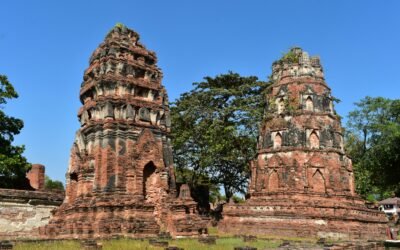
Çorum, a city rich in history and culture in Turkey’s Black Sea region, offers different experiences depending on when you go. Generally speaking, the sweet spot for visiting Çorum is during the spring (April to June) and autumn (September to October) months. These periods offer comfortable weather, manageable crowds, and reasonable costs, making for a pleasant and hassle-free trip.
Ready to dive deeper? Let’s break down the best times to visit Çorum based on what matters most to you.
If you’re looking for that perfect balance of everything, springtime in Çorum is your best bet.
1.1 Weather: Mild and Pleasant
- Temperatures: Expect comfortable daytime temperatures ranging from 15°C to 25°C (59°F to 77°F). Nights are cool but rarely cold.
- Rainfall: While you might encounter a few scattered showers, especially in April, significant downpours are uncommon. The rain often brings a refreshing feel and enhances the lush greenery.
- Sunshine: Plenty of sunshine to go around, perfect for outdoor explorations without the harsh intensity of summer heat.
1.2 Crowds: Moderate and Enjoyable
- Pre-Summer Rush: Spring sees a moderate influx of domestic and international tourists. It’s busy enough to create a lively atmosphere but not so crowded that it feels overwhelming. You’ll generally find shorter queues at historical sites like Hattusa and Alacahöyük.
- Local Events: You might stumble upon local festivals or cultural events that are less packed than their summer counterparts, offering a more authentic experience.
1.3 Costs: Generally Affordable
- Accommodation: Hotel prices are usually reasonable, sitting somewhere between off-peak winter rates and peak summer rates. You’ll have more options for good deals.
- Flights: Airfare to nearby airports (like Ankara Esenboğa, then a bus/car to Çorum) tends to be more competitive than in peak summer. Booking a few months in advance can bag you even better deals.
- Tours/Activities: Tour operators often have slightly lower prices for day trips to ancient sites compared to the summer months, and you’ll often have smaller group sizes.
1.4 Why Spring Rocks:
- Ideal for Sightseeing: The mild weather is perfect for exploring extensive archaeological sites like the Hittite capital of Hattusa (a UNESCO World Heritage site) and Alacahöyük without sweating through your clothes.
- Nature Blooms: The landscape comes alive with vibrant colors. Wildflowers carpet the fields, making scenic drives and walks particularly enjoyable.
- Comfortable for Hiking: If you’re into light hiking or exploring natural attractions, spring conditions are superb.
2. Autumn (September – October): Another Gem for Travelers
Autumn in Çorum offers a similar appeal to spring, with its own unique charm.
2.1 Weather: Crisp and Invigorating
- Temperatures: Daytime temperatures hover around 15°C to 23°C (59°F to 73°F). The air is crisp, and nights can get quite cool, so pack layers.
- Rainfall: Like spring, autumn can have some rainy days, especially later in October. However, these are often intermittent and add to the season’s cozy feel.
- Sunshine: You can still expect plenty of bright, clear days, perfect for outdoor activities.
2.2 Crowds: Post-Summer Calm
- Tourist Drop-off: After the summer holidays, the number of tourists significantly drops, leading to fewer crowds at major attractions. This means more tranquil exploration and easier navigation.
- Local Life: You’ll experience more of the local rhythm of life as daily routines normalize after the summer season.
2.3 Costs: Good Value
- Accommodation: Prices are often very good. Many hotels offer shoulder-season rates, providing excellent value for money.
- Flights: Similar to spring, flight prices tend to be more reasonable than during peak summer.
- Tours/Activities: You can often find better deals on guided tours, and the smaller group sizes mean a more personalized experience.
2.4 Why Autumn is Fantastic:
- Stunning Scenery: The foliage begins to change, painting the landscape in beautiful shades of red, orange, and gold, making for excellent photography opportunities.
- Festivals and Harvest: You might catch local harvest festivals or traditional events that showcase the region’s agricultural heritage.
- Comfortable Exploration: The cool, crisp air is ideal for long walks through historical sites or exploring the city’s charming streets.
3. Summer (July – August): Hot, Busy, but Lively
If you don’t mind the heat and enjoy a bustling atmosphere, summer can still be a good time to visit, especially if you’re combining Çorum with other destinations.
3.1 Weather: Hot and Dry
- Temperatures: Brace yourself for hot weather. Daytime temperatures frequently exceed 30°C (86°F), sometimes climbing higher.
- Rainfall: Summers are generally dry with very little rainfall.
- Sunshine: Expect abundant sunshine, with long daylight hours, meaning you have more time for activities.
3.2 Crowds: Peak Season Buzz
- Domestic Tourism: This is the peak season for domestic tourism in Turkey, with many families traveling during school holidays. International tourists also flock to popular sites.
- Lively Atmosphere: Cities and tourist spots will be more vibrant, with many local events and activities taking place. However, this also means potentially longer queues and more crowded places.
3.3 Costs: Highest of the Year
- Accommodation: Hotel prices will be at their highest. Booking well in advance is essential to secure good options and avoid last-minute price surges.
- Flights: Airfare is generally at its peak during July and August.
- Tours/Activities: Tour prices may also be higher due to increased demand.
3.4 Why Summer Might Be for You:
- Long Daylight Hours: More time to explore and enjoy outdoor activities well into the evening.
- Vibrant City Life: If you enjoy a lively atmosphere with many people out and about, summer offers that energy.
- Local Festivals: Many towns and cities in Turkey host open-air concerts and festivals during the summer.
3.5 Managing the Heat:
- Early Mornings: Start your explorations early in the day to beat the worst of the heat and the crowds.
- Hydration: Drink plenty of water throughout the day.
- Shade and Breaks: Seek shade during the hottest parts of the day, typically between 12 PM and 3 PM, and plan for indoor activities or relaxing breaks.
- Sun Protection: Wear hats, sunglasses, and high-SPF sunscreen.
4. Winter (November – March): Quiet and Potentially Snowy
Winter in Çorum is the least popular time for tourism, offering a stark contrast to the other seasons.
4.1 Weather: Cold and Potentially Snowy
- Temperatures: Expect cold temperatures, often dropping below freezing (0°C or 32°F), especially at night. Daytime highs might only reach 5°C to 10°C (41°F to 50°F).
- Rainfall/Snowfall: Heavy snowfall is possible, especially in January and February. The landscape can be transformed into a beautiful, snow-covered scene.
- Sunshine: Days can be short and overcast, though there are often crisp, sunny winter days.
4.2 Crowds: Virtually Non-existent
| Month | Weather | Crowds | Costs |
|---|---|---|---|
| April – May | Mild and pleasant | Moderate | Moderate |
| June – August | Hot and dry | High | High |
| September – October | Mild and pleasant | Moderate | Moderate |
- Peace and Quiet: If you’re looking for solitude, winter is your season. You’ll likely have many historical sites to yourself, allowing for deep and contemplative exploration.
- Local Interaction: This is a great time to interact with locals going about their daily lives without the tourist bustle.
4.3 Costs: Budget-Friendly
- Accommodation: Hotel prices are generally at their lowest during the winter months. You can often find excellent deals.
- Flights: Airfare is usually cheaper outside of the holiday season (late December).
- Tours/Activities: Some tour operators may not run daily tours, or they might offer personalized options at potentially lower rates.
4.4 Why Winter Can Be Unique:
- Photogenic Snowscapes: Hattusa and other ancient sites dusted with snow offer incredibly dramatic and unique photo opportunities.
- Cozy Atmosphere: Enjoying warm Turkish tea or salep in a cozy cafe after exploring chilly ruins can be a truly memorable experience.
- Authentic Experience: You’ll see Çorum in a different light, experiencing its true character without the filters of peak tourism.
4.5 Things to Consider:
- Accessibility: Heavy snowfall can sometimes affect road conditions, especially to more remote archaeological sites. Always check local forecasts and road reports before heading out.
- Limited Services: Some smaller guesthouses or seasonal restaurants might be closed.
- Packing: You’ll need warm layers, waterproof outer clothing, and sturdy, waterproof shoes.
5. Çorum-Specific Considerations
Beyond the general seasonal patterns, here are a few more nuggets of information specific to Çorum.
5.1 Focus on Ancient Sites: Hattusa and Alacahöyük
- Spring/Autumn Ideal: The best time to explore the sprawling Hittite capital of Hattusa and the important Neolithic/Early Bronze Age site of Alacahöyük is definitely spring or autumn. The mild weather makes walking around these extensive outdoor sites much more pleasant.
- Summer Challenges: In summer, the lack of shade at these sites can be brutal. Plan for early morning visits and carry plenty of water.
- Winter Beauty (with caveats): While a snow-covered Hattusa is stunning, you might find some areas harder to traverse, and the sheer scale of the site can feel even more exposed in the cold.
5.2 Local Cuisine and Culinary Experiences
- Year-Round Delight: Çorum’s culinary scene, famous for its leblebi (roasted chickpeas) and various regional dishes, is enjoyable year-round.
- Seasonal Produce: Spring and autumn might offer a wider variety of fresh local produce in markets, enhancing your dining experience.
5.3 Combining Çorum with Other Destinations
- Istanbul or Ankara Connects: Most international travelers combine a visit to Çorum with a trip to Istanbul or Ankara. Consider the best time to visit those cities as well to optimize your overall itinerary. Often, spring and autumn work well for these major cities too.
- Black Sea Coast: If you plan to extend your trip to the Black Sea coast (which Çorum is near but not on), summer might be preferable for coastal activities, but Çorum’s inland heat will be more intense. Weigh your priorities.
5.4 Public Holidays and Local Events
- Turkish Public Holidays: Be aware of major Turkish public holidays (like Eid al-Fitr, Eid al-Adha, Republic Day, etc.). While they offer a glimpse into local culture, transportation and accommodation can be fully booked and moreexpensive around these times. Check a Turkish holiday calendar when planning.
- Local Fairs/Festivals: Çorum and its surrounding towns occasionally host local fairs or festivals, often related to agriculture or historical commemorations. These are more common in spring, summer, and autumn. Keep an eye on local tourism office websites if you’re interested in coinciding your trip with one.
Ultimately, the best time to visit Çorum depends on your personal preferences and what you hope to get out of your trip. If comfort and pleasant exploration are high on your list, aim for spring or autumn. If you don’t mind the heat and enjoy a lively buzz, summer could work. And if solitude and budget are your main drivers, winter offers a unique, albeit chilly, experience. No matter when you go, Çorum’s rich history and welcoming atmosphere are sure to leave a lasting impression.
FAQs
1. What is the best time to visit Çorum in terms of weather?
The best time to visit Çorum in terms of weather is during the spring and autumn months, specifically from April to June and September to October. During these times, the weather is mild and pleasant, making it ideal for outdoor activities and sightseeing.
2. When is the peak tourist season in Çorum?
The peak tourist season in Çorum is during the summer months, from July to August. During this time, the city experiences an influx of tourists, resulting in crowded attractions and higher accommodation prices.
3. What is the off-peak season in Çorum?
The off-peak season in Çorum is during the winter months, from December to February. During this time, the city experiences fewer tourists, making it a good time to visit for those looking to avoid crowds and save on accommodation costs.
4. What are the average costs of visiting Çorum during the peak season?
During the peak season, the average costs of visiting Çorum, including accommodation, dining, and attractions, tend to be higher due to increased demand. It is advisable to book accommodations and activities in advance to secure better prices.
5. Are there any specific events or festivals that are worth considering when planning a visit to Çorum?
One specific event worth considering when planning a visit to Çorum is the Cherry Festival, which takes place in June. This festival celebrates the cherry harvest and features various cultural and culinary events, making it a unique and vibrant time to experience the local culture.