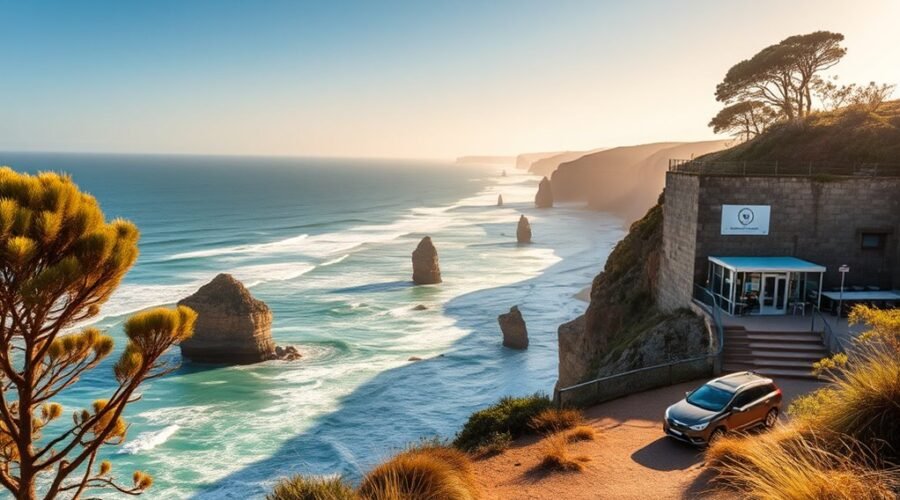
The best time to visit Victoria, Australia depends on what you want from the trip. For a balanced mix of mild weather, outdoor activities, manageable crowds, and flexible bookings, March to April and late October to November are strong choices. Summer suits beaches and major events, while winter is best for snow trips and quieter city breaks.
Quick Answer
For most travellers, the best time to visit Victoria is March–April or late October–November. These shoulder-season periods usually offer comfortable conditions for Melbourne, coastal drives, wineries, and hiking without the busiest summer holiday crowds. Choose December–February for beaches and events, or July–August for Victoria’s alpine snow season.
Key Takeaways
- Best overall balance: March–April and late October–November for generally mild weather and fewer peak-holiday crowds.
- Best for beaches: December–February, when Victoria is warmest, although heat, bushfire conditions, and holiday crowds require extra planning.
- Best for wineries and road trips: Autumn and late spring, when outdoor conditions are often comfortable and regional trips are easier to pace.
- Best for snow: Winter, particularly July and August, although snow conditions vary and alpine destinations can be busy and expensive.
- Best for lower city crowds: June–August can work well for Melbourne and many non-alpine destinations, but winter is peak season in Victoria’s snow country.
When to Visit Victoria: Quick Recommendation by Weather, Crowds & Cost
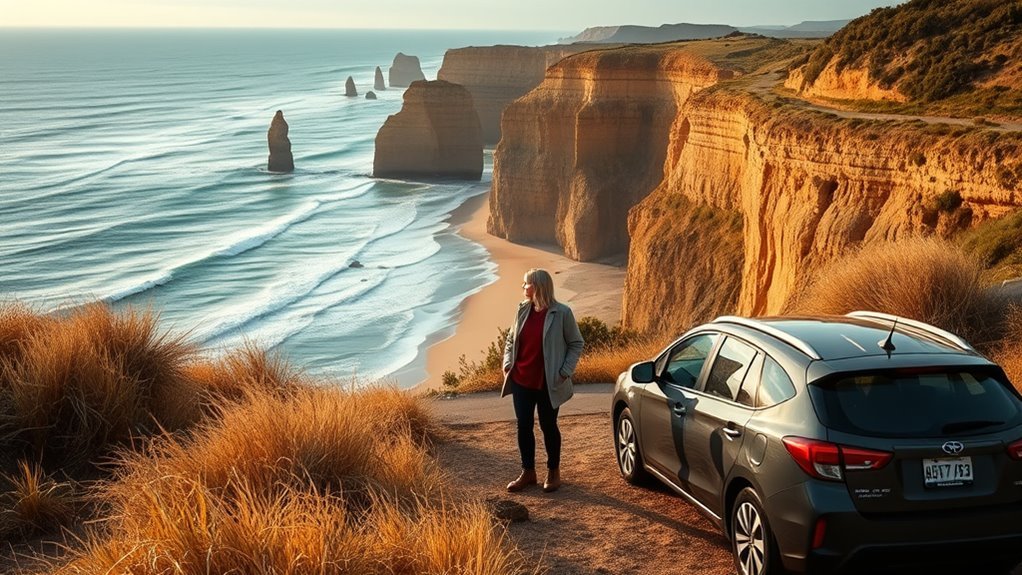
If you want the easiest all-round trip, aim for March to April or late October to November. You can often combine Melbourne sightseeing, coastal drives, national parks, wineries, and regional towns without the strongest summer holiday demand.
Do not treat Victoria as having one uniform climate, though. The state ranges from coastline and temperate Melbourne to warmer, drier northern districts and cold alpine country. Visit Victoria notes that conditions vary substantially across the state, so always check the forecast for your actual destination rather than relying only on Melbourne averages.
For Melbourne as a useful reference point, Bureau of Meteorology climate records show a clear seasonal temperature cycle, with summer substantially warmer than winter. Conditions can still change quickly, especially during spring and around coastal and alpine areas.
There is no single “best month” for every part of Victoria: the right season changes depending on whether you want beaches, vineyards, hiking, major events, or alpine snow.
Victoria Seasons at a Glance
| Season | Best For | Main Trade-Off |
| Summer Dec–Feb |
Beaches, long evenings, outdoor events | Holiday crowds, higher demand, heat and bushfire risk |
| Autumn Mar–May |
Road trips, wineries, hiking, comfortable sightseeing | Cooler mornings and shorter days later in the season |
| Winter Jun–Aug |
Snow sports, Melbourne culture, quieter non-alpine travel | Cold weather, short daylight, alpine peak-season costs |
| Spring Sep–Nov |
Wildflowers, gardens, hiking, wineries and regional drives | Changeable weather and event-related demand |
Note: Prices do not follow one simple state-wide pattern. Melbourne may have attractive winter rates at some times, while alpine accommodation can be at peak demand during snow season. Major sporting events, public holidays, school holidays, and long weekends can also raise prices in any season.
Summer in Victoria (Dec–Feb): Beaches, Festivals & Peak Holiday Demand
From December to February, Victoria enters its warmest season. Summer is the obvious choice if your trip revolves around beaches, swimming, coastal towns, outdoor dining, or long daylight hours.
Melbourne’s warmer days support outdoor events and evening activities, while coastal destinations such as the Mornington Peninsula, Phillip Island, and the Great Ocean Road become especially popular during holiday periods.
The trade-off is demand. Late December and January overlap with the major summer school-holiday period, so popular beach towns, campgrounds, family attractions, and holiday accommodation can fill earlier than they do in quieter months.
Summer weather also requires flexibility. Hot spells can affect inland Victoria, while coastal conditions may be cooler or windier. Check the forecast for each stop rather than assuming the same conditions across the state.
Warning: Bushfire conditions are an important part of summer travel in regional Victoria. The Country Fire Authority advises travellers to check Fire Danger Ratings, Total Fire Bans, weather, and current warnings. Never drive into a high-risk bushfire area where a Catastrophic fire danger rating has been declared.
Beach safety matters too. Rips can occur on Victorian surf beaches. Choose patrolled beaches where possible, obey safety signs, and swim between the red and yellow flags when a patrol is operating.
- Book popular coastal stays early for Christmas, New Year, and January trips.
- Carry sun protection, water, and a light layer because coastal temperatures can change quickly.
- Check fire and weather conditions before regional road trips.
- Plan busy coastal attractions for early morning when practical.
Autumn in Victoria (Mar–May): Mild Weather, Fewer Crowds & Road-Trip Conditions
Autumn is one of Victoria’s strongest all-round travel seasons. March can still feel pleasantly warm in many lowland areas, while April brings cooler mornings and comfortable afternoons that suit walking, sightseeing, vineyard visits, and road trips.
After the main summer holiday period, many destinations feel easier to explore. That makes autumn particularly attractive if you want to drive the Great Ocean Road, spend time in the Yarra Valley or Mornington Peninsula, explore historic towns, or hike without relying on peak summer heat.
Victoria’s wine regions are active throughout the year, so you do not need to wait for a particular season for cellar-door tastings. Autumn does, however, bring harvest-season atmosphere to many wine-growing areas, along with changing foliage in suitable regions.
Accommodation and rental-car prices are dynamic rather than guaranteed to fall in autumn. Easter, long weekends, festivals, sporting events, and local events can still create busy periods.
Pro Tip: If your dates are flexible, compare midweek stays with Friday and Saturday nights. Regional accommodation can change sharply around weekends and events even during a shoulder season.
Pack layers, particularly from April into May. A light waterproof jacket and comfortable walking shoes make it easier to handle cool mornings, showers, coastal wind, and warmer afternoon periods.
Winter in Victoria (Jun–Aug): Snow, City Culture & Quieter Non-Alpine Trips
Winter changes the type of trip Victoria offers. Melbourne becomes well suited to galleries, museums, cafés, restaurants, markets, live entertainment, and other indoor experiences, while Victoria’s alpine areas draw travellers specifically for snow.
June and July are among the coldest months in Melbourne, and conditions become much colder in elevated areas. If you are travelling into alpine country, snow, ice, seasonal road restrictions, and rapidly changing weather can affect driving and hiking plans.
Winter can be a quieter and potentially good-value period for Melbourne and some regional destinations, but it is not universally Victoria’s cheapest season. Snow resorts and nearby alpine towns can experience strong winter demand, particularly on weekends and during school holidays.
Melbourne’s tram network remains useful for city sightseeing, while regional trips require separate planning. If you are heading into remote parks, mountain areas, or small towns, check road and transport conditions before departure.
- Choose winter for alpine snow experiences and city-based cultural trips.
- Expect short daylight hours compared with summer.
- Take a waterproof outer layer and warm clothing.
- Check alpine road conditions and any snow-chain requirements before driving into snow country.
- Do not assume winter accommodation will be inexpensive in ski destinations.
Spring in Victoria (Sep–Nov): Wildflowers, Mild Days & Shoulder-Season Travel
Spring brings longer days, flowering gardens, active wildlife, and increasingly comfortable conditions for exploring much of Victoria. September can still feel cool, while late October and November are often easier for combining city sightseeing with regional drives and outdoor activities.
Wildflowers and fresh vegetation make spring appealing for parks and walking areas, while wineries, farmers’ markets, gardens, and regional towns give you plenty of reasons to build a multi-stop itinerary.
Spring weather can also be changeable. A warm sunny period may be followed by wind, rain, or a sharp temperature change, particularly around Melbourne and the coast. Carrying a light waterproof layer is more useful than relying on a single warm-weather outfit.
Late spring can provide an excellent balance of longer daylight and comfortable outdoor conditions, but Victoria’s variable weather still rewards flexible plans.
November can also include major events and local holiday demand, so shoulder season does not automatically mean empty attractions or low prices. Check your exact dates before assuming accommodation will be inexpensive.
If you want a colourful outdoor trip without committing to peak summer, late spring is one of the most flexible times to combine Melbourne, vineyards, coastal scenery, and regional Victoria.
Best Time to Visit Victoria by Trip Type
For Beaches and Swimming
December to February offers the warmest overall conditions. January and February are particularly attractive if swimming and beach time are your priorities. Expect greater demand during the summer holidays.
For the Great Ocean Road
March–May and late October–November are good starting points if you want comfortable road-trip conditions without deliberately targeting the busiest summer holiday weeks. Weather can change rapidly on the coast, so keep some flexibility in your itinerary.
For Wineries and Food Regions
Autumn and spring both work well. Autumn adds harvest-season atmosphere and seasonal colour, while spring pairs vineyard visits with longer days and fresh landscapes. Many cellar doors operate throughout the year.
For Hiking and National Parks
Autumn and late spring generally offer a comfortable balance for walking in many lowland and coastal areas. Summer heat and fire danger can change trail plans, while winter may bring cold, mud, snow, or seasonal access issues in elevated country.
For Snow
July and August are the main months to consider for a dedicated snow trip, although natural snowfall varies from year to year. Book early for popular weekends and school-holiday periods.
For Budget-Conscious City Travel
June to August can be worth checking for Melbourne if you do not mind cooler weather. However, compare your exact dates because major events can affect prices, and alpine Victoria follows a very different winter demand pattern.
How Crowds, Holidays & Events Affect Your Trip
Season alone does not determine whether Victoria feels busy. Specific dates can matter just as much.
Summer school holidays, Christmas, New Year, Easter, long weekends, and major Melbourne sporting or cultural events can increase demand for flights, accommodation, restaurants, and attractions.
Victoria also hosts high-profile events at different points in the year. If attending one is part of your trip, book around it. If your priority is lower demand, check the local events calendar before choosing accommodation.
For the best flexibility, travel midweek where possible and avoid assuming that every spring or autumn date is automatically “shoulder season.”
What to Pack for Victoria by Season
- Summer: sunscreen, hat, reusable water bottle, breathable clothing, light layer, and comfortable walking shoes.
- Autumn: layers, light waterproof jacket, walking shoes, and warmer clothing for evenings.
- Winter: warm layers, waterproof outerwear, closed shoes, and appropriate alpine equipment if visiting snow country.
- Spring: mix-and-match layers, light rain protection, sun protection, and shoes suitable for changing ground conditions.
Regardless of season, check local forecasts before regional drives. The Bureau of Meteorology provides official climate and weather information, but conditions at your destination are more useful than relying on a state-wide average.
Frequently Asked Questions
Do I Need a Car to Explore Regional Victoria Effectively?
Not for every destination. V/Line trains and coaches connect Melbourne with many regional centres, making places such as major regional cities accessible without driving. A car becomes much more useful for national parks, wineries, remote beaches, the Great Ocean Road, and places where the attraction is some distance from the nearest station or coach stop. Cycling can complement public transport in suitable areas, but it is not a substitute for a car everywhere.
Are There Travel Discounts for Students or Seniors Year-Round?
Some public-transport concessions and attraction discounts are available, but eligibility varies. Do not assume that every overseas student or senior automatically qualifies. Check the current eligibility rules for PTV concessions and ask individual attractions about student, senior, child, family, or membership discounts before purchasing.
What Vaccinations or Health Precautions Are Recommended for Visitors?
There is no blanket Victoria-specific recommendation that every visitor receive hepatitis A vaccination. Keep your routine vaccinations up to date and seek personalised travel-health advice if your health, origin, onward itinerary, or planned activities create additional risks. The Australian Government’s travel-immunisation guidance explains that recommended vaccines depend on where a person is travelling and their individual circumstances. Travel insurance, sun protection, hydration, and any required prescription medicines are also sensible preparations.
Can I Bring Pets to National Parks and Beaches?
Usually not in national parks. Parks Victoria says dogs and other pets are generally not permitted in Victorian national parks, although limited designated exceptions exist. Dogs are welcome in many other parks and reserves when the local rules are followed. Beach rules vary by council and location, so check signs and local regulations before taking a pet.
How Reliable Is Public Transport Between Melbourne and Tourist Towns?
V/Line trains and coaches provide useful links between Melbourne and many regional destinations, but service frequency and the final distance between a station and an attraction vary. Public transport works especially well for major regional centres. A car is usually more convenient for remote parks, scattered wineries, small coastal stops, and flexible road-trip itineraries. Check the current timetable before planning a same-day return.
What Is the Best Single Month to Visit Victoria?
April is one of the strongest choices for a general sightseeing trip because summer heat and holiday crowds have usually eased while many lowland destinations still work well for walking, road trips, wineries, and city sightseeing. November is another strong choice if you prefer longer daylight and spring scenery. Neither month guarantees dry weather.
What Is the Cheapest Time to Visit Victoria?
For Melbourne and some non-alpine destinations, June through August can produce attractive accommodation options because leisure demand is often lower. However, there is no guaranteed cheapest season across the whole state. Snow destinations can be expensive in winter, while major events, school holidays, and weekends can raise prices at any time.
When Is the Best Time to See Snow in Victoria?
July and August are generally the main months for a dedicated Victorian snow trip, although snowfall and snow depth vary each season. Check resort conditions, road information, weather forecasts, and any snow-chain requirements before travelling into alpine areas.
Conclusion
Victoria works as a year-round destination, but March–April and late October–November offer the most balanced conditions for many first-time visitors. These periods make it easier to combine Melbourne, coastal drives, vineyards, walking, and regional towns without deliberately choosing the peak summer holiday period.
Choose summer if beaches, long evenings, and outdoor events matter most. Choose winter for alpine snow or a cooler Melbourne city break. Whichever season you pick, check local weather, event dates, fire conditions, and transport before travelling because conditions and demand can differ sharply across Victoria.
Sources
- Visit Victoria — About Victoria — state geography, regional climate differences, seasons, and travel context.
- Australian Bureau of Meteorology — Melbourne Climate Statistics — official temperature and climate reference data.
- Country Fire Authority — Staying Safe When You Travel — fire-danger and summer travel safety guidance.
- Parks Victoria — Dog Friendly Parks — rules for dogs and pets in Victorian parks and national parks.
- Public Transport Victoria — Regional Train and Coach Tickets — regional train and coach travel information.
- Australian Government Department of Health — Immunisation for Travel — official travel-vaccination guidance.