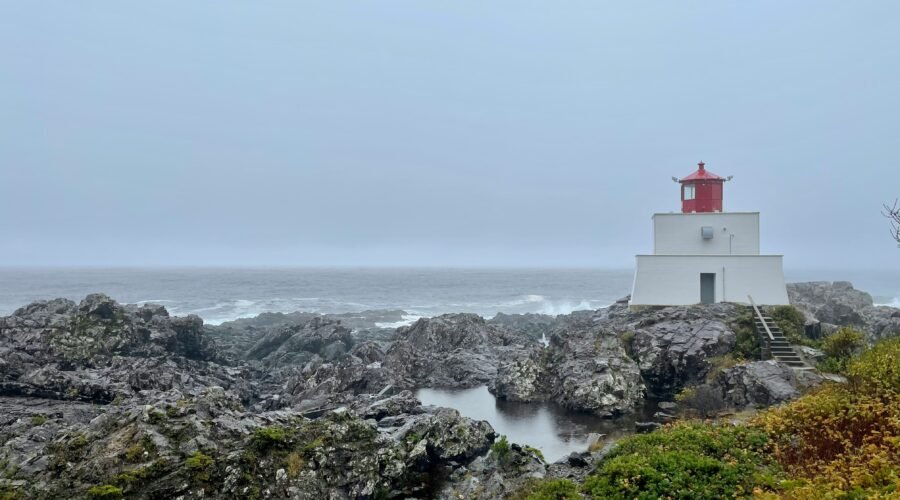
Thinking about a trip to Ucluelet, British Columbia? The best time to go depends on whether you care most about drier weather, lighter crowds, lower lodging rates, whale migration, or dramatic Pacific storms. Ucluelet is a year-round coastal destination, but the experience changes sharply from the relatively dry summer months to the much wetter late fall and winter.
Quick Answer
For the best balance of mild weather and manageable crowds, consider June or September. July and August offer the driest conditions and warmest average daytime temperatures but attract the strongest summer demand. March through May is especially appealing for migrating grey whales, while November through March is the prime period for dramatic storm watching.
Key Takeaways
- Best overall balance: June and September combine relatively mild conditions with less peak-season pressure than July and August.
- Driest and warmest period: July and August, when average daytime highs at the Ucluelet Kennedy Camp climate station are about 19°C (66°F).
- Best for grey-whale migration: March through May, with March strongly associated with the northbound migration.
- Best for storm watching: November through March, according to Parks Canada.
- Best for quieter travel: Late fall through early spring generally has fewer leisure visitors, although some businesses and activities may operate on reduced schedules.
Summer: Drier Weather and the Busiest Travel Season
Summer in Ucluelet is what many travelers picture when they imagine the west coast of Vancouver Island: long daylight hours, cool-to-mild temperatures, outdoor activities, and far less rainfall than in late fall or winter. It is also the period when accommodation and popular tours can face the strongest demand.
Peak Season Weather
- Temperatures: Environment and Climate Change Canada’s 1981–2010 normals for Ucluelet Kennedy Camp show average daytime maximums of about 17.1°C (63°F) in June, 19.0°C (66°F) in July, and 19.1°C (66°F) in August. Nights remain cool, so layers are useful even in midsummer.
- Rain: July and August are much drier than winter. The same climate normals show average monthly rainfall of about 78.5 mm in July and 87.6 mm in August, compared with more than 400 mm in several winter months.
- Sun and fog: Summer generally provides longer daylight and more opportunities for dry outdoor plans, although coastal fog, cloud, and occasional rain can occur at any time.
Environment and Climate Change Canada publishes the underlying Ucluelet Kennedy Camp climate normals, which are useful for understanding the area’s strong seasonal rainfall pattern.
Crowd Levels and Atmosphere
- Busiest period: July and August are generally the strongest summer travel months. Trails, beaches, restaurants, tours, and accommodation can feel noticeably busier.
- Active atmosphere: Summer offers broad access to outdoor recreation, tours, beaches, hiking, paddling, and other coastal activities.
- Book important plans early: If you have specific accommodation, whale-watching, fishing, kayaking, or dining priorities, reserving ahead is sensible during peak summer dates.
Cost Considerations
- Expect stronger demand: Summer lodging can be more expensive than low-season dates because more visitors are competing for available rooms.
- Rates are dynamic: There is no single month that is guaranteed to have the year’s highest room or tour price. Property type, weekends, holidays, events, and how early you book all affect the final cost.
- Value trade-off: You may pay more for the convenience of drier weather, long days, and a wider selection of seasonal activities.
Pro Tip: If you want a summer-like trip without making July or August your first choice, compare June and September. They can provide a useful middle ground between weather, availability, and crowd levels, although coastal rain is possible in every month.
Spring: A Gradual Awakening
Spring in Ucluelet marks the transition from the wet winter period toward the drier summer season. It is especially attractive for travelers interested in wildlife, greener landscapes, and a quieter atmosphere before the main summer rush.
Spring Weather Patterns
- Temperature rise: Average daytime highs increase from about 10.3°C (51°F) in March to 12.4°C (54°F) in April and 15.0°C (59°F) in May at the Ucluelet Kennedy Camp station.
- Rain gradually decreases: Spring is still wet, particularly early in the season, but average rainfall drops substantially between March and May as summer approaches.
- Lush scenery: The temperate rainforest stays intensely green, while longer daylight makes hiking and coastal sightseeing easier to fit into the day.
Crowd Dynamics in Spring
- Shoulder-season feel: April and May usually feel less pressured than July and August.
- More booking flexibility: Accommodation and tours may be easier to arrange outside holiday periods.
- Wildlife interest: Spring is one of the most notable times of year for whale-related travel on the west coast of Vancouver Island.
Springtime Savings
- Compare shoulder-season rates: Some lodging can cost less than comparable peak-summer dates, although pricing varies by property and demand.
- Check tour schedules: Not every operator follows the same seasonal calendar, so confirm availability before building a trip around one specific activity.
- Strong overall value: May in particular can appeal to travelers who accept some rain in exchange for spring scenery and a quieter atmosphere.
Spring Whale Migration
Spring has a special connection to the Pacific grey whale migration. Parks Canada describes the Eastern Pacific grey whale’s annual journey between winter breeding grounds in Mexico and northern feeding grounds, while its Pacific Rim National Park Reserve information highlights March as an important viewing month. Tourism Ucluelet also describes large numbers moving north between March and May.
Learn more from Parks Canada’s grey whale information.
Fall: Moody Skies and Wildlife Wonders

Fall in Ucluelet begins with conditions that can still feel close to summer, especially in September, before rainfall and storm activity increase through October and November. It is a good season for travelers who value dramatic coastal scenery more than predictable dry weather.
Fall Weather: Increasing Rain and Wind
- September remains mild: The Ucluelet Kennedy Camp climate normal for September shows an average daytime maximum of about 18.2°C (65°F).
- Temperatures fall later in the season: Average daytime maximums drop to about 13.9°C (57°F) in October and 10.4°C (51°F) in November.
- Rain increases sharply: Average rainfall rises from about 139.6 mm in September to 345.2 mm in October and 489.2 mm in November.
- Storm season approaches: Wind, heavy rain, large swell, and changing shoreline conditions become more important considerations later in fall.
Fall Crowds: A Quieter Experience
- September remains attractive: Early fall can offer a strong balance between relatively mild temperatures and a less intense atmosphere than midsummer.
- October and November feel quieter: As wetter weather returns, trails and viewpoints can feel less crowded.
- Weather becomes a bigger factor: Build flexibility into outdoor plans rather than expecting every activity to run regardless of conditions.
Fall Costs: More Opportunities to Compare
- Peak-summer pressure eases: Some lodging properties offer lower rates outside the busiest summer periods.
- Availability may improve: Last-minute options can become easier to find, although weekends and special events can still sell strongly.
- Best value depends on your priorities: If dramatic scenery matters more than dry weather, October and November can be rewarding.
Winter: The Stormy Season and Serene Escapes

Winter in Ucluelet brings the wettest weather, short daylight hours, dramatic Pacific systems, and a much quieter travel atmosphere. For travelers who specifically want storm watching, this is not merely an off-season substitute for summer; it is a distinct Ucluelet experience.
Winter Weather: Cool, Mild by Canadian Standards, and Very Wet
- Daytime temperatures: Environment Canada normals show average daytime maximums of about 8.5°C (47°F) in December, 8.4°C (47°F) in January, and 9.2°C (49°F) in February.
- Heavy precipitation: Winter is dramatically wetter than summer. Average monthly precipitation is about 451 mm in December, 502 mm in January, and 353 mm in February at the Ucluelet Kennedy Camp station.
- Snow is limited at low elevation: Snow can occur, but persistent deep snow at the coast is much less typical than heavy rain.
- Storm watching: Parks Canada identifies November through March as the most dramatic west-coast storm-watching period.
Parks Canada identifies November through March as the most dramatic storm season in Pacific Rim National Park Reserve.
Warning: Never treat storm watching like ordinary beach sightseeing. Parks Canada warns that high tides, large waves, storm surge, and rolling drift logs can make beaches and rocky shorelines dangerous. Check weather, swell, and tide conditions; respect closures; stay off drift logs; and use designated viewing areas when conditions are rough.
Before heading to the shoreline, review Parks Canada’s current storm-watching safety guidance.
Winter Crowds: The Quietest Part of the Year
- Fewer leisure travelers: Winter generally provides more solitude on coastal walks and around town than the main summer season.
- Peace and slower travel: It suits travelers who enjoy rain, dramatic weather, quiet accommodation, and flexible itineraries.
- Check operating schedules: Some tours and seasonal businesses may reduce hours, pause specific activities, or operate only when conditions allow.
Winter Costs: Often Better Lodging Value
- Look for low-season rates: Some hotels, resorts, vacation rentals, and B&Bs price winter dates below comparable peak-summer stays.
- Do not assume every date is cheap: Weekends, holidays, special packages, and limited inventory still influence rates.
- Trade-off: Lower demand can mean better accommodation value, but you accept more rain, shorter days, and fewer weather-independent outdoor options.
Pacific Rim National Park Reserve remains accessible year-round in important areas, but some park experiences operate seasonally. Parks Canada currently lists the West Coast Trail and Broken Group Islands season as May 1 through September 30, so check the current Pacific Rim National Park Reserve information before planning around a particular activity.
Month-by-Month Ucluelet Travel Guide
The table below combines long-term climate patterns with the practical trade-offs most travelers consider. Weather can vary substantially from the averages, so use this as planning guidance rather than a forecast.
| Month | Typical Pattern | Crowd Tendency | Best For |
|---|---|---|---|
| January | Very wet, cool, stormy | Low | Storm watching, quiet stays |
| February | Wet and cool | Low | Storms, solitude |
| March | Wet but gradually transitioning toward spring | Low to moderate | Grey whales, Whale Festival period |
| April | Mild and rainy | Low to moderate | Wildlife, quieter trails |
| May | Milder with declining rainfall | Moderate | Spring scenery, whales, shoulder-season travel |
| June | Mild and relatively dry | Moderate to high | Best overall balance |
| July | Mild and among the driest months | High | Outdoor activities, long days |
| August | Mild and relatively dry | High | Summer recreation |
| September | Still mild; rainfall begins increasing | Moderate | Weather/crowd balance |
| October | Cooler and much wetter | Low | Moody coast, quieter trips |
| November | Very wet; dramatic storms | Low | Storm watching |
| December | Very wet and cool | Low | Storms, quiet coastal stays |
When to Go Based on Your Priorities
If you are still deciding, match your travel dates to the experience that matters most to you rather than searching for one universally perfect month.
For Sunshine and Drier Weather Seekers
- Best bet: July and August. Long-term climate records make these the driest months in the Ucluelet station data.
- Strong alternatives: June and September offer milder shoulder-season trade-offs.
- What to expect: Even in midsummer, pack for cool mornings, fog, wind, and occasional rain.
For Crowd-Conscious Travelers
- Best bet: Late fall through early spring generally provides the quietest atmosphere.
- Best compromise: May, June, and September can offer a useful balance between outdoor conditions and reduced peak-season pressure.
- What to expect: Low-season travel can also mean reduced operating hours or weather-dependent tours.
For Budget Travelers
- Best approach: Compare late-fall, winter, and early-spring lodging dates rather than assuming one month is always cheapest.
- Shoulder-season option: April, May, October, and parts of November can provide better value than high-demand summer dates.
- What to expect: Lower-demand dates often come with wetter weather and fewer seasonal activities.
For Wildlife Enthusiasts
- Grey whales: March through May is particularly important for the northbound migration along Vancouver Island’s west coast.
- Other whales: Humpbacks, killer whales, resident grey whales, and other marine mammals may be encountered at other times, but wildlife sightings are never guaranteed.
- Birds and marine life: The region supports wildlife throughout the year, with species and activity changing seasonally.
- Responsible viewing: Canada regulates how closely vessels may approach marine mammals.
Note: Fisheries and Oceans Canada says vessels generally must remain at least 100 metres from whales, dolphins, and porpoises and at least 200 metres from animals that are resting or accompanied by a calf. Additional rules apply to killer whales in British Columbia, so use a responsible operator that follows current regulations.
See the Government of Canada’s current marine-mammal viewing guidance before heading onto the water.
Events That May Affect the Best Time to Visit
Events can make a particular week more appealing, but they can also increase demand for accommodation and restaurants.
- Pacific Rim Whale Festival: The festival celebrates the return of migrating Pacific grey whales and takes place in Tofino, Ucluelet, and Pacific Rim National Park Reserve. The next announced festival is March 13–20, 2027. Check the official Pacific Rim Whale Festival website before booking because dates change each year.
- Ukee Days: District of Ucluelet documentation identifies Ukee Days as an annual event held on the final weekend of July before the BC Day long weekend. The 2026 parade took place on July 25. Check the District of Ucluelet for the current year’s schedule.
What to Pack for Ucluelet in Any Season
- Waterproof outer layer: Rain is possible throughout the year and becomes much more frequent in fall and winter.
- Layers: Temperatures are moderate, but wind, fog, and damp air can make conditions feel cooler.
- Water-resistant footwear: Useful for wet trails, beach approaches, and rainy days.
- Warm mid-layer: Helpful for evenings even during summer.
- Binoculars: Useful for observing whales and seabirds without disturbing wildlife.
- Flexible itinerary: Keep at least one weather-independent activity available when visiting during the wetter months.
Final Thoughts: Choosing the Best Time to Visit Ucluelet
There is no single best month for every traveler. Choose July or August if your priority is the driest weather and broad summer activity access. Choose June or September for one of the best overall compromises between weather and crowds. Visit March through May if the grey-whale migration is a major reason for your trip, or choose November through March if you specifically want dramatic storm watching and a quieter coastal stay.
Whatever season you choose, pack waterproof layers and treat the Pacific coast with respect. Weather, tides, waves, road conditions, wildlife activity, and tour schedules can change quickly, so check current conditions shortly before each outdoor activity.
Frequently Asked Questions
What is the best time to visit Ucluelet for good weather?
July and August normally provide the warmest average daytime temperatures and the lowest average rainfall. Environment Canada climate normals show average daytime highs of about 19°C during both months. June and September are good alternatives if you want relatively mild weather while avoiding some peak-summer pressure.
When is the best time to visit Ucluelet to avoid crowds?
Late fall through early spring generally provides the quietest experience. If you want fewer people without committing to peak winter rain, consider May, June, September, or early October.
What is the most cost-effective time to visit Ucluelet?
Low-season and shoulder-season dates often provide better lodging value than high-demand summer dates. Compare rates from late fall through spring, but do not assume one month is always cheapest because accommodation prices change with weekends, holidays, events, inventory, and booking demand.
What is winter weather like in Ucluelet?
Winter is cool, extremely wet, and frequently stormy rather than severely cold. Environment Canada normals show average daytime maximums of roughly 8–9°C from December through February. Parks Canada identifies November through March as the most dramatic storm-watching season.
When is the best time for whale watching in Ucluelet?
March through May is especially notable for the northbound Pacific grey-whale migration. Other whales and marine mammals may be present at different times of year, but sightings are never guaranteed and tour operations depend on conditions.
When is storm-watching season in Ucluelet?
Parks Canada identifies November through March as the most dramatic storm season. Watch from safe viewpoints, check weather and tide information, stay away from drift logs and exposed shorelines during dangerous conditions, and obey temporary closures.
Are there events worth considering when planning a Ucluelet trip?
Yes. The Pacific Rim Whale Festival is a major spring event connected with grey-whale migration; the next announced festival runs March 13–20, 2027. Ukee Days is traditionally held on the final weekend of July. Always confirm current-year dates before booking.
Sources
- Environment and Climate Change Canada — Ucluelet Kennedy Camp Climate Normals — supports average temperature, rainfall, precipitation, and snowfall information.
- Parks Canada — Storm Watching in Pacific Rim National Park Reserve — supports storm-season timing and shoreline safety guidance.
- Parks Canada — Grey Whale — supports grey-whale migration information.
- Fisheries and Oceans Canada — Watching Marine Wildlife — supports current marine-mammal viewing rules and approach distances.
- Pacific Rim Whale Festival — supports the announced March 13–20, 2027 festival dates.
- District of Ucluelet — supports local Ukee Days scheduling and current community information.