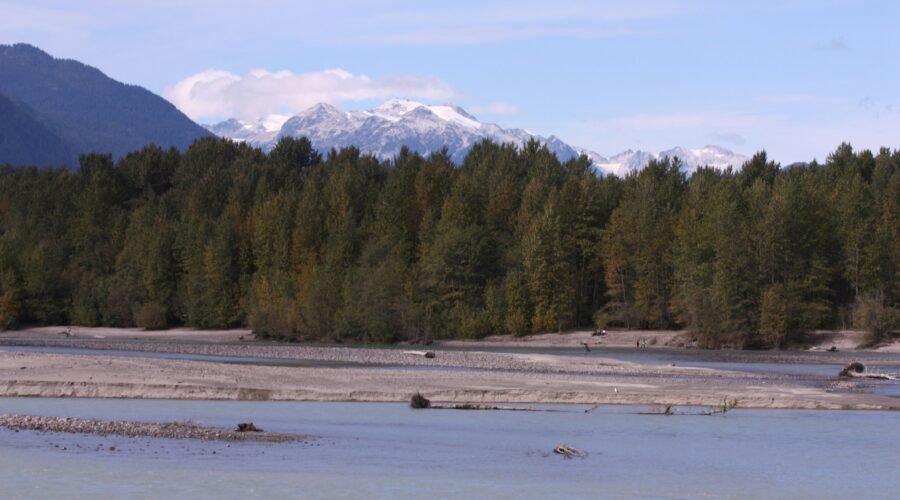
Squamish, British Columbia, is a year-round outdoor destination, but the best time to visit depends on what you want to do. For most travelers, late May through September offers the easiest combination of mild weather, long daylight hours, and access to hiking, climbing, biking, lakes, and Howe Sound. The trade-off is that July and August bring the largest crowds and strongest demand for accommodation and parking.
Quick Answer
For the best balance of weather, crowds, and cost, visit Squamish in late May, early June, or September. July and August usually offer the warmest and driest conditions for outdoor adventures, while late fall and winter are quieter and better suited to eagle viewing, snowy activities at higher elevations, and lower accommodation demand.
Key Takeaways
- Best overall balance: Late May, early June, and September.
- Best for hiking, climbing, biking, and paddling: July and August, although popular areas can be crowded.
- Best for fewer people: Late October through early spring, with wetter and colder conditions.
- Best for bald eagles: Late fall into winter, with peak viewing commonly centered around November through January.
- Important: Trail access, wildfire smoke, parking restrictions, and park-pass rules can change, so check official conditions before outdoor trips.
Best Time to Visit Squamish by Month
This month-by-month overview makes the seasonal trade-offs easier to compare. Temperatures are based on Environment and Climate Change Canada’s 1991–2020 climate normals for Squamish and are rounded for trip planning.
| Month | Typical High | Crowds | Best For |
| January | 4.5°C / 40°F | Low | Eagles, winter scenery, snow activities |
| February | 7.6°C / 46°F | Low | Winter walking and snow sports |
| March | 10.4°C / 51°F | Low | Lower trails and quieter trips |
| April | 14.5°C / 58°F | Low–moderate | Waterfalls and lower-elevation hiking |
| May | 18.9°C / 66°F | Moderate | Excellent overall value and spring scenery |
| June | 21.1°C / 70°F | Moderate–high | Hiking, biking, climbing, long days |
| July | 24.5°C / 76°F | High | Warm-weather outdoor adventures |
| August | 24.5°C / 76°F | High | Lakes, climbing, biking, festivals |
| September | 20.7°C / 69°F | Moderate | One of the best all-around months |
| October | 13.9°C / 57°F | Low–moderate | Fall scenery and quieter trails |
| November | 7.6°C / 46°F | Low | Eagle viewing and quiet getaways |
| December | 3.8°C / 39°F | Low–moderate | Eagles, winter scenery, holiday trips |
1. Squamish Weather by Season
Understanding Squamish’s coastal mountain climate is important because conditions can change quickly, and weather in town can be very different from conditions at higher elevations.
Summer: June, July, and August
Summer offers the most consistently comfortable conditions for many outdoor activities. Environment and Climate Change Canada’s 1991–2020 normals show an average daily maximum of 21.1°C (70°F) in June and 24.5°C (76°F) in July and August.
- Temperature: Warm afternoons are common, while mornings and evenings can still feel cool.
- Daylight: Long days give you more time for hiking, climbing, mountain biking, paddling, and sightseeing.
- Rain: Summer is generally drier than the wet fall and winter months, although rain is still possible.
- Lakes: Alice Lake, Brohm Lake, Browning Lake, and other local swimming areas become popular on warm days.
- Alpine conditions: Do not assume every high-elevation trail is snow-free simply because it is summer. Check current trail reports before heading into the alpine.
Warning: Wildfire smoke can affect British Columbia during summer even when the fire itself is far from Squamish. Check current B.C. wildfire and air-quality information before a strenuous hike, climb, or bike ride.
Fall: September, October, and November
Early fall can be one of the best times to visit Squamish. September still averages a daily maximum of about 20.7°C (69°F), but visitor numbers usually begin easing after the summer holidays.
- September: Often comfortable for hiking, climbing, and biking, with cooler evenings and fewer visitors than midsummer.
- October: The average daily maximum drops to about 13.9°C (57°F). Rain becomes more common, and fall colors appear throughout the valley.
- November: Cooler, wetter weather becomes more established. Higher elevations may have snow, while lower trails can become muddy.
- Wildlife: Bald eagle viewing becomes an important seasonal attraction as salmon return to local rivers.
Winter: December, January, and February
Winter in the Squamish townsite is generally milder than many inland Canadian destinations, but expect wet, cool conditions at lower elevations and much more snow in the mountains.
- Temperature: Average daily temperatures are only a few degrees above freezing, with colder nights.
- Snow: Snow in town can be intermittent, while substantial snow is possible at higher elevations.
- Rain: Wet weather is common at lower elevations.
- Winter recreation: Snowshoeing, winter walking, ski touring, and other snow activities are available where conditions permit.
- Eagles: Late fall through winter is the key bald-eagle viewing period.
The Sea to Sky Gondola also operates winter activities according to snow and operating conditions. Check its current activity status before assuming a specific trail, skating area, or snow activity is open.
Spring: March, April, and May
Spring begins cool and damp and becomes progressively milder. It is particularly attractive if you want green scenery, strong waterfalls, and fewer people than midsummer.
- March: Average daily maximum about 10.4°C (51°F). Snow remains common at elevation.
- April: Average maximum about 14.5°C (58°F). Lower trails become more appealing, although mud and rain remain common.
- May: Average maximum about 18.9°C (66°F). This is one of the strongest shoulder-season choices for many travelers.
- Waterfalls: Spring snowmelt can make waterfalls such as Shannon Falls especially impressive.
- High-country access: Higher trails can remain snowy well after lower-elevation routes have dried out.
Pro Tip: If your dates are flexible, late May or September often gives you a better combination of pleasant weather, daylight, easier parking, and lighter crowds than a midsummer weekend.
2. Crowds: When Squamish Gets Busy
Squamish’s most accessible hikes, lakes, climbing areas, and viewpoints can become very busy during good summer weather, especially on weekends.
Peak Season: Late June to Early September
This is the busiest period for outdoor recreation and summer tourism.
- Why it is busy: Warm weather, long daylight hours, school holidays, camping season, festivals, and generally better access to outdoor activities.
- Where congestion is most noticeable: Stawamus Chief Park, Sea to Sky Gondola, Shannon Falls, Alice Lake, Brohm Lake, and popular Garibaldi Park trailheads.
- Impact: Parking can fill early, accommodation availability becomes tighter, and popular trails and attractions feel busier.
- Best strategy: Visit popular areas early, favor weekdays, and have a backup plan if parking is full.
Shoulder Seasons: May to Early June and September to Early October
These periods often provide the best compromise between outdoor conditions and manageable visitor levels.
- May to early June: Lower-elevation hiking, biking, and climbing options expand as conditions improve. Alpine snow can still limit higher routes.
- September to early October: Many summer activities remain possible, but school holidays have ended and visitor pressure generally decreases.
- Weekends still matter: A sunny September Saturday can still be very busy at major trailheads and lakes.
Off-Peak Season: Late October to Early Spring
If solitude matters more than reliable sunshine, the cooler months can be appealing.
- Why it is quieter: Rain, shorter daylight hours, snow at elevation, and reduced access to some summer-oriented activities discourage casual visitors.
- Advantages: Easier restaurant access, less competition for many accommodations, and quieter lower-elevation walks.
- Good seasonal activities: Eagle viewing, winter walking, snowshoeing where conditions allow, scenic drives, breweries, cafés, and nearby indoor attractions.
3. Costs: Accommodation, Activities, Food, and Camping

Accommodation availability and pricing can change substantially with demand, while attraction and park fees are more likely to follow the operator’s published pricing rather than changing simply because a weekend is busy.
Peak Season: Late June to Early September
- Accommodation: Expect stronger demand and fewer inexpensive last-minute choices. Booking ahead is sensible, particularly for weekends and major events.
- Activities: Guided tours and timed attractions may sell out even when their standard price does not change.
- Food: Menu prices do not normally change just because it is summer, but popular restaurants can have longer waits.
- Camping: Reservation availability is the bigger issue. Popular campgrounds can fill well ahead of arrival.
Shoulder Seasons: May to Early June and September to Early October
- Accommodation: You may find better availability and, depending on the property and date, lower rates than on peak summer weekends.
- Activities: Capacity is often easier to find than during the busiest midsummer dates.
- Restaurants: Weekends can remain lively, but waits are generally easier to manage.
- Camping: Availability can improve outside peak dates, but reservations are still wise for popular parks.
Off-Peak Season: Late Fall and Winter
- Accommodation: Some hotels and rentals offer lower off-season prices, although rates vary by property, holiday period, and special event.
- Activities: Seasonal packages may be available, but some operators reduce schedules.
- Food: Restaurants are generally easier to access outside busy holiday periods.
- Camping: Do not assume a campground remains open or becomes first-come, first-served. Check the specific campground’s official operating dates and reservation rules.
4. Activities by Season

Squamish is an outdoor destination throughout the year, but the most suitable activities change significantly with temperature, snow level, daylight, rainfall, and trail conditions.
Summer: June to August
- Hiking: Many lower- and mid-elevation routes are in their prime. Alpine trails may retain snow earlier in summer, so check current reports.
- Rock climbing: Summer provides long daylight hours for Squamish’s internationally known granite climbing areas, including the Chief and Smoke Bluffs.
- Mountain biking: Numerous trail networks are available, although wet weather, maintenance work, or wildfire restrictions can temporarily affect access.
- Water activities: Kayaking, paddleboarding, sailing, kiteboarding, and wind sports are popular around Howe Sound.
- Swimming: Alice Lake, Brohm Lake, and Browning Lake are popular warm-weather options.
- Via Ferrata: Guided Via Ferrata trips are offered at the Sea to Sky Gondola according to current operating schedules.
Note: For summer 2026, BC Parks required day-use vehicle passes at several Garibaldi Park trailheads during specified dates. Reservation systems can change from year to year, so check BC Parks immediately before your trip rather than relying on an older guide.
Fall: September to November
- Early fall: Hiking, climbing, and mountain biking can remain excellent during stable September weather.
- Later fall: Rain and mud become more common, and snow may return to higher terrain.
- Eagle viewing: Bald eagles begin gathering in the Squamish and Cheakamus river systems as spawning salmon provide food.
- Lower trails: Many remain usable, but waterproof footwear becomes increasingly useful.
Winter: December to February
- Eagle viewing: Winter is one of the key reasons to visit Squamish outside the summer season. Eagle Run Dyke is a popular viewing location across the river from protected habitat.
- Snowshoeing and winter walking: Higher-elevation recreation may be available around the Sea to Sky Gondola and other snowy areas.
- Ski touring and splitboarding: These are backcountry activities requiring appropriate experience, equipment, avalanche knowledge, and current condition checks.
- Scenic drives: The Sea to Sky Highway remains spectacular in winter, but road and weather conditions should be checked before driving.
- Indoor or weather-proof options: Local cafés, breweries, restaurants, galleries, and the Britannia Mine Museum south of Squamish can provide alternatives during heavy rain.
Warning: Backcountry skiing, snowshoeing, and winter hiking can expose you to avalanche terrain, ice, rapidly changing weather, and short daylight hours. Do not treat a summer trail description as a winter safety guide.
Spring: March to May
- Early spring: Lower-elevation routes begin improving while higher terrain remains wintry.
- May: Hiking, mountain biking, climbing, and sightseeing opportunities expand significantly.
- Waterfalls: Snowmelt can make Shannon Falls and other waterfalls especially impressive.
- Birdlife: Migratory birds add interest around wetlands and the estuary.
5. Local Events and Festivals
Events can make a good trip even better, but festival names and dates change. Always verify the year you are traveling against the official Tourism Squamish event calendar or the organizer’s website before booking around one event.
Summer Festivals and Community Events
Summer has the densest event calendar. Verified 2026 examples included:
- Sḵwx̱wú7mesh Squamish Together: The July 1, 2026 downtown community celebration included live music, art, food, community groups, and cultural activities at Junction Park and O’Siyum Pavilion.
- Squamish Arts Festival: The 2026 festival ran from July 25 through August 8, with workshops, performances, live art, and cultural programming.
- Squamish Days Loggers Sports Festival: The 2026 festival ran July 30 through August 2 and included loggers sports, family events, races, a parade, and community traditions.
- Sp’akw’us Feather Shakedown: Held August 8, 2026 at the Squamish oceanfront, with live music, DJs, food, community programming, and Squamish Nation cultural song and dance.
- Squamish Farmers Market: The 2026 summer market ran Saturdays from May 2 through October 31, from 9 AM to 2 PM.
Fall and Winter Events
The calendar becomes quieter after summer, but the wildlife season itself becomes a major attraction.
- Eagle season: Special viewing programs and educational events may accompany the winter eagle migration. Check current listings rather than relying on a fixed annual festival date.
- Winter markets: The Squamish Farmers Market published a separate winter 2026 season from November 7 through December 19.
- Holiday and New Year’s events: Community activities vary by year, so confirm exact dates before planning a trip around them.
Spring and Early-Summer Events
Community markets and outdoor events begin building again as daylight increases and conditions improve.
- Farmers market: The main outdoor market season generally begins in spring.
- Outdoor recreation events: Running, biking, climbing, paddling, and community events appear throughout the calendar, but the lineup changes from year to year.
- Arts programming: Workshops, gallery events, live music, and cultural programming continue beyond the major summer festival dates.
How to Choose the Best Time for Your Trip
If you are still deciding between seasons, match your travel dates to your highest priority instead of searching for one universally perfect month.
- For warm weather and the widest choice of outdoor activities: Choose July or August.
- For good weather with somewhat lighter crowds: Choose late May, early June, or September.
- For waterfalls and fresh spring scenery: Consider April or May.
- For fall scenery: Consider late September or October.
- For eagle viewing: Plan for late fall through winter, particularly November through January.
- For the quietest trip: Late fall through early spring generally brings fewer recreational visitors, but also wetter weather and more limited mountain access.
- For the lowest accommodation demand: Look outside summer weekends, major holidays, and large event dates.
What to Pack by Season
Summer
Bring sun protection, water, layers for cooler mornings and evenings, sturdy footwear, and a light rain shell. Add swimwear or paddling equipment if your plans include lakes or Howe Sound.
Spring and Fall
Pack waterproof footwear, a rain shell, warm layers, and spare dry clothing. Trail conditions can range from dry to muddy or snowy within the same day depending on elevation.
Winter
Use waterproof outerwear, insulating layers, warm gloves and headwear, and traction appropriate to the conditions. Technical winter or backcountry trips require activity-specific safety equipment and experience.
Planning for Parks, Parking, and Changing Conditions
Summer demand has led to parking controls and reservation systems at several recreation areas. For example, BC Parks required day-use vehicle passes at selected Garibaldi Park trailheads during summer 2026. Stawamus Chief and other Sea to Sky parks also experience heavy parking demand.
Do not park illegally if a trailhead is full. Choose a different destination, return at another time, use available transit or shuttle options where practical, or visit on a weekday.
In Squamish, choosing the right hour can matter almost as much as choosing the right month. An early weekday start can dramatically improve parking and trail conditions at popular summer destinations.
Responsible Eagle Viewing
Wintering bald eagles need space to feed and conserve energy. View them from established locations such as Eagle Run Dyke rather than approaching birds on riverbanks or entering protected habitat.
- Use binoculars or a telephoto lens instead of moving closer.
- Stay on established dykes and public viewing areas.
- Do not approach feeding eagles.
- Keep dogs controlled and follow posted leash rules.
- Do not use a drone to get close wildlife footage.
Conclusion: Tailoring Your Squamish Adventure
There is no single best time to visit Squamish for every traveler. The right season depends on whether you value warm weather, quieter trails, wildlife, lower accommodation demand, or a specific outdoor activity.
- For the most dependable warm-weather adventure season: July and August are excellent for hiking, climbing, biking, paddling, and swimming, but they also bring the heaviest demand.
- For the best overall balance: Late May, early June, and September combine relatively mild weather with somewhat lighter crowds.
- For quieter travel and winter wildlife: Late October through early spring can work well if you are prepared for rain, cold, snow at elevation, and shorter days.
Whatever month you choose, check weather, trail advisories, wildfire or air-quality information, park reservations, and event dates shortly before your trip. Conditions in the Coast Mountains can change faster than an annual travel guide can.
Frequently Asked Questions
What is the best overall time to visit Squamish?
Late May, early June, and September are strong choices for many visitors because they combine comfortable weather with somewhat lighter crowds than peak July and August.
When does Squamish have the warmest weather?
July and August are normally the warmest months. Environment and Climate Change Canada’s 1991–2020 normals show an average daily maximum of about 24.5°C (76°F) in both months.
When is peak tourist season in Squamish?
Peak visitor pressure is generally from late June through early September, especially on sunny weekends and holidays. Popular lakes, trailheads, campgrounds, and attractions can fill early.
What is the shoulder season in Squamish?
The main shoulder periods are spring, especially May to early June, and early fall, especially September to early October. These periods can offer a useful balance of weather, availability, and crowd levels.
When should I visit Squamish to avoid crowds?
Late fall through early spring is generally quietest. If you still want good hiking and biking conditions, try May, early June, September, or a weekday rather than a midsummer weekend.
When is Squamish cheapest to visit?
Accommodation demand is often lower outside the summer peak and major holidays. Actual rates vary by property, so compare your exact dates rather than assuming every winter stay will be cheaper.
What is the best time to see bald eagles in Squamish?
Late fall and winter are best. Eagle activity generally builds from October, with peak viewing commonly centered around November through January as birds gather near salmon-bearing rivers.
Is July or September better for Squamish?
Choose July if warm weather, long daylight, swimming, and maximum summer activity access matter most. Choose September if you prefer milder temperatures and generally lighter crowds while still retaining good chances for hiking, biking, and climbing.
Can wildfire smoke affect a summer trip to Squamish?
Yes. Smoke can occasionally affect air quality in the Sea to Sky region even when the wildfire is elsewhere in British Columbia or beyond. Check current provincial wildfire and air-quality information before strenuous outdoor activities.
Sources
- Environment and Climate Change Canada — Squamish 1991–2020 Climate Normals — monthly temperature data.
- Tourism Squamish — When to Visit — official seasonal travel guidance.
- BC Parks — Day-Use Passes — current reservation and access requirements for parks including Garibaldi.
- Tourism Squamish — Eagle Viewing — seasonal eagle-viewing information.
- Tourism Squamish — Event Calendar — current festivals, community events, and annual programming.
- BC Wildfire Service — Current Wildfire Map — wildfire conditions and public information.
For information about how this site reviews and publishes travel content, see the editorial policy. Commercial-relationship information is available in the affiliate disclosure, and general questions can be sent through the contact page.