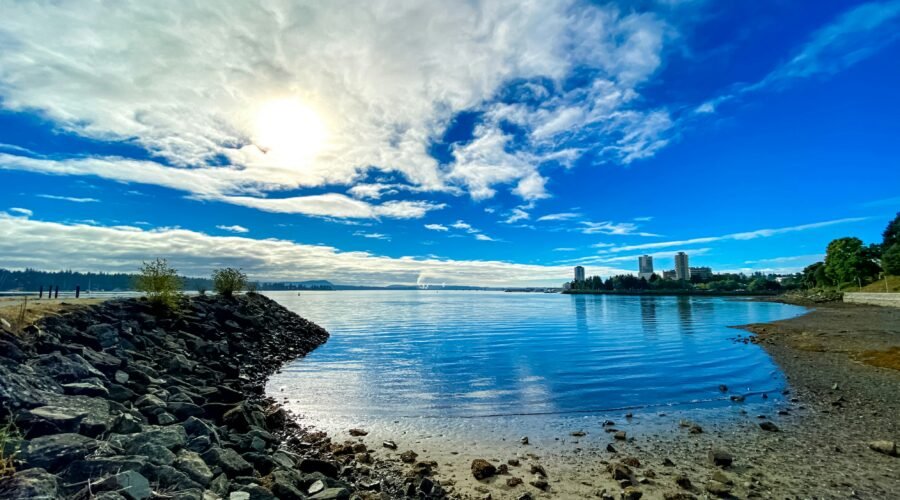
If you’re wondering about the best time to visit Nanaimo, British Columbia, late spring from May to June and early fall from September into early October usually offer the best balance of comfortable weather, manageable crowds, and outdoor activities. July and August are better if sunshine, beaches, festivals, and long days matter most, while winter suits travelers who prefer a quieter visit and do not mind rain.
Quick Answer
For most travelers, the best time to visit Nanaimo is May through June or September through early October. These shoulder-season periods usually combine mild conditions with fewer visitors than July and August. Choose midsummer for beaches and festivals, or winter for lower demand, quiet trails, and indoor attractions.
Key Takeaways
- Best overall balance: May-June and September-early October.
- Best for warm-weather activities: July and August.
- Best for fewer tourists: April, late October, November, and much of winter.
- Best for fall colour and salmon activity: October is especially appealing.
- Ferry planning matters: booking requirements depend on the route and direction, so always check BC Ferries before traveling.
- Weather is variable: forecasts, wildfire smoke, marine conditions, and seasonal storms can affect plans even during otherwise favorable months.
Best Time to Visit Nanaimo by Season
1. Spring (April-June): Fresh, Green, and Less Crowded
Spring is one of Nanaimo’s most appealing seasons if you want green landscapes and comfortable sightseeing without peak-summer visitor numbers. Conditions become progressively milder through April, May, and June, while daylight increases quickly.
1.1. Weather in Spring: Mild but Changeable
- April: Expect cool mornings, mild afternoons, and a continuing chance of rain. Waterproof layers are useful, especially for hiking or waterfront walks.
- May: Conditions typically become milder and drier than early spring. This is one of the better months for hiking, cycling, sightseeing, and paddling without midsummer crowds.
- June: June brings long daylight hours and generally warmer conditions. It can feel summer-like on sunny days, although evenings near the water may still be cool.
For official climate averages, use Environment and Climate Change Canada’s Canadian Climate Normals. Historical averages are useful for planning, but check a current forecast immediately before your trip.
1.2. Crowds in Spring: Usually Manageable
- Early Spring: April is generally quiet, particularly on weekdays. Parks and trails can feel much less busy than they do in July and August.
- Late Spring: Visitor activity increases through May and June, especially on pleasant weekends. Even so, this period is usually easier to plan than the height of summer.
1.3. Costs in Spring: Often Better Value Than Midsummer
- Accommodation: Hotels and vacation rentals may offer better availability outside peak summer periods, although prices vary by property, event dates, and demand.
- Flights and Ferries: Airfare is dynamic, and BC Ferries uses different fare choices and booking rules rather than a simple seasonal high/low pricing system. Compare your exact sailing and travel dates before assuming spring will be cheaper.
- Activities: Many outdoor services are operating by late spring, but schedules vary by provider.
1.4. Spring Activities
- Hiking and Biking: Explore places such as Westwood Lake Park and Nanaimo’s extensive trail network while temperatures are comfortable.
- Wildlife Viewing: Spring brings active birdlife, and seals and other marine wildlife may be seen along the coast. Wildlife sightings are never guaranteed.
- Gardens and Parks: Bowen Park, Pipers Lagoon, and other green spaces become especially attractive as vegetation and spring flowers return.
- Kayaking and Paddleboarding: Spring can provide beautiful paddling days, but the water remains cold. Check marine weather, wind, and local conditions before launching.
Pro Tip: If you want long daylight hours without full midsummer demand, consider late May through the second half of June. Keep a waterproof layer in your daypack because coastal weather can still shift quickly.
Site information: If you want information about the publisher of this article, see Lele Tours About Us.
2. Summer (July-August): Warm Weather and Peak Activity
Summer is Nanaimo’s busiest warm-weather season. Long days, waterfront activity, beaches, markets, festivals, and outdoor recreation make July and August attractive, but accommodation and popular sailings can be more competitive.
2.1. Weather in Summer: Warm, Dry-Leaning, and Bright
- July: July is typically among Nanaimo’s warmest and driest periods, making it well suited to beaches, cycling, hiking, sightseeing, and paddling.
- August: August generally continues the warm summer pattern, although local conditions and wildfire smoke can vary from year to year.
- Ocean Conditions: Coastal water is warmer than it is in winter but can still feel cold to swimmers. Water temperature also varies by location, depth, tide, and weather, so do not assume a sunny day means warm swimming conditions.
Warning: Wildfire smoke can affect air quality in British Columbia during summer. Smoke conditions may change quickly. Check provincial air-quality warnings and local forecasts before strenuous outdoor activities, especially if you are sensitive to smoke.
2.2. Crowds in Summer: The Busiest Period
- Peak Period: July and August attract both visitors and local residents to beaches, parks, patios, festivals, and waterfront areas.
- Accommodation and Tours: Popular hotels, vacation rentals, and tours can fill earlier than they do in shoulder season. Reserve important parts of your trip in advance when your dates are fixed.
- Traffic and Ferries: Ferry demand can be heavy during summer weekends and holidays. Booking requirements differ by route, vehicle type, direction, and fare choice, so verify your sailing before departure.
2.3. Costs in Summer: Demand Can Raise Trip Costs
- Accommodation: Summer demand can push room rates higher and reduce availability, particularly around festivals, weekends, and holidays.
- Flights and Ferries: Airfare varies dynamically. BC Ferries offers different fare choices, including discounted fares on some eligible sailings, so booking earlier may improve your options.
- Activities: Tours generally operate their fullest schedules during summer, but rates and availability depend on the provider rather than a universal seasonal pricing rule.
2.4. Summer Activities
- Beach Hopping: Departure Bay, Pipers Lagoon, and other local waterfront areas are popular on warm days. Parksville’s broad sandy beaches are also accessible by road north of Nanaimo.
- Water Sports: Kayaking, paddleboarding, swimming, snorkeling, sailing, and scuba diving are popular, but cold-water and marine-weather precautions remain important.
- Whale Watching: Summer is a popular period for marine-wildlife tours, but no operator can guarantee particular species or sightings.
- Island Exploring: Gabriola Island makes an easy day trip from downtown Nanaimo. Tourism Nanaimo describes the ferry crossing as roughly 20-25 minutes, depending on the published schedule.
- Festivals and Events: Summer is Nanaimo’s peak festival season. Exact events and dates change, so check Tourism Nanaimo’s current calendar before building your trip around one event.
3. Fall (September-November): Quieter Days and Autumn Colour
Fall is another strong season for Nanaimo. September can retain a late-summer feel, while October brings cooler weather and autumn colour. By November, wetter and shorter days become more common.
3.1. Weather in Fall: Gradually Cooler and Wetter
- September: September often provides comfortable outdoor weather with fewer visitors than July and August. Rain becomes more likely as the season progresses.
- October: Expect cooler temperatures and a greater chance of wet weather. Clear autumn days can still be excellent for walking, hiking, and sightseeing.
- November: November moves toward Nanaimo’s wetter winter pattern. Waterproof outerwear and flexible indoor alternatives become increasingly useful.
3.2. Crowds in Fall: More Relaxed
- Early Fall: Visitor numbers often ease after the main summer holiday period while restaurants, parks, attractions, and events remain active.
- Late Fall: October and November are generally quieter. Some seasonal operators may reduce hours, so check specific businesses before making a special trip.
3.3. Costs in Fall: Potential Shoulder-Season Value
- Accommodation: Travelers may find better availability after peak summer dates, but prices still depend on weekends, events, and individual properties.
- Flights and Ferries: Do not assume a fixed off-season fare. Compare live airline prices and BC Ferries fare choices for your dates.
- Activities: Availability can be good in early fall, while some seasonal tours reduce frequency later in the season.
3.4. Fall Activities: Colour, Salmon, and Culture
- Salmon Spawning: Fall is an important salmon period in the Nanaimo River watershed. Fisheries and Oceans Canada material indicates that Chinook spawning can begin in September, peak in October, and continue into November and December.
- Autumn Hikes: Wooded trails such as those around Linley Valley Cottle Lake Park provide a pleasant way to experience changing seasonal colour.
- Storm Watching: Windier coastal weather becomes more common as fall progresses. Watch from safe, protected viewpoints and stay away from exposed rocks during rough conditions.
- Cafes and Restaurants: Cooler days are well suited to exploring Nanaimo’s indoor dining, arts, and cultural scene.
4. Winter (December-March): Quiet, Wet, and Low-Key
Winter in Nanaimo is generally milder than winter in many inland parts of Canada, but it is also wetter, darker, and more changeable. Snow can occur, yet rain and cool conditions are a more consistent consideration for trip planning.
4.1. Weather in Winter: Cool and Wet
- December-February: Expect cool temperatures, frequent wet-weather periods, short daylight hours, and occasional snow or icy conditions.
- March: Daylight increases quickly and signs of spring begin to appear, but waterproof clothing remains useful.
4.2. Crowds in Winter: Generally Low
- Minimal Tourist Pressure: Outside holiday periods and special events, winter generally feels much quieter than summer.
- Local Atmosphere: Restaurants, galleries, museums, parks, and neighborhoods can feel more locally oriented when tourism demand is low.
- Limited Seasonal Services: Some outdoor tour companies and seasonal businesses reduce schedules, so confirm hours before traveling.
4.3. Costs in Winter: Potential for Better Availability
- Accommodation: Lower visitor demand can improve availability at some properties, although holiday periods and events may still raise prices.
- Flights and Ferries: Prices and fare availability vary. Compare your actual dates instead of relying on a blanket assumption that winter transportation is always cheapest.
- Activities: Outdoor options depend more heavily on rain, wind, daylight, and trail conditions, while museums, galleries, restaurants, and other indoor attractions remain useful alternatives.
4.4. Winter Activities
- Storm Watching: Winter can produce dramatic coastal weather. Use protected viewpoints and follow weather warnings.
- Rainy-Day Activities: Visit the Nanaimo Museum, browse galleries, explore shops, or plan a leisurely waterfront meal.
- Winter Hiking: Local trails can remain enjoyable with waterproof footwear and clothing, but mud, ice, fallen branches, and shortened daylight may affect conditions.
- Skiing and Snowboarding: Mount Washington Alpine Resort states that it is about 1.5 hours from Nanaimo under normal driving conditions. Winter roads can increase travel time, so check road and resort conditions before leaving.
- Holiday Events: December brings seasonal markets, performances, lights, and community events. Exact schedules change each year.
Site information: You can review the publisher’s Terms and Conditions for information about use of this website.
Nanaimo Month-by-Month Planning Guide
| Period | Best For | Main Trade-Off |
| January-February | Quiet city visits, museums, restaurants, winter day trips | Wet weather and short daylight |
| March-April | Early spring scenery, lower visitor pressure, hiking between rain systems | Conditions can change quickly |
| May-June | Best overall balance, trails, cycling, paddling, long days | Water remains cold and weekends grow busier |
| July-August | Warm-weather recreation, beaches, festivals, long daylight | Peak demand, ferry pressure, possible wildfire smoke |
| September | Late-summer feel with fewer visitors | Increasing chance of rain later in the month |
| October | Autumn scenery, salmon activity, quieter hiking | Cooler and wetter conditions |
| November-December | Low-key travel, cultural attractions, seasonal events | Rain, storms, and short days |
Best Time for Specific Interests
5.1. Best for Hiking, Biking, and Kayaking
May-June and September-early October are excellent starting points if outdoor recreation is your priority. Temperatures are generally comfortable, daylight is useful, and visitor pressure is often lower than in July and August. Always check trail, wind, marine, and wildfire conditions for the specific day.
5.2. Best for Whale Watching
Late spring through early fall is a popular period for commercial marine-wildlife excursions because operators tend to run frequent tours, but wildlife movements vary and sightings are never guaranteed.
Note: Fisheries and Oceans Canada’s 2026 rules require vessels to remain 1,000 metres from Southern Resident killer whales in southern B.C. coastal waters between Campbell River and just north of Ucluelet. Other marine mammals have their own minimum approach distances. Review current regulations before boating or choosing a tour.
See the current Fisheries and Oceans Canada whale-viewing guidance for the latest rules.
5.3. Best for Beaches and Water Activities
July and August offer the most reliable combination of warm air, long daylight, and summer recreation. The ocean remains cold enough that swimmers and paddlers should treat cold-water exposure seriously and check local conditions.
5.4. Best for Budget-Conscious Travelers
Late fall through early spring, outside major holiday and event periods, can provide better accommodation availability and occasional deals. However, hotel rates, airfares, and ferry fares all vary dynamically, so compare actual dates instead of assuming a particular month is automatically cheapest.
5.5. Best for Avoiding Crowds
April, early May, late October, November, and winter tend to feel quieter than July and August. If you still want mild conditions, late spring weekdays and September weekdays can offer a particularly useful compromise.
5.6. Best for Fall Colours and Salmon Spawning
October is an excellent month to combine autumn scenery with salmon-season interest. Fisheries and Oceans Canada material for the Nanaimo River watershed indicates that Chinook spawning begins in September, peaks in October, and can continue through November and December.
Read the Fisheries and Oceans Canada Nanaimo River watershed information for technical background on local salmon habitat and spawning.
Ferry Planning for a Nanaimo Trip
Nanaimo is served by major BC Ferries connections from the Vancouver area, but the booking rules are not identical across routes and directions.
- Horseshoe Bay to Nanaimo (Departure Bay), vehicles: Since October 15, 2025, vehicle travel in this direction must be booked and paid in advance, subject to BC Ferries’ published exceptions.
- Nanaimo (Departure Bay) to Horseshoe Bay: BC Ferries recommends bookings, but the advance-booking requirement is not identical to the Horseshoe Bay-to-Nanaimo direction.
- Tsawwassen to Nanaimo (Duke Point): This is a bookable route. Drive-up vehicle travel may be possible according to available deck space, but busy sailings can fill.
Rules, fares, check-in windows, and schedules can change. Review BC Ferries fare and booking information before departure rather than relying on a general seasonal rule.
The best month matters less if your preferred ferry, accommodation, or tour is unavailable. Once your dates are fixed, reserve the trip components that would be hardest to replace.
What to Pack for Nanaimo by Season
- Spring: Waterproof shell, light insulating layer, comfortable walking shoes, and a small daypack.
- Summer: Sun protection, light layers, refillable water bottle, warmer evening layer, and rain protection just in case.
- Fall: Waterproof jacket, warm mid-layer, water-resistant footwear, and clothing you can layer as temperatures change.
- Winter: Waterproof outerwear, warm layers, sturdy footwear, and extra time in your itinerary for storms or winter road conditions.
If you are paddling, boating, hiking in remote areas, or traveling into the mountains, add activity-specific safety equipment rather than relying on a general sightseeing packing list.
Ultimately, Nanaimo works as a year-round destination, but the ideal time depends on what you value most. Choose May-June or September-early October for balance, midsummer for maximum warm-weather activity, October for autumn scenery and salmon-season interest, or winter for a quieter coastal trip with plenty of indoor backup options.
Frequently Asked Questions
What is the best time to visit Nanaimo, British Columbia?
For most travelers, May through June and September through early October provide the best balance of mild weather, outdoor opportunities, and lower visitor pressure than midsummer. July and August are better if your priority is warm-weather recreation and festivals.
When is peak tourist season in Nanaimo?
July and August are generally the busiest visitor months. Popular accommodations, ferries, tours, waterfront areas, and festival dates may be more competitive during this period.
What is Nanaimo’s shoulder season?
Late spring and early fall are the most useful shoulder-season periods. May, June, September, and early October can combine comfortable sightseeing weather with fewer visitors than peak summer.
When is Nanaimo’s quietest season?
Late fall and winter are generally quieter, outside holidays and special events. The trade-off is wetter weather, shorter daylight hours, and reduced schedules from some seasonal operators.
Is Nanaimo more expensive in summer?
Accommodation can become more expensive when summer demand is high, but there is no universal seasonal price rule for the whole trip. Hotel prices, flights, ferries, and tours all use their own pricing systems, so compare your actual dates.
Do I need a ferry reservation to visit Nanaimo?
It depends on your route, direction, and whether you are traveling with a vehicle. Vehicles traveling from Horseshoe Bay to Nanaimo’s Departure Bay must currently be booked and paid in advance. Other Nanaimo routes have different booking and drive-up rules, so check BC Ferries before traveling.
What is the best month for salmon spawning near Nanaimo?
October is a strong month for salmon-season interest. Fisheries and Oceans Canada material for the Nanaimo River indicates that Chinook spawning can begin in September, peak in October, and continue into November and December.
Can wildfire smoke affect a summer trip to Nanaimo?
Yes. Wildfire smoke can affect parts of British Columbia during summer, and conditions can change quickly. Check current air-quality warnings and local forecasts before hiking, cycling, or doing strenuous outdoor activities.
Sources
- Environment and Climate Change Canada — Canadian Climate Normals — official historical climate-normal framework used for seasonal planning.
- BC Ferries — Ferry Fares and Fees — current fare choices and Nanaimo-route booking information.
- BC Ferries — Horseshoe Bay Travel Information — current advance-booking requirement for vehicles traveling Horseshoe Bay to Nanaimo.
- Fisheries and Oceans Canada — 2026 Killer Whale and Marine Mammal Guidance — current approach-distance and vessel rules.
- Tourism Nanaimo — Annual Events and Festivals — seasonal event-planning information and current-calendar guidance.
- Mount Washington Alpine Resort — Getting Here — current travel-time and winter-road planning information from Nanaimo.