

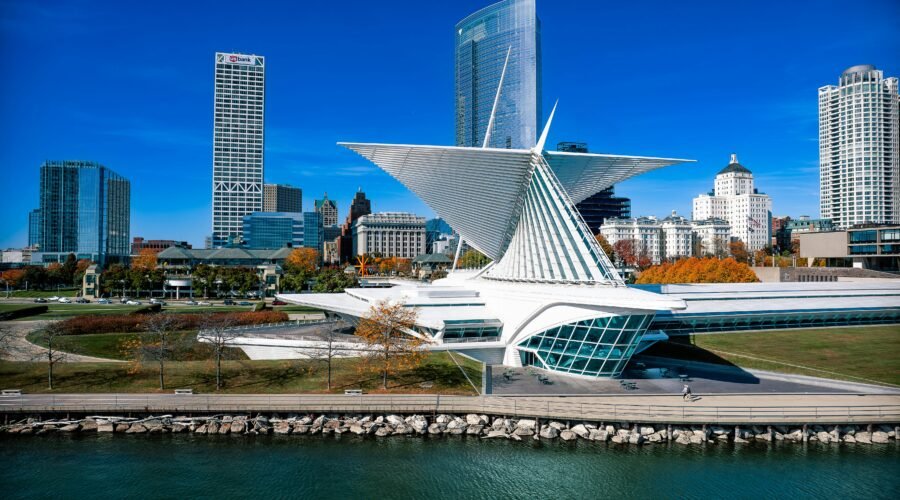
Planning a trip to Milwaukee, Wisconsin? The best time to visit depends on whether you want warm lakefront weather, lively summer festivals, colorful fall scenery, or a quieter city break. For most travelers, late May through early June and September through early October offer a comfortable balance of weather, activities, and manageable crowds.
Quick Answer
The best time to visit Milwaukee is late May to early June or September to early October. These periods offer comfortable sightseeing weather and generally smaller crowds than major summer festival weekends. Visit in July or August for beach activities and festivals, or choose winter for museums, holiday attractions, and potentially lower hotel prices.
Key Takeaways
- Best overall: Late May to early June and September to early October.
- Best for festivals: June through August, especially around Summerfest.
- Best for lakefront activities: July and August, when Milwaukee experiences its warmest average temperatures.
- Best for fall scenery: Late September through October, depending on the weather and annual foliage conditions.
- Best for quieter sightseeing: November through early spring, outside holidays and major events.
- Budget tip: Compare exact travel dates instead of assuming an entire season will be inexpensive.
1. Milwaukee Weather by Season: When Should You Visit?
Lake Michigan has a noticeable influence on Milwaukee’s weather. The lake can make spring feel cooler near the waterfront and provide some relief during hot summer days. However, temperatures, wind, and precipitation can change quickly.
The following seasonal descriptions use typical conditions and 1991–2020 climate normals rather than a forecast for a particular year. For measured climate information, consult the Midwestern Regional Climate Center’s Milwaukee temperature records.
Summer (June–August): Warm Weather and Festival Season
Summer is Milwaukee’s main outdoor entertainment season. The lakefront becomes a gathering place for festivals, concerts, cycling, beach activities, and outdoor dining.
It is also the period when major events can make popular areas busier and accommodation more expensive.
- Average temperatures: June has an average high near 77°F (25°C), July near 82°F (28°C), and August near 80°F (27°C).
- Overnight temperatures: Average lows range from about 58°F (14°C) in June to the mid-60s Fahrenheit in July and August.
- Rainfall: Summer includes showers and thunderstorms. June averages approximately 4.38 inches of precipitation, making it Milwaukee’s wettest month under the 1991–2020 normals.
- Sunshine: Long daylight hours provide more time for outdoor activities.
- Best activities: Summerfest, lakefront walks, Bradford Beach, outdoor dining, neighborhood festivals, and boating.
- What to pack: Breathable clothing, comfortable walking shoes, sunglasses, sunscreen, a light rain jacket, and an extra layer for cooler evenings near the lake.
July and August are particularly appealing if your plans include relaxing at the beach or spending long afternoons outdoors.
Warning: Warm air does not always mean safe swimming conditions. Lake Michigan can have cold water, dangerous currents, and rapidly changing waves. Check the City of Milwaukee beach advisories before entering the water and follow posted safety notices.
Fall (September–November): Comfortable Days and Changing Leaves
Early fall is an excellent time to explore Milwaukee on foot. Summer humidity often decreases, and the city’s parks begin to change color.
September remains relatively warm, while October brings cooler days and more noticeable autumn scenery.
- September: Average high of approximately 74°F (23°C) and low of 56°F (13°C).
- October: Average high of approximately 61°F (16°C) and low of 45°F (7°C).
- November: Average high of approximately 48°F (9°C) and low of 33°F (1°C).
- Rainfall: Rain remains possible, and temperatures become more variable as winter approaches.
- Best activities: Walking the Milwaukee RiverWalk, visiting Lake Park, exploring the Historic Third Ward, attending cultural events, and enjoying fall foliage.
- What to pack: Layers, comfortable shoes, and a light jacket in September. Add a warmer coat, gloves, and weather-resistant footwear for late October and November.
Visit Milwaukee notes that local fall color traditionally peaks around late September and early October, although the exact timing changes each year.
For travelers who want comfortable sightseeing without planning their entire trip around summer festivals, September is particularly appealing.
Winter (December–February): Snow, Museums, and Holiday Attractions
Milwaukee winters are cold, and snow and wind can affect travel plans. However, winter offers a different side of the city, with indoor attractions, seasonal events, and quieter outdoor spaces.
- Average temperatures: January’s average high is approximately 31°F (-1°C), while February averages around 34°F (1°C).
- Overnight temperatures: Average lows fall into the teens and low 20s Fahrenheit.
- Snowfall: Milwaukee’s normal annual snowfall is 48.7 inches, according to the National Weather Service’s 1991–2020 records.
- Best activities: Museums, breweries, theaters, holiday light displays, winter dining, and seasonal skating when conditions and facilities permit.
- What to pack: An insulated winter coat, thermal layers, waterproof boots, gloves, a warm hat, and a scarf.
Winter can be attractive to travelers interested mainly in indoor sightseeing. However, holiday weekends, sporting events, and conventions can still produce busy hotels and higher prices.
Note: If you are driving in winter, check the forecast, road conditions, parking restrictions, and your vehicle’s readiness before leaving. Allow extra travel time during snow or freezing conditions.
Spring (March–May): From Winter Weather to Blooming Parks
Spring is a transitional season in Milwaukee. March can still bring snow and freezing temperatures, while May usually offers much more comfortable conditions for sightseeing.
- March: Average high near 44°F (7°C) and low near 29°F (-2°C).
- April: Average high near 55°F (13°C) and low near 38°F (3°C).
- May: Average high near 67°F (19°C) and low near 48°F (9°C).
- Rainfall: Spring showers are common. April and May average approximately 3.86 and 3.54 inches of precipitation, respectively.
- Best activities: Visiting gardens, exploring the riverfront, attending art events, visiting museums, and enjoying outdoor dining when the weather cooperates.
- What to pack: Layers, a waterproof jacket, comfortable shoes, and a warmer coat for early spring.
May is generally more suitable for outdoor sightseeing than March. Late May and early June are especially useful for travelers who want to experience Milwaukee before the busiest summer festival dates.
Pro Tip: Even when the afternoon forecast looks warm, bring a light jacket for the lakefront. Conditions near Lake Michigan can feel noticeably cooler than those farther inland.
2. Navigating the Crowds: When Milwaukee Is Busy or Peaceful
Milwaukee’s visitor activity is influenced by its weather, festival calendar, sporting events, conventions, and neighborhood celebrations.
The month alone does not tell the whole story. A summer weekday without a major event can feel quieter than a fall weekend with several large gatherings.
Peak Season Crowds: Summer
June through August is Milwaukee’s main festival and outdoor recreation season.
- Festivals: Summerfest, PrideFest, Polish Fest, German Fest, Irish Fest, Festa Italiana, Mexican Fiesta, and other cultural celebrations attract visitors throughout the warmer months. Their schedules can change from year to year.
- Popular attractions: The Milwaukee Art Museum, Harley-Davidson Museum, Milwaukee Public Market, and local breweries can become especially busy around major events.
- Lakefront: Bradford Beach, Lakeshore State Park, and nearby walking paths attract visitors on warm, sunny days.
- Restaurants: Popular areas such as the Historic Third Ward and Brady Street can experience higher demand during festival weekends.
If your main goal is live music, cultural events, and a lively atmosphere, summer offers the fullest festival experience.
Book accommodation early when visiting during a major event, particularly if you want to stay downtown or within walking distance of the festival grounds.
Shoulder Season: Late Spring and Early Fall
Late May, early June, September, and early October often offer a useful balance between comfortable temperatures and more manageable visitor numbers.
- Late spring: Outdoor dining and sightseeing become more enjoyable as temperatures rise.
- Early fall: Many summer festival weekends have ended, but parks, cultural attractions, restaurants, and neighborhood activities remain appealing.
- Restaurant reservations: Availability may improve outside major event weekends.
- Accommodation: Travelers may find more options than during major summer festivals, although prices depend on demand.
These periods suit visitors who want to explore Milwaukee’s neighborhoods, museums, restaurants, and lakefront without making festivals the center of their trip.
However, September and October are not automatically quiet. Events such as Doors Open Milwaukee, Gallery Night MKE, and the Milwaukee Lakefront Marathon can attract visitors and affect traffic.
Off-Peak Travel: Late Fall, Winter, and Early Spring
November through early spring generally brings fewer leisure visitors to outdoor attractions.
- Late fall: Cooler temperatures reduce demand for some outdoor activities.
- Winter: Museums, theaters, restaurants, and other indoor attractions become the main focus for many visitors.
- Early spring: March and April can offer quieter sightseeing, although weather conditions remain unpredictable.
- Potential benefit: More accommodation choices and less competition for reservations on selected dates.
Holiday celebrations, basketball games, concerts, conferences, and other events can still create periods of high demand.
Check the official Milwaukee festival calendar before booking your trip.
3. Milwaukee Travel Costs: When Can You Find Better Value?

Your Milwaukee travel budget depends on more than the season. Hotel availability, major events, airfare demand, and the exact days of your stay can all affect the total cost.
Instead of assuming a particular month will always be cheapest, compare several dates before booking.
Peak Season Expenses: Summer
Summer can bring stronger demand for downtown hotels, especially during Summerfest and other large events.
- Accommodation: Hotels near festival venues may have limited availability or higher rates on popular weekends.
- Flights: Fares into Milwaukee Mitchell International Airport vary by route, airline, booking window, and travel date.
- Activities: Festival tickets, special performances, and additional entertainment can increase your daily spending.
- Food and drinks: Dining costs can add up when you spend several days attending events.
- Transportation: Parking, rental cars, and rideshare expenses may increase around major gatherings.
Summer is worth considering if festivals and outdoor activities are your main priorities, but compare accommodation before committing to the dates.
Shoulder Season Value: Late Spring and Early Fall
These periods can provide a favorable balance between comfortable travel conditions and accommodation availability.
- Accommodation: Look for properties outside the busiest event weekends.
- Flights: Compare midweek departures with Friday and Sunday travel.
- Activities: Many museums and year-round attractions remain available, subject to their individual schedules.
- Dining: Booking popular restaurants may be easier outside major festivals.
September can be a useful alternative to July or August for visitors who value walking, sightseeing, and outdoor dining more than swimming.
Off-Peak Opportunities: Late Fall, Winter, and Early Spring
Colder weather can reduce leisure-travel demand, creating opportunities to find attractive hotel rates on selected dates.
However, winter is not guaranteed to be the cheapest time to fly or stay. Holidays, conferences, sporting events, and concerts can change the pricing picture.
- Accommodation: Compare downtown hotels with properties in nearby neighborhoods.
- Flights: Check several departure dates rather than relying on seasonal assumptions.
- Activities: Build your itinerary around museums, theaters, indoor attractions, and restaurants.
- Transportation: Consider winter driving conditions when deciding whether to rent a car.
How to Save Money on a Milwaukee Trip
- Compare different weekends: Check the event calendar before selecting dates.
- Look at total hotel costs: Include taxes, parking fees, and any additional charges.
- Consider midweek travel: Compare weekday and weekend rates for both flights and hotels.
- Choose a convenient location: A slightly more expensive hotel near your planned activities may reduce transportation costs.
- Review cancellation policies: Flexible reservations can be useful while comparing dates.
- Check free activities: Milwaukee’s parks, RiverWalk, and selected public events can help control spending.
Pro Tip: If your travel dates are flexible, compare the same hotel across several nearby weekends. The price difference between an event weekend and a quieter weekend may matter more than the difference between two entire seasons.
4. Milwaukee’s Annual Event Calendar: What Happens When?

Milwaukee’s festivals and cultural events are a major reason to visit. They can also affect accommodation availability, restaurant reservations, traffic, and parking.
The calendar below includes recurring seasonal events and confirmed dates available as of September 24, 2026. Always check the event organizer’s website before booking because schedules may change.
Summer Festivals: June–August
Summer is Milwaukee’s main outdoor festival season, with music, food, cultural celebrations, neighborhood events, and lakefront entertainment.
- Summerfest: Milwaukee’s major multi-day music festival. The 2026 event took place June 18–20, June 25–27, and July 2–4.
- Summerfest 2027: The organizer has announced June 24–26, July 1–3, and July 8–10. See the official Summerfest announcement.
- Cultural festivals: Polish Fest, German Fest, Festa Italiana, Irish Fest, Mexican Fiesta, and other celebrations feature music, food, and cultural programming.
- Bastille Days: A French-themed celebration traditionally held in the Cathedral Square area.
- Brady Street Festival: A neighborhood event featuring music, vendors, and local businesses.
- Milwaukee Air & Water Show: A major lakefront attraction featuring aviation and water-based performances. The 2026 event took place July 25–26.
Travelers attending Summerfest should book accommodation early and review the festival’s transportation and parking information before arrival.
Fall Events: September–November
Fall brings architecture tours, art events, running races, harvest celebrations, and seasonal dining.
- Doors Open Milwaukee: September 26–27, 2026. The event provides access to historic buildings and other participating locations. Visit Historic Milwaukee for details.
- Milwaukee Lakefront Marathon: The 2026 race weekend is October 3–4. Check the official race website for schedules and route information.
- Gallery Night MKE: October 16–17, 2026. Participating galleries and arts venues offer opportunities to explore Milwaukee’s creative scene.
- Harvest events: Local markets, pumpkin activities, and community celebrations offer seasonal experiences.
- Oktoberfest celebrations: German-inspired food, music, and cultural events take place at various venues.
These events are worth considering when planning an autumn visit. They can also make individual weekends busier than the surrounding dates.
Winter Events: December–February
Winter celebrations focus on holiday lights, seasonal entertainment, indoor cultural activities, and cold-weather recreation.
- Milwaukee Holiday Lights Festival: The announced 2026–2027 season runs from November 19, 2026, through January 1, 2027.
- Christmas in the Ward: The Historic Third Ward has announced its 2026 celebration for December 4.
- Winter beer events: Breweries and venues may host seasonal tastings and special programming.
- Ice skating: Red Arrow Park’s Slice of Ice is a popular seasonal attraction when operating conditions permit.
- Indoor entertainment: Museums, theaters, concerts, and sporting events provide alternatives to outdoor sightseeing.
Holiday weekends can be busy even during the broader winter travel season. Check individual attraction hours, especially around Christmas and New Year’s Day.
Spring Events: March–May
Spring brings a return of outdoor events, cultural celebrations, art exhibitions, and community activities.
- St. Patrick’s Day celebrations: March brings parades and themed events throughout the Milwaukee area.
- Milwaukee Film Festival: The 2026 festival took place April 16–30. The announced 2027 dates are April 29–May 13. See Milwaukee Film for festival information.
- Milwaukee Riverkeeper Spring Cleanup: A community volunteer event focused on local waterways and the environment.
- Milwaukee Marathon: The 2026 marathon and half marathon were scheduled for April 11, with the 5K scheduled for April 12.
- Spring Gallery Night MKE: A chance to explore participating galleries, studios, and local artwork.
- Spring cultural festivals: Milwaukee also hosts events celebrating Asian American and Pacific Islander communities, local food, art, and neighborhood culture.
For future trips, confirm the dates directly with the relevant organizer rather than assuming that an event takes place on the same weekend every year.
5. Milwaukee Weather and Travel Conditions by Month
The table below provides a complete month-by-month comparison. Temperatures are rounded average highs and lows from Milwaukee Mitchell Airport’s 1991–2020 climate normals.
The crowd and cost descriptions are general planning guidance, not measured hotel-price or visitor-count data. Major events can change conditions considerably.
| Month | Average High / Low | Typical Conditions | Travel Considerations |
|---|---|---|---|
| January | 31°F / 17°F | Cold and snowy | Indoor attractions and winter travel. |
| February | 34°F / 20°F | Cold, with possible snow | Museums, dining, and winter activities. |
| March | 44°F / 29°F | Variable; late snow possible | Flexible sightseeing and indoor alternatives. |
| April | 55°F / 38°F | Cool with spring showers | Art events, museums, and spring walks. |
| May | 67°F / 48°F | Mild and increasingly green | Outdoor sightseeing and gardens. |
| June | 77°F / 58°F | Warm with possible thunderstorms | Festival season begins; check event dates. |
| July | 82°F / 65°F | Warmest average month | Beach activities, festivals, and busy weekends. |
| August | 80°F / 64°F | Warm and sometimes humid | Lakefront recreation and summer events. |
| September | 74°F / 56°F | Mild early-fall weather | Excellent for walking and sightseeing. |
| October | 61°F / 45°F | Cooler with autumn colors | Foliage, galleries, and seasonal events. |
| November | 48°F / 33°F | Chilly; early snow possible | Quieter sightseeing and holiday events. |
| December | 36°F / 23°F | Cold with winter weather | Holiday lights and indoor attractions. |
6. Choosing the Best Time to Visit Milwaukee for Your Priorities
There is no single ideal month for every traveler. The right dates depend on the activities you want to enjoy and how much weather flexibility you have.
For Travelers Who Want Pleasant Weather
Recommended period: Late May to early June or September to early October.
These periods often offer comfortable conditions for walking tours, outdoor dining, parks, and neighborhood exploration.
September is particularly appealing for visitors who enjoy warm afternoons but prefer to avoid the hottest part of summer.
For Festival Enthusiasts
Recommended period: June through August.
Summerfest and Milwaukee’s cultural festivals provide music, food, performances, and opportunities to experience the city’s diverse communities.
Plan around the event you actually want to attend rather than choosing an entire month without checking the schedule.
Be prepared for additional transportation and accommodation demand during major festival dates.
For Budget-Minded Travelers
Recommended period: Selected dates from November through early spring, excluding major holidays and events.
Colder months may offer useful accommodation deals, especially if your plans focus on indoor attractions.
However, compare actual hotel and flight prices before deciding. A quiet spring weekday may offer better value than a busy winter weekend.
For Travelers Seeking a Balanced Experience
Recommended period: Late May to early June or September.
These dates provide a practical combination of outdoor sightseeing opportunities, generally comfortable temperatures, and activities beyond the largest summer festivals.
- Weather: Usually suitable for walking and exploring.
- Crowds: Often more manageable outside major event weekends.
- Costs: Potentially more accommodation flexibility than peak festival dates.
- Activities: Parks, museums, restaurants, markets, and neighborhood attractions.
For Visitors Who Prefer Fewer Crowds
Recommended period: Late October through November or March through early April.
These transitional periods can provide a quieter atmosphere for museum visits, dining, and cultural sightseeing.
The main trade-off is cooler and less predictable weather.
Check the local event calendar before assuming your chosen weekend will be quiet.
For Beach and Lakefront Activities
Recommended period: July and August.
These are Milwaukee’s warmest months on average and are well suited to spending time at Bradford Beach, walking along the lakefront, and enjoying outdoor recreation.
Swimming conditions still depend on water temperature, waves, currents, and beach advisories.
For Fall Foliage and Photography
Recommended period: Late September through October.
Lake Park, the Milwaukee River corridor, and other green spaces offer opportunities to enjoy changing leaves.
The precise timing varies depending on temperatures, rainfall, and seasonal conditions.
7. Practical Tips for Planning a Milwaukee Visit
Check the Event Calendar Before Booking
Milwaukee hosts major festivals, concerts, sporting events, and conventions throughout the year.
Check the dates of large events before choosing a hotel. This is especially important if you want to stay downtown or close to the lakefront.
Plan Your Transportation
Milwaukee Mitchell International Airport serves the city, while Amtrak, buses, rideshares, and local transit provide additional transportation options.
The Hop streetcar serves parts of downtown and is useful for reaching selected central attractions.
For neighborhood travel, you may also consider Milwaukee County Transit System buses, rideshares, or a rental car.
Visit the official Milwaukee visitor planning guide for transportation and itinerary information.
Book Accommodations Around Your Main Activities
Staying near your planned attractions can reduce time spent traveling across the city.
Downtown and the Historic Third Ward offer convenient access to restaurants, museums, and entertainment.
If you are attending Summerfest, compare nearby hotels with properties farther from the festival grounds and include transportation and parking in your budget.
Prepare for Changing Lakefront Weather
Lake Michigan can affect temperatures and wind, especially during spring and early summer.
Bring layers even if the forecast looks pleasant, and keep a rain jacket available during outdoor activities.
For beach visits, review water-quality notices and changing conditions before swimming.
Keep an Indoor Backup Plan
Milwaukee offers several indoor attractions that can help save a rainy or unusually cold day.
- Milwaukee Art Museum
- Harley-Davidson Museum
- Milwaukee Public Market
- Local breweries and food destinations
- Theaters, galleries, and seasonal exhibitions
Check opening hours, ticket requirements, and temporary closures before arriving.
Choose Activities That Match the Season
Summer is a natural fit for festivals and beach visits. Fall is appealing for walking, photography, and cultural events. Winter favors museums and indoor entertainment, while late spring combines blooming parks with improving outdoor conditions.
Milwaukee has something to offer throughout the year, but selecting dates around your priorities will help you get more from the visit.
Frequently Asked Questions
What is the best time to visit Milwaukee, Wisconsin, for good weather?
Late May to early June and September to early October are good choices for comfortable sightseeing. July and August are warmer and better suited to beach activities, although humidity and thunderstorms are possible.
When is the peak tourist season in Milwaukee?
June through August is Milwaukee’s main festival and outdoor recreation season. Major events such as Summerfest can increase crowds and accommodation demand, particularly downtown and near the lakefront.
What is the off-peak season in Milwaukee?
Late fall, winter, and early spring generally bring fewer outdoor leisure visitors. However, holidays, conventions, sporting events, and concerts can still create busy periods.
When is the best time to visit Milwaukee to avoid crowds?
Late October through November and March through early April can offer quieter sightseeing. Late May and September may provide a better balance between comfortable weather and manageable visitor numbers. Check the local event calendar before booking.
What is the most cost-effective time to visit Milwaukee?
Selected dates in late fall, winter, and early spring may offer attractive hotel prices. However, there is no guaranteed cheapest month. Compare actual accommodation and flight prices, and avoid major event weekends if your budget is the main priority.
Is Milwaukee worth visiting in September?
Yes. September has an average high near 74°F (23°C), making it appealing for walking, outdoor dining, parks, and neighborhood sightseeing. Cultural events and early fall scenery provide additional reasons to visit.
When is the best time to visit Milwaukee for festivals?
June through August offers the main summer festival season. For Summerfest specifically, use the organizer’s confirmed schedule. Summerfest 2027 is announced for June 24–26, July 1–3, and July 8–10.
Does Milwaukee get a lot of snow in winter?
Milwaukee’s normal annual snowfall is approximately 48.7 inches, based on the 1991–2020 climate normals. Actual snowfall varies each winter, and snow or ice can affect driving and outdoor plans.
When is the best time to visit Milwaukee for fall colors?
Late September through October is a useful period for fall foliage. The exact timing changes each year depending on weather conditions. Parks and green spaces around the city provide opportunities for autumn walks and photography.
Sources
- Midwestern Regional Climate Center — Milwaukee Temperature Normals — Average monthly highs and lows for the 1991–2020 period.
- Midwestern Regional Climate Center — Milwaukee Precipitation Normals — Monthly precipitation figures and seasonal rainfall patterns.
- National Weather Service — Milwaukee Snow Climatology — Official snowfall normals and historical snowfall information.
- Summerfest — Official Festival Announcement — Verified 2026 event information and announced 2027 dates.
- Milwaukee Film — Milwaukee Film Festival — Official festival information and 2026 event dates.
- Visit Milwaukee — City of Festivals — Destination information and Milwaukee’s annual festival calendar.

[…] If you enjoy comparing how seasons affect very different destinations, the same weather-crowds-costs approach is used in this guide to the best time to visit Milwaukee, Wisconsin. […]
[…] If you’re comparing Campania with a very different city break, you can also read Best Time to Visit Milwaukee, Wisconsin: Weather, Crowds, and Costs. […]