Planning a trip to Campbell River, British Columbia, comes down to choosing the experience you want most. For many travelers, late May through early June and September through early October offer the best overall balance of comfortable weather, outdoor activities, lighter crowds, and easier booking. July and August bring the warmest weather and widest range of summer activities, while fall is especially rewarding for salmon and bear viewing. Winter is much quieter and works well for travelers who enjoy stormy coastal scenery, indoor attractions, and nearby snow sports.
Quick Answer
The best time to visit Campbell River for most travelers is late May to early June or September to early October. July and August have the warmest weather but also the greatest demand. Visit from mid-August into October for grizzly-bear tours, and September through November for different stages of the salmon run.
Key Takeaways
- Best overall balance: Late May to early June and September to early October.
- Warmest weather: July and August, when average daily maximum temperatures are about 23.5–23.6°C (74°F).
- Whale watching: Commercial tours typically operate from May through mid-October.
- Grizzly-bear tours: Generally mid-August through mid-October, depending on salmon activity.
- Salmon viewing: Pink salmon are prominent around September, while Chinook and coho are commonly viewed in October and November at the Quinsam River Hatchery.
- Quietest period: Late fall and winter, although weather is cooler, wetter, and more changeable.
Best Time to Visit Campbell River at a Glance
| Your Priority | Best Time | Why |
| Warm weather | July–August | Warmest average daytime temperatures and long summer days. |
| Good weather with fewer crowds | Late May–early June; September | Good access to activities without the full midsummer rush. |
| Whale watching | May–mid-October | This is the typical commercial tour season. |
| Grizzly-bear tours | Mid-August–mid-October | Bear activity is closely connected to salmon returning to mainland rivers. |
| Salmon viewing | September–November | Different species return at different times. |
| Snow sports | Winter | Campbell River can be used as a base for Mount Washington and other mountain activities. |
| Quiet getaway | November–February | Far fewer visitors, but wetter weather and reduced seasonal services. |
Environment and Climate Change Canada’s 1991–2020 normals put Campbell River’s average daily maximum at about 23.5°C in July and 23.6°C in August, compared with 5.6°C in January.
1. Spring in Campbell River: March, April and May
Spring brings longer days, fresh growth, stronger waterfall flows, and lighter visitor numbers than summer. It can be an excellent time for low-elevation hiking and sightseeing, although conditions change substantially from March to May.
1.1 Weather in Spring
- March: The 1991–2020 climate normal for the average daily maximum is about 9.6°C (49°F). Wet and cool days are common, so waterproof layers are useful.
- April: The average daily maximum rises to about 13.1°C (56°F). Longer daylight and milder temperatures make sightseeing more comfortable, although rain remains possible.
- May: The average daily maximum reaches about 17.7°C (64°F). For many visitors, May is one of the best spring months because outdoor conditions become noticeably milder while peak-season demand has not fully arrived.
These temperature figures come from Environment and Climate Change Canada’s 1991–2020 Campbell River climate normals.
1.2 Crowds in Spring
- March and April: Visitor levels are generally light. Some seasonal operators may run reduced schedules, so confirm opening dates before building a trip around a specific excursion.
- May: Tourism activity starts increasing, especially around long weekends, but demand usually remains below July and August levels.
1.3 Costs in Spring
March and April can provide good accommodation value because demand is lower than in summer. Rates normally begin rising as May progresses and more seasonal activities reopen. However, airfare, ferry fares, hotels, rental cars, and tour prices vary by date and booking conditions, so there is no single guaranteed cheapest month.
1.4 Best Activities for Spring
- Waterfalls and low-elevation hiking: Spring runoff can make Elk Falls especially impressive. BC Parks lists the Elk Falls suspension bridge and several nearby trails, including the Canyon View Loop.
- Whale and marine-wildlife tours: Campbell River’s regular whale-watching tour season generally begins around May and continues into October. Exact sightings are never guaranteed.
- Fishing: Fishing opportunities exist throughout the year, with species and regulations changing by season and location.
- Birdwatching and nature: Spring growth and returning bird activity make forest and shoreline walks rewarding.
- Museums, galleries and local culture: These are useful choices on cooler or rainy days.
- Markets and local food: Seasonal markets and farm-related experiences become more active as spring moves toward summer.
Note: Spring in Campbell River does not mean every mountain trail is snow-free. BC Parks advises that many trails in Strathcona Provincial Park remain snow-covered from late October or November until at least June, with snow sometimes remaining on higher routes into mid-July.
If outdoor activities are central to your trip, check current park advisories, weather forecasts, tour schedules, and road conditions shortly before departure. Conditions in coastal British Columbia can change quickly, especially during the shoulder seasons.
2. Summer in Campbell River: June, July and August
Summer is Campbell River’s busiest visitor season because it combines warmer temperatures, long daylight hours, fuller tour schedules, camping, paddling, fishing, and easier access to many hiking areas. It is the strongest choice if maximizing outdoor time matters more than avoiding crowds or paying peak-season rates.
2.1 Weather in Summer
- June: The average daily maximum is about 20.0°C (68°F). Early June can feel like an extension of late spring, while daylight is already very long.
- July: The average daily maximum is about 23.5°C (74°F), making it one of Campbell River’s warmest months.
- August: The average daily maximum is about 23.6°C (74°F), nearly identical to July. Evenings can begin feeling cooler toward the end of the month.
Wildfire smoke can affect parts of British Columbia during some summers. Conditions vary enormously from year to year, so check provincial emergency information and Environment Canada forecasts rather than assuming smoke will or will not be present.
2.2 Crowds in Summer
- June: Demand increases through the month. Early June is often easier for reservations than late June.
- July and August: These are the busiest months. Popular accommodation, campgrounds, wildlife tours, fishing charters, and other guided activities can fill well ahead of arrival.
Destination Campbell River specifically recommends reservations for the summer period and major summer long weekends.
2.3 Costs in Summer
Accommodation and tour prices are often higher when demand is strongest, particularly in July and August. More important than assuming every service charges its highest annual rate is recognizing that availability becomes tighter. Booking early gives you a better choice of rooms, campsites, departure times, and tour operators.
Transportation pricing is more variable. Airlines use dynamic pricing, while BC Ferries may offer different advance fare products on eligible routes and sailings. Compare your actual dates rather than assuming every summer ferry or flight automatically costs more.
2.4 Best Activities for Summer
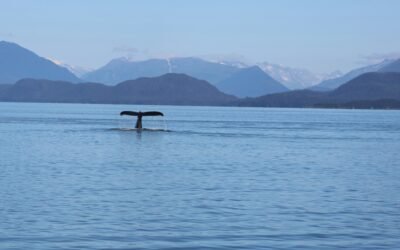
- Whale watching: Summer falls squarely within the main commercial whale-watching season. Humpbacks, orcas and other marine wildlife may be encountered, but responsible operators should never guarantee sightings.
- Fishing: Campbell River has a long sport-fishing tradition. Summer provides numerous saltwater fishing opportunities, including Chinook and coho fishing at different points in the season.
- Kayaking and paddleboarding: Lakes and protected waterways become popular in warm weather. Wind, currents and cold-water risk still need to be considered.
- Hiking and backpacking: Summer provides the best chance of snow-free access to higher routes in Strathcona Provincial Park, although high elevations can hold snow into the first part of summer.
- Swimming and beach days: Local lakes and beaches are appealing in warm weather. BC Parks notes that Buttle Lake has designated swimming areas, but there are no lifeguards.
- Camping: This is a popular summer activity, so reserve eligible campgrounds well ahead of busy dates.
- Flightseeing and sightseeing tours: Air and marine excursions can provide a different perspective on the coast, mountains and islands.
Pro Tip: If you want summer-like conditions without the maximum July–August demand, compare the first half of June with the first few weeks of September. You may still have access to many seasonal activities while gaining more flexibility with accommodation and tours.
3. Fall in Campbell River: September, October and November
Fall is one of Campbell River’s most interesting seasons because several major wildlife experiences overlap with lighter visitor numbers. September can retain a summer feel, while October and November become progressively cooler and wetter.
3.1 Weather in Fall
- September: The average daily maximum is about 19.6°C (67°F). Early September can still feel warm, but unsettled weather becomes more likely as the month progresses.
- October: The average daily maximum falls to about 13.0°C (55°F). Waterproof clothing becomes increasingly important.
- November: The average daily maximum is about 7.9°C (46°F). Shorter daylight, cooler temperatures, and frequent wet-weather systems make flexible planning useful.
3.2 Crowds in Fall
- September: Visitor demand usually eases after the main summer holiday period, although wildlife tours and other popular activities can remain busy.
- October: The city and trails generally feel much quieter than in midsummer. Some seasonal businesses begin reducing their schedules.
- November: Tourism is much quieter, and travelers should confirm seasonal opening hours before making plans.
3.3 Costs in Fall
Accommodation value often improves after the summer rush, particularly later in fall. September can still command strong rates on popular wildlife dates, while October and November may provide more off-season offers. Actual prices depend on the property, day of the week, events, and how early you book.
3.4 Best Activities for Fall
- Salmon viewing: Fall is one of Campbell River’s signature natural events. At the Quinsam River Hatchery, Fisheries and Oceans Canada lists adult pink salmon mainly in September and adult Chinook and coho mainly in October and November.
- Grizzly-bear tours: Campbell River’s official tourism information says bear-watching tours generally run from mid-August through mid-October, depending on salmon timing.
- Hiking: Cooler weather can make lower-elevation hikes comfortable. Expect wet and slippery surfaces after rain.
- Photography: Changing vegetation, mist, salmon streams, waterfalls, and dramatic coastal weather create varied conditions for landscape and wildlife photography.
- Indoor experiences: Museums, galleries, cafes, breweries, restaurants, and other indoor stops become useful when weather changes.
- Storm watching: Late fall begins the wetter, stormier part of the coastal year and can be atmospheric when enjoyed from a safe location.
Fisheries and Oceans Canada’s Quinsam River Hatchery information is particularly useful if salmon viewing is one of the main reasons for your trip.
Warning: Salmon streams can also attract bears. BC Parks advises keeping a safe distance from wildlife, never feeding animals, securing food and scented items, and carrying bear spray when hiking in bear country. Follow local closures and posted instructions.
One important detail for bear-watchers is that grizzly bears do not live on Vancouver Island itself. Campbell River operators travel by boat to nearby mainland inlets where grizzlies gather around salmon-bearing waterways. Tours can be long and weather-dependent, so confirm age restrictions, departure times, and cancellation policies before booking.
4. Winter in Campbell River: December, January and February
Winter in Campbell River is quiet, cool and wet at sea level, while the nearby mountains receive snow. It suits travelers who value solitude, indoor culture, dramatic coastal weather, photography, or a combination of a mild coastal base with mountain snow sports.
4.1 Weather in Winter
- December: The average daily maximum is about 5.1°C (41°F). Rain is common at low elevations while snow becomes much more significant in the mountains.
- January: The average daily maximum is about 5.6°C (42°F). Frost and snow are possible in town, although the coastal climate is far milder than much of inland Canada.
- February: The average daily maximum rises to about 7.0°C (45°F), and daylight gradually increases as spring approaches.
4.2 Crowds in Winter
- December outside the holiday period: Tourism is generally light.
- Christmas and New Year: Local travel, family visits, and mountain trips can create temporary increases in demand.
- January and February: Campbell River remains much quieter than in summer, although nearby ski areas attract winter-sports visitors.
4.3 Costs in Winter
Winter often brings lower demand for Campbell River accommodation, and off-season offers may be available. However, holiday weekends, special events, and mountain-related demand can change rates. Compare specific dates instead of assuming January or February will automatically be the cheapest nights of the year.
4.4 Best Activities for Winter
- Skiing and snowboarding: Mount Washington Alpine Resort is roughly a 40-minute drive from Campbell River under normal conditions, making the city a practical coastal base for a mountain day trip.
- Snowshoeing and cross-country skiing: Mount Washington and the Paradise Meadows area provide additional winter recreation options.
- Storm watching: Watch dramatic weather from a safe coastal viewpoint or comfortable waterfront accommodation.
- Indoor exploration: Museums, galleries, performances, restaurants and cafes provide plenty of weather-proof options.
- Wildlife viewing: Eagles and other resident wildlife remain present, although commercial marine-tour schedules may be reduced.
- Photography: Moody skies, rain-soaked forests, coastal light and snow-covered mountains can produce striking scenes.
- Quiet retreats: Winter is well suited to travelers who prefer a slower pace and fewer visitors.
Winter visitors should check weather and road reports before traveling into higher elevations. Conditions around Campbell River can be mild while roads leading toward alpine areas are snowy or icy.
How Seasonal Wildlife Timing Changes Your Decision
Wildlife is one of the biggest reasons to visit Campbell River, but different experiences peak at different times. Treating “wildlife season” as one fixed period can lead to disappointing timing.
Whale Watching
Destination Campbell River says commercial whale-watching tours generally run from the beginning of May until mid-October. Summer provides the greatest overlap between warm weather and full tourism operations, but late spring and September can also be attractive choices.
Wild animals move according to food, ocean conditions and other natural factors. No ethical tour operator can guarantee a specific species on a particular departure.
Grizzly-Bear Viewing
Bear-watching tours generally begin around mid-August and continue until mid-October. The timing is linked to salmon returning to mainland rivers. Because grizzlies are not resident on Vancouver Island, these tours leave Campbell River and travel toward mainland inlets.
Salmon Viewing
The salmon run extends across more than one month and involves several species. Destination Campbell River says salmon generally begin moving upstream from late summer into fall. Fisheries and Oceans Canada gives more specific timing for the Quinsam River Hatchery:
- Pink salmon adults: September.
- Chinook salmon adults: October–November.
- Coho salmon adults: October–November.
- Steelhead: Seasonal timing extends beyond the main fall salmon-viewing period.
This makes September through November a better description of the broader salmon-viewing season than a single “October peak.”
Hiking Conditions Change With Elevation
Campbell River has accessible forest and river trails close to town, including trails in Elk Falls Provincial Park. The Elk Falls suspension bridge is reached by a relatively short trail, while the Canyon View Loop extends for approximately 4 km.
BC Parks’ Elk Falls hiking information is a useful source for current trail descriptions and safety information.
Strathcona Provincial Park is a different environment. Higher elevations can remain snowy long after spring weather arrives in Campbell River. BC Parks warns that many trails are snow-covered until at least June, and some higher trails can remain snow-covered into mid-July.
For that reason:
- March–May: Focus primarily on suitable lower-elevation routes unless you have winter backcountry skills and equipment.
- June: Low and mid-elevation options expand, but verify higher trails individually.
- July–September: Generally the easiest period for conventional alpine hiking, although weather and trail conditions still change.
- Late October onward: Snow increasingly affects mountain routes.
Check BC Parks’ Strathcona Provincial Park advisories before setting out.
What to Pack by Season
Spring
- Waterproof shell
- Warm mid-layer
- Water-resistant walking or hiking shoes
- Light gloves or hat for cooler mornings
- Small daypack with an extra dry layer
Summer
- Light layers rather than only hot-weather clothing
- Sun protection
- Light rain shell
- Comfortable hiking footwear
- Warmer layer for boats and evenings near the water
Fall
- Reliable waterproof jacket
- Warm insulating layer
- Water-resistant footwear
- Extra socks
- Daypack protection for electronics and cameras
Winter
- Waterproof outer layers
- Warm fleece or insulated jacket
- Hat and gloves
- Waterproof footwear
- Appropriate winter equipment if heading into snow country
Booking and Trip-Planning Tips
- For July and August: Reserve popular accommodation, campgrounds, fishing charters, and wildlife tours early.
- For bear tours: Book ahead for the relatively short mid-August to mid-October window and confirm operator requirements.
- For shoulder season: Verify seasonal opening dates because some services reduce schedules outside summer.
- For winter: Check road and mountain conditions before traveling to ski areas or backcountry trailheads.
- For any season: Check weather shortly before departure rather than relying only on historic averages.
Also review Campbell River’s current events calendar before fixing your dates. Festivals, sporting events, performances, and long weekends can increase demand, while a local event may also become one of the highlights of your trip.
For current destination information, seasonal activities, tour timing, and events, consult Destination Campbell River when planning your final itinerary.
5. Final Thoughts on Planning Your Trip
There is no single best month for every visitor. The right season depends on what you want to prioritize.
- For classic summer weather, paddling, hiking and a full activity schedule: Choose July or August, but reserve early and expect more visitors.
- For a balance of weather, activity availability and lighter crowds: Consider late May to early June or September.
- For grizzly-bear viewing: Aim for roughly mid-August through mid-October and book with a reputable operator.
- For salmon viewing: September through November covers the key returning periods for several species, with exact timing varying by species.
- For low-season solitude: Late fall and winter are attractive if you are comfortable with cooler, wetter weather and reduced seasonal services.
- For skiing and snowboarding: Winter lets you combine Campbell River’s coastal setting with nearby Mount Washington.
If this is your first trip and you have no single must-do activity, September is one of the strongest all-around choices. Average daytime highs remain mild, summer crowds begin easing, whale tours are still operating, salmon activity is building, and the grizzly-tour season is underway. Late May and early June are similarly attractive if you prefer spring scenery.
Whatever season you choose, check the latest weather forecast, park advisories, wildfire or emergency information when relevant, wildlife-tour schedules, fishing regulations, road conditions, and event calendars immediately before your trip. Historic averages are useful for choosing a month, but current conditions should guide your daily plans.
Frequently Asked Questions
What is the best time to visit Campbell River, British Columbia for favorable weather?
July and August are normally the warmest months. Environment Canada’s 1991–2020 normals show average daily maximum temperatures of about 23.5°C in July and 23.6°C in August. If you prefer mild weather with somewhat lighter tourism demand, consider late May, early June, or September.
When is peak tourist season in Campbell River?
Summer is the busiest period, especially July and August. Popular accommodation, campgrounds, fishing charters, and wildlife tours can have limited availability, so advance reservations are recommended.
What is the shoulder season in Campbell River?
Late spring and early fall are the main shoulder periods. Late May through early June and September through early October can provide a useful balance of mild weather, available activities, and fewer visitors than midsummer.
When is the off-peak season in Campbell River?
Late fall and winter are the quietest tourism periods. November through February generally brings fewer visitors, but weather is wetter and cooler and some seasonal businesses operate reduced schedules.
Does Campbell River cost more to visit in summer?
Summer’s stronger demand often means higher accommodation and tour prices and, just as importantly, less availability. However, rates vary by business and date. Flights and ferry fares also depend on the route, booking time, and fare product, so compare your exact travel dates.
What is the best month for whale watching in Campbell River?
Commercial whale-watching tours generally run from May until mid-October. June through September provides a strong combination of tour availability and favorable outdoor conditions, but wildlife sightings can never be guaranteed.
When should I visit Campbell River for grizzly-bear watching?
Campbell River’s bear-watching season generally runs from mid-August through mid-October and follows salmon activity. Grizzly bears are not resident on Vancouver Island, so tours travel from Campbell River toward mainland inlets where bears feed along salmon-bearing waterways.
When can I see salmon in Campbell River?
Late summer through fall is the main period, but timing varies by species. Fisheries and Oceans Canada lists adult pink salmon at the Quinsam River Hatchery mainly in September and adult Chinook and coho mainly in October and November.
Sources
- Environment and Climate Change Canada — Campbell River 1991–2020 Climate Normals — monthly average temperatures and long-term climate data.
- Destination Campbell River — When’s the Best Time of Year to Visit Campbell River? — seasonal activities, tourism patterns, wildlife and trip planning.
- Destination Campbell River — Visitor FAQs — whale-watching season, bear-tour season, salmon timing and summer reservation guidance.
- Fisheries and Oceans Canada — Quinsam River Hatchery — salmon species and seasonal viewing periods.
- BC Parks — Strathcona Provincial Park — seasonal trail conditions, high-elevation snow and recreation guidance.
- BC Parks — Wildlife Safety — bear awareness, wildlife distances, food storage and hiking precautions.