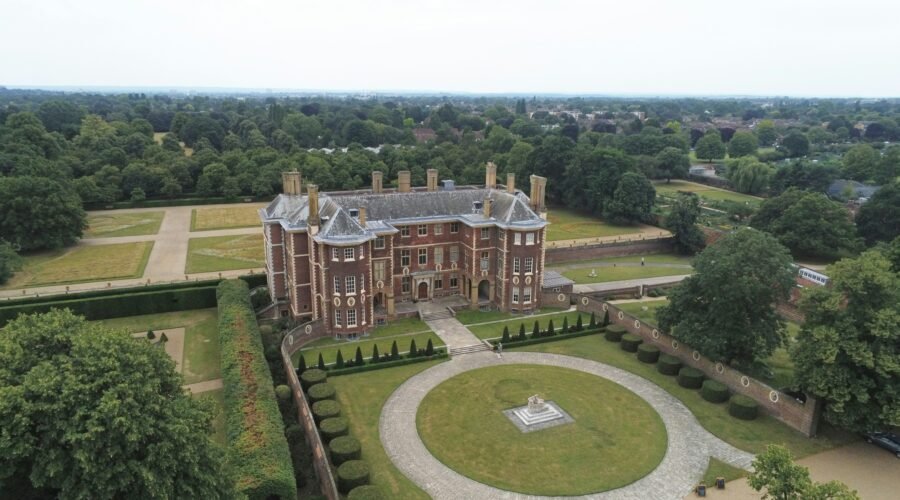
Planning a trip to Richmond, British Columbia means balancing three things: weather, crowds, and what you actually want to do. Richmond has a mild coastal climate, a major food scene, waterfront trails, historic Steveston, seasonal wildlife, and events that can completely change the feel of a visit. For most travelers, late spring and early fall offer the easiest balance.
Quick Answer
For most travelers, the best time to visit Richmond, BC is May to early June or September. These periods combine mild weather with generally more manageable crowds than peak summer. Choose July or August for the warmest, driest weather, and January or February if low-season pricing and quiet sightseeing matter more than sunshine.
Key Takeaways
- Best overall: May to early June and September.
- Warmest and driest: July and August.
- Fewer visitors: October through early spring, outside holiday periods.
- Best for the Richmond Night Market in 2026: April 24 through September 20.
- Best for waterfront walking and cycling: Late spring through early fall.
- Best for birdwatching: Richmond is worthwhile year-round, with migration and wintering activity making the cooler shoulder seasons especially interesting.
If you are building a longer trip around Richmond and nearby destinations, you can also browse the broader Lele Tours travel guides for additional trip-planning ideas.
Best Time to Visit Richmond, BC at a Glance
Richmond’s most useful official climate reference is Vancouver International Airport (YVR), which is located on Sea Island in Richmond. Environment and Climate Change Canada’s 1991–2020 climate normals show just how different the seasons are.
| Season | Typical Daytime Highs | Rain Pattern | Best For |
| Spring | 10.1°C in March to 16.9°C in May | Gradually drier toward May | Flowers, walking, food, lighter crowds |
| Summer | 19.6°C in June to 22.4°C in July–August | Driest part of the year | Outdoor activities, patios, long days |
| Fall | 19.1°C in September to 9.3°C in November | September fairly dry; much wetter by October–November | September trips, birding, quieter sightseeing |
| Winter | About 6.6°C to 7.9°C | Cool and frequently wet; occasional snow | Indoor attractions, food, quiet travel |
These figures come from Environment and Climate Change Canada’s 1991–2020 Vancouver International Airport climate normals.
Late Spring and September: Best for Most Travelers
If you want the easiest all-around trip, aim for May to early June or September. You avoid the wettest months while usually escaping some of the strongest summer demand.
May’s normal daytime high at YVR is about 16.9°C (62°F), while September averages about 19.1°C (66°F) for the daily maximum. Those temperatures are comfortable for exploring Steveston, walking waterfront paths, visiting parks, or spending a full day moving between attractions.
The biggest advantage is balance. You can still get sunny days and pleasant evenings without planning your entire trip around summer heat or winter rain.
Pro Tip: If September works for your schedule, it is one of Richmond’s strongest all-purpose months. The normal daytime high is still around 19°C, while rainfall remains far lower than in October and November.
Summer in Richmond: Warmest and Driest
Summer is the obvious choice if dependable outdoor weather matters more than avoiding crowds or peak-season demand.
Summer Weather
- June: The normal daily high is about 19.6°C (67°F), with roughly 51 mm of monthly precipitation.
- July: The normal high rises to about 22.4°C (72°F), while normal precipitation falls to roughly 34 mm.
- August: The normal high remains about 22.4°C (72°F), with approximately 36 mm of precipitation.
That makes July and August Richmond’s warmest and normally driest months. Long daylight hours also give you more flexibility for waterfront walks, cycling, Steveston, outdoor dining, and evening events.
Richmond’s coastal location can make evenings feel cooler than the afternoon temperature suggests, particularly near open waterfront areas, so a light layer is still useful.
Warning: Wildfire smoke can occasionally affect air quality in British Columbia during fire season, and smoke can travel far from an active fire. Before a summer day of strenuous outdoor activity, check current air-quality and smoke information. The Province of British Columbia recommends reducing smoke exposure when conditions deteriorate.
Summer Crowds
Summer generally brings stronger visitor demand, especially on sunny weekends and around major events. Popular restaurants, the Richmond Night Market, Steveston, waterfront areas, and family attractions can all feel busier.
If you have a must-visit restaurant, hotel, tour, or ticketed experience, reserving ahead is sensible. The need is greatest on weekends and during major holiday periods.
Summer Costs
There is no single fixed “summer price” for Richmond. Airfares and hotel rates change constantly according to demand, events, weekday versus weekend travel, and how far ahead you book. However, high-demand summer dates often cost more than quieter late-fall or winter dates.
Instead of assuming July or August will always be the most expensive, compare the exact dates you are considering.
Spring in Richmond: Flowers, Mild Days, and Improving Weather
Spring is a gradual transition. March can still feel cool and wet, while May often feels much closer to the comfortable travel conditions people associate with early summer.
Spring Weather
- March: Normal daily high around 10.1°C (50°F), with about 106 mm of precipitation.
- April: Normal daily high around 13.1°C (56°F), with about 86 mm of precipitation.
- May: Normal daily high around 16.9°C (62°F), with about 59 mm of precipitation.
March is still firmly jacket weather. April becomes more comfortable but remains changeable. By May, longer days, lower normal rainfall, and warmer temperatures make outdoor sightseeing much easier.
Spring flowers and fresh greenery also make Richmond’s parks, gardens, residential streets, and waterfront areas especially attractive.
Spring Crowds
March and much of April generally feel quieter than summer. Visitor activity begins to build as weather improves and seasonal attractions return.
Easter and other long weekends can temporarily increase local travel, so a shoulder-season month does not guarantee that every weekend will be quiet.
Spring Costs
March and April can offer better travel value than high-demand summer dates, but hotel and flight prices should always be checked live. By late May and June, stronger seasonal demand can begin pushing rates upward.
Fall in Richmond: September Sunshine to November Rain
Fall should not be treated as one single weather pattern. September can still feel like an extension of summer, while November is much cooler and wetter.
Fall Weather
- September: Normal daily high around 19.1°C (66°F), with about 52 mm of precipitation.
- October: Normal daily high around 13.5°C (56°F), with about 124 mm of precipitation.
- November: Normal daily high around 9.3°C (49°F), with about 175 mm of total precipitation.
This sharp rise in precipitation is why September is such an attractive month for visitors who want mild conditions without choosing July or August.
October can still deliver beautiful crisp days and changing foliage, but a waterproof outer layer becomes much more important. November is better suited to travelers who do not mind rain and want a quieter experience.
Fall Crowds
September can remain lively, especially on warm weekends. Once school resumes and the main summer vacation period ends, many attractions and public spaces become easier to navigate.
October and November are normally quieter than midsummer, although individual festivals, conventions, sports events, and holiday weekends can still create local demand.
Fall Costs
Travel prices often soften as peak summer demand fades, particularly later in fall, but there is no guaranteed citywide discount. Compare several nearby dates if price is your priority.
Winter in Richmond: Quiet, Mild by Canadian Standards, and Wet
Winter is not the best season for travelers chasing sunshine, but Richmond’s coastal climate is considerably milder than winter in many parts of Canada.
Winter Weather
- December: Normal daily high around 6.6°C (44°F).
- January: Normal daily high around 6.8°C (44°F).
- February: Normal daily high around 7.9°C (46°F).
Rain is the main weather issue. Normal monthly precipitation at YVR is about 172 mm in December and 174 mm in January before dropping to around 91 mm in February.
Snow is less common than rain, but it is not impossible. Environment Canada climate normals still record measurable winter snowfall, so visitors should check the forecast rather than assuming Richmond will always be snow-free.
Winter Crowds
December becomes busier around holiday shopping, Christmas, and New Year’s travel. January and February usually offer a more relaxed pace for tourism.
This is a good season for travelers whose priorities are restaurants, museums, shopping, cultural experiences, and quiet sightseeing rather than long outdoor days.
Winter Costs
Outside major holiday periods, January and February can offer attractive hotel or airfare options. Prices are dynamic, however, and holiday weekends, conventions, weather disruptions, and flight demand can produce exceptions.
Best Time to Visit Richmond by Travel Priority
- Best overall weather and crowd balance: May, early June, and September.
- Warmest weather: July and August.
- Driest normal weather: July and August.
- Quiet sightseeing: Late October through February, outside holiday periods.
- Potentially better travel value: January, February, March, and parts of late fall.
- Flowers and fresh spring scenery: April and May.
- Waterfront cycling: May through September is generally easiest.
- Birdwatching: Spring and fall migration can be excellent, while winter also brings major bird activity around the Fraser estuary.
- Whale-watching departures from Steveston: Tourism Richmond describes April through October as the peak season.
Best Time for Food Lovers
Richmond’s food scene is one of the strongest reasons to visit, and it is not limited to one season. The city is particularly well known for Asian cuisine, food courts, seafood, dumplings, bakeries, and the restaurants concentrated throughout Richmond’s commercial districts.
Seasonal produce also changes throughout the year. Tourism Richmond highlights berries and other summer produce, cranberries and pumpkins in fall, and a changing calendar of farmers’ markets.
For visitors who mainly want to eat their way through Richmond, there is no bad season. Spring and summer add farmers’ markets and outdoor events, while winter can be particularly enjoyable for long restaurant meals and indoor food-focused days.
Best Time for Cultural Attractions
Cultural and heritage attractions make Richmond a strong year-round destination. The Richmond Museum, Britannia Shipyards National Historic Site, Steveston Museum, Richmond Art Gallery, Richmond Olympic Oval, and other indoor or partly sheltered attractions provide alternatives when the weather turns wet.
The International Buddhist Temple is another major cultural site. Because it is an active place of worship, visitors should check current opening information and follow posted etiquette and access rules before visiting.
Richmond Night Market
The Richmond Night Market is one of the biggest reasons to choose a warm-season trip. For 2026, Tourism Richmond lists the market season as April 24 through September 20, operating mainly on weekend evenings and statutory-holiday dates.
Current hours, admission, and operating dates are available from Tourism Richmond’s Richmond Night Market guide.
Note: Night Market dates change by season. If the Night Market is essential to your trip, confirm the current year’s schedule before booking flights or accommodation.
Best Time for Outdoor Activities
Walking and Cycling
Late spring through early fall gives you the easiest weather for Richmond’s extensive trail network. The City of Richmond maintains waterfront and recreational routes including the West Dyke, South Dyke, Middle Arm, Sea Island, and Steveston trail areas.
The city’s relatively flat terrain makes cycling approachable for many visitors. You can review current routes, closures, and maps on the City of Richmond trails and cycling pages.
Waterfront and Water Activities
Warmer months are generally more comfortable for kayaking, boat excursions, waterfront sightseeing, and other water-based experiences.
Use caution around the Fraser River itself. The City of Richmond warns that strong currents and undertow make its waterfront unsafe for casual swimming in areas without designated swimming facilities.
Birdwatching
Richmond sits at the mouth of the Fraser River in an internationally important estuary. The city’s natural-history information identifies the estuary as an essential resting area for migratory birds on the Pacific Flyway and an important wintering area.
Spring and fall are particularly interesting for migration, while winter can also provide excellent viewing. The West Dyke and Sturgeon Banks area is one of Richmond’s best-known birding landscapes.
Events and Festivals Can Change the Best Time to Visit
Weather alone should not determine your dates. A festival or seasonal attraction may be more important to your trip than a few degrees of temperature.
- Richmond Night Market: April 24 through September 20 for the 2026 season.
- Richmond Maritime Festival: The 2026 festival took place August 22–23 at Britannia Shipyards National Historic Site.
- Richmond Dragon Boat Festival: Dragon Boat BC announced that the planned 2026 Richmond event was postponed and will return in August 2027.
- Lunar New Year: Richmond hosts major cultural celebrations around Lunar New Year, generally in January or February depending on the lunar calendar.
- Other community events: Dates and programming change annually, so check Tourism Richmond and City of Richmond event calendars before choosing a trip specifically around a festival.
Official information about the Maritime Festival is available from the City of Richmond. Dragon Boat BC’s 2026 Richmond Dragon Boat Festival update explains the postponement to 2027.
What to Pack for Richmond by Season
Spring
- Light waterproof jacket
- Layered shirts or sweaters
- Comfortable water-resistant walking shoes
- Small umbrella if you prefer one
Summer
- Lightweight daytime clothing
- Comfortable walking shoes
- Sun protection
- Light evening layer for waterfront areas
- A way to check current air-quality information during wildfire season
Fall
- Layers
- Waterproof jacket, especially from October onward
- Water-resistant shoes
- Warmer evening layer
Winter
- Waterproof outer layer
- Warm sweater or fleece
- Water-resistant footwear
- Compact umbrella
- Extra warm layer for cold snaps or occasional snow
Ultimately, Richmond is worth visiting throughout the year. Choose July or August for the warmest and driest normal weather, May or September for the best overall balance, and the cooler off-season if your priorities are quieter sightseeing, indoor attractions, food, and potentially lower travel costs.
Frequently Asked Questions
What is the best time to visit Richmond, British Columbia?
For most travelers, May to early June and September offer the strongest balance of mild weather, outdoor conditions, and more manageable visitor levels. July and August are better if your top priority is the warmest and driest weather.
What are the warmest months in Richmond, BC?
July and August are normally the warmest months. Environment and Climate Change Canada’s 1991–2020 normals for Vancouver International Airport show an average daily maximum of about 22.4°C (72°F) in both months.
When is Richmond, BC least rainy?
July and August are normally the driest months at YVR, with roughly 34 mm and 36 mm of precipitation respectively. Rainfall rises substantially during October, November, December, and January.
When should I visit Richmond to avoid crowds?
October through early spring is generally quieter than the main summer vacation period. January and February can feel particularly relaxed, although holiday weekends, events, and local demand can still create busy periods.
When is the best time to visit Richmond for lower travel costs?
Late fall, winter, and early spring can offer better-value dates than peak summer, particularly outside Christmas and New Year’s. There is no guaranteed cheapest month, so compare current hotel and airfare prices for several nearby dates.
When is the Richmond Night Market open?
For the 2026 season, the Richmond Night Market runs from April 24 through September 20 on selected weekend and statutory-holiday evenings. Because dates can change each year, verify the current schedule before planning a trip around the market.
Does it snow in Richmond, BC?
Yes. Richmond’s winters are relatively mild and rain is much more important for everyday trip planning, but measurable snowfall can occur. Check the short-term forecast before a winter visit rather than assuming conditions will always be snow-free.
Sources
- Environment and Climate Change Canada — Vancouver International Airport Climate Normals 1991–2020 — monthly temperature, rainfall, precipitation, and snowfall normals.
- Tourism Richmond — Richmond Night Market — 2026 operating dates, hours, transportation, and visitor information.
- City of Richmond — Richmond Maritime Festival — official 2026 festival information.
- Dragon Boat BC — Richmond Dragon Boat Festival 2026 Update — official announcement postponing the 2026 Richmond event to 2027.
- City of Richmond — Richmond’s Natural History — Fraser River estuary, Pacific Flyway, wildlife, and bird habitat information.
- Province of British Columbia — Forest Fires and Air Quality — wildfire-smoke risks, forecasts, AQHI guidance, and exposure advice.