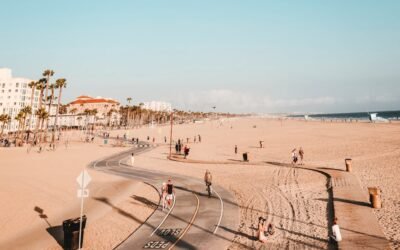
Planning a trip to Qualicum Beach on Vancouver Island? The best time depends on whether you care most about warm beach weather, quiet trails, lower accommodation demand, seasonal events, or peaceful coastal walks. For the broadest mix of comfortable weather and outdoor activities, June through September is usually the easiest window, while July and August offer the warmest and driest conditions.
Quick Answer
The best time to visit Qualicum Beach is usually June through September. Choose July or August for the warmest, driest beach weather; June or September for a better balance of weather and crowds; October for a quieter but wetter fall trip; and November through April for solitude, lower seasonal demand, and cooler, wetter conditions.
Key Takeaways
- Best overall: June and September combine relatively mild weather with less peak-summer pressure.
- Best for warm beach days: July and August are the warmest and historically driest months.
- Best for fewer crowds: May, September, October, and the winter months generally feel quieter.
- Best for budget-minded travelers: Look outside July and August, but compare actual rates because prices vary by property, weekend, and event.
- Important spring note: Beach rules can change during the Brant goose migration, so check current restrictions if you travel with a dog.
Best Time to Visit Qualicum Beach by Season
Qualicum Beach has a temperate coastal climate. The Pacific moderates temperatures, so summers are generally comfortable rather than extremely hot and winters are milder than in much of Canada. However, rainfall changes sharply through the year.
Historical climate normals from Environment and Climate Change Canada for the nearby Qualicum River Fish Research station show average daily maximums of about 22.3°C (72°F) in July and 22.1°C (72°F) in August. Average highs fall to about 18.7°C (66°F) in September and 13.0°C (55°F) in October. See the Environment and Climate Change Canada climate normals for the underlying historical data.
Historical normals at the nearby ECCC station show about 26 mm of precipitation in July and 34.6 mm in August, compared with 147.2 mm in October. That is why July and August are the most dependable months for dry-weather plans.
Summer: The Sunshine Season (July & August)
July and August are the core peak season. They offer the best odds of warm, dry weather for beach time, waterfront walks, cycling, paddling, and day trips.
- Pros: Warmest weather of the year, historically low rainfall, long daylight hours, and the widest selection of seasonal activities.
- Cons: Stronger accommodation demand, busier waterfront areas, fuller restaurants, and less flexibility for last-minute stays.
- Typical conditions: Historical average daily highs are around 22°C (72°F). Warmer days certainly occur, but they should not be confused with the long-term average.
- Water: The Strait of Georgia remains cool even during summer, so your comfort level for swimming may differ from someone accustomed to warmer ocean destinations.
Pro Tip: If you want a July or August weekend, reserve accommodation early. For better flexibility, compare Sunday-through-Thursday stays as well as weekends instead of assuming every summer date costs the same.
Late Spring and Early Summer: A Balanced Choice (May & June)
May and June are attractive if you want longer days, green scenery, comfortable hiking weather, and less peak-summer pressure.
- May: Historical average daily highs near the referenced station are around 16.7°C (62°F). Expect a mix of mild days, clouds, and showers.
- June: Average daily highs rise to about 19.6°C (67°F), making June one of the strongest all-around choices for active sightseeing.
- Pros: Pleasant hiking temperatures, spring scenery, increasing daylight, and usually more booking flexibility than the July-August peak.
- Cons: Water remains cool, showers are possible, and individual seasonal businesses or tours may still have limited schedules.
Early Fall: September vs. October
September and October should not be treated as identical shoulder-season months. September retains much more of summer’s weather pattern, while October is cooler and historically much wetter.
- September: One of the best choices for travelers who want mild weather without the heart of the summer rush. Historical average daily highs are around 18.7°C (66°F).
- October: Better suited to travelers who prioritize quiet walks and fall atmosphere over dependable dry weather. Historical average daily highs fall to around 13°C (55°F).
- Pros: Quieter atmosphere, comfortable conditions for many hikes, and softer autumn light for photography.
- Cons: Shorter days and a much greater chance of wet weather as October progresses.
The Off-Season: Quiet and Cozy (November to April)
November through April is the quieter side of Qualicum Beach. It suits travelers who value peaceful shoreline walks, uncrowded trails, indoor downtime, and flexibility more than classic beach weather.
- Pros: Fewer leisure visitors, a relaxed atmosphere, and the possibility of lower accommodation rates on some dates.
- Cons: Cooler and wetter weather, shorter winter days, and reduced hours at some seasonal businesses or attractions.
- Typical conditions: Rain is much more frequent than in summer. Snow can occur at lower elevations as well, although rain is a more common winter concern and higher elevations generally see more snow.
Navigating the Crowd Wave
Visitor levels affect everything from waterfront parking to restaurant availability. The busiest period generally overlaps with the warmest summer weather, while spring, fall, and winter allow more room for spontaneous plans.
Peak Season: July & August
July and August bring the strongest combination of vacation travel, beach weather, and community events.
- Expect: More activity along the waterfront, stronger demand for popular accommodation, and busier dining periods.
- Book ahead: Reserve early when your trip depends on a specific property, room type, campground, or weekend.
- Check events: Major local events can create unusually busy individual weekends even outside the traditional peak.
Shoulder Season: May-June & September-October
These months usually provide more breathing room, but they are not equal in weather. June and September provide the strongest compromise if outdoor conditions matter most, while May and October favor travelers who accept more weather variability.
- Best balance: June and September are particularly appealing for hiking, cycling, sightseeing, and waterfront walks.
- More flexibility: You may have a better chance of finding last-minute accommodation or dining options, although popular weekends can still fill.
Off-Season: November to April
If tranquility is your priority, the off-season provides the quietest experience.
- A different kind of trip: Think peaceful promenade walks, forest trails between showers, cafés, galleries, reading, and slow mornings rather than a full beach-day schedule.
- Check hours: Some seasonal operators reduce their schedules, so confirm anything that is essential to your trip before travelling.
The Financial Factor: Cost Considerations
Your travel dates can affect accommodation availability and price, but there is no reliable destination-wide percentage that applies to every hotel, rental, campground, or weekend.
Summer: Highest Demand (July & August)
Summer usually brings the strongest leisure-travel demand, especially on warm weekends and around popular events.
- Accommodation: Expect less inventory and often higher rates than on quieter dates.
- Best strategy: Compare several dates rather than assuming an entire month has one price level.
- Campgrounds: Popular regional camping destinations can require reservations during summer. For example, BC Parks notes that reservations are required during summer at nearby Rathtrevor Beach Park.
Shoulder Season Value (May-June & September-October)
If you want good outdoor conditions without committing to the busiest summer period, shoulder-season dates are often worth comparing.
- Accommodation: Availability may improve outside peak weekends.
- Weather value: June and September give you a particularly useful balance between comfortable temperatures and reduced peak-season pressure.
- Watch event dates: A festival, tournament, holiday weekend, or large local event can raise demand even during an otherwise quieter month.
Off-Season Value (November to April)
Travel demand is generally lower in winter, which can create attractive room rates or packages at some properties.
- Compare before booking: Savings vary widely by property and date, so avoid assuming winter will always be a fixed percentage cheaper.
- Low-cost activities: Walking the waterfront, visiting parks, photography, and exploring forest trails can keep activity costs modest when weather cooperates.
Activities and Events: What’s Happening When
The season changes not only the weather but also which experiences are easiest to enjoy. The Town reports more than four kilometres of sandy beaches along with extensive parks and maintained trails. You can review current facilities on the Town of Qualicum Beach Parks & Beaches page.
Summer’s Full Spectrum (July & August)
- Beach days: July and August provide the best odds of warm, dry weather for relaxing along the shore.
- Water activities: Kayaking, paddleboarding, boating, and swimming are most appealing in settled summer weather, although the water itself remains cool.
- Community events: The Town hosts annual summer activities including Beach Day. Dates change by year, so check the official Qualicum Beach events calendar before booking around a specific event.
- Day trips: Summer is convenient for exploring nearby provincial parks, lakes, waterfalls, and trails.
Spring & Fall’s Gentler Pace
Spring and early fall are excellent for travelers whose plans focus more on walking, nature, cycling, photography, and sightseeing than swimming.
- Hiking & cycling: Cooler temperatures can make longer outings more comfortable than during the warmest summer afternoons.
- Birdwatching: Spring is especially significant for migrating Brant geese and other coastal birds in the Parksville-Qualicum Beach area.
- Photography: Spring greenery, September’s softer light, and autumn foliage provide different visual conditions from midsummer.
- Nearby nature: Little Qualicum Falls Provincial Park has waterfalls, forest scenery, Cameron Lake access, and approximately six kilometres of walking trails.
Winter’s Quiet Charm (November to April)
Winter shifts the focus toward slower travel and flexible outdoor plans.
- Beach walks: The waterfront can feel dramatically quieter outside peak season.
- Forest walks: Choose suitable footwear and be prepared to adjust plans around rain.
- Indoor time: Cafés, arts venues, reading, dining, and relaxed accommodation stays become a bigger part of the trip.
- Events: Fewer large outdoor events take place, but local programming continues. Check current listings rather than relying on a fixed annual schedule.
Plan Around the Tide
The tide can change the character of a Qualicum Beach visit within a few hours. Lower tides expose more shoreline for walking and observing coastal life, while higher tides can significantly reduce the amount of exposed beach.
Note: Check official Canadian Hydrographic Service tide predictions before planning a long beach walk or a low-tide outing. Tide times shift every day, so the best month alone does not guarantee the beach conditions you want.
Spring Wildlife and Beach Rules
Spring has an important consideration for travelers with dogs. Brant geese stop along this coastline during migration, and seasonal restrictions help protect feeding and resting birds.
For 2026, the Town advised that dogs were not permitted on public beaches from March 1 through April 30. Parksville Qualicum Beach Tourism also highlights this migration period on its Wildlife Management Area Bird Trail information. Because regulations can be updated, check the current year’s notice before visiting with a dog.
What to Pack by Season
May and June
- Light waterproof jacket
- Layers for cool mornings and evenings
- Comfortable walking shoes
- Sun protection for clearer days
July and August
- Light summer clothing
- Sun hat and sunscreen
- Light layer for evenings
- Beach shoes or sandals
- Reusable water bottle
September and October
- Layered clothing
- Water-resistant outer layer
- Walking shoes with good traction
- A warmer layer for mornings and evenings
November to April
- Waterproof jacket
- Warm layers
- Water-resistant footwear
- Backup indoor plans for wet-weather days
Your Personal “Best Time” Checklist
| Month | Typical Travel Feel | Crowds | Cost Pressure |
|---|---|---|---|
| January | Cool, wet, quiet | Low | Low |
| February | Cool, wet, peaceful | Low | Low |
| March | Cool spring transition; bird migration | Low | Low |
| April | Mild, changeable spring weather | Low | Low |
| May | Mild, green, increasingly pleasant | Low-Medium | Low-Medium |
| June | Mild to warm; excellent all-round month | Medium | Medium |
| July | Warm and historically driest | High | High |
| August | Warm, dry, prime beach season | High | High |
| September | Mild; excellent shoulder-season choice | Medium-Low | Medium |
| October | Cooler, wetter, quieter | Low | Low-Medium |
| November | Wet, cool, quiet | Low | Low |
| December | Cool, wet, holiday-season atmosphere | Low-Medium | Low-Medium |
Ultimately, the best month depends on what you want to prioritize. Use the choices below to narrow it down.
Are You a Sun-Seeker?
- YES: Choose July or August. They provide the strongest historical combination of warm temperatures and low rainfall.
- MAYBE: Choose June or September for comfortable outdoor weather with less peak-season pressure.
Do You Prefer Peace and Quiet?
- YES: Consider October through April if you are comfortable with cooler, wetter weather.
- MAYBE: May or September offers a useful middle ground between quiet conditions and favorable outdoor weather.
Is Budget a Major Factor?
- YES: Compare dates from November through April, when leisure demand is generally lower.
- MAYBE: Look at May, June, September, and October. These can provide good value without requiring a winter-weather trip.
What Activities Matter Most?
- Beach weather: July and August.
- Hiking and cycling: May, June, September, and early October.
- Community events: Summer has a busy calendar, but always check current Town listings.
- Birdwatching: Spring is particularly noteworthy during coastal migration.
- Photography: September and October for fall atmosphere; winter for quiet coastal scenes.
- Relaxation and solitude: November through April.
For most first-time visitors, June or September provides the most balanced trip. Choose July or August when reliable beach weather matters more than crowds, and choose the cooler months when quiet surroundings matter more than sunshine.
Frequently Asked Questions
What is the best time to visit Qualicum Beach for good weather?
July and August offer the warmest and historically driest conditions. If you want pleasant weather with somewhat less peak-season pressure, June and September are excellent alternatives.
When is peak tourist season in Qualicum Beach?
July and August are the core peak months because they combine school-holiday travel, warm weather, beach conditions, and summer events. Busy weekends can also occur in June and September.
When is the quietest time to visit Qualicum Beach?
November through April is generally the quietest period. Expect cooler temperatures, more rain, shorter winter days, and reduced schedules at some seasonal businesses.
Is September a good month to visit Qualicum Beach?
Yes. September is one of the strongest all-around choices. Historical conditions remain relatively mild and dry compared with October, while the heart of the July-August vacation rush has passed.
Is October a good time to visit Qualicum Beach?
October can be enjoyable for quiet walks, hiking, photography, and fall scenery, but it is substantially wetter and cooler than September. Bring waterproof layers and keep your outdoor schedule flexible.
When is the best time for swimming at Qualicum Beach?
July and August are the most appealing months for swimming because air temperatures are warmest. The ocean remains cool, however, so check current weather, tide, and water conditions and choose activities that match your swimming ability and comfort.
Do tides matter when visiting Qualicum Beach?
Yes. Low tide can expose much more shoreline, while high tide reduces the amount of beach available. Check Canadian Hydrographic Service tide predictions for the specific date of your visit.
Can I bring a dog to Qualicum Beach in spring?
Check the current Town rules before your trip. In 2026, dogs were prohibited on public beaches from March 1 through April 30 to protect migrating Brant geese. Seasonal restrictions can be updated from year to year.
Sources
- Environment and Climate Change Canada — Qualicum-area climate normals — historical temperature and precipitation data.
- Town of Qualicum Beach — Parks & Beaches — local beach, park, trail, and recreation information.
- Town of Qualicum Beach — Events — current community events and seasonal programming.
- Canadian Hydrographic Service — Tides, Currents and Water Levels — official Canadian tide predictions and water-level information.
- BC Parks — Little Qualicum Falls Park — official trail, waterfall, lake, and recreation information.
- Parksville Qualicum Beach Tourism — Wildlife Management Area Bird Trail — Brant migration, birdwatching, and seasonal beach information.