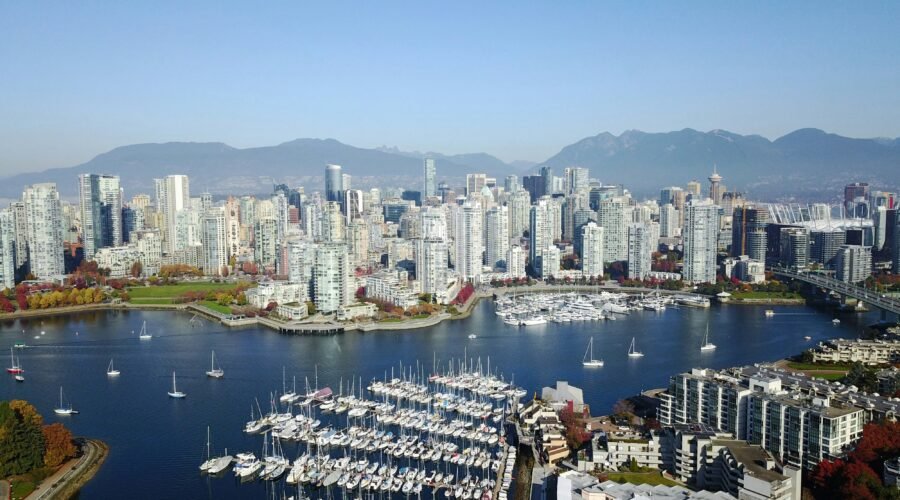
The best time to visit Vancouver, British Columbia depends on what matters most to you. For the strongest balance of comfortable weather, manageable crowds, and seasonal activities, late May through June and September through early October are excellent choices. July and August provide the warmest, driest conditions, while winter can offer better travel value and easy access to nearby ski mountains.
Quick Answer
For most travelers, the best time to visit Vancouver is late May through June or September through early October. These periods usually combine mild weather, plenty of outdoor opportunities, and lighter crowds than peak summer. Choose July or August for the driest weather, or winter for skiing and potentially lower city accommodation rates.
Key Takeaways
- Best overall balance: Late May through June and September through early October.
- Best weather: July and August are generally Vancouver’s warmest and driest months.
- Best for fewer crowds: Spring and fall, especially weekdays outside major events.
- Best potential value: Late fall through early spring outside Christmas, New Year, and ski-related peak dates.
- Best for skiing: Winter, when the North Shore mountains and Whistler offer snow sports.
- Best for whale watching: Roughly April through October, with May through September a particularly active period.
Best Time to Visit Vancouver at a Glance
| Your Priority | Best Time | Main Trade-Off |
| Best overall balance | Late May–June and September–early October | Weather is less predictable than July and August |
| Warmest, driest weather | July–August | Highest demand and busiest attractions |
| Cherry blossoms | March–April | Bloom timing varies with weather |
| Whale watching | April–October | Wildlife sightings are never guaranteed |
| Lower-demand city trip | November–March outside holidays | Cooler temperatures and frequent rain |
| Skiing and snowboarding | Winter | Mountain weather and road conditions can change quickly |
Environment and Climate Change Canada’s 1991–2020 Vancouver Harbour normals show average daily highs of about 23°C (73°F) in both July and August, making them the warmest part of the year for most visitors.
1. Summer: July and August
Summer is Vancouver’s peak visitor season. Long daylight hours, relatively low rainfall, warm temperatures, beaches, patios, hiking, and major events make it the easiest season for travelers who want to spend most of their trip outdoors.
Weather
July and August normally bring Vancouver’s warmest and driest conditions. Environment and Climate Change Canada’s Vancouver Harbour climate normals show average daily highs of about 23°C (73°F) in both months. Destination Vancouver also lists July and August among the city’s driest months.
You can comfortably plan activities such as cycling the Stanley Park Seawall, visiting Kitsilano Beach, kayaking around False Creek, walking waterfront neighborhoods, and hiking lower-elevation trails. Evenings can feel cool near the water, so a light layer is still useful.
See the Environment and Climate Change Canada climate normals for Vancouver Harbour for detailed monthly temperature data.
Crowds
July and August are among Vancouver’s busiest visitor months. Stanley Park, Granville Island, Gastown, popular beaches, waterfront areas, and North Shore attractions can become crowded, particularly on sunny weekends.
Popular restaurants, whale-watching trips, sightseeing tours, ferries, and major attractions may also have limited availability. If your trip includes an activity with a fixed date or departure time, reserve it before you arrive rather than assuming space will be available.
Costs
Summer usually carries stronger demand for Vancouver hotels, flights, tours, and rental cars. Exact price differences vary too much by property, event dates, booking window, and origin city to assign a reliable percentage.
If you want summer weather without paying for maximum flexibility, compare midweek stays, reserve early, and check refundable rates regularly before your cancellation deadline.
What to Do
Summer works especially well for cycling around Stanley Park, swimming or relaxing at Kitsilano Beach, exploring Richmond’s seasonal night-market scene, attending outdoor concerts, watching baseball, taking a ferry excursion, or spending a day on the water.
Summer also brings major cultural and community events, but schedules can change significantly from year to year. Do not build a future itinerary around an event until its official dates have been confirmed.
2026 Event Update: The Honda Celebration of Light was cancelled indefinitely and did not operate as the former multi-night fireworks competition in 2026. The City of Vancouver instead presented a one-night Summer Lights fireworks event at English Bay on July 31, 2026. Check the official event calendar for future years rather than assuming the old festival has returned.
When planning a summer trip, combine your season choice with neighborhood, transit, restaurant, and attraction planning. This matters most on major event weekends, when downtown streets, beaches, and public transportation can be much busier than on an ordinary summer day.
2. Spring: April Through June
Spring is one of Vancouver’s strongest shoulder seasons. Conditions gradually become warmer and drier, gardens and parks fill with color, and visitor numbers are generally easier to manage than in July and August.
Weather
April is cool and changeable, with a mix of rain, clouds, and mild sunny periods. By May, daytime temperatures become more comfortable for extended sightseeing, and June often starts to feel like early summer.
Destination Vancouver’s climate information shows typical spring conditions ranging from cool, damp days early in the season to much milder conditions by June. Pack layers and a rain shell even when the forecast looks favorable.
You can review seasonal averages on Destination Vancouver’s climate and weather guide.
Cherry Blossom Season
Cherry blossoms are a major spring attraction, but they should not be treated as an April-only event. The Vancouver Cherry Blossom Festival describes its annual programming as taking place during March and April, while the timing of individual tree varieties depends on that year’s weather.
If blossoms are a major reason for your visit, use current bloom updates instead of choosing dates solely from historical averages.
Crowds
April and much of May usually feel calmer than peak summer. Restaurants, museums, gardens, and major attractions can be easier to visit without long waits. June becomes busier as the weather improves and summer travel begins.
Costs
Spring can provide a useful balance between travel costs and comfortable weather. Prices still vary around holidays, long weekends, conventions, sporting events, and major city events, so compare your exact dates rather than assuming every spring week is inexpensive.
What to Do
Spring is ideal for gardens, parks, neighborhood walks, cycling, museums, and lower-elevation outdoor activities. VanDusen Botanical Garden, Queen Elizabeth Park, the Bloedel Conservatory, Stanley Park, and blossom-lined residential streets can all be rewarding during this period.
Whale-watching operations also become more active in spring. According to Destination Vancouver, the main local whale-watching season runs roughly from April to October.
3. Fall: September Through November
Fall changes quickly in Vancouver. September can still feel like late summer, October becomes cooler and wetter, and November marks a much stronger shift into the rainy season. Treating all three months as identical can lead to poor packing and activity choices.
Weather
September is one of the best all-around months for many visitors. Environment and Climate Change Canada’s Vancouver Harbour normals show an average daily high of about 19°C (67°F), while rainfall remains well below typical late-autumn levels.
October becomes cooler and wetter, but crisp, clear days still occur. November is substantially rainier and better suited to travelers who are comfortable mixing outdoor sightseeing with museums, cafés, restaurants, galleries, and other indoor activities.
Crowds
September often offers a useful transition between summer demand and the quieter months that follow. Families return to school and some summer vacation traffic declines, although sunny weekends and major events can still draw large crowds.
October and November generally feel quieter at many tourist attractions.
Costs
Accommodation and airfare can become more competitive after the busiest summer period, particularly on ordinary weekdays. However, there is no dependable fixed percentage discount because prices respond to individual events and demand.
What to Do
September is excellent for cycling, walking the seawall, whale watching, hiking suitable trails, patios, and late-season beach visits. October brings fall color to parks and tree-lined neighborhoods. Stanley Park, Queen Elizabeth Park, and areas around the University of British Columbia can be especially attractive on clear autumn days.
As rainfall increases, add indoor options such as the Vancouver Aquarium, Science World, museums, galleries, cafés, and shopping areas to your itinerary rather than relying exclusively on outdoor plans.
Pro Tip: If you want pleasant sightseeing weather but would rather avoid the heart of summer, consider the first half of September. It often preserves much of Vancouver’s outdoor appeal while reducing some of the peak-season pressure.
4. Winter: December Through March
Winter provides two very different Vancouver experiences: a mild, rainy coastal city at sea level and snowy mountains nearby. That combination makes the season appealing for travelers who want urban sightseeing and winter sports on the same trip.
Weather
Downtown Vancouver has an ocean-influenced climate with relatively mild winters compared with many Canadian cities. Rain is common, while snow in the city is less reliable and usually occurs during colder weather systems rather than throughout the entire season.
Conditions are very different at higher elevations. Grouse Mountain, Cypress Mountain, and Mount Seymour can have winter snow while downtown Vancouver is rainy.
Crowds
City sightseeing is generally quieter during much of winter, but Christmas, New Year, school holidays, major events, and good ski weekends can create busy periods.
If your priority is uncrowded museums, restaurants, galleries, and indoor attractions, the post-holiday period can be particularly appealing.
Costs
Winter can offer some of the lowest-demand periods for Vancouver city hotels and flights, particularly outside holiday dates. That does not mean every winter date is inexpensive: ski weekends, conferences, sporting events, and holidays can still raise prices.
What to Do
Winter is well suited to museums, galleries, restaurants, cafés, the Vancouver Aquarium, Science World, shopping, seasonal light displays, and neighborhood food exploration.
For snow sports, the North Shore mountains are close enough for day trips. Destination Vancouver notes that Grouse Mountain, Cypress Mountain, and Mount Seymour are all accessible from the city, with travel conditions depending on weather.
Whistler is another major winter option. Tourism Whistler describes the trip from downtown Vancouver as roughly 127 km and about two hours under normal driving conditions. Traffic, snow, and winter road conditions can increase that time.
Warning: Do not use downtown Vancouver’s weather forecast to judge mountain conditions. Temperature, snowfall, visibility, road conditions, and required winter driving equipment can be very different at higher elevations. Check the ski area’s forecast and current road information before leaving.
If you’re visiting in winter, plan a flexible mix of indoor and outdoor activities. That approach lets you move a park, neighborhood walk, or mountain excursion to the clearest day instead of losing part of your trip to poor weather.
5. Choose the Best Time Based on Your Travel Style
There is no single month that is perfect for every Vancouver trip. Your best choice depends on the experience you value most.
For Sunshine and Outdoor Activities
July and August provide the strongest odds of warm, dry weather for beaches, cycling, hiking, kayaking, outdoor dining, and waterfront activities. The trade-offs are stronger demand, busier attractions, and potentially higher travel prices.
For Fewer Crowds and Pleasant Weather
Late May through June and September through early October offer one of the best compromises. You still have plenty of daylight and outdoor possibilities without committing to the busiest weeks of peak summer.
For Budget-Conscious Travelers
Late fall through early spring outside major holidays can provide the lowest-demand city-travel periods. Travelers who want better weather while still watching costs may prefer May, June, September, or early October instead.
In other words, the cheapest dates and the best-value dates are not always the same. Paying a little more for a shoulder-season trip may be worthwhile if you expect to spend much of your time outside.
For Festivals and Events
Vancouver has events throughout the year, but dates and even the continuation of long-running festivals can change. Spring brings Vancouver Cherry Blossom Festival programming, while summer commonly includes Pride celebrations, concerts, cultural festivals, and outdoor events.
The Vancouver International Jazz Festival typically takes place around late June and early July rather than fitting neatly into one calendar month. Check the official Vancouver International Jazz Festival information before booking.
For Pride, check the Vancouver Pride Society’s official event schedule for the current year’s dates.
Note: Event schedules should be checked before purchasing non-refundable flights or hotels. The indefinite cancellation of the Honda Celebration of Light after 2025 is a good example of why older Vancouver travel guides may contain outdated festival information.
For Skiing and Snowboarding
Winter is the obvious choice. Grouse Mountain, Cypress Mountain, and Mount Seymour provide nearby snow-sport options, while Whistler Blackcomb is suitable for a longer day trip or a separate mountain stay.
Actual ski conditions depend on snowfall, elevation, temperature, and the specific resort’s operating schedule, so verify conditions before traveling.
For Whale Watching
April through October is the main whale-watching period described by Destination Vancouver, with May through September among the most active months for tours and sightings.
Different species can appear at different points in the season, and wildlife is never guaranteed. Read the current Destination Vancouver whale-watching season guide when planning a wildlife-focused trip.
Practical Tips for Choosing Your Vancouver Dates
- Book peak summer early: Reserve high-priority hotels, tours, and timed attractions before your trip if you are visiting in July or August.
- Use flexible plans in rainy seasons: Keep indoor and outdoor options available so you can adjust to the forecast.
- Pack layers year-round: Waterfront wind, shade, rain, and temperature changes can make one fixed outfit impractical even on a pleasant day.
- Bring rain protection outside summer: A waterproof outer layer and suitable shoes are especially useful from autumn through spring.
- Check mountain conditions separately: Sea-level weather tells you little about snow, visibility, and road conditions at higher elevations.
- Compare exact dates rather than seasons alone: A convention, holiday, sporting event, concert, or festival can make one weekend much more expensive than the surrounding weeks.
- Verify annual events: Do not rely on an older article’s festival dates when making non-refundable reservations.
Frequently Asked Questions
What is the best time to visit Vancouver for good weather?
July and August offer the strongest odds of warm, dry weather. If you want pleasant conditions with somewhat less peak-season pressure, late May through June and September through early October are strong alternatives.
When is the best time to visit Vancouver to avoid crowds?
Spring and fall are generally quieter than July and August. April, May, October, and November can work well if crowd avoidance matters more to you than having the driest possible weather. Weekdays are also usually easier than sunny weekends.
What is the cheapest time to visit Vancouver?
Some of the lowest-demand city-travel periods occur from late fall through early spring outside Christmas, New Year, and other major events. However, prices vary by exact date. Spring and early fall can provide better overall value if you are willing to pay somewhat more for milder weather.
What is the worst time to visit Vancouver because of weather?
There is no universally worst month. If you strongly dislike rain, late fall and winter will be less appealing than summer. If you are visiting for skiing, indoor attractions, restaurants, or quieter sightseeing, the same winter period may suit you very well.
Is September a good time to visit Vancouver?
Yes. September is one of the strongest all-around choices because temperatures remain mild, many outdoor activities are still practical, whale-watching season continues, and peak summer demand begins to ease. Conditions become wetter as the season progresses, so earlier September generally offers the better weather odds.
When is the best time for whale watching in Vancouver?
Destination Vancouver describes the main whale-watching season as roughly April through October, with May through September among the busiest months for tours and sightings. The species present can vary through the season, and no wildlife sighting can be guaranteed.
Does Vancouver get snow in winter?
Vancouver can receive snow during cold spells, but rain is more characteristic of winter at sea level. Nearby North Shore mountains receive much more dependable winter snow, which is why you can encounter rainy streets downtown and ski conditions at higher elevations on the same trip.
Which Vancouver festivals should I consider when choosing travel dates?
Spring commonly includes Vancouver Cherry Blossom Festival programming, while summer brings Pride, jazz, concerts, and other outdoor events. Always check official calendars for your travel year. The Honda Celebration of Light, for example, was cancelled indefinitely after 2025 and did not operate as the traditional multi-night competition in 2026.
Sources
- Environment and Climate Change Canada — Vancouver Harbour Climate Normals — monthly temperature data and seasonal climate context.
- Destination Vancouver — Climate and Weather — Vancouver seasonal temperatures, precipitation, and packing guidance.
- Destination Vancouver — Whale Watching Season — typical April–October whale-watching season and seasonal wildlife guidance.
- Vancouver Cherry Blossom Festival — March and April festival timing and annual blossom information.
- Coastal Jazz & Blues Society — Vancouver International Jazz Festival — current festival programming and annual event dates.
- Honda Celebration of Light — official status of the indefinitely cancelled fireworks competition.