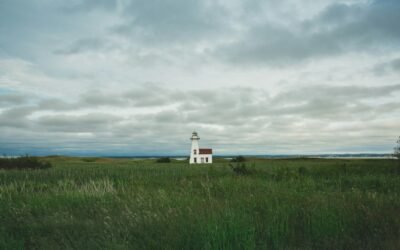
So, you’re wondering about the best time to visit Victoria, BC? For many travellers, late spring and early fall offer the strongest balance of mild weather, manageable visitor demand, gardens and outdoor activities. Summer gives you the driest weather and longest days, while winter trades sunshine for quieter streets, festive events and a slower pace.
Quick Answer
The best overall time to visit Victoria, BC is usually May, June, or September. These months combine mild weather, long sightseeing days, active gardens, and strong whale-watching options without the highest summer demand. July and August are driest and warmest, while late fall and winter suit travellers who prioritize quiet streets and lower seasonal demand.
Key Takeaways
- Best overall balance: May, June, and September usually combine comfortable weather with less peak-season pressure than July and August.
- Warmest and driest: July and August have average daily highs around 21°C (69°F), with July the driest month in Victoria Gonzales’ 1991–2020 climate normals.
- Whale watching: Some Victoria operators run year-round, while May through October is a strong peak period with more departures and excellent wildlife-viewing opportunities.
- Gardens: Spring is a major flowering season at The Butchart Gardens, while December 1 through January 6 brings its Christmas light displays.
- Quietest trips: Late fall and winter generally bring fewer leisure visitors, but expect wetter weather and a temporary holiday-season increase around Christmas and New Year’s.
Victoria Weather by Month
Victoria has a mild coastal climate compared with much of Canada. The figures below use Environment and Climate Change Canada’s 1991–2020 climate normals for Victoria Gonzales. They are long-term averages, not forecasts for a specific trip.
| Month | Average High | Average Low | Average Precipitation |
| January | 7.8°C / 46°F | 3.8°C / 39°F | 110.6 mm |
| February | 8.6°C / 47°F | 3.6°C / 38°F | 60.7 mm |
| March | 10.7°C / 51°F | 4.6°C / 40°F | 62.4 mm |
| April | 13.5°C / 56°F | 6.4°C / 44°F | 36.2 mm |
| May | 16.5°C / 62°F | 8.7°C / 48°F | 27.5 mm |
| June | 18.7°C / 66°F | 10.5°C / 51°F | 18.8 mm |
| July | 20.6°C / 69°F | 11.9°C / 53°F | 13.0 mm |
| August | 20.7°C / 69°F | 12.1°C / 54°F | 16.4 mm |
| September | 18.9°C / 66°F | 11.0°C / 52°F | 27.8 mm |
| October | 13.9°C / 57°F | 8.2°C / 47°F | 85.4 mm |
| November | 9.9°C / 50°F | 5.4°C / 42°F | 128.7 mm |
| December | 7.5°C / 46°F | 3.6°C / 38°F | 87.2 mm |
The pattern is clear: July and August offer the warmest and driest normal conditions, while rainfall increases sharply in fall and winter. That makes the shoulder months especially useful if you want a compromise between outdoor-friendly weather and peak-season demand.
1. Spring (March, April, May)
Spring in Victoria is a beautiful transition, shaking off the wetter winter months and bringing early flowers, greener parks, and longer days. It is a strong time to visit if you appreciate mild temperatures and gardens without the busiest summer crowds.
March: The Early Bloomer
March is the beginning of spring in Victoria. The weather remains changeable, but flowers start appearing across the region.
- Weather: The Victoria Gonzales climate normal is an average high of 10.7°C (51°F) and low of 4.6°C (40°F), with about 62.4 mm of monthly precipitation. Pack layers and a waterproof outer shell.
- Crowds: Visitor demand is usually well below summer levels, so museums, harbour walks, and other central attractions generally feel more relaxed.
- Costs: Accommodation demand is usually softer than in midsummer, although rates still vary by property, weekend, event, and booking date.
- What to Expect: Crocuses, daffodils, and early blossoms can begin appearing. The annual Greater Victoria Flower Count celebrates the region’s unusually early bloom season. Indoor attractions such as the Royal BC Museum or Craigdarroch Castle also give you useful rainy-day options. Selected whale-watching operators offer trips during this period, although peak-season frequency comes later.
April: The Awakening
April brings warmer afternoons, considerably less normal precipitation than winter, and one of the most colourful periods of the year.
- Weather: Average highs reach about 13.5°C (56°F), with lows near 6.4°C (44°F). Normal monthly precipitation falls to about 36.2 mm.
- Crowds: Visitor numbers begin building, especially around Easter and other spring travel periods, but the city normally remains easier to navigate than in July or August.
- Costs: Hotel and transportation prices may begin rising with demand, so compare live rates rather than relying on fixed seasonal assumptions.
- What to Expect: Tulips, rhododendrons, blossoms, and flowering bulbs make April excellent for garden lovers. The Butchart Gardens’ official spring season runs from March 24 through May 31 and features more than 300,000 flowering bulbs. Cycling, harbour walks, and other outdoor activities also become more comfortable.
May: The Sweet Spot
May is one of the easiest months to recommend because it combines comfortable weather with strong access to gardens, wildlife tours, and outdoor activities.
- Weather: Average highs reach about 16.5°C (62°F), with lows near 8.7°C (48°F). Normal precipitation drops to about 27.5 mm for the month.
- Crowds: Tourism builds through May, particularly around weekends and Victoria Day, but demand is generally below the midsummer peak.
- Costs: Prices often rise as summer approaches. Booking ahead becomes more worthwhile for popular weekends, but live rates should always be checked for your dates.
- What to Expect: Gardens remain a major draw, trails are increasingly comfortable, and kayaking and paddleboarding become more appealing. May also marks the beginning of the peak period cited by several local whale-watching operators, although wildlife sightings can never be guaranteed.
Pro Tip: If you want flowers, outdoor sightseeing, and whale-watching options without committing to midsummer demand, May is one of the strongest all-around choices. Book holiday-weekend accommodation and tours earlier than you would for a normal spring weekday.
If you’re planning a broader trip to Victoria, British Columbia, you can also browse Lele Tours for additional travel-planning ideas.
2. Summer (June, July, August)
Summer is peak season for a reason: Victoria receives its warmest and driest normal weather during these months. The trade-off is stronger visitor demand, busier attractions, and greater pressure on accommodation and transportation.
June: The Start of Summer Bliss
June begins the driest part of Victoria’s year and offers long daylight hours for sightseeing.
- Weather: The average high is about 18.7°C (66°F), with a low around 10.5°C (51°F). Normal precipitation is only 18.8 mm.
- Crowds: Tourism is well underway. The Inner Harbour, restaurants, gardens, and popular tours become noticeably busier, especially on weekends.
- Costs: Accommodation and transportation demand rises quickly as summer approaches. Book earlier if your dates are fixed.
- What to Expect: Outdoor dining, kayaking, cycling, coastal walks, whale-watching tours, and day trips are easy to fit into the long days. June is an excellent choice if you prioritize outdoor time but want to travel before the heart of July and August.
July: Peak Summer Weather
July combines the driest climate normals of the year with some of Victoria’s highest tourism demand.
- Weather: Average highs reach about 20.6°C (69°F), while lows average 11.9°C (53°F). Normal July precipitation is just 13.0 mm, the lowest monthly total in the Victoria Gonzales normals.
- Crowds: Expect busy conditions at the Inner Harbour, The Butchart Gardens, major museums, restaurants, and popular tours. Reservations can save time.
- Costs: Summer demand can push hotel, transport, and rental prices upward. The exact peak varies by date, so compare live rates before booking.
- What to Expect: Long, generally dry days make July excellent for gardens, beaches, coastal walks, kayaking, hiking, and wildlife tours. The trade-off is that you share those conditions with many other visitors.
August: Warmth Continues
August is very similar to July climatically and remains one of the busiest periods for family and leisure travel.
- Weather: The average high is about 20.7°C (69°F), almost identical to July, with a low around 12.1°C (54°F). Normal precipitation is only 16.4 mm.
- Crowds: Expect peak-season demand through much of the month. Some late-August dates may begin easing, but you should not depend on a major drop.
- Costs: Rates commonly remain elevated when demand is strong. Booking early gives you a better choice of hotels and tour times.
- What to Expect: Summer activities continue at full pace. You can enjoy outdoor patios, the coastline, family attractions, whale watching, and excursions beyond Victoria while benefiting from some of the year’s most reliable outdoor weather.
Victoria Gonzales averages only 13.0 mm of precipitation in July, compared with 128.7 mm in November, according to Environment and Climate Change Canada’s 1991–2020 climate normals.
3. Fall (September, October, November)

Fall in Victoria is underrated. September can retain summer-like conditions, while October and November become progressively cooler and wetter. In return, you usually get less peak-season pressure and a slower pace.
September: The Golden Month
September is one of the strongest alternatives to midsummer, particularly if you can travel after the busiest family-vacation period.
- Weather: Average highs remain around 18.9°C (66°F), with lows near 11.0°C (52°F). Normal precipitation is only 27.8 mm.
- Crowds: Demand generally begins easing after the summer peak, making restaurants, attractions, and city walks feel more manageable.
- Costs: Some accommodation and transportation prices begin softening after peak summer, although actual rates depend on your exact dates.
- What to Expect: September works especially well for walking, cycling, gardens, coastal outings, and whale watching. Early autumn colour may begin appearing later in the month, and the weather is often comfortable for active sightseeing.
October: Autumn Charm
October brings a much clearer shift into Victoria’s wetter season, but it also offers colourful streets and a quieter travel experience.
- Weather: Average highs fall to about 13.9°C (57°F), with lows near 8.2°C (47°F). Normal precipitation rises sharply to about 85.4 mm.
- Crowds: Leisure crowds are usually much lighter than in midsummer, particularly on weekdays.
- Costs: Lower demand can create better-value hotel dates, but events and weekends can still produce price spikes.
- What to Expect: Parks and tree-lined streets take on autumn colour, while breweries, cafés, galleries, museums, and afternoon tea become useful weather-proof options. October remains within the peak period cited by some whale-watching operators, though wind and weather can affect individual departures.
November: Quiet Before Winter
November is one of the wettest and quietest-feeling months in Victoria, which makes it better suited to travellers who value atmosphere and low crowds over reliable outdoor weather.
- Weather: Average highs are about 9.9°C (50°F), lows average 5.4°C (42°F), and normal precipitation reaches 128.7 mm.
- Crowds: Visitor pressure is typically low outside special events and the beginning of the holiday period.
- Costs: Lower seasonal demand can produce attractive hotel rates, although no month guarantees the cheapest price.
- What to Expect: Indoor museums, galleries, restaurants, cafés, and historic attractions become especially appealing. Outdoor sightseeing is still possible, but waterproof layers and a flexible itinerary are important.
4. Winter (December, January, February)

Victoria has a mild winter by Canadian standards, but it is generally cool, damp, and darker than the summer months. Travellers who do not mind rain can enjoy a slower city break, holiday events, museums, restaurants, and even selected year-round marine-wildlife tours.
December: Festive Spirit
December combines winter weather with one of Victoria’s most distinctive seasonal attractions.
- Weather: Average highs are about 7.5°C (46°F), with lows around 3.6°C (38°F). Normal monthly precipitation is 87.2 mm.
- Crowds: General tourism is below summer levels, but Christmas events, shopping, and holiday weekends can create concentrated periods of activity.
- Costs: Rates can rise around Christmas and New Year’s even though winter is otherwise a lower-demand season.
- What to Expect: The Butchart Gardens’ Christmas season runs from December 1 through January 6, with its Twelve Days of Christmas displays and extensive lighting. Downtown and the Inner Harbour also take on a festive atmosphere. Contrary to the idea that whale watching completely shuts down, selected Victoria operators currently offer year-round tours.
January: A Quiet Month
January is a good fit for travellers who want museums, dining, heritage attractions, and a calm atmosphere rather than a weather-focused trip.
- Weather: Average highs are about 7.8°C (46°F), while lows average 3.8°C (39°F). Normal precipitation is 110.6 mm.
- Crowds: Visitor demand is generally low after the New Year holiday.
- Costs: Lower seasonal demand can translate into good hotel value, though rates remain dynamic.
- What to Expect: Build your itinerary around museums, galleries, afternoon tea, food experiences, historic sites, and flexible outdoor walks between showers. Some marine-wildlife operators continue running during winter.
February: Hint of Spring
February is still winter, but Victoria’s early flowers can make the season feel different from many other Canadian cities.
- Weather: Average highs reach about 8.6°C (47°F), with lows around 3.6°C (38°F). Normal precipitation is about 60.7 mm.
- Crowds: Tourism generally remains light outside holiday weekends and special events.
- Costs: February can offer useful value for travellers with flexible dates.
- What to Expect: Crocuses, daffodils, and other early flowers may begin appearing, and the Greater Victoria Flower Count celebrates the region’s early bloom season. Museums, restaurants, cafés, gardens, and selected year-round whale or wildlife trips can all be part of a winter itinerary.
If you have a specific question about planning your Victoria trip, you can also use the Lele Tours contact page.
5. Your Priorities Shape the “Best” Time
Ultimately, the best time for you to visit Victoria, BC depends on your priorities. Climate is predictable in broad seasonal patterns, but crowds, accommodation rates, wildlife sightings, and individual weather conditions can vary from one trip to another.
| Month | Weather | Typical Visitor Demand | Typical Cost Pressure |
| January | Cool and wet | Low | Usually lower |
| February | Cool, early blooms possible | Low | Usually lower |
| March | Cool and changeable | Low to moderate | Moderate |
| April | Mild spring weather | Moderate | Moderate |
| May | Mild and increasingly dry | Moderate | Rising |
| June | Warm and dry | High | High |
| July | Warmest, driest period | High | High |
| August | Warm and dry | High | High |
| September | Mild, relatively dry | Moderate | Moderating |
| October | Cooler and wetter | Low to moderate | Usually lower |
| November | Cool and wet | Low | Usually lower |
| December | Cool and damp | Low to moderate; higher around holidays | Variable around holidays |
For Best Weather and Outdoor Exploration
- June, July, and August: Choose summer if warm, dry conditions and long days are your highest priorities. July and August offer the warmest normal temperatures, while June gives you many of the same outdoor advantages slightly earlier in the season.
- May and September: These shoulder months are excellent compromises. Conditions are generally mild, normal precipitation is relatively low, and visitor demand is often easier to manage than in peak summer.
For Avoiding Crowds
- November through February: These months generally offer the quietest leisure-travel atmosphere outside Christmas and New Year’s events. The trade-off is wetter weather and shorter winter days.
- March and October: Both can work well if you want a shoulder-season trip with fewer peak-season crowds while still having plenty of attractions open.
For Budget Travellers
- Late fall and winter: Lower visitor demand can create good accommodation value, especially outside major holidays. However, hotel and airfare prices are dynamic, so no month is guaranteed to be cheapest.
- May and September: These months can offer a better value-to-weather balance than midsummer because you retain many warm-season activities while avoiding some peak-demand dates.
For Garden Enthusiasts and Floral Displays
- March through May: Spring is a standout period. The Butchart Gardens officially describes March 24 through May 31 as its spring season, when hundreds of thousands of bulbs, shrubs, and trees come into flower.
- September and fall: The gardens and city parks shift toward late-season flowers and autumn foliage.
- December: Visit between December 1 and January 6 if the Christmas light displays are more important to you than spring flowers.
For Whale Watching
- May through October: This is a strong peak period cited by local operators, with frequent departures and excellent opportunities to see marine wildlife such as killer whales, humpback whales, minke whales, seals, sea lions, porpoises, and other species.
- Winter and early spring: Whale watching does not completely stop. Selected Victoria operators advertise year-round tours, but schedules, vessel choice, weather, and wildlife activity can differ from peak season.
Note: Wildlife is never guaranteed. If you are boating, fishing, kayaking, or paddling independently, check current Fisheries and Oceans Canada rules before going. Under the 2026 measures, vessels must remain 1,000 metres from Southern Resident killer whales in southern B.C. coastal waters between Campbell River and just north of Ucluelet. Different minimum distances apply to other killer whales and marine mammals.
So, weigh your preferences. If you want the best odds of warm, dry weather and long outdoor days, summer is the strongest choice. If you prefer fewer people while keeping pleasant sightseeing conditions, May or September is hard to beat. Victoria remains visitable year-round as long as your expectations match the season.
Planning Your Victoria Trip by Season
Book Summer Transport and Accommodation Earlier
If you are bringing a vehicle from the Vancouver area, the BC Ferries Vancouver (Tsawwassen)–Victoria (Swartz Bay) route is bookable. With a reservation, BC Ferries currently instructs passengers on this route to arrive 30 to 60 minutes before departure, with booking check-in closing 30 minutes before departure. Check the live schedule and requirements again before travelling because operational details can change.
July and August are also the periods when popular hotels, whale-watching departures, restaurants, and other tours are most likely to face strong demand. If a particular property, sailing, or tour time matters to you, booking ahead provides more choice.
What to Pack
- March through May: Bring layers, comfortable walking shoes, and a waterproof jacket. Morning and evening temperatures can feel much cooler than afternoon highs.
- June through August: Pack light layers, sun protection, and a warmer layer for evenings or time on the water. Victoria summers are mild rather than consistently hot.
- September and October: Bring layers and a rain shell. September may still feel summery, while October has much higher normal precipitation.
- November through February: Prioritize waterproof outerwear, warm layers, and shoes that handle wet sidewalks. Build indoor alternatives into your schedule.
Pro Tip: Check the forecast shortly before departure rather than packing only from monthly averages. Victoria’s climate normals are excellent for choosing a season, but the actual weather during a three- or four-day visit can still differ substantially from the long-term average.
Frequently Asked Questions
What is the best time to visit Victoria, British Columbia for good weather?
July and August offer the warmest and driest climate normals, with average highs close to 21°C (69°F). June is also dry and mild. If you want pleasant weather with somewhat less peak-season pressure, May and September are strong alternatives.
When is the best time to visit Victoria, British Columbia to avoid crowds?
Late fall and winter generally have the lightest leisure-travel demand, although Christmas and New Year’s can create temporary busy periods. March and October are also good choices if you want a quieter trip without travelling in the middle of winter.
What is the most cost-effective time to visit Victoria, British Columbia?
Lower-demand periods in late fall and winter can offer attractive accommodation rates, especially outside holidays. May and September can provide better overall value if you also care about mild weather and outdoor activities. Always compare live hotel and transportation prices because rates change by date and demand.
When is the whale-watching season in Victoria, British Columbia?
May through October is a strong peak period for Victoria whale watching, but it is not the only time tours operate. Selected local companies currently advertise year-round whale or wildlife tours. Wildlife sightings are never guaranteed, and departure schedules can change with season and weather.
What is the weather like in Victoria, British Columbia during winter?
Victoria winters are mild by Canadian standards but generally cool and wet. At the Victoria Gonzales station, average winter highs are roughly 7.5–8.6°C (46–47°F), with average lows around 3.6–3.8°C (38–39°F). Waterproof clothing and flexible indoor plans are useful.
When is the best time to visit The Butchart Gardens?
Spring is especially impressive for flowers. The Gardens’ official spring season runs from March 24 through May 31 and features more than 300,000 flowering bulbs. If you prefer holiday displays, its Christmas season runs from December 1 through January 6.
Is Victoria worth visiting in winter?
Yes, especially if you prefer a quieter city break. Winter works well for museums, historic attractions, dining, afternoon tea, cafés, holiday lights, and selected marine-wildlife tours. The main trade-offs are shorter days, cooler temperatures, and a greater chance of rain.
Sources
- Environment and Climate Change Canada — Victoria Gonzales 1991–2020 Climate Normals — monthly average highs, lows, and precipitation.
- Destination Greater Victoria — Find Your Season — official seasonal travel context for Greater Victoria.
- The Butchart Gardens — Spring — spring season dates and flowering-bulb information.
- The Butchart Gardens — Christmas — Christmas season dates and light displays.
- Fisheries and Oceans Canada — 2026 Southern Resident Killer Whale Measures — current approach-distance and marine-protection requirements.
- BC Ferries — Vancouver (Tsawwassen) to Victoria (Swartz Bay) — route reservations, schedules, and check-in information.