Quick Answer
Choose April-May or September-October for the best balance of comfortable walking weather and manageable crowds. July and August are hotter and busier, while November through March is quieter but wetter. For the calmest experience in any season, a weekday morning is generally a better bet than a busy weekend.
Last checked: September 29, 2026. Dates and figures were verified against official sources.
Key Takeaways
- Official İzmir climate normals show average highs rising from 21.3°C in April to 26.5°C in May, then easing from 29.5°C in September to 24.6°C in October.
- July and August are the driest and hottest part of the regional climate cycle, so early-morning and late-afternoon sightseeing is more comfortable.
- Şirince is about 8 km east of Selçuk, so village time can be combined easily with Ephesus and other Selçuk sights.
- Winter offers the quietest feel, but rain is much more common from November through March.
Best Time to Visit Şirince by Month
For most visitors, April, May, September, and October offer the easiest mix of weather and sightseeing conditions. The table below uses Turkish State Meteorological Service 1991-2020 normals for İzmir as the closest official regional benchmark. Şirince is inland and elevated, so conditions in the village can differ from İzmir city.
| Month | Avg. high / low | Avg. rainy days | What it is like for a visit |
|---|---|---|---|
| January | 12.7°C / 6.0°C | 11.57 | Cool, wet, and usually better for a quiet stay than long outdoor days. |
| February | 14.0°C / 6.6°C | 12.00 | Still rainy, with a calm winter atmosphere. |
| March | 17.2°C / 8.6°C | 10.23 | Milder, but rain can still interrupt walking plans. |
| April | 21.3°C / 11.8°C | 9.00 | Excellent choice: mild days, green scenery, and comfortable walking. |
| May | 26.5°C / 16.2°C | 7.10 | Excellent choice: warmer, sunnier, and good for outdoor dining and Ephesus. |
| June | 31.3°C / 20.9°C | 3.67 | Dry and increasingly hot; plan outdoor sightseeing earlier or later in the day. |
| July | 33.8°C / 23.5°C | 0.67 | Very hot and dry, with strong summer demand. |
| August | 33.6°C / 23.7°C | 0.83 | Similar to July: hot, dry, and better for heat-tolerant travelers. |
| September | 29.5°C / 19.5°C | 3.07 | Excellent choice: warm, drier weather and harvest-season activity around Selçuk. |
| October | 24.6°C / 15.4°C | 6.67 | Excellent choice: comfortable daytime temperatures with cooler evenings. |
| November | 18.8°C / 10.9°C | 9.07 | Cooler and quieter, with a noticeably higher chance of rain. |
| December | 14.0°C / 7.7°C | 13.30 | The wettest part of the regional pattern; best for a cozy, low-key visit. |
Şirince Weather by Season
Şirince has a Mediterranean-style seasonal pattern: warm to hot, dry summers and cooler, wetter winters. Spring and autumn are the easiest seasons for walking the steep, stone-paved lanes because they avoid both midsummer heat and the rainiest winter period.
Spring: March to May
Spring changes quickly. March is still cool and fairly wet, while April and May become much warmer and brighter. Regional average highs rise from 17.2°C in March to 26.5°C in May.
Best for: walking, photography, countryside views, outdoor meals, and pairing Şirince with Ephesus. Pack a light jacket for evenings and shoes with good grip for uneven streets.
Summer: June to August
Summer is hot and very dry. İzmir normals put average highs at 31.3°C in June, 33.8°C in July, and 33.6°C in August, with fewer than one average rainy day in both July and August.
Best for: travelers who prefer reliable sunshine and do not mind heat or a livelier village. Explore early, take a shaded break around midday, and return later in the afternoon.
Autumn: September to November
September remains warm, but October is noticeably gentler. By November, average regional highs fall to 18.8°C and rainy days increase, so autumn changes from summer-like to cool within a few weeks.
Best for: food and wine-focused visits, comfortable walking, and warm late-season light. September is also active in the wider Selçuk agricultural calendar.
Winter: December to February
Winter is the wettest season in the regional climate record. Average highs run from 12.7°C to 14.0°C, while average lows sit around 6.0°C to 7.7°C. Snow is not the normal winter pattern; cool rain is the more useful expectation when planning.
Best for: quiet streets, guesthouse stays, long meals, and travelers who prefer atmosphere over long hours outdoors. A waterproof layer is more useful than summer-style sightseeing gear.
Navigating Crowds in Şirince
Şirince is a small village that receives heavy tourism, so crowding can feel intense even when regional visitor numbers are not at their annual maximum. The village is about 8 km east of Selçuk, making it an easy day-trip stop for people already visiting Ephesus and the Selçuk area.
Peak Season: Summer, Weekends, and Holiday Periods
July and August are the clearest high-season months because they combine dry weather, school holidays, and wider Aegean tourism demand. Weekends can also be noticeably busier than weekdays throughout spring and autumn.
For 2026, Turkish public-holiday periods included Ramazan Bayramı on March 20-22 and Kurban Bayramı on May 27-30, along with national holidays such as April 23, May 1, May 19, July 15, August 30, and October 29. These dates can increase domestic travel around popular destinations; the official 2026 holiday list provides the full calendar.
Shoulder Season: April-May and September-October
This is the strongest overall choice for most first-time visitors. The weather is easier for walking than midsummer, while restaurants, shops, and wine houses are generally active.
September can still bring local event traffic. In 2026, EFEST ran in Selçuk from September 5-8, adding concerts, cultural events, markets, and family activities to the wider area.
Low Season: November to March
Late autumn and winter usually feel calmer, but they are not guaranteed to be empty. Şirince is a year-round destination, and weekends can still draw day visitors.
The trade-off is weather. Rain becomes much more frequent in the regional normals, and some small businesses may use shorter off-season hours. If quiet matters most, a winter weekday gives you the best chance of seeing a more subdued village.
The Financial Aspect: Costs and Budgeting

Your total cost depends more on accommodation choice, transport, meals, and how many paid attractions you add than on village entry itself. Seasonal demand can still affect guesthouse availability, so summer weekends and major holiday periods are usually the least flexible times to book.
Summer: Highest Demand
July and August bring strong visitor demand across the Aegean. If you want to stay overnight in Şirince during this period, reserve earlier rather than relying on last-minute availability.
- Accommodation: Demand is strongest, especially on weekends.
- Dining: Popular terraces and central restaurants may be busier at peak meal times.
- Transport: Allow extra time around the village approach and Selçuk during busy periods.
Spring and Autumn: Better Balance
April-May and September-October usually give you more flexibility than midsummer while keeping the village active. This makes them strong choices if you care about both experience and value.
- Accommodation: More choice than on the busiest summer weekends, though popular properties can still fill.
- Activities: Good conditions for walking, wine tasting, and combining several Selçuk sights in one trip.
- Food: Outdoor dining remains comfortable for much of these periods.
Winter: Lower Demand, More Weather Risk
November through March can be the easiest period for finding a quieter stay, but lower demand does not guarantee that every property will discount rooms. Rates vary by guesthouse, room type, weekend, and holiday date.
- Accommodation: More last-minute flexibility is often possible outside holiday weekends.
- Planning: Build in a rain-friendly indoor option rather than relying only on walking.
- Trade-off: You gain calm streets but lose some of the long, dry outdoor hours of spring through early autumn.
Activities and Experiences: What You Can Do and When

Şirince is best enjoyed slowly: walk the historic streets, sample local products, sit down for a meal, and leave time for the surrounding Selçuk area. Official tourism information highlights the village’s traditional houses, cafés, fountains, fruit wines, olive oil, and agricultural setting.
Wine Tasting and Local Produce
Fruit wines are one of Şirince’s best-known local products. The wider area also produces grapes, olives, and other fruit, so late summer and early autumn are natural times to see agricultural activity.
For a verified 2026 harvest event, nearby Gökçealan in the Selçuk district held its Osmancık Grape Festival on September 20. I could not confirm a current official 2026 event titled “Şirince Wine Festival” or “Şirince Olive Harvest Festival,” so those names should not be treated as fixed annual dates.
Exploring the Village and Its Historic Streets
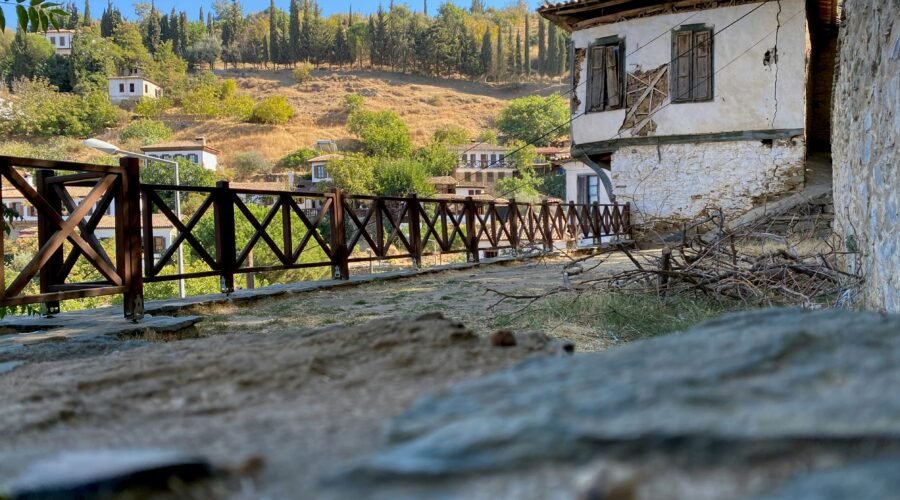
The main pleasure is walking through the old residential fabric rather than rushing between a long list of ticketed sights. Visit İzmir describes Şirince as a village known for traditional houses, cafés, fountains, and local fruit wine.
- April-May: Mild to warm weather makes uphill walking easier.
- June-August: Go early or later in the day to reduce heat exposure.
- September-October: Warm days and cooler evenings suit long walks and outdoor meals.
- November-March: Wear shoes with reliable grip because rain can make stone surfaces slick.
Visiting Ephesus From Şirince
Ephesus is the most important nearby archaeological site and is inscribed on the UNESCO World Heritage List. Its outdoor streets, theatre, and monuments make temperature and timing especially important in summer.
As checked on September 29, 2026, the official Ephesus site listing showed daily opening at 08:00 and standard closing at 18:45. It also listed 2026 night-museum sessions on Wednesday through Saturday, opening at 19:00 and closing at 23:00; seasonal arrangements can change after October 1.
Pro Tip: If you visit in hot weather, place Ephesus at the start or end of your day and use the middle hours for lunch, shaded village stops, or a rest. That reduces the amount of time spent walking exposed archaeological streets in peak heat.
Which Season Is Best for Your Travel Style?
The best season depends on what you value most. Weather, crowd tolerance, and trip style matter more than choosing a single “perfect” month.
| Travel style | Best period | Why |
|---|---|---|
| First-time visitor | April-May or September-October | Comfortable walking conditions without the strongest summer heat. |
| Sun-focused traveler | June-August | Very dry weather and long summer days, with much higher heat. |
| Wine and harvest interest | September | Warm weather overlaps with grape-harvest activity in the Selçuk district. |
| Quiet getaway | November-March | Lower seasonal demand, balanced by cooler temperatures and more rain. |
| Ephesus-heavy itinerary | April-May or October | Milder daytime temperatures make extensive outdoor walking easier. |
Frequently Asked Questions
What is the best time to visit Şirince, İzmir?
The best time to visit Şirince is usually April to May or September to October. These months offer milder walking weather than midsummer, while the village remains active with cafés, restaurants, shops, and wine houses.
When is Şirince busiest?
Şirince is generally busiest in summer and on weekends, public holidays, and popular day-trip periods. July and August combine hot, dry weather with peak leisure travel, so visiting on a weekday morning can make the narrow streets feel less crowded.
When is the quietest time to visit Şirince?
November through March is usually the quietest seasonal window. The trade-off is cooler, wetter weather, so winter works best if you value a peaceful village atmosphere more than long dry days outdoors.
Does it snow in Şirince?
Snow is not the normal winter pattern to plan around in Şirince. Regional climate normals show cool, rainy winters, so waterproof clothing and good walking shoes are generally more useful than preparing for regular snow cover.
Is September a good month for Şirince?
Yes. September is still warm and relatively dry, but it avoids some of the extreme midsummer heat. It also overlaps with grape-harvest activity in the Selçuk district, making it especially appealing for food and wine-focused trips.
Is there a Şirince Wine Festival or Olive Harvest Festival in 2026?
I could not verify official 2026 events under those exact Şirince festival names. Verified nearby 2026 events included EFEST in Selçuk on September 5-8 and the Gökçealan Osmancık Grape Festival on September 20, so those are safer dates to plan around.
Can you combine Şirince and Ephesus in the same trip?
Yes. Şirince is about 8 km east of Selçuk, and Ephesus is one of the area’s major nearby attractions. In warm weather, schedule Ephesus for the cooler part of the day and use the hottest hours for a meal or shaded stop in the village.
Sources
- Turkish State Meteorological Service: İzmir 1991-2020 climate normals used as the regional weather benchmark.
- T.C. Selçuk District Governorate: Şirince location, heritage, and village background.
- Visit İzmir: Şirince attractions and local-product context.
- UNESCO World Heritage Centre: Ephesus World Heritage status and site context.
- Türkiye Museums – Ephesus: current Ephesus opening and night-museum information.
- T.C. Selçuk Municipality – EFEST 2026: verified September 5-8, 2026 festival dates.
- Presidency of Religious Affairs: 2026 Turkish public-holiday dates.
”’
len(html.split()), len(re.findall(r’