If you’re deciding when to visit Chilliwack, British Columbia, the best choice depends on whether you care most about warm weather, lighter crowds, hiking, Cultus Lake, seasonal events, or saving money. For most first-time visitors, late May through mid-June or September offers the best balance of comfortable weather, outdoor access, daylight, and manageable crowds. July and August are warmer and drier, but they are also the busiest months for popular summer attractions.
Quick Answer
The best overall time to visit Chilliwack is usually late May to mid-June or September. Choose July or August if warm lake weather is your priority. Visit in October for fall colour and salmon viewing, while winter is best suited to quiet trips, indoor attractions, hockey, or nearby mountain recreation.
Key Takeaways
- Best overall: late May to mid-June and September.
- Warmest and driest: July and August.
- Best for Cultus Lake: July and August, with June often quieter.
- Best for hiking: late spring through early fall, depending on elevation and trail conditions.
- Best for fall scenery and salmon: October, with exact fish timing varying by species and stream.
- Best chance of lower prices and fewer tourists: late fall through early spring, although rates are never guaranteed.
Best Time to Visit Chilliwack by Travel Priority
| Your Priority | Best Time | Why |
| Best overall balance | Late May–mid-June or September | Comfortable weather, long enough days, and fewer peak-summer crowds. |
| Warmest weather | July–August | These are normally the warmest and among the driest months. |
| Cultus Lake and water attractions | July–August | Best odds of warm conditions for swimming and water-focused days. |
| Hiking | Late May–June and September | Comfortable temperatures with less midsummer heat. |
| Fall colour and salmon viewing | October | Cooler fall conditions and seasonal salmon activity around local waterways. |
| Quietest trip | November–March | Far fewer leisure travelers, but wetter weather and shorter days. |
1. Weather: Finding Your Sweet Spot
Chilliwack sits in British Columbia’s Fraser Valley and has relatively mild winters by Canadian standards, warm summers, and a pronounced wet season. Historical Environment and Climate Change Canada climate normals show that July and August are typically the warmest part of the year, while late fall and winter receive much more precipitation.
1.1 Summer: July and August
- Temperatures: Typical daytime highs are around the mid-20s°C, while overnight temperatures commonly fall into the low teens.
- Rain: July and August are normally among Chilliwack’s driest months, although showers and wetter stretches are still possible.
- Daylight: Long days give you plenty of time for hiking, lake activities, sightseeing, farm visits, and outdoor dining.
- Best for: Cultus Lake, water attractions, summer events, camping, and travelers who prioritize warmth.
Summer is the easiest season for building a full outdoor itinerary. Cultus Lake, local trails, farm experiences, and patios are all active, but weekends can be busy. Hot afternoons can also make exposed or steep hikes less comfortable, so early starts are often a better choice.
Warning: Wildfire smoke can occasionally affect air quality in British Columbia during summer. Smoke conditions can change quickly, so check current provincial air-quality information before strenuous outdoor activities and adjust your plans if warnings are in effect.
1.2 Autumn: September and October
- September: Often retains some summer warmth while offering a calmer atmosphere after the busiest holiday period.
- October: Cooler and generally wetter, but attractive for fall colour, farm activities, photography, and salmon viewing.
- Nights: Become noticeably cooler, so bring layers even when afternoons are pleasant.
September is one of the strongest all-around months for Chilliwack. You can still enjoy many outdoor activities without relying on peak-summer heat. By October, rain becomes a bigger planning factor, but the season brings harvest activities and wildlife-viewing opportunities.
1.3 Winter: November Through February
- Temperatures: Lowland winters are relatively mild compared with much of Canada, but freezing temperatures, frost, and occasional snow still occur.
- Rain: Winter is the wettest part of the year, so prolonged rain and grey periods are normal possibilities.
- Daylight: Shorter days reduce the amount of time available for outdoor sightseeing.
- Best for: Quiet city stays, cafés, indoor attractions, Chilliwack Chiefs hockey, and trips that include nearby winter recreation.
If skiing or snowboarding is part of your trip, nearby Sasquatch Mountain Resort operates seasonally and conditions depend on weather and snow. Always check the resort’s current operating status before driving into the mountains.
1.4 Spring: March Through May
- March: Still cool and frequently wet.
- April: Milder, greener, and increasingly active outdoors, although rain remains common.
- May: Usually much more comfortable for general sightseeing, cycling, farm visits, and lower-elevation hikes.
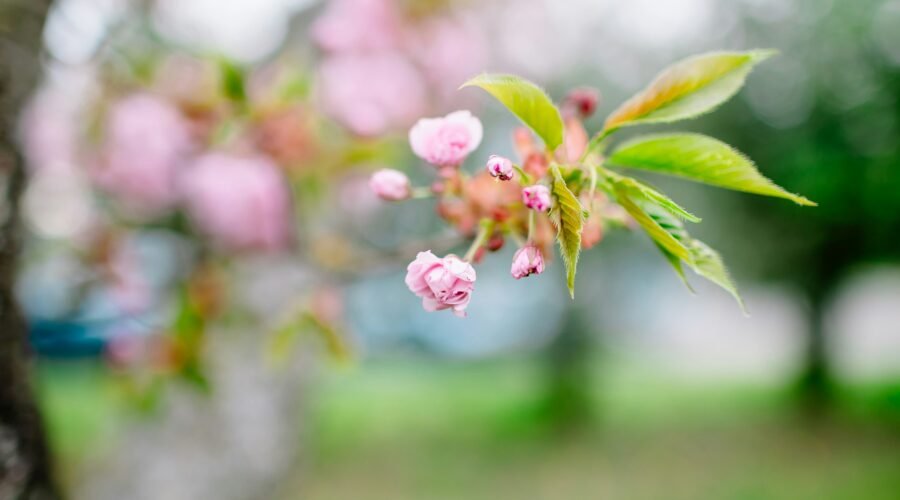
Spring is one of Chilliwack’s most photogenic seasons. Current flower experiences include the Botanica Flower Festival, formerly known as the Chilliwack Tulip Festival, along with other seasonal farm displays. Bloom timing depends on weather, so check the current year’s opening dates before making a flower festival the centerpiece of your trip.
2. Crowds: Avoiding the Rush
Chilliwack is not crowded on the scale of Canada’s biggest tourism destinations, but demand can still change significantly around summer weekends, Cultus Lake, festivals, school holidays, and major local events.
2.1 Peak Season: July and August
Cultus Lake and popular outdoor areas receive their heaviest recreational use during warm summer weekends. Trails such as Elk Mountain and Teapot Hill can also be busy during favorable weather. Accommodation inventory, campsites, parking, and popular attractions become harder to secure when several demand factors overlap.
If you plan to camp, visit a ticketed attraction, or travel over a holiday weekend, make reservations earlier than you would during spring or fall.
2.2 Shoulder Season: May to June and September to Early October
These periods usually offer the most appealing crowd-to-weather balance. May and June provide long days and an increasingly green landscape, while September often retains comfortable outdoor conditions after the main summer rush.
Specific flower festivals, concerts, farm events, and holiday weekends can still create localized crowds, so shoulder season should not be interpreted as empty.
Pro Tip: If your schedule is flexible, target a Tuesday-through-Thursday stay in June or September. You can often enjoy good outdoor conditions while avoiding the strongest weekend demand at lakes, trails, restaurants, and seasonal attractions.
2.3 Off-Peak Season: November Through April
Tourism activity is generally quieter during the wetter, cooler months. This can make sightseeing feel relaxed, but some outdoor attractions operate reduced schedules or close seasonally. Mountain and trail conditions can also differ sharply from conditions in downtown Chilliwack.
3. Costs: When Chilliwack May Offer Better Value
Travel prices are dynamic, so there is no month when the lowest hotel, rental, or car price is guaranteed. Your final cost depends on the day of the week, local events, holidays, booking lead time, cancellation rules, and remaining inventory.
3.1 July and August
- Accommodation: Summer weekends can have stronger demand, particularly when lake trips, festivals, and school holidays overlap.
- Camping: Popular sites may need advance reservations.
- Activities: Seasonal attractions are fully active, but the most popular dates can sell out or become crowded.
- Transportation: Compare rental-car prices early if your trip falls on a busy summer weekend.
3.2 May, June, September and Early October
Shoulder-season trips often provide a better balance of availability and weather. You may have more flexibility with accommodation and fewer crowds without giving up most outdoor activities.
Prices are not automatically cheaper, however. A festival, tournament, wedding weekend, or other local event can still raise demand.
3.3 November Through April
These months can provide better accommodation value and more last-minute availability, but you are trading warmer weather and long daylight hours for cooler, wetter conditions. Compare the actual rate for your dates rather than relying only on the season label.
For most travelers, the value sweet spot is not the absolute cheapest month. It is a period such as June or September when you still have good access to outdoor experiences without the strongest midsummer demand.
4. Events and Festivals
Events can completely change which month is best for you. Because festival names and dates change, treat the examples below as seasonal guidance and confirm the current calendar before booking.
4.1 Spring Highlights
- Botanica Flower Festival: The flower festival formerly known as the Chilliwack Tulip Festival is a major spring attraction. Exact opening and closing dates depend on bloom and weather conditions.
- Greendale Acres spring experiences: Seasonal flowers, farm activities, and family programming make spring a strong time for agricultural tourism.
- Farm markets: Local market activity increases as the growing season develops.
4.2 Summer Events
Summer has Chilliwack’s fullest event calendar. Verified 2026 examples included:
- Chilliwack Fair: August 7–9, 2026, with agriculture, entertainment, rodeo programming, food, and family activities.
- Chilliwack Mural Festival & Street Party: August 14–15, 2026 in Historic Downtown Chilliwack.
- Chilliwack Flight Festival: August 15–16, 2026 at Chilliwack Airport.
- Chilliwack Corn Festival: A seasonal Greendale Acres event held during August 2026.
Nearby Harrison Hot Springs also hosts the Harrison Festival of the Arts in July rather than spring. If you want to combine the two destinations, check the current Harrison Festival schedule before arranging your dates.
4.3 Autumn
- Salmon viewing: Fall brings salmon activity to streams and river systems around Chilliwack. Timing differs by species, but October and late fall can be particularly rewarding.
- Farm and harvest activities: Pumpkin patches, corn mazes, harvest events, and seasonal farm experiences become prominent.
- Fall walks: Cooler temperatures make riverside walks and lower-elevation trails comfortable when conditions are dry.
The Great Blue Heron Nature Reserve has salmon-spawning streams and describes chum, coho, and pink salmon activity during the late fall. Other local viewing areas can have different timing.
4.4 Winter
- Holiday events: Chilliwack hosts seasonal markets, displays, community events, and a Christmas parade. For example, the 2026 Chilliwack Christmas Parade was scheduled for November 28.
- Chilliwack Chiefs hockey: The BCHL season gives visitors an indoor evening activity during fall and winter.
- Nearby mountain recreation: Sasquatch Mountain Resort provides seasonal skiing and snowboarding when conditions allow.
5. Best Time Based on What You Want to Do
5.1 Hiking and Mountain Biking
Late May through June and September are usually the most comfortable periods for many outdoor activities. Summer can still be excellent, but hot afternoons may be uncomfortable on exposed or strenuous routes.
Remember that elevation matters. A trail near the valley floor may be clear while a higher mountain route still has snow, mud, storm damage, or seasonal hazards. Check current conditions before attempting demanding hikes.
5.2 Cultus Lake and Water Activities
July and August generally offer the warmest conditions for swimming, boating, and water-focused family trips. The official Cultus Lake Waterpark operates seasonally and advises that the early part of its summer season can be quieter than the busiest later-summer period.
June can therefore be appealing if you want a summer atmosphere with somewhat lighter crowds, although lake and air temperatures may be cooler than in midsummer.
5.3 Fishing
Fishing opportunities exist at different times of year, but the correct season depends on the species, exact river section, current openings, retention rules, and gear restrictions.
Do not rely on a general statement that spring or fall is automatically open for a particular fishery. Check the current British Columbia freshwater fishing regulations before fishing the Chilliwack/Vedder system and make sure you have the required licence and any applicable conservation stamp.
5.4 Bird Watching and Wildlife
Spring and fall are rewarding periods because wildlife activity changes with migration, breeding, and salmon seasons. The Great Blue Heron Nature Reserve is especially useful for bird watching and also contains salmon-spawning habitat.
5.5 Food, Farms and Local Produce
- Spring: Flower experiences, early crops, and reopening seasonal farms.
- Summer: Farmers’ markets, berries, corn, flowers, and a wide range of fresh produce.
- Autumn: Pumpkins, apples, corn mazes, harvest events, and farm-based family activities.
If farm-to-table experiences are a major reason for your trip, summer through early fall gives you the broadest seasonal selection.
5.6 Budget-Conscious Trips
Late fall, winter, and early spring may offer better accommodation availability and occasional off-season rates. However, compare live prices for your dates because special events and weekends can create exceptions.
If you want value without sacrificing outdoor conditions, June and September are often stronger compromises than the middle of winter.
5.7 Family Trips
July and August are the simplest choice for families focused on Cultus Lake Waterpark, Adventure Park, swimming, and full summer schedules.
Late May, June, and September work well for families who prefer hikes, farms, sightseeing, and outdoor exploration with fewer peak-season crowds.
6. Chilliwack Month-by-Month
| Month | What It Is Best For | Main Trade-Off |
| January | Quiet stays, hockey, nearby winter recreation | Wet weather and short days |
| February | Low crowds and winter trips | Cool, unsettled weather |
| March | Early spring and quieter sightseeing | Rain and variable trail conditions |
| April | Spring flowers and green scenery | Still frequently wet |
| May | Flowers, cycling, farms, lower-elevation hiking | Weather remains changeable |
| June | Excellent all-around outdoor travel | Not as consistently warm as July |
| July | Lake days, camping, long outdoor itineraries | Higher crowds and possible heat or smoke |
| August | Festivals, farms, Cultus Lake, family trips | Busy weekends and possible smoke |
| September | Best overall balance, hiking, farms | Cooler nights |
| October | Fall colour, salmon, pumpkin and harvest activities | Increasing rainfall |
| November | Quiet travel and late-fall wildlife opportunities | Wet and dark |
| December | Holiday events, hockey, winter recreation | Short daylight and variable winter conditions |
7. What to Check Before You Go
Even after choosing the right month, confirm conditions shortly before your trip. Seasonal information can change faster than a general travel guide can be updated.
- Weather: Check the short-range forecast, especially before hiking or lake days.
- Air quality: During wildfire season, review current British Columbia air-quality warnings.
- Attraction calendars: Confirm opening dates and hours for Cultus Lake attractions and seasonal farms.
- Events: Check the current City of Chilliwack and Tourism Chilliwack calendars because annual dates change.
- Fishing: Read the current regulations for the exact river section and species you intend to target.
- Mountain conditions: Verify snow, trail, road, and resort conditions before heading to higher elevations.
Note: Chilliwack’s valley weather does not necessarily describe conditions in the surrounding mountains. Temperatures, snow, visibility, and trail conditions can change quickly with elevation.
Overall, late May to mid-June and September are the easiest recommendations for travelers who want a balanced Chilliwack trip. Choose July or August when warm-weather lake activities matter more than crowds, and consider October when fall scenery, harvest activities, and salmon viewing are your main interests. Winter can still be rewarding, but it is better suited to travelers who are comfortable planning around rain, shorter daylight, and seasonal operations.
Sources
- Environment and Climate Change Canada — Canadian Climate Normals — supports seasonal temperature and precipitation guidance.
- Tourism Chilliwack — Spring Flower Experiences — current flower-festival naming and seasonal information.
- Tourism Chilliwack — Summer Events 2026 — supports current examples of summer festivals and event timing.
- Cultus Lake Waterpark — seasonal operation and visitor-planning information.
- Government of British Columbia — Freshwater Fishing Regulations Synopsis — current fishing closures, limits, gear rules, and Chilliwack/Vedder regulations.
- Government of British Columbia — Air Quality Warnings — current wildfire-smoke and air-quality guidance.
Frequently Asked Questions
What is the best overall time to visit Chilliwack, British Columbia?
Late May to mid-June and September are usually the best overall periods. They provide a strong balance of comfortable outdoor weather, long enough days, seasonal attractions, and lighter crowds than the busiest summer weekends.
When does Chilliwack have the warmest and driest weather?
July and August are typically the warmest months and are among the driest parts of the year. They are the best choice when swimming, lake activities, camping, and warm summer weather are your highest priorities.
When is peak tourist season in Chilliwack?
July and August are the main peak period for leisure travel, especially around Cultus Lake, summer attractions, camping areas, festivals, and warm-weather weekends. Holiday weekends and major events can be particularly busy.
What is Chilliwack’s shoulder season?
May through June and September through early October are the most useful shoulder-season periods. They generally combine decent outdoor conditions with lower demand than the height of summer.
When is the off-peak season in Chilliwack?
November through early spring is generally quieter. You may find better accommodation availability, but expect more rain, shorter daylight hours, cooler temperatures, and reduced schedules at some seasonal attractions.
What is the best time to see salmon in Chilliwack?
Fall is a strong season for salmon viewing, especially around October and later in the fall, but the exact timing depends on the salmon species and waterway. The Great Blue Heron Nature Reserve and other streams around the Chilliwack/Vedder system can provide viewing opportunities.
When should families visit Chilliwack and Cultus Lake?
July and August are best for families whose main goals are swimming, the waterpark, Adventure Park, and full summer programming. June or September can be better for families who prefer lighter crowds and outdoor sightseeing.
Should I worry about wildfire smoke when visiting Chilliwack in summer?
Wildfire smoke is not present every day or every summer, but it can affect British Columbia during fire season and conditions may change quickly. Check current provincial air-quality warnings before long hikes, strenuous activities, or outdoor trips.