So, you’re wondering about the best time to visit Pennsylvania? It’s a fair question, and the answer really depends on what you’re hoping to get out of your trip. If you want pleasant weather for exploring outdoors without fighting massive crowds, generally think late spring (May-June) or early fall (September-October). These shoulder seasons often hit that sweet spot for comfortable temperatures and slightly less competition for attractions and accommodations. But of course, there’s more to it than just that! Let’s break down the year to help you pinpoint your ideal Pennsylvania adventure.
Spring in Pennsylvania is a gradual affair, shaking off winter’s chill and ushering in a vibrant new season. It’s a time when nature puts on a show, and outdoor activities start becoming genuinely enjoyable again.
Mild Temperatures and Blooming Landscapes
As winter recedes, temperatures begin to climb steadily. You’ll find April can still be a bit unpredictable, with cooler days and the occasional late frost. However, by May and June, you’re looking at comfortably mild weather. Think daytime highs in the 60s and 70s Fahrenheit, perfect for strolling through historic towns, hiking in state parks, or enjoying a picnic.
Wildflowers and Greenery Galore
This is when Pennsylvania truly comes alive with color. State parks and forests explode with wildflowers – trillium, wildflowers, and a host of others paint the landscape. The trees are budding, and the entire state takes on a fresh, green hue. It’s a particularly beautiful time for photographers and nature enthusiasts.
Things Pick Up, But It’s Not Peak Season Yet
While it’s not the summer rush, you’ll notice more people out and about as the weather improves. Major attractions will start to get busier, especially on weekends. However, you’re unlikely to encounter the same level of crowds as you would in July or August. This offers a good balance for those who want to experience popular spots without feeling overwhelmed.
Easter Celebrations and Spring Festivals
Keep an eye out for Easter celebrations and various spring festivals that pop up throughout April and May. These can range from community egg hunts to more formal flower shows, offering a taste of local culture and traditions.
What to Pack: Layers are Key
Because spring can be a bit of a mixed bag weather-wise, layering is your best friend. Bring light jackets, sweaters, and a waterproof outer layer for those occasional spring showers. Comfortable walking shoes are essential, and don’t forget sunglasses and sunscreen.
If you’re planning a trip to Pennsylvania and want to make the most of your visit, you might also find our article on the “Best Time to Visit Pennsylvania: Weather, Crowds, and Costs” particularly helpful. This guide provides insights into the ideal seasons for travel, tips on avoiding crowds, and a breakdown of potential costs associated with your trip. For more information on travel guidelines and policies, you can check out our terms and conditions.
2. Summer: The Heart of the Outdoors and Bustle
Summer in Pennsylvania is all about long days, warm nights, and a surge of outdoor activity. It’s when the state is at its most vibrant, and many of its most popular attractions are in full swing.
Warm to Hot Weather and Sunshine
June, July, and August are generally the warmest months. Expect daytime temperatures to frequently reach into the 80s and even 90s Fahrenheit, often accompanied by sunshine. Humidity can be a factor, especially in the southern parts of the state, so be prepared for some sticky days. Evenings are pleasant and can be enjoyed outdoors without much need for extra warmth.
Peak Season for Tourism and Crowds
This is undoubtedly peak tourist season for many of Pennsylvania’s prime destinations. Cities like Philadelphia and Pittsburgh see a steady stream of visitors, and popular vacation spots, especially those near water or with outdoor recreation, will be at their busiest. Expect longer lines at major attractions, fuller hotels, and more traffic, particularly on weekends and around holidays.
A Flood of Festivals and Outdoor Events
Summer is a festival season. From music festivals and food fairs to county fairs and historical reenactments, there’s always something happening. Major cities often have outdoor concert series, and many small towns host their own unique summer celebrations. This is a great time to experience local flavor.
Water Activities and National Parks
If you enjoy water, summer is your prime time for hitting the lakes and rivers. Boating, swimming, and fishing are popular. Pennsylvania’s extensive network of state and national parks is also buzzing with activity. Hiking trails will be well-trodden, and campgrounds will likely be fully booked months in advance.
Costs Tend to Be Higher
As with most destinations during their peak season, you can expect to see higher prices for accommodations and sometimes even for attraction tickets. Flights might also be more expensive if you’re coming from afar. Booking your lodging and any sought-after tours well in advance is highly recommended to secure better rates and availability.
What to Pack: Light and Breathable
Pack light, breathable clothing like shorts, t-shirts, and sundresses. Sun protection is crucial: hats, sunglasses, and plenty of sunscreen are non-negotiable. Don’t forget swimwear if you plan on visiting beaches or water parks. A reusable water bottle is also a good idea to stay hydrated in the heat.
3. Fall: A Spectacle of Color and Crisp Air

Fall is often lauded as Pennsylvania’s most beautiful season, and for good reason. The foliage transformation is spectacular, and the cooler, crisper air makes it ideal for exploring.
Gorgeous Foliage and Cooling Temperatures
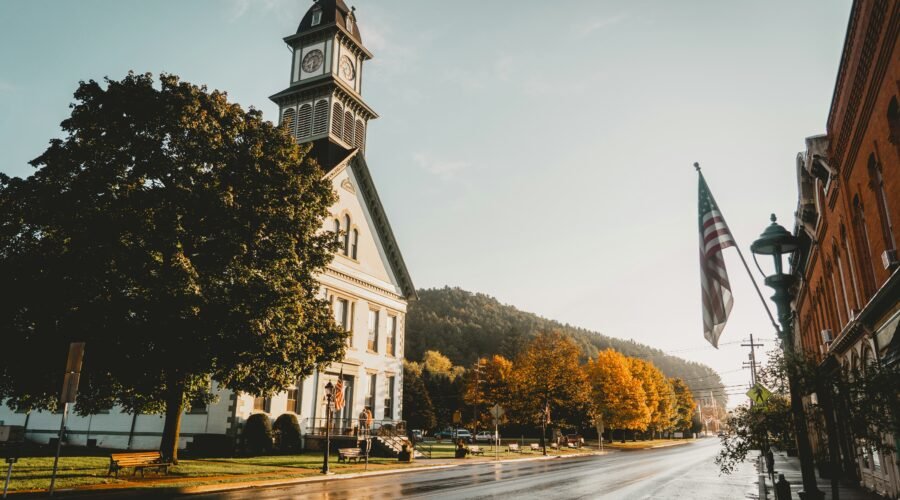
The star of the show in fall is the foliage. By late September and through October, the state’s deciduous forests are ablaze with vibrant reds, oranges, and yellows. The change usually starts in the northern and higher elevations and moves south. Accompanying this visual feast are much cooler and more pleasant temperatures. Daytime highs typically range from the 50s to 70s Fahrenheit, with evenings becoming quite crisp.
A Sweet Spot for Fewer Crowds and Moderate Costs
While fall foliage draws its own crowds, especially to well-known scenic routes, it’s generally not as intensely crowded as the peak summer months. You’ll find a more relaxed atmosphere at many attractions. Accommodation prices often start to decrease after Labor Day, offering a good value proposition, though popular fall destinations and during peak foliage can still command higher rates.
Apple Picking, Pumpkin Patches, and Harvest Festivals
Fall in Pennsylvania is synonymous with harvest. Apple orchards are in full swing with U-pick opportunities, and pumpkin patches are a must-visit for many families. Numerous harvest festivals and Oktoberfest celebrations pop up throughout September and October, offering a chance to indulge in seasonal treats and enjoy local crafts.
Hiking and Outdoor Exploration Without the Heat

The cooler temperatures make fall an absolutely perfect time for hiking, biking, and exploring the state’s natural beauty. The crisp air is invigorating, and the stunning fall colors provide a breathtaking backdrop for any outdoor activity. This is when many locals and visitors alike flock to state parks and scenic drives.
The “Leaf Peeping” Phenomenon
If your primary goal is to witness the fall foliage, timing is crucial. The peak typically occurs between the second and fourth weeks of October, but this can vary by region and year. It’s wise to check foliage reports closer to your travel dates. Popular spots like the Pennsylvania Wilds, Pocono Mountains, and areas around the Allegheny National Forest are prime destinations.
What to Pack: Versatile Layers
Fall weather demands a versatile wardrobe. Pack sweaters, fleeces, long-sleeved shirts, and a good medium-weight jacket. Jeans or comfortable trousers are perfect. A waterproof and windproof outer layer is advisable for those cooler, possibly damp days. Don’t forget comfortable walking shoes for those scenic strolls.
4. Winter: A Quieter, Cozy Season
| Month | Weather | Crowds | Costs |
|---|---|---|---|
| March – May | Mild temperatures, blooming flowers | Low to moderate | Moderate |
| June – August | Warm to hot, occasional thunderstorms | High | High |
| September – November | Cool temperatures, fall foliage | Low to moderate | Moderate |
| December – February | Cold temperatures, occasional snow | Low | Low |
Winter in Pennsylvania offers a different kind of charm – a quieter, more introspective season perfect for cozy indoor activities and enjoying the stark beauty of snow-covered landscapes.
Cold Temperatures and Potential for Snow
Winter in Pennsylvania is undeniably cold. December through February are the chilliest months, with average temperatures often dipping below freezing. You can expect snow, especially in the western and northern regions, though the amount can vary significantly from year to year. Days are shorter, and the landscape can be quite stark and beautiful under a blanket of white.
Lower Crowds and Potential for Bargains
This is the off-season for tourism in most of Pennsylvania. Cities might see some holiday shoppers in December, but generally, you’ll find significantly fewer crowds at attractions and museums. This can translate into lower accommodation prices and potential deals on flights, especially outside of the Christmas and New Year’s holiday window.
Winter Sports and Cozy Indoor Pursuits
If you enjoy winter sports, this is your chance. Ski resorts in the Poconos and other mountainous areas offer opportunities for skiing, snowboarding, and cross-country skiing. For those who prefer to stay warm, winter is perfect for exploring museums, art galleries, enjoying theatrical performances, or indulging in the cozy ambiance of charming cafes and restaurants.
Holiday Markets and Festive Decorations
December, in particular, brings a festive spirit. Many cities and towns host charming holiday markets, and the decorations can be quite impressive. Philadelphia and Pittsburgh often have tree lightings and other holiday events. It’s a magical time for those who embrace the cold and enjoy the holiday cheer.
Dealing with Weather and Limited Accessibility
The biggest consideration for visiting in winter is the weather. Snowstorms can cause travel disruptions, especially for driving. It’s essential to stay informed about weather forecasts and road conditions. Some outdoor attractions might have limited hours or be closed entirely.
What to Pack: Extreme Warmth is Essential
When packing for a Pennsylvania winter, prioritize warmth above all else. Thermal base layers, thick sweaters, insulated pants, a heavy winter coat, waterproof boots with good traction, gloves, and a warm hat are absolute necessities. Scarves are also invaluable for keeping out the chill.
If you’re planning a trip to Pennsylvania, you might also be interested in exploring the various attractions and activities the state has to offer throughout the year. For more insights on travel planning, check out this informative article on travel tips that can help enhance your experience while visiting. Understanding the best times to visit, along with the local weather patterns, can significantly impact your enjoyment and overall trip costs.
5. Shoulder Seasons: The Sweet Spots
The shoulder seasons are often where the magic truly happens for many travelers, offering a fantastic balance of appealing weather, manageable crowds, and more reasonable prices.
Late Spring (May-June) – Blooming Outdoors and Gentle Warmth
As we touched on earlier, late spring is a fantastic time. The weather is reliably getting warmer, with those pleasant 60s and 70s Fahrenheit becoming the norm. Nature is fully awake and vibrant. Crowds are starting to build but are far from overwhelming. It’s an excellent period for exploring cities on foot without the oppressive summer heat or venturing into state parks before the peak season rush. Prices for accommodation are generally moderate, offering good value.
Early Fall (September-October) – Foliage and Crisp Air
Early fall is another prime candidate for the “best time to visit.” The oppressive humidity of summer has dissipated, replaced by crisp, refreshing air. The stunning fall foliage begins its show, offering breathtaking scenery. While popular foliage viewing spots will attract more visitors, the overall atmosphere is more relaxed than in the summer. Hotel rates can be quite reasonable, especially if you avoid peak foliage weekends in the most popular scenic areas. This is perfect for hiking, exploring historic sites, and enjoying outdoor activities without breaking a sweat.
Avoiding Peaks and Finding Value
The beauty of the shoulder seasons lies in their ability to offer the best of both worlds. You get to enjoy pleasant weather that’s ideal for outdoor exploration, but you sidestep the peak season prices and the frustration of long queues. It requires a little foresight (booking a bit in advance is still wise), but the rewards are often significant.
Transition Periods Require Flexibility
It’s worth remembering that these are transition periods. Late spring might still have a cooler day or two, and early fall can see an early frost. Being prepared with layers is always a good strategy, no matter when you visit. However, the likelihood of extreme weather events is much lower compared to the heart of winter or a sweltering summer.
What to Pack: Versatile and Adaptable
For both late spring and early fall, a versatile layering approach is key. Think t-shirts, long-sleeved shirts, sweaters, a light to medium-weight jacket, and perhaps a waterproof outer shell. Comfortable walking shoes are essential for exploring. For early fall, adding a slightly warmer layer or a fleece might be a good idea as the evenings can turn quite chilly.
6. Things to Consider Beyond the Seasons
While the calendar months offer a general guide, there are other factors that can influence your decision on when to visit Pennsylvania. Thinking about these will help you refine your travel plans.
Specific Event and Holiday Calendars
Are you interested in a particular event? Philadelphia’s Independence Day celebrations are world-renowned, and the city buzzes with energy around July 4th. Christmas markets in towns like Bethlehem will draw crowds in December. If a specific festival, concert, or sporting event is your main draw, your travel dates will be dictated by that. Be aware that major holidays and popular events will increase crowds and potentially costs, even if they fall outside the general “peak” seasons.
Your Tolerance for Weather
Ultimately, your personal comfort level with different weather conditions plays a huge role. If you despise humidity and heat, summer is likely not your ideal time for extensive outdoor exploration. Conversely, if you find anything below 50 degrees Fahrenheit unbearable, aiming for mid-winter might not be the best choice. Consider how you best enjoy travel and let that guide your seasonal selection.
Budget and Accommodation Availability
As we’ve discussed, timing significantly impacts costs. If budget is a primary concern, aiming for the shoulder seasons or even the off-season (winter, excluding holidays) can lead to substantial savings on flights and accommodation. However, be realistic about what you might be sacrificing, such as optimal weather or access to all outdoor activities. Booking well in advance is always a good strategy for securing better rates, regardless of the season.
Interest in Specific Activities
Are you primarily interested in skiing? Then winter is your obvious choice. Do you dream of hiking through colorful forests? Fall is calling. If exploring historical sites and museums is your main goal, then spring, fall, or even winter can be excellent, as these offer a less crowded experience for indoor attractions. Your intended activities should be a strong guiding factor in your decision.
Navigating School Holidays
Families will often plan trips around school breaks. This means that popular family destinations and attractions can experience heightened activity during periods like spring break, summer vacation, and winter holidays, even if those fall within generally quieter months for other traveler types. Anticipate this if you are traveling with children or prefer to avoid family-heavy crowds.
So, to circle back to the initial question: the “best” time to visit Pennsylvania is subjective and depends entirely on your priorities. Whether you’re chasing sunshine and festivals, vibrant autumn colors, cozy winter charm, or the fresh bloom of spring, Pennsylvania offers something appealing throughout the year. By considering the weather, crowds, costs, and your own interests, you can pinpoint the perfect time for your memorable trip.
FAQs
1. What is the best time to visit Pennsylvania in terms of weather?
The best time to visit Pennsylvania in terms of weather is during the spring (April to June) and fall (September to October) when the temperatures are mild and the foliage is at its peak.
2. When is the peak tourist season in Pennsylvania?
The peak tourist season in Pennsylvania is during the summer months (July and August) when the weather is warm and schools are on break, leading to increased crowds and higher accommodation costs.
3. What is the off-peak season in Pennsylvania?
The off-peak season in Pennsylvania is during the winter months (December to February) when the weather is cold and there are fewer tourists, making it a good time to visit for those looking to avoid crowds and save on accommodation costs.
4. Are there any specific events or festivals that make certain times of the year better to visit Pennsylvania?
Pennsylvania hosts various events and festivals throughout the year, such as the Philadelphia Flower Show in March, the Pennsylvania Renaissance Faire in the summer, and Oktoberfest celebrations in the fall, making these times of the year particularly appealing for visitors.
5. How does the cost of visiting Pennsylvania vary throughout the year?
The cost of visiting Pennsylvania varies throughout the year, with higher accommodation costs and potential for increased attraction prices during the peak tourist season in the summer, while off-peak seasons in the winter and early spring may offer more affordable options for travelers.