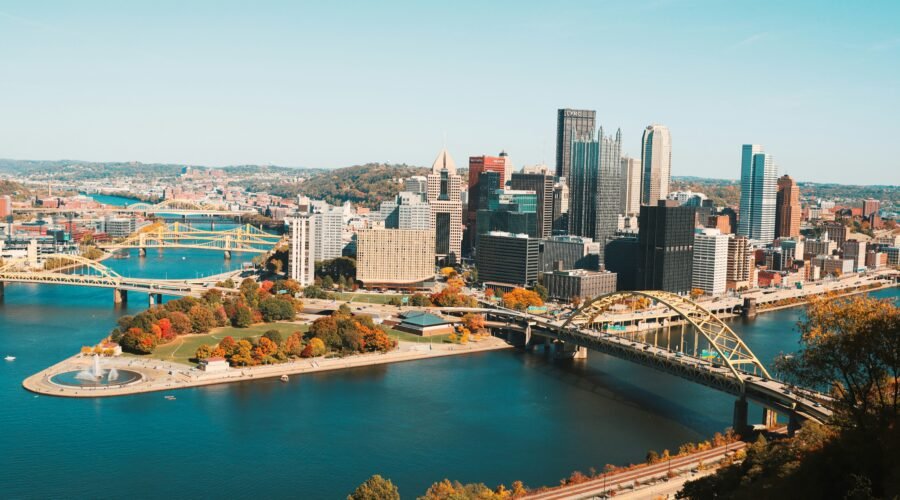
Choosing the best time to visit Pittsburgh depends on what matters most to you: comfortable walking weather, summer festivals, fall foliage, lower-key sightseeing, or indoor museums. For the easiest all-around trip, May and late September through mid-October are especially appealing because temperatures are generally comfortable and plenty of indoor and outdoor attractions are available.
Quick Answer
The best time to visit Pittsburgh for a balance of comfortable weather and outdoor sightseeing is usually May or late September through mid-October. Summer is better for festivals, baseball, river activities, and long days, while winter works well for museums, holiday attractions, and travelers who do not mind cold weather.
Key Takeaways
- Best overall weather: May and late September through mid-October.
- Best for festivals and outdoor activities: June through August.
- Best for fall color: October is a strong target, but peak foliage varies from year to year.
- Best for indoor attractions: Winter, when museums and cultural venues become especially useful on cold days.
- Best budget strategy: Compare several dates rather than relying on one “cheap season,” because sports, conventions, concerts, festivals, and holidays can change hotel prices quickly.
Pittsburgh Weather, Crowds, and Costs by Season
Pittsburgh has four distinct seasons. According to VisitPITTSBURGH’s NOAA-sourced climate information, average highs range from around 39°F in January to 85°F in July. Spring and fall give you the mildest conditions for long walking days, while summer offers the fullest warm-weather activity calendar.
| Season | Typical High / Low | Crowd Pattern | Cost Considerations |
| Spring March-May |
March 51/31°F April 64/41°F May 73/51°F |
Generally manageable, but large events can create busy weekends. | Often worth comparing with summer dates; event weekends can still be expensive. |
| Summer June-August |
June 81/60°F July 85/65°F August 84/63°F |
Busy festival and outdoor-event period. | Popular weekends may command higher hotel rates; reserve early for major events. |
| Fall September-November |
September 78/56°F October 65/45°F November 53/35°F |
Comfortable sightseeing season, with busy sports, festival, and foliage weekends possible. | Rates vary sharply around football games, festivals, concerts, and other major events. |
| Winter December-February |
December 43/28°F January 39/23°F February 42/24°F |
Often quieter for general sightseeing outside holidays and major events. | Potential value is possible, but holidays and sports weekends can raise demand. |
Note: Weather averages are planning guides, not forecasts. Pittsburgh can have quick temperature changes, rain, summer thunderstorms, and occasional winter snow or ice. Check the forecast again shortly before your trip.
Spring: Mild Weather and a City Coming Back to Life
Spring in Pittsburgh is a good fit if you want comfortable sightseeing without committing to summer heat. March can still feel wintry, but conditions become much more inviting through April and May as parks and gardens turn green.
Pleasant Temperatures for Exploring
April averages about 64°F during the day and 41°F at night, while May rises to roughly 73°F and 51°F. Those temperatures work well for exploring neighborhoods, parks, riverfront paths, museums, and outdoor attractions. You may be comfortable in a T-shirt during a sunny afternoon and still want a jacket after sunset.
Fewer Crowds, More Flexibility
Spring can feel calmer than the busiest festival weekends of summer, especially when you travel outside major events. However, Pittsburgh’s visitor demand is highly event-driven, so do not assume every spring weekend will be quiet. Concerts, college events, conventions, sports, and large citywide gatherings can change hotel availability and parking conditions.
For attractions such as Phipps Conservatory, Carnegie Museum of Art, Carnegie Museum of Natural History, The Andy Warhol Museum, and Pittsburgh’s inclines, check current operating information and ticket requirements before arriving rather than relying on seasonal assumptions about lines.
Spring Events, Gardens, and Outdoor Time
Spring starts the transition toward Pittsburgh’s outdoor-event season. Gardens begin blooming, parks become easier to explore, and riverfront walking and biking become more comfortable as temperatures rise.
Phipps Conservatory and Botanical Gardens is especially well suited to spring because its glasshouse and outdoor gardens give you options in both good and rainy weather. Outdoor markets and neighborhood events also begin appearing more frequently as the season progresses.
What to Pack for Pittsburgh in Spring
Layers are the safest approach. Bring comfortable walking shoes, T-shirts, a long-sleeved layer, a light or medium jacket, and something waterproof. A compact umbrella or rain jacket is useful because spring showers are common enough to affect an outdoor itinerary.
If you’re planning a broader Pittsburgh itinerary, Lele Tours can help you explore additional attraction and activity ideas alongside this seasonal guide.
Summer: Festivals, River Activities, and Long Days
Summer is Pittsburgh’s most active warm-weather season. Outdoor concerts, festivals, baseball, neighborhood celebrations, river activities, and patio dining all become easier to build into a trip. The tradeoff is warmer weather and greater competition for hotels and parking on major event weekends.
Warmest Weather for Outdoor Fun
Average highs are about 81°F in June, 85°F in July, and 84°F in August, with average lows around 60°F to 65°F. Humid days and hotter spells are possible, so schedule demanding outdoor activities earlier in the day when the forecast calls for heat.
Pittsburgh’s three rivers open up several warm-weather options, including kayaking and sightseeing cruises. Cyclists can also use Pittsburgh as the western end of the Great Allegheny Passage, which ends at Point State Park.
Busy Event Weekends
Summer brings a lively atmosphere, but it is more useful to think in terms of specific event weekends than to assume every summer day is equally crowded. A large festival, concert, Pirates series, convention, or other citywide event may have a much bigger effect on hotel rates and parking than the month itself.
Pro Tip: Before locking in a summer weekend, check Pittsburgh’s event calendar and the schedules for the attractions or sports venues you plan to visit. Moving a trip by even a few days can sometimes give you easier reservations and more hotel choices.
A Packed Calendar of Events
The Dollar Bank Three Rivers Arts Festival is one of Pittsburgh’s signature early-summer cultural events. Its exact schedule can change from year to year, so verify the current dates before booking specifically for the festival.
July also traditionally brings the Pittsburgh Vintage Grand Prix, while baseball, neighborhood festivals, outdoor concerts, food events, and riverfront activities continue throughout the warmer months.
What to Pack for Pittsburgh in Summer
Choose lightweight, breathable clothing and comfortable walking shoes. Pack sunscreen, sunglasses, a hat, and a reusable water bottle. A compact rain jacket or umbrella can help with passing showers or thunderstorms, while a thin sweater or light jacket is useful for air-conditioned attractions and cooler evenings.
Fall: Comfortable Sightseeing and Changing Leaves

Fall is one of Pittsburgh’s easiest seasons for mixing outdoor sightseeing with museums, sports, festivals, and neighborhood exploration. September can still feel warm, while October brings cooler afternoons and a stronger chance of fall color.
Crisp Air and Fall Foliage
September averages about 78°F during the day and 56°F at night. October drops to around 65°F and 45°F, while November averages about 53°F and 35°F.
The city’s hills and green spaces, including Frick Park and Schenley Park, can become especially scenic as leaves change. However, there is no guaranteed peak-foliage weekend. Temperature, rainfall, elevation, and tree species all affect timing.
The Pennsylvania Department of Conservation and Natural Resources publishes weekly fall foliage reports during the season, making those updates more useful than choosing a trip from a fixed calendar date.
Comfortable Temperatures for Sightseeing
September and October are particularly good for visitors who expect to spend hours walking. You can explore riverfront areas, outdoor markets, neighborhoods, parks, and viewpoints without the typical midsummer heat. By November, colder mornings and evenings become more common.
Fall Festivals, Sports, and Arts
Fall brings football, community festivals, Oktoberfest-style celebrations, seasonal markets, and cultural events. The Pittsburgh International Jazz Festival is a major September event, although its dates should always be checked for the year you plan to travel.
Fall 2026 is also an unusually strong period for art-focused visitors. The 59th Carnegie International, If the word we, runs from May 2, 2026, through January 3, 2027, at Carnegie Museum of Art and partner locations.
What to Pack for Pittsburgh in Fall
Bring layers you can add or remove during the day. T-shirts, long-sleeved shirts, sweaters, comfortable shoes, and a medium-weight jacket work well for most September and October itineraries. Later in the season, add a warmer coat, scarf, or hat.
Winter: Museums, Holiday Atmosphere, and Cold Weather

Winter is colder and less predictable for outdoor sightseeing, but Pittsburgh still has plenty to do if museums, food, holiday attractions, sports, and indoor cultural experiences are high on your list.
Colder Temperatures and Possible Snow
December averages about 43°F during the day and 28°F at night. January is the coldest month, averaging about 39°F and 23°F, while February averages approximately 42°F and 24°F. Snow and icy conditions are possible, so build some flexibility into outdoor plans.
Quieter Sightseeing, With Important Exceptions
Winter can provide a slower sightseeing experience outside major holidays and event weekends. However, do not assume that every winter date will have cheap hotels or empty attractions. Steelers games, Penguins games, conventions, concerts, holiday weekends, and special events can create localized demand.
Holiday Spirit and Indoor Activities
From roughly mid-November through the end of February, the Plaza at PPG Place is transformed into the UPMC Rink at PPG Place. Holiday decorations, seasonal events, and indoor dining also make late November and December appealing for visitors who enjoy a festive city atmosphere.
Cold or wet days are a good opportunity to explore Carnegie Museum of Art, Carnegie Museum of Natural History, The Andy Warhol Museum, Phipps Conservatory, and the Kamin Science Center, the current name of the former Carnegie Science Center.
What to Pack for Pittsburgh in Winter
Bring a warm coat, hat, scarf, gloves, and shoes or boots with good traction. Waterproof footwear is especially useful when snow, slush, or rain is in the forecast. Thermal base layers and sweaters make it easier to move between cold outdoor conditions and heated indoor attractions.
Best Time to Visit Pittsburgh by Travel Style
- For mild weather: May or late September through mid-October.
- For festivals: June through September offers the broadest selection of major outdoor events.
- For kayaking and river activities: Late spring through early fall, depending on the operator and weather.
- For biking: Spring and fall often provide more comfortable temperatures than midsummer.
- For fall foliage: October is a sensible target, but check Pennsylvania’s weekly foliage report before your trip.
- For museums and indoor culture: Any season works, but winter makes indoor attractions particularly valuable.
- For holiday atmosphere: Late November through December.
- For budget-focused travelers: Compare flexible dates in spring, late fall, and winter while avoiding major sports, festival, convention, and holiday weekends.
If you want one simple recommendation, choose May for spring greenery or late September through mid-October for cooler walking weather and the beginning of Pittsburgh’s fall atmosphere.
The “X-Factor” Times: Special Reasons to Choose Certain Dates
Weather is only one part of choosing when to visit Pittsburgh. A particular festival, exhibition, sports weekend, or food event may matter more to you than the seasonal averages.
The Golden Triangle of Events: Late Spring to Early Fall
From late May into September, Pittsburgh has its broadest mix of outdoor festivals, concerts, baseball, river recreation, community events, and open-air dining. If a busy event calendar is more important to you than avoiding crowds, this is an excellent window to consider.
Art and Culture Focused Visits
Pittsburgh’s major museums operate throughout the year, so an art-focused trip does not require warm weather. Special exhibitions can make particular dates much more attractive, though. For example, the 59th Carnegie International runs through January 3, 2027, giving 2026 visitors an unusually strong reason to include Carnegie Museum of Art.
The Dollar Bank Three Rivers Arts Festival is another major cultural draw during the warmer season, but always verify its exact annual dates rather than assuming the same schedule each year.
Foodie Adventures
Pittsburgh’s restaurants are worth exploring in every season. Summer and early fall add farmers markets, patios, neighborhood festivals, and outdoor food events, while colder months are a good excuse to focus on restaurants, cafés, breweries, and indoor markets.
Budget Travel Nuances
There is no single guaranteed cheapest month. Hotel rates depend on demand, and Pittsburgh can become much more expensive around large events even during a normally quieter season.
If price matters, search several nearby dates, compare weekday and weekend stays, and look at the city’s event and sports calendars before booking. Late January through March can sometimes provide more hotel availability outside event periods, while April-May and parts of fall can offer a useful balance between weather and demand.
Getting a Feel for Local Life
Neighborhood exploration can be rewarding year-round. Spring brings gardens and the return of outdoor activity, summer fills patios and public spaces, fall mixes neighborhood events with football season, and winter shifts more social activity indoors.
Avoiding a major citywide event can make everyday Pittsburgh easier to experience, while deliberately booking during a neighborhood festival can give you the opposite experience: more activity, more people, and a stronger sense of local celebration.
For more background on the people producing the travel guidance on this site, you can also meet the Lele Tours team.
Frequently Asked Questions
What is the best time of year to visit Pittsburgh, Pennsylvania?
May and late September through mid-October are excellent all-around choices because temperatures are generally comfortable for walking and outdoor sightseeing. Summer is better if festivals, baseball, river activities, and a busy event calendar are your priorities.
What is the weather like in Pittsburgh throughout the year?
Pittsburgh has four distinct seasons. January averages about 39°F for the high and 23°F for the low, while July averages about 85°F and 65°F. Spring and fall are milder, and rain is possible throughout the year.
When is Pittsburgh busiest for visitors?
Warm-weather months have a busy schedule of festivals, sports, concerts, and outdoor activities, but Pittsburgh’s demand is strongly event-driven. A major sports weekend, convention, concert, festival, or holiday can matter more than the season itself.
When can I save money on a Pittsburgh trip?
Quieter periods in winter, spring, or late fall can sometimes offer more hotel choices, but there is no guaranteed cheapest season. Compare several dates and check the event calendar because large events can quickly increase demand.
When is the best time to see fall foliage in Pittsburgh?
October is a good month to target, but peak color changes each year. Pennsylvania DCNR publishes weekly fall foliage reports during the season, so check the current report shortly before your visit.
What are some popular annual events in Pittsburgh?
Major examples include the Dollar Bank Three Rivers Arts Festival in early summer, the Pittsburgh Vintage Grand Prix in July, the Pittsburgh International Jazz Festival in September, and the Pittsburgh International Auto Show, which is commonly held during winter. Exact dates can change each year, so verify them with the official organizers before booking.
What should I pack for a Pittsburgh trip?
Comfortable walking shoes are useful in every season. Add a rain layer in spring, lightweight clothing and sun protection in summer, sweaters and a jacket in fall, and a warm coat, gloves, hat, and weather-resistant footwear in winter.
Sources
- VisitPITTSBURGH — Pittsburgh Weather — monthly average temperatures, seasonal weather, and packing guidance sourced to NOAA.
- Pennsylvania Department of Conservation and Natural Resources — Fall Foliage Reports — seasonal foliage timing and weekly updates.
- Pittsburgh Cultural Trust — Dollar Bank Three Rivers Arts Festival — official festival information and dates.
- Carnegie Museum of Art — 59th Carnegie International — current 2026-2027 exhibition dates and information.
- Pittsburgh Vintage Grand Prix — official annual race-weekend information.
- PPG Place — The Plaza and UPMC Rink — official winter skating information.