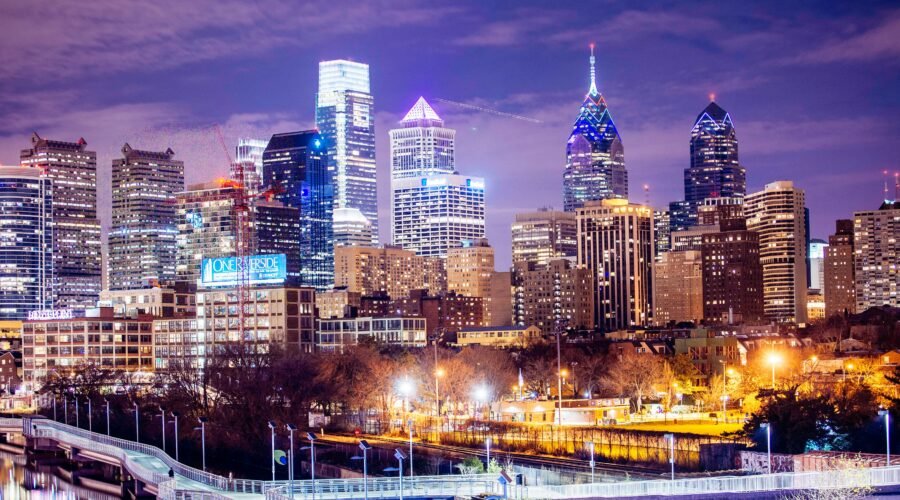
Philadelphia works well in every season, but the experience changes a lot with the weather, crowds, hotel demand, and events. For most travelers, spring and fall are the easiest times to explore on foot. Summer brings the biggest outdoor celebrations along with heat and humidity, while winter offers holiday atmosphere, indoor attractions, and quieter periods between major events.
Quick Answer
For most travelers, the best time to visit Philadelphia is April through May or September through October. These months usually offer comfortable walking weather and avoid the most intense summer heat. Choose late March or early November for lighter crowds and potentially better hotel value, but expect more variable weather.
Key Takeaways
- Best overall: April-May and September-October for comfortable sightseeing weather.
- Best for lighter crowds: Late March, early November, and many winter weekdays outside holiday periods.
- Best for major celebrations: Summer, especially around Independence Day, but plan for heat and heavier demand.
- Best for fall color: October, with peak foliage timing changing from year to year.
- Best value: Often winter outside the holiday season, though hotel prices can jump around conventions, sports, and major city events.
1. Spring: Mild Weather and Easy Sightseeing
Spring is one of Philadelphia’s most comfortable seasons for travelers who want to spend a lot of time outside. Parks and street trees begin to bloom, outdoor dining returns, and temperatures are usually easier for long walks than in midsummer. Weather can still change quickly, so a light rain layer and a warmer evening layer are useful.
April: A Taste of Things to Come
April is a transition month, but it is often a very good choice for history-focused trips. According to the National Weather Service’s 1991-2020 climate normals for Philadelphia International Airport, April has a normal high of about 64.7°F and a normal low of about 44.3°F. That makes midday walking comfortable on many days, while mornings and evenings can still feel chilly.
- Weather Watch: Expect a mix of mild afternoons, cool nights, rain chances, and occasional unusually warm or cold days. Pack layers rather than relying on one heavy coat.
- Crowd Factor: Visitor activity starts to increase as spring events return, but many days feel more manageable than peak summer holiday periods.
- What to Do: Walk Old City, visit Independence Hall and the Liberty Bell, explore Society Hill, or spend time in Rittenhouse Square and Fairmount Park. Spring weather also works well for neighborhood food stops in South Philadelphia.
- Foodie Alert: Outdoor tables begin to return, farmers’ markets gain more spring produce, and walking between restaurants is more comfortable than during the hottest part of summer.
Pro Tip: Independence Hall uses timed tickets during many operating periods. The National Park Service says reservations may be made up to 30 days ahead, with a $1 administrative fee per ticket when tickets are required. Check the official NPS ticket page before your visit. The Liberty Bell Center does not require a ticket.
May: The Peak of Pleasantness
May is one of the strongest all-around months for a Philadelphia trip. NWS climate normals show a normal high of about 74.4°F and a normal low of about 54.2°F. Days are longer, gardens are fuller, and warm afternoons are common without the persistent midsummer heat.
- Weather Watch: Expect warm afternoons and cooler evenings, with showers still possible. “Pleasant” does not mean rain-free, so keep a compact rain layer handy.
- Crowd Factor: Weekends, graduations, festivals, and special events can increase demand, but May generally offers an appealing balance between activity and comfort.
- What to Do: Walk or bike the Schuylkill River Trail, picnic in Fairmount Park, explore the Italian Market, visit museum districts, and enjoy rooftop or beer-garden season.
- Foodie Alert: Spring menus, outdoor seating, and seasonal produce make May especially good for travelers who want to combine sightseeing with neighborhood dining.
If you’re planning a full Philadelphia itinerary, pair the seasonal advice in this guide with a separate attractions plan covering historic sites, museums, neighborhoods, local dining, and any ticketed experiences you want to reserve.
2. Summer: Heat Waves and Holiday Happenings
Summer gives Philadelphia long daylight hours, outdoor festivals, baseball, waterfront activity, and some of the city’s largest annual celebrations. The tradeoff is heat and humidity. June is often easier for extended walking than July or August, while high-demand weekends can also bring more traffic and higher hotel prices.
June: The Start of Summer Vibrancy
June feels distinctly summery, but it can still be easier for outdoor sightseeing than the hottest part of July. NWS normals put the month’s normal high at about 83.2°F and the normal low at about 63.9°F.
- Weather Watch: Warm days, increasing humidity, thunderstorms, and occasional hot spells are all possible.
- Crowd Factor: Family travel and summer events pick up as schools let out. Attractions may be busier, especially on weekends.
- What to Do: Mix historic sites with waterfront time, evening events, Reading Terminal Market, and air-conditioned museums. The Independence Blue Cross RiverRink Summerfest is a seasonal waterfront option with roller skating and other activities.
- Foodie Alert: Rooftops, outdoor dining, frozen treats, and the city’s food-truck scene are easy to work into a summer itinerary.
July & August: The Heart of Summer Heat
July and August are Philadelphia’s hottest months on average. NWS climate normals list a July normal high of about 87.8°F and an August normal high of about 85.8°F, with normal lows near 70°F. Temperatures can climb well into the 90s during heat waves, so an all-day outdoor itinerary can become tiring quickly.
Warning: Summer heat can become dangerous. Check the National Weather Service forecast and heat alerts, carry water, take air-conditioned breaks, and shift long outdoor walks to the morning or evening when extreme heat is expected.
- Weather Watch: Expect hot, humid conditions, warm nights, and possible thunderstorms. Heat waves can push temperatures above the monthly normals.
- Crowd Factor: Independence Day, major concerts, conventions, and family-vacation periods can create very heavy demand in specific areas. Book key attractions and lodging earlier for major-event dates.
- What to Do: Build a heat-smart itinerary: visit outdoor historic sites early, move into museums or Reading Terminal Market during the hottest hours, and return outdoors later. Waterfront attractions and evening programs are especially appealing.
- Foodie Alert: Summer produce, water ice, ice cream, outdoor dining, and cold drinks fit the season. Reservations can help at popular restaurants on busy weekends.
Philadelphia’s Independence Day celebrations are a major summer draw. Exact schedules change each year, so check the official Wawa Welcome America event calendar before building a trip around concerts, fireworks, museum days, or road closures.
3. Fall: Crisp Air and Colorful Canvases

Fall is another excellent time to visit Philadelphia. Summer humidity starts to ease, walking becomes more comfortable, and parks gradually take on fall color. September keeps some late-summer warmth, while October is cooler and often better for foliage.
September: The Transition to Autumn
September usually begins warm and becomes more autumn-like as the month progresses. NWS climate normals show a normal high of about 78.9°F and a normal low of about 60.9°F for the month as a whole.
- Weather Watch: Early September can still feel like summer. Later in the month, evenings are more likely to feel cool and comfortable.
- Crowd Factor: Family-vacation traffic often eases after school resumes, although university move-in, sports, conventions, and weekend events can create local spikes.
- What to Do: Take walking tours through Old City and Society Hill, ride or walk along the Schuylkill, visit outdoor markets, and explore university neighborhoods.
- Foodie Alert: Late-summer produce overlaps with early-fall ingredients, while breweries and restaurants begin shifting toward seasonal menus.
October: Peak Fall Foliage and Festivities
October is one of Philadelphia’s best months for travelers who want crisp weather and fall scenery. NWS normals list a normal high of about 67.2°F and a normal low of about 49.2°F. Foliage timing varies with temperature, rainfall, and wind, so peak color is not guaranteed on the same dates every year.
- Weather Watch: Mild-to-cool afternoons and chilly evenings are common. Layers are useful, especially for early starts or night tours.
- Crowd Factor: October is popular for fall weekends, Halloween activities, weddings, and events, but it is often easier for outdoor sightseeing than the hottest summer periods.
- What to Do: Explore Fairmount Park, Wissahickon Valley Park, the Schuylkill River Trail, historic neighborhoods, galleries, and seasonal evening tours.
- Foodie Alert: Apples, squash, cider, soups, bakery treats, and other fall flavors become easier to find across markets and restaurant menus.
Note: Fall foliage is weather-dependent. If leaf color is a major reason for your trip, check Pennsylvania’s current foliage reports shortly before you travel rather than booking around a single “guaranteed” peak date.
4. Winter: Cozy Charm and Holiday Cheer

Winter can be a good fit if you prefer museums, historic interiors, holiday lights, ice skating, and lower visitor demand outside peak holiday periods. Cold rain, wind, freezing temperatures, and occasional snow can disrupt outdoor plans, so a flexible itinerary works best.
November: The Holiday Buzz Begins
November bridges fall and winter. NWS normals list a normal high of about 55.9°F and a normal low of about 38.8°F. Early November may still offer comfortable daytime walking, while late November can feel distinctly wintry.
- Weather Watch: Expect shorter days, cooler evenings, and a growing chance of freezing nights. Snow is possible but is not an everyday November condition.
- Crowd Factor: Early November can be relatively calm, but Thanksgiving week and the start of holiday attractions increase activity.
- What to Do: Visit museums and historic sites, explore early holiday displays, and watch for the seasonal return of holiday markets and waterfront winter activities.
- Foodie Alert: Soup, baked goods, warm drinks, and heartier menus become more appealing as temperatures fall.
December: Festive Lights and Indoor Delights
December is one of the most atmospheric times to visit if holiday events are a priority. NWS normals show a normal high of about 46°F and a normal low of about 31.2°F, so warm layers, gloves, and weather-resistant footwear are useful.
- Weather Watch: Freezing nights, cold rain, wind, and occasional snow are all possible. Build some indoor flexibility into each day.
- Crowd Factor: Holiday markets, shopping districts, ice rinks, and weekend attractions can be busy, even when overall winter tourism is lower than in warmer months.
- What to Do: Combine Center City holiday displays and skating with museums, performances, and less weather-dependent historic attractions. Philadelphia’s seasonal waterfront programming also includes Independence Blue Cross RiverRink Winterfest.
- Foodie Alert: December is well suited to cozy pubs, bakeries, holiday menus, hot drinks, and classic Philadelphia comfort food.
Before booking a winter trip, compare the current forecast, hotel rates, event calendars, and attraction hours. Holiday schedules can differ sharply from ordinary weekday hours, and weather may affect outdoor programming.
5. Shoulder Seasons: The Best of Both Worlds
| Period | Typical Weather | Visitor Demand | Hotel-Price Pressure |
|---|---|---|---|
| March-May | Cool to mild, increasingly warm | Low to medium, rising around events | Variable; event weekends can cost more |
| June-August | Warm to hot and humid | Often high around holidays and events | Often higher on high-demand dates |
| September-November | Warm early, then cool and crisp | Medium, with event-driven spikes | Variable by weekend and event calendar |
| December-February | Cold, with occasional snow or ice | Lower outside holiday and event periods | Often better value outside holidays |
The “shoulder seasons” are the periods around the busiest travel windows. In Philadelphia, late March, April, early May, September, October, and early November can all provide a useful balance, but the best choice depends on whether you care most about warmth, fall color, lighter crowds, or room rates.
Late March: A Hint of Spring
Late March can be a bargain or a weather gamble. The monthly NWS normal high is about 52.8°F and the normal low is about 34.3°F, but individual days can feel much warmer or colder.
- Weather Watch: Be ready for sun, chilly rain, wind, or a surprisingly mild afternoon.
- Crowd Factor: Many days are quieter than late spring and summer, although major events can change that quickly.
- What to Do: Museum hopping, indoor historic sites, Reading Terminal Market, and flexible neighborhood walks work well.
- Foodie Alert: This is a comfortable season for long lunches, cafes, bakeries, and indoor dining without needing to plan around summer heat.
Early November: Pre-Holiday Tranquility
Early November can offer a calm window after peak fall weekends and before the full holiday season. Daylight is shorter and evenings are chilly, but many daytime walks are still comfortable with the right layers.
- Weather Watch: Expect cool days and colder nights, with weather becoming more variable as the month progresses.
- Crowd Factor: Often lighter than October and Thanksgiving week, though conventions, sports, and special events can still create busy pockets.
- What to Do: Visit museums, galleries, historic sites, and neighborhoods at an unhurried pace. Early holiday decorations may also begin appearing.
- Foodie Alert: Fall menus and comfort food are in full swing, making this a good time for restaurant-focused trips.
6. Philadelphia Weather by Month
Philadelphia has four distinct seasons. The table below uses National Weather Service 1991-2020 climate normals for Philadelphia International Airport. These are long-term averages, not a forecast, so actual trip weather can be much warmer, colder, wetter, or drier.
| Month | Normal High | Normal Low |
| January | 41.3°F | 26.0°F |
| February | 44.3°F | 27.5°F |
| March | 52.8°F | 34.3°F |
| April | 64.7°F | 44.3°F |
| May | 74.4°F | 54.2°F |
| June | 83.2°F | 63.9°F |
| July | 87.8°F | 69.6°F |
| August | 85.8°F | 67.9°F |
| September | 78.9°F | 60.9°F |
| October | 67.2°F | 49.2°F |
| November | 55.9°F | 38.8°F |
| December | 46.0°F | 31.2°F |
Philadelphia’s long-term climate normals range from a January normal high of 41.3°F to a July normal high of 87.8°F, which is why spring and fall are often the easiest seasons for long days of walking.
7. Best Time to Visit Philadelphia by Travel Priority
- For the best all-around weather: Aim for April-May or September-October.
- For the lightest crowds: Try late March, early November, or winter weekdays outside school breaks and holiday events.
- For potentially lower hotel prices: Check January-February and other low-demand dates, but compare live prices because conventions, games, and special events can override seasonal patterns.
- For fall foliage: October is the strongest bet, but exact peak color varies each year.
- For holiday atmosphere: Late November through December brings markets, lights, skating, and seasonal programming.
- For large outdoor events: Late spring through summer has the fullest festival calendar, with Independence Day standing out as a major high-demand period.
- For food-focused trips: Any season works. Spring and fall are especially comfortable for walking between neighborhoods, while winter favors markets, bakeries, and cozy restaurants.
8. Planning Around Specific Events
Sometimes the best time to visit Philadelphia has less to do with temperature and more to do with what is happening in the city. A major festival, sports weekend, concert, convention, graduation, or holiday can change hotel demand, traffic, transit patterns, and attraction crowds.
Major Holidays and Celebrations
- Fourth of July: Philadelphia is one of the country’s most prominent places to celebrate Independence Day. Expect major programming, road closures, security zones, and heavy crowds around central event areas. Always verify the current year’s schedule before booking.
- Halloween: October brings ghost tours, seasonal attractions, neighborhood events, and fall programming. Weekend demand can be stronger than ordinary October weekdays.
- Christmas and Holiday Season: Late November and December bring holiday markets, Dilworth Park winter attractions, lights, shopping, and waterfront skating. These areas can be busy on weekends even when winter is otherwise quieter.
- New Year’s Day: The Mummers Parade is a major Philadelphia tradition and can affect traffic and hotel demand around the holiday.
Arts, Culture, and Food Festivals
Philadelphia’s event calendar changes every year, so avoid planning around an old list without checking current dates.
- PHS Philadelphia Flower Show: The show is a major late-winter/early-spring event. The Pennsylvania Horticultural Society posts current dates and ticket information on the official Flower Show site.
- Food Festivals: Neighborhood and citywide food events are common from spring through fall. Check current organizers’ pages because dates and locations can shift.
- Music and Film Festivals: Philadelphia hosts recurring and one-off festivals throughout the year. Search by your travel month and verify dates on the event organizer’s official site before buying flights or nonrefundable rooms.
- Philadelphia Folk Festival: This long-running August event is held at Old Pool Farm in Upper Salford Township, outside central Philadelphia, so allow extra travel time if it is part of your trip.
Sporting Events
Philadelphia sports can add a lot of local energy to a trip, but game days also affect traffic, parking, transit, and hotel demand around South Philadelphia.
- Baseball (Phillies): The regular season runs through the warmer months at Citizens Bank Park.
- Football (Eagles): Fall and winter home games at Lincoln Financial Field create very busy game-day conditions in the stadium district.
- Basketball (76ers) & Hockey (Flyers): Both teams play home games at Xfinity Mobile Arena, the current name of the venue formerly known as Wells Fargo Center.
9. Practical Planning Tips
Book Earlier for High-Demand Dates
Reserve earlier if your trip overlaps Independence Day, major conventions, graduation weekends, playoff games, large concerts, or holiday weekends. Seasonal averages are useful, but one major event can matter more than the month itself.
Build Weather Flexibility Into Each Day
Philadelphia is a walkable sightseeing city, so weather has an outsized effect on how comfortable a trip feels. Pair outdoor neighborhoods, parks, and historic sites with indoor backups such as museums, markets, galleries, and historic interiors.
Pack for Temperature Swings
- Spring: Light jacket, rain layer, comfortable walking shoes, and layers for cool evenings.
- Summer: Breathable clothing, sun protection, water bottle, and a plan for air-conditioned breaks.
- Fall: Layers, light jacket, and slightly warmer clothing for October evenings.
- Winter: Insulated outerwear, gloves, warm socks, and weather-resistant footwear.
Check Official Attraction Hours
Hours, ticket rules, and seasonal operations change. For example, the National Park Service currently uses timed tickets for Independence Hall during many operating periods, while the Liberty Bell Center is first-come, first-served and does not require a ticket. Verify official pages shortly before your trip.
Ultimately, the best time to visit Philadelphia depends on your priorities. Choose spring or fall for the easiest walking weather, summer for big outdoor energy, or winter for holiday atmosphere and quieter periods. Then check your exact dates against the forecast, major events, and hotel prices so your trip matches the experience you actually want.
Frequently Asked Questions
What is the best time of year to visit Philadelphia, Pennsylvania?
For most travelers, April-May and September-October offer the best balance of comfortable weather and enjoyable outdoor sightseeing. Exact crowd levels and hotel prices still depend on weekends, conventions, holidays, and major events.
What is the weather like in Philadelphia throughout the year?
Philadelphia has four distinct seasons. Winters are cold, spring is variable but increasingly mild, summers are hot and humid, and fall cools gradually. NWS 1991-2020 normals range from a January high of about 41.3°F to a July high of about 87.8°F.
When are the peak tourist periods in Philadelphia?
Summer, Independence Day, popular spring and fall weekends, major conventions, graduations, and holiday events can all produce heavy demand. There is no single crowd pattern that applies to every week, so check the event calendar for your exact dates.
When is the cheapest time to visit Philadelphia?
Winter dates outside Christmas, New Year’s, major conventions, and big sports or concert weekends often have softer demand, which can mean better hotel value. However, prices are dynamic, so compare live rates rather than assuming an entire season is cheap.
What are some popular annual events in Philadelphia?
Major recurring draws include the PHS Philadelphia Flower Show, Independence Day programming, holiday markets and skating, the Mummers Parade, professional sports, and many neighborhood food, music, arts, and cultural festivals. Confirm each year’s dates with the organizer because schedules change.
Is October a good time to visit Philadelphia?
Yes. October is one of the best months for cool walking weather, fall scenery, seasonal food, and Halloween activities. Bring layers for chilly evenings and remember that peak foliage dates vary each year.
Is summer too hot for sightseeing in Philadelphia?
Not necessarily, but July and August are the hottest months on average. Plan outdoor sightseeing early or late in the day, use museums and markets for midday breaks, and adjust plans when the National Weather Service issues heat alerts.
Does it snow in Philadelphia in winter?
Yes, snow is possible in winter, but individual storms and seasonal totals vary widely. Cold rain, wind, and freezing conditions can also affect travel, so check the forecast shortly before departure and keep some indoor activities available.
Sources
- National Weather Service Philadelphia/Mount Holly Climate Normals — monthly temperature, precipitation, and snow normals for Philadelphia International Airport.
- National Park Service: Independence Hall Tickets — current ticketing and reservation guidance.
- Pennsylvania Horticultural Society: Philadelphia Flower Show — current Flower Show information and dates.
- Delaware River Waterfront Corporation: RiverRink Summerfest — current seasonal waterfront programming.
- Wawa Welcome America: Official Events Calendar — current Independence Day festival schedule.
- Xfinity Mobile Arena: Arena History — current arena name and home teams.