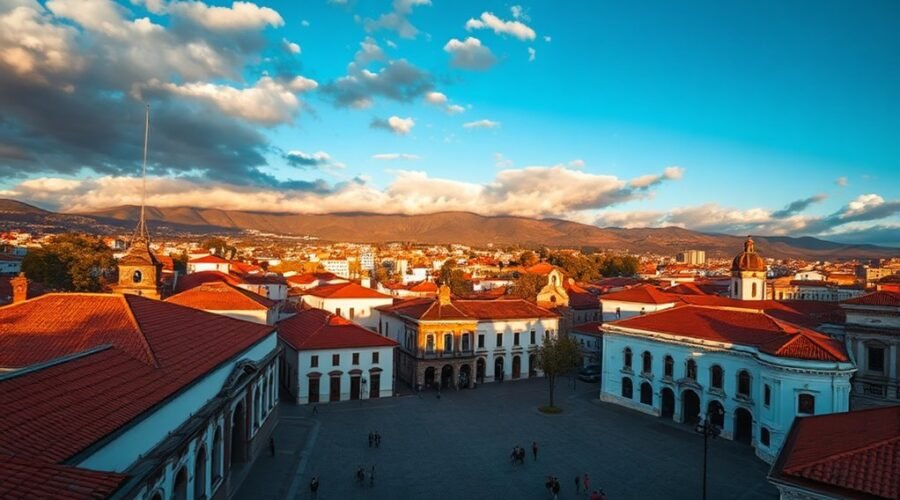
Like a coin with two distinct faces, Quito offers dramatically different experiences depending on when you arrive. Time your trip right, and you’ll enjoy crisp mountain air, blue skies, and vibrant street life. Time it wrong, and you’ll battle soggy afternoons and packed plazas. The good news? There’s no universally “wrong” time to visit — just trade-offs worth understanding. What those trade-offs look like, month by month, might surprise you.
Quito’s Dry Season vs. Rainy Season: A Traveler’s Climate Guide
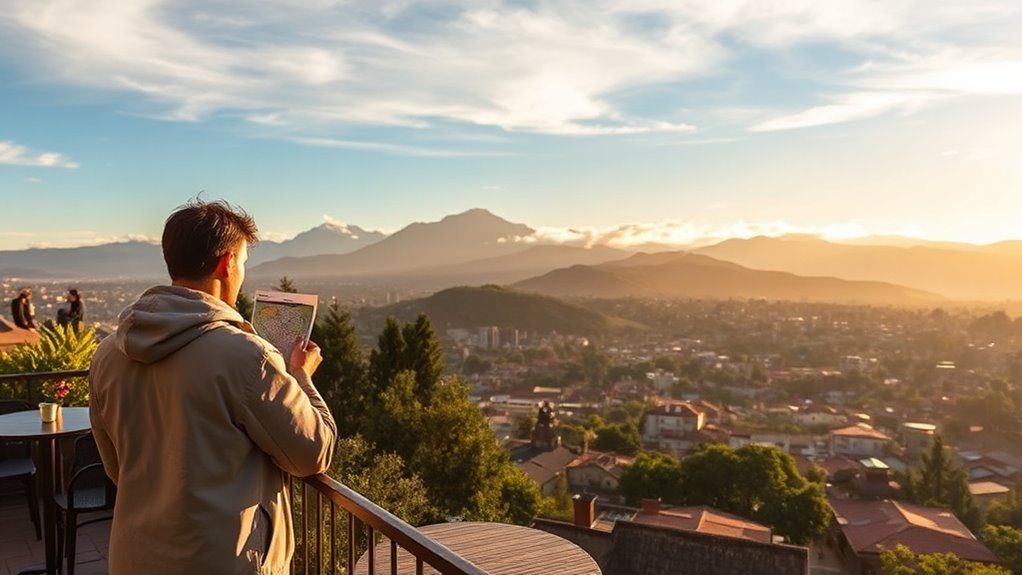
Quito’s location on the equator might suggest a relentlessly hot, tropical climate, but the city’s high-altitude perch at 9,350 feet (2,850 meters) keeps temperatures mild and surprisingly consistent year-round, hovering between 50°F and 70°F (10°C–21°C).
Quito sits on the equator yet stays refreshingly mild, thanks to its breathtaking 9,350-foot altitude.
What actually shifts is rainfall, making the Quito climate comparison between dry and rainy seasons your most useful planning tool.
The dry season runs June through September, delivering sunnier skies and clearer mountain views—ideal for outdoor exploration. The rainy season, October through May, brings afternoon showers that rarely last all day, keeping mornings invigoratingly open for adventure.
For seasonal packing, think layers regardless of when you visit. A waterproof jacket handles sudden downpours during the wet months, while a light fleece manages cool evenings year-round.
The UV index stays intense at this elevation, so sunscreen isn’t optional—it’s essential. You’ll adapt quickly once you understand Quito’s rhythm.
The Best Months to Visit Quito Overall
Knowing how the dry and rainy seasons stack up gives you the framework—now it’s time to pinpoint which months actually earn top marks for visiting.
June through September stand out as Quito’s sweet spot. You’ll enjoy reliable sunshine, comfortable temperatures, and streets alive with energy during festivals like Inti Raymi.
If you’re chasing authentic cultural experiences without overwhelming tourist crowds, consider visiting in June or September—shoulder months that deliver the best of both worlds.
You’ll find locals more relaxed, prices more reasonable, and genuine connections easier to make.
December also deserves mention. Despite occasional rain, the festive atmosphere surrounding Quito’s founding anniversary creates unmatched cultural richness.
Market stalls overflow with seasonal ingredients, giving you the perfect opportunity to explore local cuisine at its most vibrant and celebratory.
Whatever month you choose, Quito rewards the curious, the bold, and the free-spirited traveler.
Quito’s Dry Season: Clear Skies, Peak Crowds, and What to Expect
When the dry season arrives between June and September, you’ll find Quito at its most photogenic—crisp air, brilliant skies, and the kind of visibility that makes the surrounding Andes feel close enough to touch.
This is peak tourist season, so expect fuller streets, higher accommodation prices, and attractions that require advance booking.
That said, the tradeoffs are worth it. Festivals like Inti Raymi pulse through the city in June, offering rich cultural experiences that connect you directly to Indigenous Andean heritage.
Outdoor markets overflow with fresh produce, giving you authentic access to local cuisine—think roasted corn, hornado, and freshly squeezed naranjilla juice.
Temperatures hover between 50°F and 65°F (10°C–18°C), so pack layers. Mornings are sharp and clear; afternoons occasionally bring brief winds.
If you’re chasing Quito’s most dramatic landscapes and vibrant street life, the dry season delivers both unapologetically.
Quito’s Rainy Season: Lower Prices and Fewer Tourists
From October through May, Quito’s rainy season trades postcard-perfect skies for lower prices, quieter streets, and a city that feels genuinely lived-in rather than curated for tourists.
Rain typically falls in afternoon bursts, leaving mornings crisp, clear, and perfect for exploring without the shoulder-to-shoulder crowds of peak season.
You’ll find budget-friendly accommodations slashing their rates markedly during these months, giving you access to guesthouses and boutique hotels that might otherwise stretch your budget thin.
Restaurants feel less rushed, locals are more present, and the city’s authentic rhythm becomes easier to absorb.
Rainy season activities reward the flexible traveler — visit museums, explore colonial architecture between showers, or duck into neighborhood cafés where conversations flow freely.
The lush green hillsides surrounding Quito reach their most dramatic beauty during this period.
If freedom over your itinerary and your wallet matters most, the rainy season delivers it honestly.
Quito’s Weather Every Month of the Year
Quito’s position on the equator keeps temperatures remarkably stable year-round — hovering between 50°F and 70°F (10°C–21°C) — but rainfall is what truly defines each month’s character.
Understanding Quito climate patterns helps you plan smarter. January through April brings heavy afternoon rains, transforming streets into brief rivers while mornings stay clear.
May marks the shift — showers ease, skies open. June, July, and August deliver Quito’s driest, sunniest stretch, with monthly temperature averages holding steady around 65°F (18°C).
September stays relatively dry before October ushers in another wet cycle. November and December balance moderate rain with festive energy, making them surprisingly appealing.
Every month offers something distinct. You’re never fighting extreme heat or bitter cold — just deciding how much rain you’ll tolerate.
Pack a light jacket regardless of when you arrive. The city’s elevation guarantees cool evenings that reward every explorer willing to stay after sunset.
Local Festivals and Events Worth Timing Your Trip Around
Quito’s calendar bursts with vibrant celebrations that can make or break your travel experience, from the massive Fiestas de Quito in December to the colorful Inti Raymi sun festival in June.
You’ll want to plan carefully around these events, since accommodations fill fast and prices spike during peak celebrations.
Booking at least three months ahead and researching each festival’s specific dates and locations will help you get the most out of your trip.
Quito’s Major Annual Celebrations
Whether you’re a culture enthusiast or simply love a good street party, timing your trip around one of Quito’s major festivals transforms a great visit into an unforgettable one.
December’s Fiestas de Quito carries enormous cultural significance, celebrating the city’s Spanish founding with parades, bullfights, and open-air concerts.
Celebration highlights include elaborate street performances and fireworks lighting up the historic center. You’ll discover traditional foods like hornado (roasted pork) and fritada at every corner stall.
Inti Raymi in June honors indigenous solar heritage, immersing you in local customs through ancestral music and ceremonial dances.
Carnaval brings spirited water fights and colorful processions. Each festival reveals a distinct layer of Quito’s identity, giving you authentic access to a city that refuses to be ordinary.
Seasonal Festivals By Month
Beyond the headline festivals, a full calendar of local celebrations gives you even more reasons to plan your arrival date carefully.
January kicks off with colorful Reyes Magos parades carrying deep cultural significance across neighborhoods.
February’s Carnival lets you join spontaneous water fights and street performances.
April’s Semana Santa brings solemn processions you won’t forget.
June’s Inti Raymi festival highlights indigenous solar traditions, connecting you to pre-colonial heritage.
August honors Quito’s patron saints with neighborhood fiestas bursting with music and dance.
October’s cultural significance deepens through theater and art festivals citywide.
November’s Día de los Difuntos invites you into intimate cemetery gatherings honoring ancestors.
December closes the year with festival highlights including Christmas markets, lantern displays, and joyful community celebrations throughout the historic center.
Tips For Festival Travel
Planning ahead makes all the difference when you’re timing a trip around Quito’s festivals. Book accommodations at least two months early, since hotels fill quickly during major celebrations like Fiestas de Quito in December.
Stay in the historic center to maximize your cultural immersion—you’ll walk directly into parades, street performances, and neighborhood rituals without scrambling for transport.
Carry cash, because many vendors selling local cuisine only accept it. Eat where locals eat; follow the crowds to curbside stalls offering canelazo, hornado, and fritada.
Download a translation app if your Spanish is limited—vendors appreciate the effort.
Dress in layers, since Quito’s altitude keeps evenings cool even during warm festivals. Arrive early to claim good viewing spots, and always respect local customs and ceremonial spaces.
Quito’s Crowds by Season
If you visit Quito between June and August or during the December holidays, you’ll encounter the heaviest crowds, with popular sites like the Historic Center buzzing with both tourists and locals.
Shoulder months like April, May, September, and October strike a sweet balance, offering manageable visitor traffic without sacrificing good weather.
If you crave a quieter experience, January through March gives you the city at its most unhurried, though you’ll want to pack an umbrella for the frequent afternoon rains.
Peak Season Crowd Levels
Quito’s crowd levels shift dramatically depending on the time of year, so knowing when tourists flock to the city can help you plan a smoother trip. During peak season, popular peak season attractions like the Historic Center and Mitad del Mundo overflow with visitors, shaping visitor experiences in ways that can feel overwhelming.
| Peak Period | Crowd Intensity |
|---|---|
| June – August | Very High |
| December – January | High |
| February – April | Moderate |
Expect longer queues, higher accommodation demand, and busier restaurants during these windows. However, peak periods also mean livelier festivals and more vibrant street energy. If you crave freedom to explore without constraints, consider arriving early in the morning to beat the daily tourist surge at key sites.
Shoulder Season Visitor Traffic
Stepping back from peak season’s packed plazas, shoulder season offers a noticeably calmer rhythm across Quito’s streets and landmarks.
You’ll find shorter queues at the Mitad del Mundo monument, easier access to popular restaurants in La Floresta, and genuine breathing room inside the historic churches of Old Town.
The shoulder season benefits extend beyond mere comfort — you’re actually connecting more authentically with the city when it isn’t overwhelmed by tourist waves.
Your visitor experience improves dramatically because locals reclaim their own spaces, making interactions feel more natural and less transactional.
You can linger longer at Parque La Carolina or explore El Panecillo without feeling rushed by crowds.
This sweet spot between extremes gives you Quito on your own terms.
Off-Season Quiet Periods
During Quito’s off-season months — primarily November and the stretch from late January through early March — you’ll encounter the city at its most unhurried. The plazas breathe, the museums open up without queues, and the locals actually notice you.
These off-season benefits extend beyond mere convenience — they reshape how you experience the city entirely.
Quiet exploration becomes genuinely possible here. You’ll wander through La Ronda‘s cobblestoned corridors without shoulder-to-shoulder crowds, linger inside the Basílica without tour groups rushing you forward, and negotiate your own pace throughout El Centro Histórico.
Restaurants seat you immediately, vendors engage you authentically, and the city’s rhythm slows enough to feel real. If freedom matters to you, Quito’s off-season delivers it honestly.
Quito Travel Costs by Season
Travel costs in Quito fluctuate considerably with the seasons, so timing your trip wisely can stretch your budget further. During peak months—June through August and December—flights, hotels, and tours spike in price as demand surges.
If Quito travel budgeting matters to you, avoid these windows unless you’re committed to paying premium rates.
The dry season’s shoulder months, particularly May and September, offer a sweet spot. You’ll encounter manageable crowds, decent weather, and genuine seasonal travel deals on accommodations.
Budget travelers thrive during the wet season (October through April), when hotels slash rates and airlines compete aggressively for bookings.
Hostels in Quito’s historic center drop noticeably during quieter months, sometimes by 30–40%.
Street food remains affordable year-round, but guided excursions to surrounding volcanoes and cloud forests cost less when operators fight for fewer visitors.
Plan strategically, and Quito rewards you generously.
The Best Season for Outdoor Adventures Near Quito
If adventure sports are your priority, dry months give you the edge. Paragliding near Mindo, white-water rafting on the Toachi River, and climbing Ecuador’s glaciated peaks all become far more accessible when precipitation drops.
That said, the wet season isn’t a complete loss. Waterfalls surge dramatically, the landscape turns vivid green, and certain trails feel delightfully uncrowded.
You’ll just need solid waterproof gear and flexible plans. Choose your season based on the experiences you’re chasing, not just the calendar.
How to Book Quito Travel Once You’ve Chosen Your Window
Once you’ve locked in your ideal travel window, move quickly on flights and accommodations—Quito’s most popular lodges, boutique hotels, and guided tours fill up fast, especially around major festivals like Fiestas de Quito in early December or the high-season rush from June through August. Smart travel bookings start 3–6 months ahead, giving you access to better accommodation options and lower prices.
| Booking Element | Recommended Lead Time |
|---|---|
| International flights | 3–6 months ahead |
| Boutique hotels | 2–4 months ahead |
| Guided day tours | 4–8 weeks ahead |
| Airport transfers | 1–2 weeks ahead |
Use platforms like Booking.com, Viator, or direct hotel websites for competitive rates. If you’re targeting shoulder seasons—April/May or September/October—you’ll find flexibility, but don’t wait too long. Freedom favors the prepared traveler.
Frequently Asked Questions
What Vaccinations Do I Need Before Traveling to Quito, Ecuador?
You’ll want to follow vaccination recommendations before visiting Quito, including yellow fever, typhoid, and hepatitis A. Take health precautions seriously — you’re empowering yourself to explore freely and safely without unexpected illness derailing your adventure.
Is Quito Safe for Solo Female Travelers Visiting for the First Time?
Can you truly explore freely? Yes, you can! Quito’s manageable with smart solo travel tips — stay aware, respect local customs, avoid night travel alone, and you’ll embrace this vibrant city’s liberating spirit confidently.
What Language Is Spoken in Quito, and Is English Widely Understood?
You’ll find Spanish is Quito’s primary language, enriching your cultural interactions with vibrant language nuances. Don’t rely on English widely — locals appreciate your effort to embrace Spanish, empowering you to connect more authentically and freely.
Do I Need a Visa to Enter Ecuador as a Foreign Tourist?
You’ll love this freedom: most nationalities don’t need a visa! Tourist exemptions apply for up to 90 days. Always check your country’s specific visa requirements beforehand, ensuring your passport’s valid for your entire stay.
What Currency Is Used in Quito, and Are ATMS Widely Available?
Like a universal key, the US dollar opens Quito’s economy — it’s Ecuador’s official currency. You’ll find ATM locations throughout the city, and currency exchange offices are plentiful, ensuring your financial freedom stays intact wherever you roam.
Conclusion
Whether you’re chasing sun-drenched adventures in June’s golden skies, stretching your budget through October’s misty mornings, or finding the perfect balance in shoulder-season May, Quito’s always ready to welcome you. You’ll discover vibrant colonial streets, breathtaking Andean landscapes, and unforgettable cultural moments in every season. Choose your window wisely, pack accordingly, and book early when it counts. Quito’s magic doesn’t disappear with the clouds — it simply transforms.