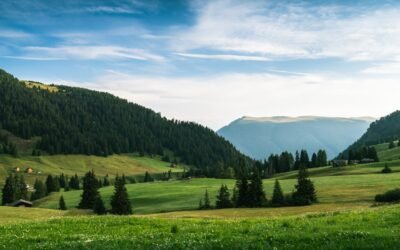
The best time to visit Cypress Hills, Saskatchewan is generally from late May through September, but the ideal month depends on what you want to do. Summer gives you the widest choice of activities and services, while June and September offer a strong balance of comfortable hiking weather, fewer people, and good access.
Quick Answer
Choose mid-June through August for swimming, camping, family activities and the fullest range of services. Choose June or September for hiking with milder temperatures and fewer crowds. Winter is best for cross-country skiing, snowshoeing and a much quieter park experience.
Last checked: October 5, 2026. Dates and figures were verified against official sources.
Key Takeaways
- Cypress Hills’ elevation keeps average summer temperatures cooler than nearby lower-elevation prairie communities.
- Full Saskatchewan-side services normally run from the May long weekend through September 30.
- August combines peak summer demand with major stargazing opportunities, including the Saskatchewan Summer Star Party.
- September is especially attractive for hiking, photography and quieter weekdays after Labour Day.
- Winter has the fewest visitors but still supports skiing, snowshoeing, tobogganing, snowmobiling and winter camping.
Best Time to Visit Cypress Hills, Saskatchewan by Month
Weather changes quickly in the Cypress Hills because of the park’s elevation. The figures below use Environment and Climate Change Canada’s Cypress Hills climate normals, measured at a station 1,196 metres above sea level.
| Month | Average High / Low | Typical Crowds | Best For |
|---|---|---|---|
| January | -3.4°C / -15.6°C | Very low | Skiing, snowshoeing, solitude |
| February | -1.2°C / -12.9°C | Very low | Snow activities and dark skies |
| March | 2.7°C / -8.0°C | Low | Late-winter recreation |
| April | 9.8°C / -2.9°C | Low | Quiet visits; variable trail conditions |
| May | 15.4°C / 2.3°C | Low to moderate | Spring scenery, birding, early camping |
| June | 19.3°C / 6.2°C | Moderate | Hiking, biking, wildflowers |
| July | 22.5°C / 8.2°C | High | Families, swimming, camping |
| August | 22.8°C / 7.6°C | High | Stargazing and full summer activities |
| September | 16.5°C / 2.5°C | Moderate early; quieter later | Fall colour, hiking, photography |
| October | 10.3°C / -2.3°C | Low | Quiet scenery; reduced services |
| November | 1.2°C / -9.1°C | Very low | Early-winter solitude |
| December | -2.9°C / -14.4°C | Low | Winter landscapes and snow activities |
These are long-term averages, not forecasts. Cypress Hills can experience frost, snow, thunderstorms, strong winds, and rapid temperature changes outside the conditions you might expect from the calendar.
1. Spring: May to Mid-June
Spring suits you if you want quiet trails and cool hiking temperatures before the busiest summer period. By the May long weekend, more seasonal services begin operating, but early-season conditions can still feel wintry.
Weather: Cool Nights and Fast Changes
At the Cypress Hills climate station, the historical average May high is 15.4°C, with an average low of 2.3°C. June averages rise to 19.3°C by day and 6.2°C at night.
Snow is still possible in May, while rain and muddy trail sections can affect hiking. Pack layers rather than relying on warm daytime forecasts alone.
Crowds: Quiet Before Summer
May and early June are generally calmer than July and August. Victoria Day falls on May 18 in 2026, so the May long weekend is more likely to feel busy than an ordinary spring weekday.
The Government of Saskatchewan’s 2026 holiday calendar also places Saskatchewan Day on August 3, Labour Day on September 7, and Thanksgiving on October 12. These holiday periods are useful dates to keep in mind when planning for demand.
Costs: Better Shoulder-Season Flexibility
Spring generally gives you more accommodation and campsite flexibility than midsummer. Private lodging prices vary by property, but lower demand can make it easier to find suitable dates without competing with peak-season visitors.
Activities: Hiking, Birding and Fishing
- Hiking: Cooler temperatures are comfortable for longer walks, although mud and lingering snow can affect some routes.
- Birdwatching: Spring migration makes this an appealing season for birders.
- Photography: Fresh vegetation, changing weather and spring light create varied landscapes.
- Fishing: Saskatchewan’s 2026 southern angling season opened May 5. However, special 2026 regulations for Loch Leven close the southern 150 metres to angling through May 31.
Things to Consider
The West Block is more sensitive to wet conditions because its roads are not all-weather roads and include steep sections. The official Cypress Hills park listing says full services are generally available from the May long weekend through September 30 unless otherwise noted.
2. Summer’s Peak: Mid-June to August
Summer is the easiest season for first-time visitors because the widest range of facilities and recreation is available. July and August also bring the strongest demand, particularly around holidays and major park events.
Weather: Warm Days, Cool Evenings
Historical average daytime highs are 19.3°C in June, 22.5°C in July and 22.8°C in August. Average nighttime lows remain much cooler at 6.2°C, 8.2°C and 7.6°C respectively.
Those averages are noticeably cooler than the original article’s 20°C-to-28°C estimate. Hot spells can still occur, and thunderstorms can interrupt otherwise warm summer days.
Crowds: The Busiest Part of the Year
Expect more campers, families and day visitors during July and August. Saskatchewan Day falls on Monday, August 3 in 2026, making that weekend particularly relevant for anyone trying to avoid peak demand.
Stargazers should also plan around the 2026 Saskatchewan Summer Star Party, held in the Centre Block from August 11 to August 16. It is a major astronomy gathering and increases demand around its camping areas.
Costs: Highest Demand for Accommodation
Summer demand can make campsites and private accommodation harder to secure, so this is the season when advance reservations matter most. The trade-off is that you have access to the broadest selection of activities, programs and commercial services.
Activities: The Full Summer Experience
- Camping: The Centre Block offers several front-country campgrounds, while the West Block has more rustic camping.
- Swimming: The Centre Block includes a swimming pool and beach area. For 2026, the park’s seasonal alert reported the pool closed for the year on August 30.
- Hiking and biking: The park has extensive routes in both its Centre and West Blocks.
- Ziplining: Guided zipline and adventure activities operate from the Centre Block.
- Horseback riding: Guided trail rides are available through local operators in the Cypress Hills area.
- Golf and mini-golf: Both are available during the summer operating season.
- Interpretive programs: Summer programming includes nature and astronomy activities.
- Stargazing: Cypress Hills was designated a Dark Sky Preserve in 2004.
The Cypress Hills Dark Sky Preserve hosts public astronomy programs during July and August. The observatory and Dark Sky Campground also host the annual Saskatchewan Summer Star Party.
Things to Consider
Book popular summer accommodation early and bring clothing for both warm afternoons and cool nights. If you want quieter hiking during peak season, start early in the day rather than restricting yourself to the most popular afternoon periods.
3. Autumn’s Embrace: September to October

September is one of the strongest alternatives to summer if you value scenery, hiking and fewer visitors. October becomes much quieter, but nights are colder and park services are reduced.
Weather: Crisp Days and Cold Nights
September’s historical average high is 16.5°C, while the average nighttime low is only 2.5°C. By October, the average high falls to 10.3°C and the average low dips below freezing to -2.3°C.
Fall colour often strengthens through September and into early October, although the exact peak changes with temperature, wind and the timing of frost.
Crowds: Noticeably Quieter After Labour Day
Labour Day falls on September 7 in 2026. After that holiday period, weekday traffic normally feels much lighter than midsummer, although good-weather weekends can still draw photographers and hikers.
Costs and Services: Better Availability, Then Reduced Operations
Private accommodation can offer better date availability after the summer peak. Full park services normally continue through September 30.
From October 1, 2026, the Saskatchewan side moved to reduced fall services. The Cypress Hills park alert listed power, firewood, pit toilets and water at the winter reservoir, while showers were unavailable.
Activities: Focus on Scenery
- Fall foliage drives and hikes: Aspen and other deciduous trees create strong yellow and gold colour against the evergreen forest.
- Photography: Cooler air, lower sun angles and fall colour make September especially appealing.
- Hiking and biking: Temperatures are often more comfortable for strenuous routes than during hot spells in midsummer.
- Wildlife viewing: Quiet trails can make wildlife observation more rewarding.
- Stargazing: Longer autumn nights provide more hours of darkness than midsummer.
Things to Consider

October can change quickly from pleasant fall weather to freezing conditions. Pack for frost and possible snow, and remember that seasonal businesses and park facilities may operate on reduced schedules after September.
4. Winter’s Wonderland: November to April
| Month | Average High / Low | Crowds | Planning Note |
|---|---|---|---|
| December | -2.9°C / -14.4°C | Low | Snow activities depend on the snow base |
| January | -3.4°C / -15.6°C | Very low | Prepare for the coldest typical nighttime temperatures |
| February | -1.2°C / -12.9°C | Very low | Strong period for established snow-based activities |
| March | 2.7°C / -8.0°C | Low | Milder days can bring changing snow conditions |
Winter transforms the Saskatchewan side of Cypress Hills into a quiet snow destination. It is best for travellers who actively want cold-weather recreation rather than visitors expecting the full summer range of services.
Weather: Cold, Snowy and Changeable
The climate normals show average January highs around -3.4°C and lows around -15.6°C. Those figures are more representative than the original claim that daytime temperatures consistently sit between -5°C and -20°C.
Wind and overnight cold can make conditions feel harsher, while occasional milder periods can soften snow or produce freeze-thaw conditions.
Crowds: The Quietest Season
Winter is the least crowded part of the year. Trails, viewpoints and accommodation areas are much calmer than in July or August, although weekends with good snow can still draw local winter recreation users.
Costs: Lower Demand but Fewer Services
Private accommodation demand is generally lower than during the summer peak, but availability and pricing vary by property. The more important winter planning difference is the reduction in park services, facilities and seasonal businesses.
Activities: Embrace the Snow
The official Cypress Hills trail listing describes 27 km of winter cross-country ski trails, including about 15 km that are groomed.
- Cross-country skiing: Groomed and ungroomed routes run through the Centre Block forest.
- Snowshoeing: Marked winter routes provide another way to explore the park.
- Tobogganing: A winter hill and luge-style track are among the park’s established cold-weather activities.
- Snowmobiling: Snowmobile use is available in designated areas when the snow base permits.
- Winter camping: Camping remains possible for properly equipped visitors, with services much more limited than in summer.
- Wildlife tracking: Fresh snow can make tracks easier to identify.
- Stargazing: Long nights provide extended dark-sky viewing opportunities.
- Ice skating and ice fishing: These have been promoted as winter activities in the Cypress Hills area, but natural-ice safety and current local conditions must be confirmed before going onto frozen water.
Downhill skiing is not on the Saskatchewan side. If you are exploring both halves of the interprovincial park, Hidden Valley Ski Resort is in Cypress Hills Provincial Park, Alberta, near Elkwater. Travel Alberta says its winter season generally runs from mid-December through the end of March.
Things to Consider
Winter travel requires proper cold-weather clothing and a winter-ready vehicle. Snow, ice and limited visibility can affect park roads, while washrooms, visitor facilities and other services may be unavailable outside the main operating season.
Warning: Do not assume a frozen lake is safe because other people are using it. Ice strength can vary across the same waterbody, especially around currents, springs and changing temperatures.
5. What Kind of Visitor Are You? Tailoring Your Trip
The best month depends on whether your priority is warm-weather recreation, scenery, budget flexibility, solitude or winter sports. Match your dates to the experience you actually want rather than treating summer as the only worthwhile season.
The Outdoor Enthusiast
If hiking, biking, swimming and the broadest range of warm-weather activities matter most, choose mid-June through August. June is especially attractive if you prefer cooler hiking weather before the busiest part of summer.
For winter sports, January through March provides the strongest chance of an established snow base, although conditions vary from year to year.
The Nature Photographer
For fall foliage, aim for September into early October. Exact colour timing varies each year, so there is no guaranteed peak date.
Late May and June bring fresh vegetation and wildflowers, while clear summer nights suit Milky Way photography. Winter gives you snow-covered forest and the longest nights.
The Budget Traveler
May, June, September and October are usually easier periods for finding dates outside peak summer demand. Winter can also offer lower demand, but reduced services and the need for specialised cold-weather gear can offset some savings.
The Solitude Seeker
Choose October through April if quiet surroundings matter more than having every attraction open. Early spring can also be peaceful before the May long weekend starts the main operating season.
The Family Adventurer
July and early August give families the greatest concentration of open summer activities. Swimming, trails, adventure attractions and interpretive programming are easier to combine into one trip during this period.
If your children handle cooler weather well and swimming is not essential, June can provide a quieter alternative with nearly the same range of outdoor possibilities.
Frequently Asked Questions
What is the best time to visit Cypress Hills, Saskatchewan for favorable weather?
The best period for most warm-weather visitors is mid-June through August. Historical average highs at the Cypress Hills station rise from 19.3°C in June to about 22.5°C in July and 22.8°C in August, while nights remain considerably cooler.
When is the peak tourist season in Cypress Hills, Saskatchewan?
The busiest period is generally July and August. Warm weather, school holidays, swimming, camping and the full summer activity schedule draw more visitors, with additional demand around Saskatchewan Day and major events such as the August Saskatchewan Summer Star Party.
When is the off-peak season in Cypress Hills, Saskatchewan?
The quietest period is roughly November through April. October is also much calmer after summer services end, while May and early June provide a useful shoulder season for travellers who want hiking and scenery without midsummer visitor levels.
What does it cost to visit Cypress Hills during peak season?
There is no single reliable average trip cost because accommodation, camping, food and paid activities vary. Summer has the strongest demand, so private lodging can be harder to secure, while park entry, camping and individual attractions use their own published fees.
Are there events worth planning a Cypress Hills trip around?
Yes. One of the park’s major recurring events is the Saskatchewan Summer Star Party. In 2026 it ran from August 11 through August 16 in the Centre Block, combining dark-sky observing with organised astronomy programming.
When are full services available at Cypress Hills?
Full Saskatchewan-side park services are generally available from the May long weekend through September 30 unless a specific facility has different dates. From October, services become more limited, although some camping and year-round recreation can continue.
Can it snow in Cypress Hills during spring or fall?
Yes. Snow outside the core winter months is possible because of the park’s elevation. Historical Cypress Hills climate records include measurable snowfall days in May and September, so shoulder-season visitors should pack for temperatures that can change rapidly.
Is Hidden Valley Ski Resort on the Saskatchewan side of Cypress Hills?
No. Hidden Valley Ski Resort is on the Alberta side of Cypress Hills Provincial Park near Elkwater. It can be combined with a broader interprovincial winter trip, but it should not be described as a Saskatchewan-side attraction.
If you’re planning a trip to Cypress Hills, Saskatchewan, it’s also helpful to understand how travel information is selected and reviewed. You can read our Travel Editorial Policies for more about the standards behind our travel content.
For additional background on how recommendations are assessed, see our explanation of how we review products.
Sources
- Environment and Climate Change Canada — Cypress Hills Climate Normals: historical monthly temperature and snowfall figures.
- Tourism Saskatchewan — Cypress Hills Interprovincial Park: operating season, facilities, services and activities.
- Tourism Saskatchewan — Cypress Hills Trails: hiking routes and winter cross-country ski trail information.
- Tourism Saskatchewan — Cypress Hills Dark Sky Preserve: Dark Sky designation and astronomy programming.
- Saskatchewan Summer Star Party 2026: August 11–16, 2026 event dates and location.
- Government of Saskatchewan — 2026 Designated Holidays: Victoria Day, Saskatchewan Day, Labour Day and Thanksgiving dates.
- Government of Saskatchewan — Angling in Saskatchewan: 2026 fishing season and Loch Leven special regulations.
- Travel Alberta — Hidden Valley Ski Resort: Alberta location and general winter operating season.