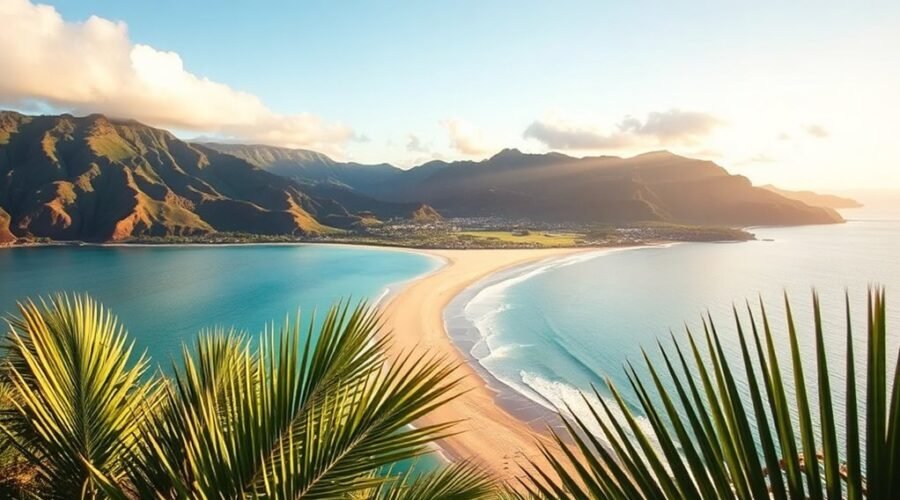
The best time to visit Maui depends on whether you want sunny beaches, fewer crowds, lower travel costs, or seasonal activities. April, May, September, and October offer an appealing balance for many travelers. However, Maui’s weather changes by location, and ocean conditions can shift quickly. Knowing what each month offers helps you choose dates that match your priorities.
Quick Answer
The best time to visit Maui is generally April through May or September through October. These shoulder-season months offer warm weather, relatively manageable crowds, and opportunities to save on accommodations. Choose January through March for peak whale watching, June through August for summer vacations, or October for warm weather with fewer visitors.
Last checked: November 11, 2026. Dates and figures were verified against official sources.
Key Takeaways
- Best overall: April, May, September, and October combine favorable weather with generally lighter demand.
- Best for whale watching: January through March is the peak period for humpback whale activity.
- Best for snorkeling: Late spring through early fall often brings calmer conditions at many locations, but beach orientation and daily surf matter more than the month alone.
- Best for savings: Look at May, September, October, and early November, outside holiday weekends.
- Most crowded periods: Christmas and New Year’s, spring break, and the main summer school vacation period.
The Best Time to Visit Maui for Good Weather
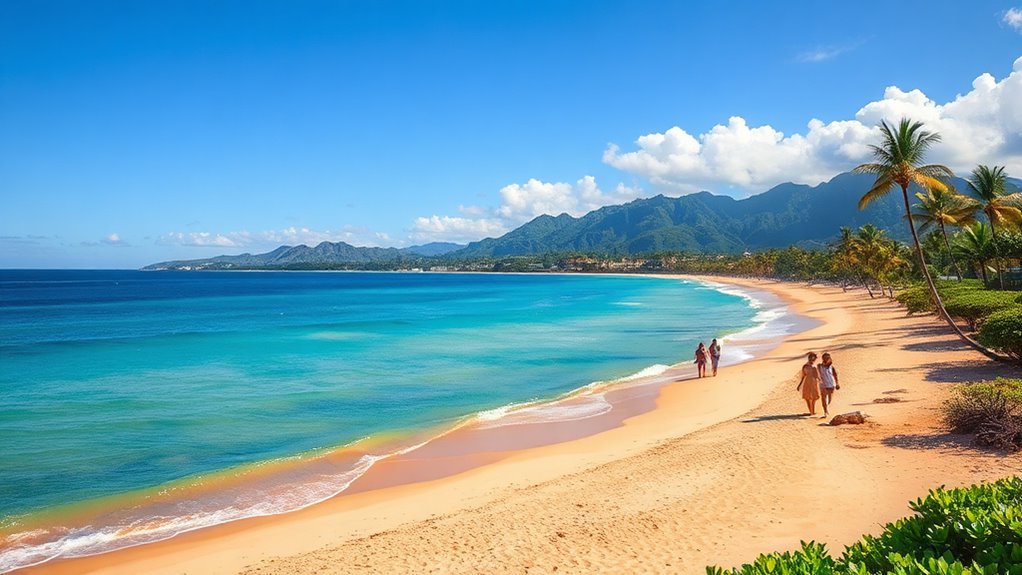
April through June and September through October are excellent choices for warm, generally sunny conditions. Maui has a tropical climate, but rainfall and temperatures change noticeably between seasons and locations.
Maui offers warm weather throughout the year, but the month and part of the island you choose can make a major difference.
Hawaiʻi generally experiences two main weather seasons:
- Warmer, drier season (May–October): Higher temperatures, less rainfall in many coastal areas, and generally favorable conditions for outdoor activities.
- Cooler, wetter season (November–April): More frequent rain, cooler evenings, and stronger winter swells on exposed coastlines.
April is a transition month, while November marks the return toward wetter conditions. These seasonal boundaries are general patterns rather than strict changes in the weather.
According to the Hawaiʻi Tourism Authority’s official Maui guide, April, May, September, and October are particularly good months to visit.
For a beach-focused vacation, Wailea and Kīhei in South Maui often offer sunnier weather than the windward coast near Hāna. Kāʻanapali and Kapalua in West Maui are also popular resort areas.
If you prefer comfortable temperatures for sightseeing, consider April or May. For warmer water and a late-summer atmosphere without peak school-holiday crowds, September and October are attractive alternatives.
Winter remains worthwhile, especially if whale watching is a priority. Just allow more flexibility for rainfall and rough ocean conditions.
Maui’s Weather by Month: What to Expect
Maui stays warm throughout the year, but summer temperatures are higher than many visitors expect. At Kahului Airport, average daytime highs range from about 82°F in winter to 90°F in September.
The following figures come from NOAA’s 1991–2020 climate normals for Kahului Airport, station USW00022516. These are long-term averages, not forecasts or averages for the entire island.
| Month | Average High / Low | Average Rainfall | Travel Highlights |
|---|---|---|---|
| January | 82.2°F / 63.6°F | 2.42 in. | Peak whale season |
| February | 82.2°F / 63.8°F | 2.00 in. | Whale watching and winter surf |
| March | 82.9°F / 65.1°F | 2.64 in. | Whales and spring-break travel |
| April | 84.5°F / 66.6°F | 1.32 in. | Improving weather and spring activities |
| May | 86.5°F / 67.7°F | 0.71 in. | Strong overall value |
| June | 88.3°F / 70.3°F | 0.17 in. | Very dry, start of summer travel |
| July | 89.2°F / 71.8°F | 0.53 in. | Hot weather and family vacations |
| August | 89.9°F / 72.3°F | 0.53 in. | Warm water and summer activities |
| September | 90.0°F / 71.2°F | 0.45 in. | Warm and generally less crowded |
| October | 88.7°F / 70.1°F | 0.83 in. | Warm shoulder-season travel |
| November | 85.8°F / 68.4°F | 1.81 in. | Early winter transition |
| December | 83.3°F / 65.9°F | 2.80 in. | Whales return; holiday demand rises |
NOAA’s Kahului station records about 16.21 inches of average annual rainfall. June is the driest month at this station, averaging 0.17 inches.
However, Hāna and the northeastern slopes receive much more rain. You should not use Kahului’s figures as a forecast for every resort, hiking trail, or beach.
Which Months Are Best for Different Travel Styles?
- January–March: Best for whale watching and viewing powerful winter surf from safe locations.
- April–May: Best for mild-to-warm weather, spring scenery, and potential accommodation savings.
- June–August: Best for traditional summer holidays, warm ocean water, and long beach days.
- September–October: Best for warm weather and a generally quieter resort atmosphere.
- November–December: Best for seasonal transitions, early whale sightings, and festive travel, although holiday demand increases sharply.
Hawaiʻi’s central Pacific hurricane season officially runs from June 1 through November 30. That does not mean storms will affect Maui during your visit, but travel insurance and flexibility can be valuable during this period.
How Maui’s Microclimates Affect Your Trip Timing
Maui’s microclimates mean you can experience sunshine, rain, wind, and mountain cold on the same day. The island’s geography often matters as much as the month you choose.
Mountains intercept moisture carried by prevailing northeast trade winds. As a result, windward areas usually receive more rainfall, while sheltered leeward areas tend to stay drier.
Windward Vs. Leeward Sides
The windward and leeward sides of Maui offer different weather and scenery. Understanding the difference helps you select the right place to stay.
- Windward north and east: Areas around Hāna and the northeastern slopes receive frequent rainfall. This supports tropical forests, streams, and waterfalls along the Road to Hāna.
- Leeward south and west: Wailea, Kīhei, and Kāʻanapali are generally sunnier and drier, making them popular for beach vacations.
- Upcountry Maui: Places such as Kula experience cooler conditions, especially during evenings and early mornings.
- Exposed coastal areas: Trade winds can create rough water even when the sky is clear, particularly on north- and east-facing shores.
For a beach-first itinerary, consider staying in South Maui and taking day trips to the wetter eastern coast.
If your main interests are waterfalls, tropical landscapes, and photography, the greener windward side may be more appealing.
Elevation Impacts Weather Patterns
Haleakalā rises to 10,023 feet above sea level, creating a striking temperature difference between the summit and the coast.
The National Park Service’s Haleakalā visitor information explains that temperatures can range from about 80°F in coastal Kīpahulu to 30°F at the summit on the same day.
Summit temperatures can fall below freezing, and strong winds can make conditions feel much colder. Pack a warm jacket, closed-toe shoes, and additional layers for high-elevation visits.
Sunrise at Haleakalā is especially popular. The park requires an advance reservation for vehicle entry into the summit district between 3 a.m. and 7 a.m.
The reservation costs $1 per vehicle, in addition to the regular entrance fee. The standard private-vehicle entrance fee is $30, and the park accepts qualifying passes.
Reservations are released up to 60 days in advance, with another limited release two days before the visit.
Sunset is an alternative if you cannot secure a sunrise reservation. You can still enjoy the mountain scenery without entering during the restricted sunrise window.
When Are Crowds the Worst in Maui?
Maui’s busiest periods generally coincide with major holidays, winter escapes, spring break, and summer school vacations. The most noticeable holiday rush occurs around Christmas and New Year’s.
Expect stronger demand during these periods:
- Mid-December through New Year’s: Holiday travelers increase demand for resorts, rental cars, tours, and popular restaurants.
- January–February: Winter visitors and whale watchers keep many resort areas busy.
- March–April: Spring-break travel can raise demand, particularly during Easter-related school holidays.
- Mid-June through August: School vacations bring families to Maui’s beaches and major attractions.
For travelers planning around the late-2026 and 2027 holiday periods, important dates include:
- Thanksgiving 2026: November 26.
- Christmas 2026: December 25.
- New Year’s Day 2027: January 1.
- Presidents Day 2027: February 15.
- Memorial Day 2027: May 31.
These dates are confirmed by the U.S. Office of Personnel Management’s federal holiday schedule. Spring-break dates vary among school districts.
Busy weeks affect more than beaches. Road to Hāna traffic can increase, popular parking areas fill, and desirable restaurant times become harder to secure.
To avoid the heaviest demand, consider late April through May or September through early November, excluding major holiday weekends and local event dates.
Cheapest Times to Visit Maui
The cheapest times to visit Maui are often during the shoulder seasons, especially May, September, October, and early November. These periods generally have less holiday demand than winter and midsummer.
For better value, compare Maui accommodation prices in late spring and fall against the same property’s peak holiday rates.
Some Maui hotels advertise substantial shoulder-season discounts, occasionally around 20–40% below selected peak rates. However, savings depend on the property, travel dates, room type, and promotion. This is not a guaranteed island-wide discount.
Flights can also vary significantly with travel dates and departure airports. Midweek departures may be less expensive than popular weekend flights, although that pattern does not hold for every route.
Compare the complete cost of your trip, including accommodation taxes, resort charges, parking, and rental transportation. A lower advertised room rate does not always mean a cheaper final stay.
How to Save Money Without Missing Maui’s Highlights
- Compare Kīhei and Wailea: Kīhei offers a wider variety of condos and self-catering accommodations, while Wailea has many upscale resorts.
- Consider a kitchen: Preparing breakfast and packing beach lunches can reduce daily dining costs.
- Use public beach access: Many beaches and coastal viewpoints can be enjoyed without buying a tour.
- Combine nearby attractions: Plan sightseeing by region to reduce unnecessary driving.
- Set fare alerts: Monitor flight prices for several dates rather than focusing on one departure day.
The Road to Hāna itself is a public road, but some attractions along it charge entrance or parking fees.
For example, Waiʻānapanapa State Park requires entry and parking reservations for visitors. Published nonresident fees are $5 per person and $10 per noncommercial vehicle.
Haleakalā National Park’s Pīpīwai Trail is another worthwhile option. The National Park Service hiking guide describes a moderately strenuous 4-mile round trip with bamboo forest scenery and views of Waimoku Falls.
The national park entrance fee applies, so the trail is not a completely free attraction unless you already have an accepted pass.
Pro Tip: When comparing Maui resorts, calculate the total price for the same number of nights and identical room categories. Comparing different room types can make a shoulder-season discount look larger than it actually is.
Best Time to Visit Maui for Snorkeling and Swimming
The best time for snorkeling in Maui is generally late spring through early fall, particularly at locations sheltered from wind and seasonal surf. May through September often offers favorable opportunities.
However, calm conditions are not guaranteed. Winter brings powerful north-shore swells, while summer can bring large south-shore swells.
The Hawaiʻi Ocean Safety surf-season guide explains how wave exposure changes between the warmer and cooler months.
Calm Water Season Overview
From April through October, many Maui snorkeling locations experience favorable conditions, especially during calm mornings. Summer is particularly appealing at certain west- and northwest-facing bays.
Consider these seasonal windows:
- April–May: Rainfall decreases in many areas, and suitable snorkeling days become more common.
- June–July: Warm weather supports water activities, with summer conditions often favoring sheltered locations.
- August–September: Water temperatures are generally near their warmest, making longer swims comfortable.
- October: Warm water often continues, although conditions become more variable as the season changes.
For many snorkeling sites, early morning offers better visibility and less wind-driven surface chop than later in the day.
Honolua Bay in northwest Maui is a good example of seasonal differences. It is popular for snorkeling during calmer summer conditions but becomes a powerful surf location during winter swells.
Molokini is another major snorkeling destination. Unlike a regular beach, it is an offshore volcanic islet reached by boat.
Top Snorkeling Visibility Months
May, June, and August are often attractive snorkeling months. However, underwater visibility depends heavily on recent rainfall, sediment, swell, wind, and conditions at each location.
There is no reliable island-wide rule guaranteeing a specific visibility distance for any month.
| Month | Visibility Condition |
|---|---|
| May | Often favorable after the wetter season |
| June | Frequently good during calm mornings |
| August | Warm water; clarity depends on swell and runoff |
| October | Can be good, but conditions are more variable |
Molokini is a protected Marine Life Conservation District approximately 3 miles off Maui’s southwestern coast. Its clear-water reputation and marine life make it attractive for boat-based snorkeling.
However, the Hawaiʻi Division of Aquatic Resources warns that currents can be a concern, particularly outside the cove and when afternoon winds strengthen.
Morning boat excursions are often preferable for calmer conditions, but even a morning departure cannot guarantee good visibility.
Best Swimming Beach Conditions
The best swimming conditions in Maui depend on the beach’s exposure to waves, currents, and shorebreak. A sunny day does not automatically mean the ocean is safe.
Ocean temperatures generally remain comfortable year-round, with the warmest water commonly occurring in late summer and early fall.
Several factors help you choose a suitable beach:
- Wave exposure: A sheltered bay may be calm while another beach nearby has hazardous surf.
- Seasonal swells: North and west shores can experience dangerous winter surf. South-facing shores can receive powerful summer swells.
- Wind: Morning conditions may be calmer before afternoon trade winds strengthen.
- Lifeguards: Prefer supervised beaches, especially when swimming with children or inexperienced swimmers.
Hawaiʻi Ocean Safety lists staffed Maui beaches including Baldwin Beach Park, Kāʻanapali-area Hanakaʻōʻō Beach Park, Kāʻanapali-adjacent D.T. Fleming Park, and Kamaʻole Beach Parks I, II, and III in Kīhei.
You can review the official list of lifeguarded Hawaiʻi beaches for their published patrol schedules.
Warning: Mākena’s Big Beach is known for dangerous shorebreak, even during otherwise beautiful weather. Never assume that summer conditions make every beach safe for swimming. Respect posted warnings, ask lifeguards about conditions, and avoid entering rough or unfamiliar water.
If you are new to snorkeling, stay close to shore, use appropriate equipment, and snorkel with a buddy. Avoid murky water after heavy rainfall.
Whale Watching, Surfing, and Maui’s Seasonal Activities
Maui offers distinct seasonal experiences beyond beach weather. Winter is especially appealing for whale watching and big-wave surfing, while summer often favors snorkeling, paddling, and warm-water recreation.
Best Time for Whale Watching in Maui
January through March is the peak whale-watching period. Humpback whales generally visit Hawaiian waters from November through May, although sightings are less common near the beginning and end of the season.
According to NOAA’s Hawaiian Islands Humpback Whale National Marine Sanctuary, thousands of humpback whales migrate to Hawaiʻi’s waters each year.
These waters provide important habitat for mating, giving birth, and nursing calves.
Maui’s waters between West Maui, Lānaʻi, and Kahoʻolawe offer whale-watching opportunities during the season. You may see whales from coastal viewpoints or on guided boat tours.
Federal rules prohibit vessels and people from approaching within 100 yards of humpback whales in Hawaiian waters.
Choose a responsible tour operator that follows wildlife protection requirements. Whale sightings are natural events and cannot be guaranteed.
Best Time for Surfing in Maui
Winter is Maui’s main big-wave surf season, particularly from November through March. North-shore locations such as Peʻahi, also called Jaws, can receive enormous swells.
These conditions attract highly experienced surfers and spectators. Peʻahi’s large waves are not suitable for beginners.
Summer brings a different surf pattern. South-shore breaks can receive powerful swells generated by storms in the Southern Hemisphere.
If you are learning to surf, choose an appropriate beginner location and take lessons under suitable conditions rather than selecting a beach based only on the season.
Maui Festivals and Cultural Events by Season
Maui also hosts cultural celebrations connected to Hawaiian traditions, local food, and community life. These events can add variety to a beach-focused trip.
- Winter: Whale-focused educational events and community celebrations accompany the peak migration period.
- Spring: The East Maui Taro Festival traditionally takes place in April, while the OluKai Hoʻolauleʻa celebrates ocean culture in May.
- Summer: Hawaiian cultural events, outdoor music, and community gatherings offer opportunities to learn about local traditions.
- Fall: Aloha Festivals celebrations and other cultural and food events can coincide with the quieter travel season.
The official Maui annual festivals guide provides background on the island’s recurring celebrations. Exact event dates can vary by year.
If cultural activities matter to you, build some flexibility into your itinerary so you can attend events without missing your preferred outdoor activities.
Best Time to Visit Maui for Families
For many families, April, June, and early September offer attractive combinations of weather and activities. However, the ideal travel period depends on school schedules, children’s ages, and their comfort in the water.
Families with school-age children often travel during spring break or summer. These periods provide scheduling convenience but can involve higher costs.
Consider these options:
- April: Warm weather and improving beach conditions make spring appealing. Late April may be quieter after major school breaks.
- June–July: Summer vacations support longer family stays, beach activities, and organized excursions. Choose swimming spots according to actual ocean conditions.
- Late August–September: Some families return to school, reducing demand in certain resort areas. This can benefit travelers with flexible schedules.
- Early December: Families may enjoy the beginning of whale season before the Christmas holiday rush.
For younger children, select accommodations close to suitable beaches, restaurants, and everyday services. This can make a bigger difference than choosing the warmest month.
Good family activities include visiting calm beach areas, exploring scenic viewpoints, learning about Hawaiian culture, and taking age-appropriate guided excursions.
For children who are not confident swimmers, a supervised pool or shallow protected area may be a better choice than an exposed ocean beach.
When possible, allow several days without fixed reservations. That gives your family flexibility when weather, surf, or tiredness changes your plans.
Is Maui Worth Visiting in the Off-Season?
Yes. Maui is worth visiting during its quieter travel periods, especially in April, May, September, October, and parts of November. You can enjoy many of the same beaches, landscapes, and activities without the strongest holiday demand.
The benefits often include:
- More flexibility when choosing accommodations.
- Potentially lower airfare and lodging costs.
- Less competition for popular restaurant reservations.
- Fewer visitors at some beaches and attractions.
- More freedom to arrange activities around suitable weather.
There are some trade-offs. Spring visitors may miss peak whale season, while fall visitors need to account for tropical cyclone season and the approach of wetter weather.
Some seasonal businesses and tours may operate on reduced schedules. However, Maui remains a year-round destination with a wide range of outdoor experiences.
What Is the Best Shoulder-Season Month for Maui?
May is an excellent all-around choice if you want warmer weather, relatively low rainfall, and opportunities for better travel value.
September is another strong choice, particularly if you prefer warm ocean water. October can also work well, especially before Thanksgiving and the main winter holiday season.
April may suit travelers who prefer slightly cooler temperatures and want a chance of late-season whale sightings.
Ultimately, the best month depends on which experiences matter most to you.
Frequently Asked Questions
What Are Maui’s Visa Requirements for International Visitors?
Maui follows the same immigration rules as the rest of the United States. Eligible travelers may use the Visa Waiver Program with approved ESTA authorization, while others generally need an appropriate U.S. visa. U.S. citizens traveling domestically do not need a passport solely to visit Maui.
How Many Days Should I Plan for a Maui Trip?
Plan about 7–10 days for a relaxed Maui vacation. This gives you time for beaches, Haleakalā, the Road to Hāna, and other activities without rushing. A shorter 4–5-day visit can still be enjoyable if you focus on one region and a few main attractions.
Which Maui Airport Is Best for Arriving Tourists to Use?
Kahului Airport (OGG) is the best choice for most visitors because it is Maui’s main airport and handles the largest selection of flights. Kapalua Airport (JHM) serves West Maui with more limited service, while Hāna Airport (HNM) primarily handles smaller regional flights.
Are There Cultural Events or Festivals Unique to Specific Months?
Yes. Maui hosts seasonal cultural celebrations, including the East Maui Taro Festival in April and OluKai Hoʻolauleʻa in May. Aloha Festivals activities generally occur during the fall. Event dates and venues vary, so confirm the specific year’s schedule before building your itinerary around a festival.
What Vaccinations or Health Precautions Should Travelers Consider Before Visiting?
Maui does not generally require special travel vaccinations beyond applicable U.S. entry requirements. Keep routine vaccinations up to date, bring prescribed medications, use sun protection, and take ocean safety seriously. International travelers should review their individual health and entry requirements before departure.
What Is the Rainiest Month in Maui?
December has the highest average rainfall at Kahului Airport, with 2.80 inches in NOAA’s 1991–2020 climate normals. However, rainfall varies greatly across Maui. Windward areas near Hāna can receive substantially more rain than the island’s drier southwestern resort areas throughout the year.
Conclusion
For most travelers, April, May, September, and October offer the best overall balance of Maui weather, costs, and crowds. January through March is the better choice for whale watching, while summer works well for families following school schedules.
Choose your dates around the activities you value most, select a suitable part of the island, and allow flexibility for changing weather and ocean conditions. That approach will help you enjoy more of Maui without unnecessary expense or stress.
Sources
- NOAA National Centers for Environmental Information: Kahului Airport 1991–2020 monthly temperature and rainfall averages.
- Hawaiʻi Tourism Authority: Maui travel seasons, weather, destinations, and visitor information.
- National Park Service: Haleakalā elevation, summit weather, entrance fees, and sunrise reservations.
- U.S. Office of Personnel Management: Verified federal holiday dates for 2026 and 2027.
- Hawaiʻi Ocean Safety: Seasonal swell patterns and ocean hazards.
- Hawaiʻi Division of State Parks: Waiʻānapanapa State Park reservations, admission fees, and parking fees.
- Haleakalā National Park Hiking Guide: Pīpīwai Trail distance, difficulty, and attractions.
- Hawaiʻi Division of Aquatic Resources: Molokini location, marine conservation status, and safety information.
- Hawaiʻi Ocean Safety Lifeguarded Beaches: Lifeguard locations and published patrol schedules.
- NOAA Hawaiian Islands Humpback Whale National Marine Sanctuary: Whale-watching seasons and protection rules.
- Official Maui Annual Festivals Guide: Cultural events and recurring seasonal celebrations.
- U.S. Department of State: Visa Waiver Program and ESTA eligibility information.
- Centers for Disease Control and Prevention: Routine vaccination and pretravel health guidance.
- NOAA National Weather Service: Central Pacific hurricane season dates.
- Hawaiʻi Division of State Parks, Mākena: Dangerous shorebreak warnings and beach safety conditions.