Ghana’s climate shapes every aspect of your trip, from the trails you’ll hike to the festivals you’ll catch and the prices you’ll pay. Time it right, and you’ll experience this West African gem at its most vibrant. Time it wrong, and you’re battling downpours, closed roads, or inflated peak-season rates. So when exactly should you book your flights? The answer depends on what kind of traveler you are.
Ghana’s Climate: Dry Season, Rainy Season, and What That Means for Travelers
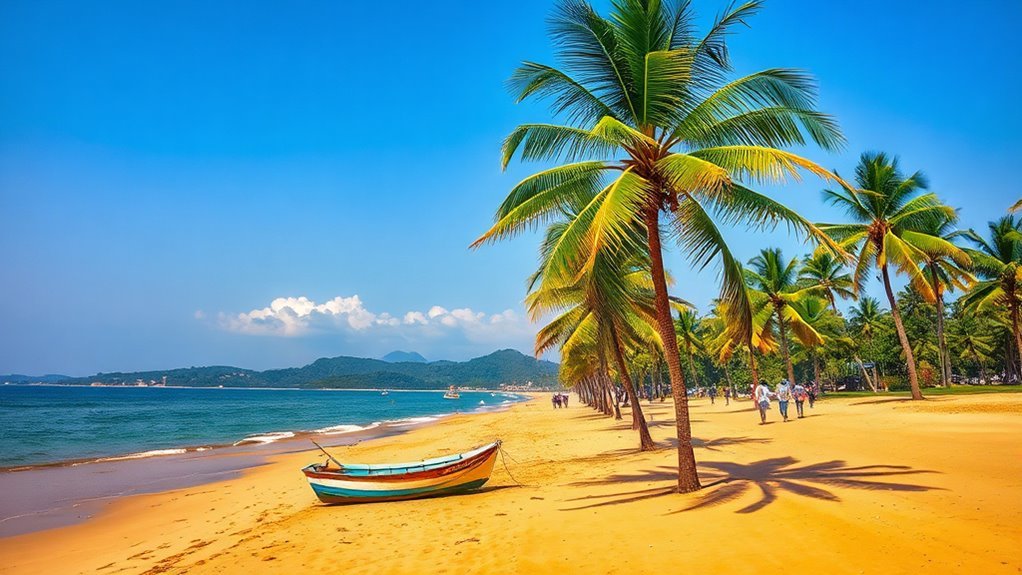
Ghana’s climate divides neatly into two seasons that shape nearly every aspect of your trip: the dry season and the rainy season. Understanding both empowers you to travel on your own terms.
The dry season runs from November through March, bringing clear skies, manageable heat, and peak conditions for exploring national parks. Wildlife experiences shine during this period — animals gather around shrinking water sources, making sightings easier and more rewarding.
Dry season magic: clear skies, shrinking waterholes, and wildlife gathered close enough to take your breath away.
Cultural festivals also cluster here, filling villages and cities with drumming, dancing, and color.
The rainy season splits into two phases — April to June and September to October — drenching the landscape in lush green beauty. Travel becomes trickier, but fewer crowds and lower costs reward the flexible traveler.
The south experiences more rainfall than the drier north, so your destination within Ghana matters enormously.
Choose your season deliberately, and Ghana delivers exactly the adventure you’re seeking.
The Best Time to Visit Ghana Overall
If you’re looking for the sweet spot between great weather, vibrant festivals, and manageable crowds, Ghana’s dry season from November to March is your best bet.
You’ll enjoy sunny skies, lower humidity, and peak cultural events like Homowo and Chale Wote, though you should expect higher prices and busier tourist sites during this window.
If you’re traveling on a budget, the shoulder months of October and April offer a solid compromise—decent weather, fewer crowds, and more affordable accommodations.
Peak Season Highlights
The dry season, running from November through March, is Ghana’s peak travel period—and for good reason. You’ll encounter clear skies, manageable humidity, and roads that are actually navigable after the rains retreat.
December brings vibrant cultural festivals like Homowo and Aboakyir, where communities celebrate harvests and heritage with music, dance, and ceremony. These aren’t tourist performances—they’re living traditions you’re genuinely invited into.
Wildlife experiences peak during this period too. At Mole National Park, animals congregate around shrinking waterholes, making elephant and antelope sightings almost guaranteed.
Coastal destinations like Cape Coast and Busua become ideal for beach exploration without monsoon interruptions. Expect higher accommodation prices and larger crowds, but the tradeoff—authentic connections, prime weather, and unforgettable moments—makes it worthwhile.
Ideal Weather Windows
Narrowing down the single best time to visit Ghana depends on what you’re after, but most travelers find the sweet spot between November and January—after the rains have cleared but before the Harmattan winds sweep down from the Sahara in February, coating everything in a fine, hazy dust.
During these months, you’ll enjoy cooler temperatures, blue skies, and excellent visibility across Ghana’s diverse landscapes. Wildlife migrations peak in the northern savannas, making Mole National Park particularly rewarding.
Cultural festivals like Homowo and Aboakyir fall within accessible shoulder periods, letting you experience Ghana’s rich traditions authentically. Roads remain passable, coastal beaches stay inviting, and crowds haven’t overwhelmed popular sites yet.
This window genuinely offers freedom—to explore, connect, and experience Ghana entirely on your own terms.
Balancing Crowds and Costs
Balancing cost and comfort in Ghana means timing your trip strategically, since peak season convenience comes at a price. You’ll find the sweetest spot during shoulder season — particularly November and April — when you’re dodging both heavy rains and inflated tourism rates.
Budget travel becomes genuinely achievable here, with accommodations, tours, and flights sitting at friendlier price points.
Don’t overlook what these quieter periods reveal beyond savings. You’ll access richer local experiences without competing crowds at sacred sites, fishing villages, and bustling markets.
Ghana’s cultural festivals, including Homowo and Panafest, often fall outside peak windows, letting you witness authentic celebrations rather than tourist-packaged versions.
Ultimately, shoulder season rewards the intentional traveler who values depth over convenience — giving you Ghana as it truly is.
Ghana’s Month-by-Month Weather Breakdown
Whether you’re planning a beach getaway to the Cape Coast or a wildlife safari in Mole National Park, Ghana’s weather will play a major role in shaping your experience.
From sun-soaked coastlines to untamed safari trails, Ghana’s weather shapes every step of your journey.
Here’s what each month delivers:
January–February: Dry and sunny, with harmattan winds bringing hazy skies. Ideal for wildlife migrations in the north.
March–April: Temperatures rise sharply. Rain begins creeping in, particularly in the south.
May–June: The major rainy season peaks. Lush landscapes emerge, but flooding can disrupt travel.
July–August: A brief dry spell returns. Cultural festivals like Homowo and Chale Wote electrify Accra.
September–October: Expect a secondary rainy season. Travel becomes unpredictable, especially in rural regions.
November: Rains taper off, revealing cleaner roads and refreshed nature trails.
December: Ghana shines. Crowds surge, prices climb, but the energy is absolutely infectious — perfect for bold, curious travelers.
Ghana Flight and Hotel Costs by Season
Timing your trip wisely can save you hundreds of dollars on flights and accommodation.
Peak season (November through February) drives flight booking prices up considerably, with round-trip fares from North America or Europe often reaching $1,200–$1,800. Hotels in Accra and coastal areas fill quickly, so expect to pay premium rates for decent rooms.
Shoulder season (March through May) offers a sweet spot — you’ll find competitive flight booking deals and hotel deals that can slash your budget by 30–40%. Accommodation options remain plentiful without the peak-season scramble.
Rainy season (June through October) delivers the deepest discounts. Budget travelers who don’t mind occasional downpours can score remarkable hotel deals, sometimes under $60 per night for quality rooms.
Flights drop markedly too. Book accommodation with flexible cancellation policies, and you’ll protect yourself while still locking in those lower rates. Freedom and affordability coexist beautifully in the off-season.
When Ghana Gets Busy and How to Avoid the Rush
Here’s how you reclaim your freedom on the road:
- Sidestep the rush by visiting during local festivals like Homowo or Panafest — these happen during quieter travel windows yet deliver raw, authentic connection.
- Leverage off peak advantages — hotels drop prices considerably, and hidden gems like Wli Waterfalls feel genuinely peaceful.
- Apply these travel tips — book accommodations midweek, travel between regions on Tuesdays or Wednesdays, and ask locals about spots tourists rarely find.
Ghana rewards the curious traveler who moves against the crowd.
Best Time to Visit Ghana by Region and Activity
Ghana isn’t a one-size-fits-all destination — where you’re headed and what you want to do shapes everything about when you should go. The north runs dry and accessible from November through March, making it ideal for exploring Mole National Park and spotting elephants without muddy roads blocking your path.
The north opens up from November through March — dry roads, open skies, and elephants within reach.
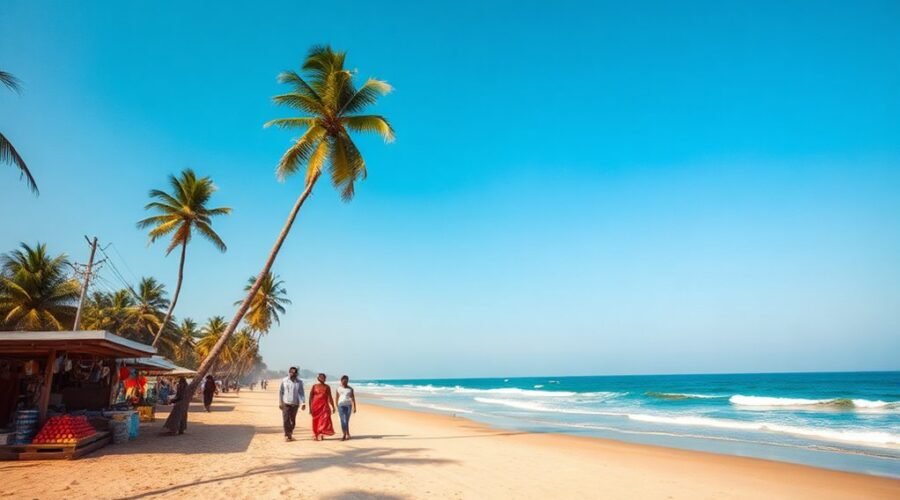
Head to the coast during the same window, and you’ll catch Accra and Cape Coast at their liveliest, with beach culture and regional cuisine drawing travelers who want flavor alongside history.
If cultural festivals are your priority, time your visit around Homowo in August or Chale Wote Street Art Festival, also in August, centered in Accra. The Volta Region rewards dry-season hikers with clear trails up Mount Afadjato.
Kumasi, the Ashanti heartland, welcomes visitors year-round, but the Akwasidae festival follows a 42-day cycle — check the calendar before you book and plan your trip around it deliberately.
Frequently Asked Questions
What Vaccinations Do I Need Before Traveling to Ghana?
You’ll need yellow fever, typhoid, and hepatitis A vaccinations before visiting Ghana. Don’t forget malaria prevention medication and make certain you’ve got travel insurance to protect your journey toward an empowering, unforgettable African adventure!
Do I Need a Visa to Visit Ghana as a Tourist?
Like a key releasing adventure, your visa application opens Ghana’s doors! Most tourists need one, but you’ll find tourist requirements straightforward — apply online or at an embassy before your liberating journey begins.
What Currency Is Used in Ghana, and Can I Use Cards?
Ghana’s currency is the Cedi. You’ll find currency exchange bureaus widely available. While credit card acceptance is growing in cities, it’s best to carry cash for markets and rural areas to truly embrace Ghana’s vibrant economy.
Is Ghana a Safe Destination for Solo Female Travelers?
Ghana’s actually one of Africa’s safer solo female destinations. You’ll find warm hospitality and rich cultural experiences, though respecting local customs helps you navigate confidently. Stay aware, trust your instincts, and you’ll thrive independently here.
What Languages Are Spoken in Ghana Besides English?
You’ll discover Ghana’s rich Ghanaian culture through its vibrant local dialects, including Twi, Ga, Ewe, Hausa, and Dagbani. These languages reflect the country’s diverse ethnic tapestry, empowering you to connect authentically with local communities.
Conclusion
Whether you’re chasing festival vibes, wildlife encounters, or simply golden skies, Ghana’s got a season that fits your travel style. The dry months from November to March offer the most rewarding experience, but don’t overlook the shoulder seasons if you’re after fewer crowds and better deals. So, what kind of traveler are you? Match your plans to Ghana’s rhythms, and you’ll reveal a West African adventure that’s truly unforgettable.