
The Cayman Islands welcomes over two million visitors annually, yet most of them crowd into just four months of the year. That means you’ve got real opportunities to experience this destination differently depending on when you go. Your timing affects everything — what you’ll pay, what you’ll see, and how much space you’ll actually have on that famous Seven Mile Beach. What you discover next might completely change how you plan your trip.
The Cayman Islands Climate at a Glance
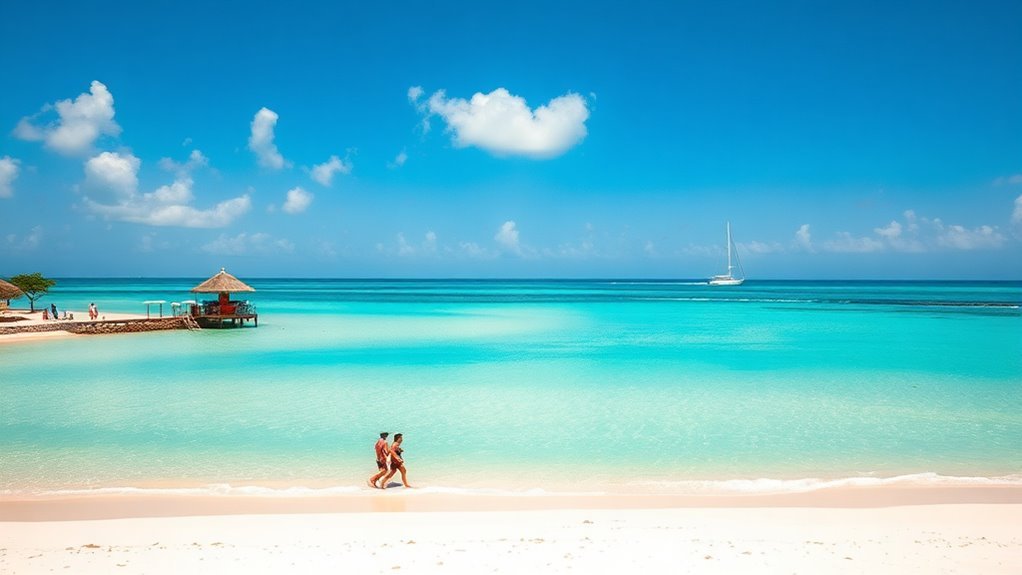
The Cayman Islands enjoy a tropical marine climate, keeping temperatures warm and inviting year-round. You’ll find temperature trends staying remarkably consistent, with averages ranging between 77°F (25°C) in winter and 90°F (32°C) during summer peaks. That steady warmth means you’re never far from comfortable beach conditions, no matter when you arrive.
Seasonal variations split the year into two distinct periods: a dry season running from November through April and a wet season stretching from May through October.
During the dry season, humidity drops, breezes feel invigorating, and rainfall stays minimal. The wet season brings afternoon showers, higher humidity, and occasional tropical storms, particularly between June and November during hurricane season.
Regardless of when you visit, the ocean temperature hovers between 78°F and 84°F (26°C–29°C), making swimming, snorkeling, and diving genuinely pleasurable throughout the entire year.
Peak Season: Great Weather, Big Crowds, and High Prices
If you’re planning a trip to the Cayman Islands, the peak season runs from mid-December through April, offering you sunny skies, calm seas, and low humidity that make it ideal for snorkeling, beach-going, and exploring the islands.
You’ll share that perfect weather with large crowds, though, so expect packed beaches, fully booked resorts, and airfare and accommodation prices that can run considerably higher than other times of year.
Booking well in advance and setting a flexible budget will help you make the most of peak season without getting caught off guard by the costs.
Peak Season Weather Highlights
During peak season, which runs from mid-December through April, the Cayman Islands deliver some of the Caribbean’s most enviable weather. Expect sunshine, low humidity, and invigorating trade winds that make every beach activity feel effortless.
| Month | Avg. Temp (°F) | Rainfall (inches) |
|---|---|---|
| December | 81° | 2.1 |
| January | 79° | 1.8 |
| February | 79° | 1.5 |
| March–April | 82° | 1.6 |
Conditions stay consistently dry, giving you maximum freedom to explore reefs, sail open waters, and join local festivals celebrating island culture. The water temperature hovers around 79°F, keeping snorkeling and diving comfortable daily. These months represent the Cayman Islands at their most vibrant and welcoming.
Managing Crowds and Costs
Perfect weather, however, comes with a trade-off: peak season draws the largest crowds and commands the highest prices across the island.
Hotels, dive operators, and restaurants all charge premium rates between December and April, so effective crowd management starts with smart planning.
Book your accommodations three to six months in advance to secure better rates and availability.
For cost saving tips, consider visiting in January or early April, when crowds thin slightly before spring break surges.
Eat at local spots away from Seven Mile Beach, rent a car instead of relying on taxis, and book excursions directly with operators rather than through hotel concierges.
These strategic choices let you experience the Cayman Islands’ best season without surrendering your entire travel budget.
How to Visit the Cayman Islands in Shoulder Season and Actually Win
If you time your trip for late April through May or November, you’ll sidestep the worst of the peak-season crowds while still enjoying warm, sunny weather and lower hotel rates.
During these shoulder months, you can often score deals on accommodations and excursions that simply don’t exist in peak season, so booking directly with local operators frequently gets you better rates than third-party sites.
To truly maximize value, pair your stay with a mix of free beach days and paid experiences, since Seven Mile Beach and the island’s snorkeling spots cost nothing to enjoy.
Shoulder Season Timing Tips
Timing your shoulder season trip to the Cayman Islands takes a little strategy, but it’s absolutely worth the effort. Aim for late April through early June, or November, to maximize off peak benefits without gambling on unpredictable conditions.
Check weather predictions consistently as your departure date approaches — apps like Weather Underground offer hyperlocal forecasting that keeps you ahead of any tropical disturbances.
Book accommodations with flexible cancellation policies so you can pivot if conditions shift. Travel mid-week rather than weekends to compound your savings and secure better availability.
Pack a light rain jacket — brief afternoon showers are normal but rarely ruin a full day. Stay nimble, stay informed, and you’ll experience the Cayman Islands on your own liberating terms.
Maximizing Value During Crowds
Shoulder season strategy gets you far, but sometimes your schedule simply doesn’t bend — and that’s okay.
Peak season crowds don’t have to drain your wallet or your patience if you deploy smart value strategies. Book accommodations directly with smaller guesthouses — they’re more flexible with rates than chain resorts.
Eat where locals eat: roadside jerk stands and inland restaurants cost a fraction of Seven Mile Beach prices.
For crowd avoidance, hit popular dive sites early morning before tour boats arrive, and explore East End or Bodden Town, which tourists perpetually overlook.
Midweek activities almost always cost less than weekend equivalents.
Stack your excursions through local operators rather than hotel concierges. You control the experience — the calendar doesn’t have to control you.
What Hurricane Season Actually Means for Your Trip
Hurricane season runs from June 1 through November 30, but that doesn’t mean you’ll spend your vacation huddled in a hotel lobby waiting out a storm. The Cayman Islands sees actual hurricane threats far less frequently than the season’s reputation suggests.
Most storms track toward other Caribbean destinations, leaving Grand Cayman, Cayman Brac, and Little Cayman untouched for years at a time.
Smart hurricane preparedness means monitoring forecasts before departure and knowing your hotel’s evacuation protocols. Beyond that, you’re largely free to enjoy reduced crowds and lower rates without obsessing over weather apps.
The real game-changer is travel insurance. A solid policy protects your investment if a named storm forces cancellation or early departure. You’ll recoup costs instead of absorbing losses.
Booking refundable rates and choosing flexible airline tickets adds another layer of protection, letting you travel with genuine confidence rather than unnecessary anxiety about worst-case scenarios.
Activities That Change Depending on When You Visit
When you visit shapes not just what you’ll pay, but what you’ll actually do once you’re there.
Summer brings calmer seas and peak snorkeling conditions, letting you explore coral walls and stingray sandbanks with exceptional visibility.
Winter draws humpback whales through Caribbean waters, making wildlife migrations a genuine spectacle worth timing your trip around.
Spring reveals Grand Cayman’s local festivals, including Pirates Week celebrations and the Batabano Carnival, where the island’s personality shows up unfiltered and loud.
These cultural events pull you into something real rather than curated.
Turtle nesting season runs May through October, giving you rare beach encounters at night.
Dive operators run specialized trips during this window you simply can’t book in December.
Dry season offers consistent conditions across the board, but wet season’s emptier reefs and spontaneous local energy offer freedom that peak-season crowds quietly steal from you.
Best Time to Visit the Cayman Islands on a Budget
Timing your trip right can cut serious costs without sacrificing the experience. The sweet spot for budget-conscious travelers is late April through June, just before hurricane season peaks.
You’ll find budget-friendly accommodations dropping considerably — sometimes 30–40% below peak rates — while the island still delivers sunshine and calm seas.
September and October offer the steepest discounts if you’re comfortable monitoring storm forecasts. Hotels practically compete for your business during these quieter months.
Affordable dining options open up when you step away from Seven Mile Beach’s resort strips. Local spots in George Town and surrounding neighborhoods serve authentic Caymanian food at a fraction of tourist-area prices.
Book flights mid-week, avoid holiday windows entirely, and you’ll stretch every dollar further.
Traveling smart here isn’t about compromising — it’s about owning your freedom to explore without financial strain holding you back.
Which Month Matches Your Travel Style?
Beyond budget, the month you choose shapes the entire texture of your trip — what you’ll see, feel, and do once you’re there. Whether you’re chasing cultural festivals, craving solitude, or exploring local cuisine, each month reveals a different version of the islands.
| Travel Style | Best Month | What You’ll Experience |
|---|---|---|
| Festival & Culture | January–February | Batabano Carnival energy, vibrant street life |
| Beach & Diving | April–June | Calm seas, clear visibility, fewer crowds |
| Budget Freedom | September–October | Lowest rates, quiet shores, raw authenticity |
| Food Exploration | November–December | Local cuisine festivals, fresh seafood season |
| Adventure & Nature | July–August | Turtle nesting season, lively atmosphere |
You’re not just picking dates — you’re choosing an identity for your trip. Let what excites you most lead the decision, and the Caymans will deliver exactly that version of itself.
Frequently Asked Questions
Do I Need a Visa to Visit the Cayman Islands?
You don’t need a visa for most nationalities! You’ll freely explore vibrant cultural experiences and savor incredible local cuisine. Just guarantee your passport’s valid, and you’re ready for an unforgettable Cayman Islands adventure!
What Currency Is Used in the Cayman Islands?
You’ll use the Cayman Islands currency, the Cayman Islands Dollar (KYD), during your visit. Don’t worry about currency exchange — US dollars are widely accepted, making your financial freedom effortless and stress-free throughout your island adventure!
How Do I Get to the Cayman Islands From the US?
You’ll fly directly to Grand Cayman from major US cities like Miami, New York, and Atlanta. Explore your flight options on booking sites for the best deals. These travel tips’ll help you soar toward island liberation effortlessly!
Is the Cayman Islands Safe for Solo Female Travelers?
You’ll absolutely love it there! The Cayman Islands are incredibly safe for solo female travelers. Follow basic solo travel tips, take standard safety precautions, and you’re free to explore this paradise with complete confidence.
What Vaccinations Do I Need Before Visiting the Cayman Islands?
You don’t need mandatory vaccinations for the Cayman Islands, but you’ll want to follow key health precautions. Vaccination requirements like Hepatitis A, Typhoid, and routine immunizations are strongly recommended to keep your adventure worry-free and empowering.
Conclusion
Think of the Cayman Islands as a great novel — peak season is the bestseller everyone’s grabbing off the shelf, crowded and expensive, but undeniably brilliant. Shoulder season is the hidden gem tucked quietly beside it, waiting for the savvy reader who knows better. You’ve got the map now. Whether you’re chasing sunshine, savings, or solitude, you can pick the chapter that fits your story and immerse yourself in these islands exactly when it’s right for you.