It’s no coincidence that most people who visit Death Valley unprepared do so in summer. You’d think the name alone would be warning enough. But timing your trip here isn’t just about avoiding heat — it’s about understanding how weather, crowds, and trail conditions intersect throughout the year. Get the timing right, and Death Valley transforms into something extraordinary. Get it wrong, and the consequences can be serious. What you discover next might change your plans entirely.
Death Valley’s Temperature Extremes by Season
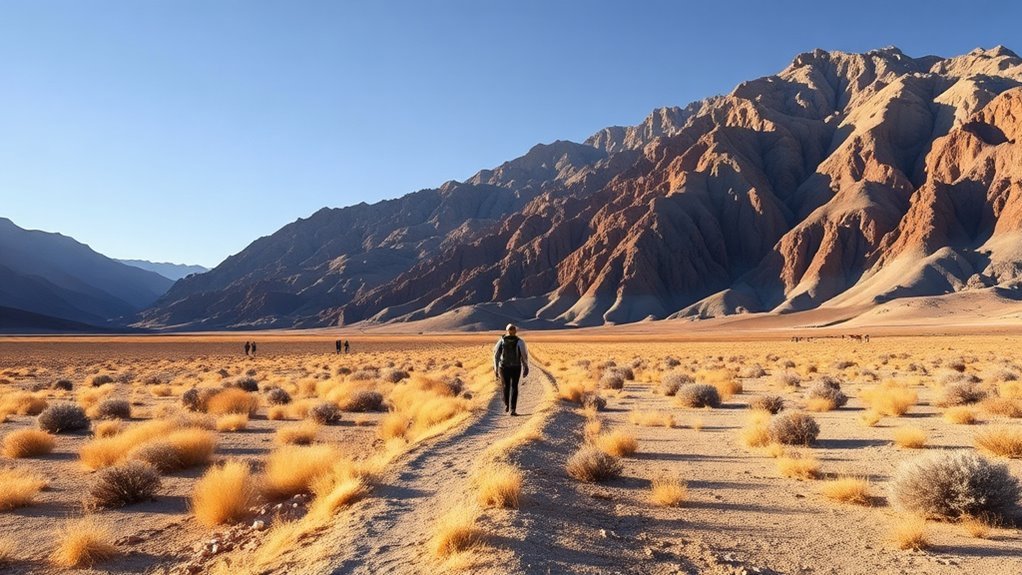
Death Valley is a place of brutal extremes, and knowing what temperatures to expect each season can make or break your trip.
Summer brings the most punishing seasonal extremes, with temperatures regularly surpassing 120°F (49°C) in July and August. You’ll face dangerous heat that can kill within hours if you’re unprepared.
Winter offers the most dramatic temperature variations, with daytime highs around 65°F (18°C) dropping sharply to near freezing overnight. It’s genuinely the most liberated time to explore the valley floor without restrictions.
Spring and fall sit in the sweet spot. March through May delivers comfortable 75–95°F (24–35°C) days, ideal for hiking before summer’s grip tightens.
September and October cool things down similarly.
Understanding these seasonal extremes isn’t optional—it’s essential. Your safety, stamina, and overall freedom to explore Death Valley’s remarkable landscape depend entirely on choosing the right season.
The Best Months to Visit Death Valley
If you’re planning a trip to Death Valley, October through April offers the most rewarding window. These best months deliver ideal weather—mild temperatures, manageable crowds, and accessible trails that let you explore freely.
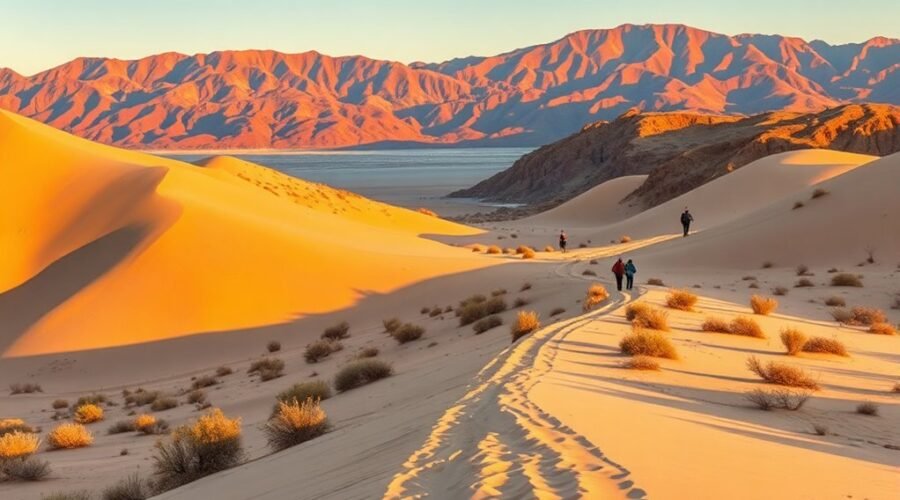
November through February sits at the sweet spot. Daytime highs hover between 60°F and 75°F, making hikes through Mesquite Flat Sand Dunes and Zabriskie Point genuinely comfortable. Nights drop sharply, so pack layers.
March and April bring wildflower blooms across the valley floor when winter rains cooperate. Temperatures climb into the 80s°F, still manageable but trending warmer—especially by late April.
October bridges summer’s brutal heat and autumn’s relief. Early October can still push past 95°F, so target mid-to-late October for safer conditions.
Avoid May through September entirely unless you’re chasing extreme heat records rather than meaningful experiences. The desert rewards those who arrive on its terms.
Why Winter Is the Sweet Spot for Most Visitors
If you’re looking for the ideal time to experience Death Valley without battling extreme heat or crowds, winter is your answer.
From November through February, you’ll enjoy mild temperatures ranging from the 60s to low 70s°F, making hiking trails far more accessible and comfortable.
You’ll also find fewer visitors during this season, giving you the rare chance to explore this stunning landscape in near-total solitude.
Mild And Pleasant Temperatures
Winter transforms Death Valley into one of the most inviting desert destinations in North America. From November through February, daytime temperatures typically hover between 60°F and 70°F, giving you the freedom to hike, explore, and roam without heat’s brutal grip.
You’ll wake up to crisp mornings, enjoy active afternoons on the trails, and settle into mild evenings that invite stargazing and campfire conversations. The desert’s famous perfect sunsets paint Zabriskie Point and Dante’s View in deep golds and purples, rewarding everyone who makes the journey.
You’re no longer racing against a deadly thermometer — you’re simply experiencing the landscape on your own terms. Winter hands you Death Valley’s full beauty without demanding you survive it first.
Fewer Crowds, More Solitude
Because summer’s brutal heat drives most visitors away, winter quietly becomes Death Valley’s best-kept secret. You’ll explore iconic sites like Zabriskie Point and Mesquite Flat Sand Dunes without fighting through tour groups or competing for parking. That freedom transforms your entire experience.
Winter delivers genuinely solitary experiences that summer and spring simply can’t match. You’ll stand alone on vast salt flats, absorbing tranquil landscapes stretching endlessly toward jagged mountain ridges. No noise, no crowds, just raw desert silence.
Practically speaking, you’ll secure campsites without advance reservations, photograph landmarks without strangers disrupting your frame, and hike trails at your own deliberate pace.
Death Valley rewards those who arrive when others won’t. Winter hands you the park entirely on your own terms.
Optimal Hiking Trail Conditions
Death Valley’s hiking trails transform completely once temperatures drop into the 50s and 60s°F, giving you the rare opportunity to push deep into canyon corridors, summit rugged peaks, and cross salt flats without heat exhaustion cutting your plans short.
Winter reveals the best hikes the park offers—Telescope Peak, Mosaic Canyon, and Golden Canyon become genuinely accessible rather than dangerous gambles.
You’ll move freely, breathe easier, and actually absorb the landscape instead of surviving it.
Follow core trail safety tips: start early, carry a liter of water per hour, and always tell someone your route.
Afternoon winds can still bite hard at elevation, so layer up.
Winter here isn’t a compromise—it’s your clearest path to experiencing Death Valley completely on your own terms.
Death Valley in Spring: Wildflowers, Warmth, and Rising Crowds
As winter loosens its grip on the Mojave Desert, Death Valley transforms into one of the Southwest’s most spectacular seasonal showcases. March through May delivers comfortable temperatures ranging from 75°F to 100°F, making trails genuinely accessible before summer’s brutal heat arrives.
As winter releases its hold, Death Valley awakens into spring’s most breathtaking and trail-friendly seasonal window.
You’ll discover that wildflower blooms paint the valley floor in stunning yellows, purples, and whites following sufficient winter rainfall. Spring photography opportunities peak in March, when golden poppies and desert gold carpet Badwater Basin’s surrounding alluvial fans. Chase the light during early morning or golden hour for dramatic shots against rugged canyon backdrops.
However, you’re not alone in recognizing spring’s appeal. Crowds surge considerably between February and April, particularly during superbloom events.
Book accommodations at Furnace Creek or Stovepipe Wells several months ahead. Arrive at popular viewpoints early to secure parking and experience the landscape without overwhelming foot traffic.
Death Valley in Summer: Risks, Realities, and Whether to Go
Summer in Death Valley is no joke — temperatures regularly exceed 120°F, turning asphalt into a hazard and making midday outdoor activity genuinely life-threatening.
You’ll want to avoid hiking, limit time outside, and never rely on an unchecked vehicle in this heat.
That said, if you plan carefully, visit at dawn or dusk, and embrace the surreal extremity of it all, summer can offer a uniquely raw and crowd-free experience.
Summer Heat Extreme Dangers
When summer arrives in Death Valley, the heat isn’t just uncomfortable—it’s genuinely life-threatening. Ground temperatures exceed 200°F, and dehydration risks escalate within minutes of sun exposure. Heat safety isn’t optional here—it’s survival.
| Danger | Threshold | Consequence |
|---|---|---|
| Air temperature | Above 120°F | Heat stroke risk |
| Ground surface | Above 200°F | Severe burns |
| Dehydration | 30 min exposure | Rapid fluid loss |
| Exertion | Any activity | Cardiac stress |
| Sun exposure | Unshaded areas | Fatal heat illness |
You can lose a liter of sweat hourly without realizing it. Your body signals fatigue long after damage begins. Recognize warning signs—dizziness, confusion, stopping sweating—as emergencies. Summer demands radical self-awareness, not casual exploration.
Worth Visiting In Summer
Despite the extreme dangers, Death Valley in summer has a strange pull—and for a small group of heat-experienced, well-prepared visitors, it’s worth the challenge.
You’ll find zero crowds, surreal landscapes shimmering under brutal light, and a raw, unfiltered version of the desert most people never witness.
Desert photography thrives here—the heat creates dramatic atmospheric distortion, vivid color contrasts, and lighting conditions that transform salt flats and dunes into otherworldly scenes.
After sunset, nighttime stargazing rewards your patience with some of the darkest, most star-saturated skies in North America.
The key is discipline: move only at dawn or dusk, rest during peak heat, and carry more water than you think you need.
Summer Death Valley doesn’t forgive carelessness—but it generously rewards respect.
Death Valley in Fall: Cooler Temps, Thinner Crowds
As summer fades, Death Valley begins its slow recovery from extreme heat, making fall one of the best times to visit. Temperatures drop markedly by October, hovering between 75°F and 90°F, giving you comfortable conditions to explore freely without summer’s brutal constraints.
Crowds thin considerably after Labor Day, so you’ll reclaim iconic spots like Zabriskie Point and Mesquite Flat Sand Dunes without the shoulder-to-shoulder congestion.
Fall photography becomes especially rewarding as softer light bathes the valley’s sculpted badlands and salt flats in rich golden tones during golden hour.
Autumn wildlife activity also picks up noticeably. Desert bighorn sheep, kit foxes, and migratory bird species become more visible as cooler temperatures encourage movement across the landscape.
Trails that were dangerous in July are now genuinely accessible.
Pack layers, though — nights cool quickly, and canyon temperatures can shift dramatically between sunrise and sunset.
How Trail Conditions Change Through the Year
Death Valley’s trails transform dramatically with each season, and knowing what to expect before you lace up your boots can make the difference between a rewarding hike and a dangerous one. Summer heat bakes soil into cracked, unstable surfaces, while flash floods can erase trails overnight. Winter brings snow to higher elevations, limiting access to peaks like Telescope Peak. Spring offers the most reliable conditions, though trail maintenance crews are actively repairing winter damage during this period.
| Season | Trail Conditions | Key Concerns |
|---|---|---|
| Spring | Firm, well-marked | Post-storm washouts |
| Summer | Scorched, unstable | Extreme heat, flash floods |
| Winter | Snow-covered (high elevation) | Seasonal closures, ice |
Check the National Park Service’s website before visiting—seasonal closures can affect your planned route without warning. You’ll hike smarter and safer when you treat trail conditions as essential trip-planning information, not an afterthought.
Death Valley’s Busiest Periods and How to Avoid Them
Three distinct periods draw the largest crowds to Death Valley: the spring wildflower bloom (February through April), the Thanksgiving holiday week, and the Christmas-to-New-Year’s stretch. During these windows, parking lots fill by 9 a.m., campsites disappear weeks in advance, and Badwater Basin becomes a shoulder-to-shoulder experience.
Smart off-peak travel means timing your visit for early November, late January, or mid-April after blooms fade. You’ll reclaim the silence this landscape demands.
Visit in early November, late January, or mid-April — when the crowds thin and the desert reclaims its silence.
For crowd management during unavoidable peak visits, arrive at popular trailheads before sunrise. Mesquite Flat Sand Dunes and Artist’s Drive see the heaviest traffic between 10 a.m. and 3 p.m. — dodge that window entirely.
Weekdays consistently outperform weekends regardless of season.
Book Furnace Creek accommodations six months ahead if you’re visiting over any federal holiday. The park rewards those who plan deliberately and move on their own schedule.
How to Plan Your Trip Around Weather and Crowd Peaks
Planning a Death Valley trip means balancing two variables simultaneously: temperature and crowd density. Smart trip timing lets you reclaim the park on your own terms.
| Month | Strategy |
|---|---|
| October | Mild temps, moderate crowds |
| November | Cool weather, fewer visitors |
| December | Cold nights, low crowd density |
| February | Wildflower potential, busier weekends |
| March | Rising temps, peak spring crowds |
Use this table as your crowd management compass. October and November hit the sweet spot — you’ll dodge both brutal heat and shoulder-season rushes.
Avoid holiday weekends without exception. Presidents’ Day and Thanksgiving consistently spike visitor numbers, overwhelming campgrounds and trailheads.
Book campsites 6 months ahead if you’re targeting February or March. Arrive at popular sites like Badwater Basin before 8 a.m. to secure solitude.
Flexibility is your greatest asset — shift your dates by even one week and you’ll transform your entire experience.
Frequently Asked Questions
Are There Any Entrance Fees or Passes Required for Death Valley?
Yes, you’ll need to pay entrance fees to access Death Valley. A 7-day vehicle pass costs $35, or you can use the America the Beautiful park passes for unlimited, year-round freedom across national parks.
What Wildlife Might I Encounter During My Death Valley Visit?
You’ll encounter fascinating wildlife showcasing incredible desert adaptations, including roadrunners, coyotes, and bighorn sheep. Watch for nocturnal animals like kit foxes and sidewinder rattlesnakes after dark, when they’re most active and freely roaming Death Valley’s vast terrain.
Is Camping Available Inside Death Valley National Park Year-Round?
Yes, you’ll find year-round camping inside Death Valley! However, you must follow camping regulations carefully. Campsite amenities vary by location — some offer water and restrooms, while others provide primitive, off-grid freedom perfect for your independent spirit.
How Far Is Death Valley From Las Vegas or Los Angeles?
Vast open roads await you — Death Valley’s roughly 2 hours from Las Vegas and 4 hours from Los Angeles. Both travel routes offer breathtaking scenic stops, so you’ll embrace true freedom stretching endlessly before you.
Are There Ranger-Led Programs or Guided Tours Available in Death Valley?
You’ll find ranger programs and guided tours throughout Death Valley! Rangers lead free walks, talks, and evening programs. You can also book private guided tours to explore the park’s stunning landscapes on your own terms.
Conclusion
Whether you’re chasing wildflowers in spring or escaping the crowds in fall, timing your Death Valley visit makes all the difference. You’ll find the sweet spot between October and April, when the desert sheds its fiery extremes and welcomes exploration. Plan around the weather, check trail conditions before you go, and avoid peak holiday weekends if solitude matters to you. A little preparation turns this harsh landscape into an unforgettable adventure.