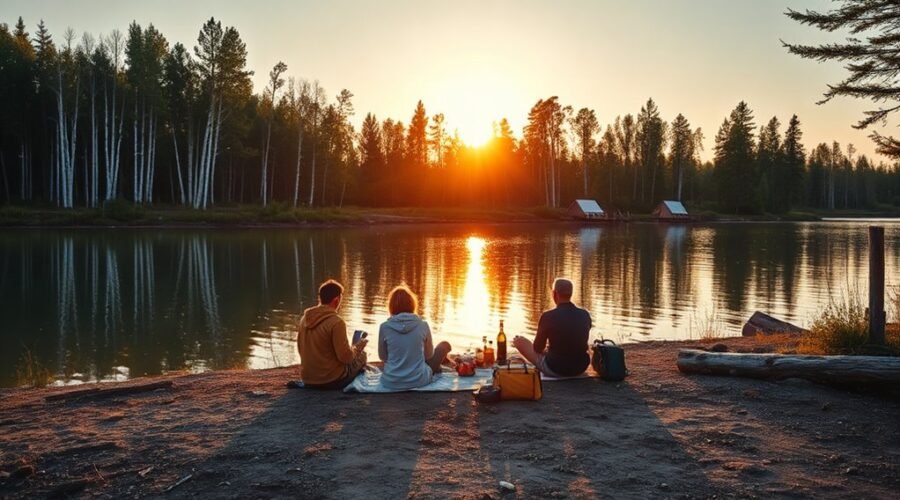
The best time to visit Finland depends on whether you want the Northern Lights, the midnight sun, snowy adventures, or lower travel costs. Finland changes dramatically between seasons, and the weather in Helsinki can be very different from conditions in Lapland. Choosing the right month will help you enjoy your trip without paying for experiences you cannot actually have.
Quick Answer
The best time to visit Finland is June to August for warm weather and long days, September for autumn colors, and February to March for snowy landscapes and Northern Lights. December is ideal for Christmas experiences in Lapland. April, May, October, and November can offer better value, depending on your destination.
Last checked: November 15, 2026. Dates and figures were verified against official sources.
Key Takeaways
- Northern Lights are visible during dark, clear nights from roughly late August to early April. Lapland offers much better viewing chances than Helsinki.
- The true midnight sun occurs north of the Arctic Circle. Southern Finland has very bright summer nights, but the sun still sets.
- July is busy for summer travel, while Christmas brings heavy demand to Lapland. Popular autumn hiking areas can also attract crowds.
- Finland has no single cheapest month. Accommodation prices vary considerably between Helsinki, Lakeland, and Lapland.
- May and September are useful alternatives for travelers who prefer fewer crowds and comfortable sightseeing without peak summer demand.
What Finland’s Seasons Actually Look Like
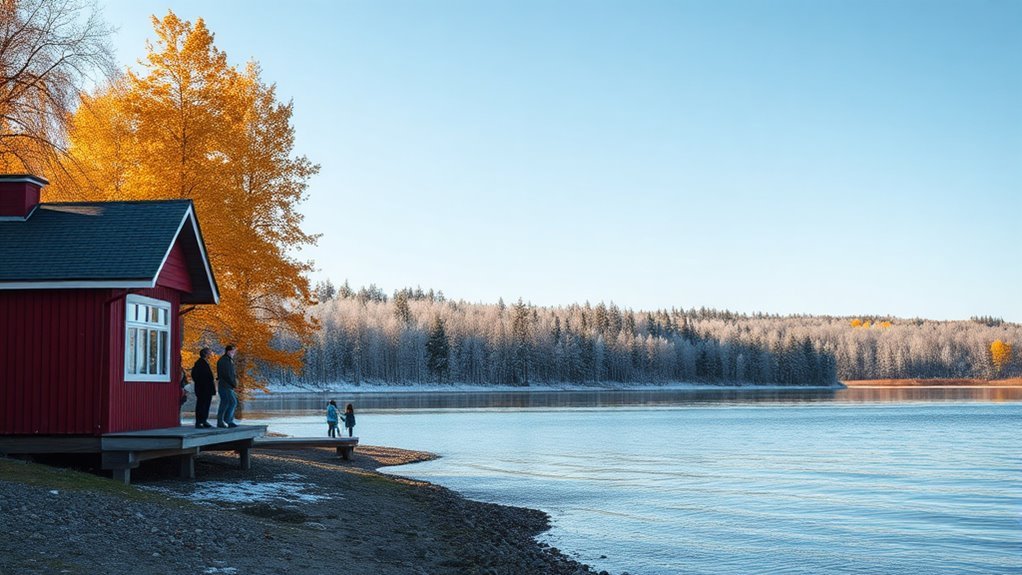
Finland has four distinct seasons, but they do not arrive everywhere at the same time. Spring begins earlier in Helsinki, while snow can remain in northern Lapland well into May. Summer is short, autumn arrives quickly, and winter can last for months in the north.
According to Finland’s official information portal, the country has approximately 40,000 kilometers of coastline, including its islands. Its extensive lakes, forests, and northern wilderness give travelers very different experiences throughout the year.
The table below compares the main travel seasons. Temperatures are representative monthly averages, not daytime highs, using the Finnish Meteorological Institute’s 1991–2020 climate normals for Helsinki Kaisaniemi and Rovaniemi Airport.
| Season | Typical Temperature | Best Experiences | Crowd Pattern |
|---|---|---|---|
| Spring (March–May) | May: Helsinki 10.4°C; Rovaniemi 6.5°C | Vappu celebrations, city walks, late-season Lapland skiing | Usually lower outside holidays and ski periods |
| Summer (June–August) | July: Helsinki 18.1°C; Rovaniemi 15.6°C | Midnight sun, lakes, hiking, festivals | High in popular summer destinations |
| Autumn (September–November) | September: Helsinki 12.3°C; Rovaniemi 7.7°C | Ruska foliage, hiking, early auroras | Often moderate; popular ruska trails get busy |
| Winter (December–February) | December: Helsinki -0.7°C; Rovaniemi -7.7°C | Christmas, snow sports, polar nights | Very high in Lapland around Christmas |
These averages come from the official May, July, September, and December climate statistics. Actual daily temperatures can be much warmer or colder.
In spring, melting ice and returning migratory birds bring the forests and lakes back to life. Hiking becomes easier as the snow disappears, although northern trails may remain covered.
Summer brings long days and active lakeside towns. Autumn transforms the forests into yellow, orange, and red landscapes during ruska, Finland’s fall foliage season.
Winter creates frozen lakes, snowy forests, and dark northern skies. It is the season for skiing, snowshoeing, reindeer experiences, and Northern Lights tours.
Your best season depends on which of these experiences matters most.
Winter in Finland: Northern Lights, Snow, and Polar Nights
Winter is the best season for a traditional snowy Finland holiday. Visit Finnish Lapland between December and March for skiing, snow-covered forests, and Arctic activities. For Northern Lights, February and March are especially attractive because dark nights remain while daylight hours gradually increase.
Rovaniemi is popular with families, while Saariselkä, Luosto, Levi, and Ylläs are excellent destinations for northern landscapes and winter activities.
Lapland temperatures can fall to -30°C (-22°F), particularly during severe cold spells. Conditions are generally milder in Helsinki, but freezing temperatures, wind, and slippery streets are still possible.
Winter also brings polar night, known in Finnish as kaamos. In the far north, the sun remains below the horizon for weeks. The Finnish Meteorological Institute reports that the polar night lasts approximately 51 days in Finland’s northernmost area.
However, polar night does not mean complete darkness all day. Blue and pink twilight can illuminate the snowy landscape around midday.
Northern Lights Viewing Tips
The Northern Lights are visible in Finland during dark nights from roughly late August to early April. September, October, February, and March are particularly useful months for planning an aurora-focused trip.
The Finnish Meteorological Institute’s aurora statistics show how strongly location affects your chances.
- Kilpisjärvi: Auroras may be visible on approximately 75% of dark, cloudless nights.
- Levi, Ylläs, and Saariselkä: Viewing conditions are statistically favorable on roughly half of dark, clear nights.
- Oulu and Kuusamo: Opportunities are lower than in northern Lapland.
- Helsinki: Auroras are much less frequent and generally require stronger geomagnetic activity.
These are statistical probabilities under suitable conditions, not guaranteed sightings. Thick clouds can hide even strong aurora activity.
For the best results, stay away from bright city lights and choose an open area with a clear northern horizon. A frozen lakeside or open fell can provide excellent visibility when the location is safe to access.
Use the Finnish Meteorological Institute’s space weather monitoring service alongside a local cloud forecast. Aurora alert apps can also notify you when geomagnetic activity rises.
For photography, bring a sturdy tripod and a wide-angle lens. Start with a high ISO and an exposure of around 10–25 seconds, then adjust for the aurora’s brightness and movement. Brighter, faster-moving displays often need shorter exposures to retain detail.
A guided aurora tour can help if you are unfamiliar with remote winter roads or safe viewing locations. Guides also know where artificial light is least likely to interfere.
Polar Night Travel Essentials
Traveling during polar night requires proper clothing, dependable lighting, and realistic plans for outdoor activities. In northern Finland, very short daylight hours make preparation especially important.
Pack these essentials:
- Thermal base layers and warm wool or fleece clothing.
- An insulated, wind-resistant winter jacket.
- Waterproof, insulated boots with good traction.
- Warm gloves, a hat, a neck warmer, and spare socks.
- A headlamp for dark walking routes.
- A charged phone, portable power bank, and appropriate navigation tools.
Warning: Never assume a frozen lake is safe to cross. Ice thickness and strength vary with currents, weather, and location. Use marked routes or locally supervised activities, especially when traveling during winter darkness.
Polar night can also affect your sleep and energy levels. Keep a regular sleep schedule and use the available daylight for outdoor walks. Some travelers use light therapy glasses, although their benefits vary and they should not replace medical advice for persistent symptoms.
Finland’s winter atmosphere is not limited to outdoor adventure. Candlelit cafés, steaming saunas, Christmas markets, and quiet snow-covered forests create plenty of reasons to enjoy the darker months.
If Christmas is your main goal, visit Rovaniemi in December. Santa Claus Village operates year-round, but Christmas brings its busiest festive atmosphere. Its individual attractions and businesses have separate opening schedules.
Summer in Finland: Midnight Sun and Warm Temperatures
June through August is the best time to visit Finland for pleasant weather, long days, lakes, and outdoor activities. July is generally the warmest month, making it a strong choice for swimming, hiking, kayaking, and city sightseeing.
Southern Finland offers comfortable summer weather, while Lapland combines milder temperatures with unusually long daylight hours.
Summer is also the main season for Finnish cottage holidays, outdoor festivals, lakeside saunas, and trips through the coast and archipelago.
Midnight Sun Experience
The midnight sun occurs when the sun stays above the horizon for 24 hours or longer. In Finland, this happens north of the Arctic Circle during summer.
According to Visit Finland’s midnight sun guide, the far north experiences continuous daylight for an extended period. In northernmost Lapland, the phenomenon can last for more than two months.
Rovaniemi, near the Arctic Circle, is a convenient destination for experiencing the season. Saariselkä, Inari, and Utsjoki offer even more dramatic northern summer light.
In Helsinki, the sun still sets. However, the nights around the June solstice remain exceptionally bright, with long twilight hours.
The midnight sun gives you unusual freedom to enjoy outdoor activities after normal evening hours.
- Take a late-night hike across Lapland’s open fells.
- Photograph lakes and forests in soft golden light.
- Go kayaking, cycling, or fishing during extended daylight.
- Enjoy a lakeside sauna followed by a refreshing swim.
- Visit outdoor concerts and summer festivals.
Photography is particularly rewarding because the low sun creates warm colors and long shadows. You can capture attractive landscapes late at night without waiting for a conventional sunset.
Bring an eye mask if you struggle to sleep in bright conditions. Accommodation blackout curtains are also helpful during Lapland’s nightless nights.
Summer Temperature Ranges
Finnish summer is usually mild rather than consistently hot. Average temperatures vary by location, and a warm afternoon can still be followed by a cool evening.
In Helsinki, typical summer daytime temperatures often reach around 18–25°C (64–77°F), while Lapland is generally cooler.
July’s 1991–2020 average temperature was 18.1°C (64.6°F) at Helsinki Kaisaniemi and 15.6°C (60.1°F) at Rovaniemi Airport. These are monthly means, so they include both daytime and nighttime temperatures.
Summer heat waves can push temperatures well above the averages, particularly in southern and central Finland.
Pack light clothing, comfortable walking shoes, a waterproof jacket, and an extra layer for cool evenings.
For wilderness travel, carry insect repellent. Mosquitoes can be troublesome in Lapland and around wetlands during parts of the summer, especially in June and July.
Another important summer date is Midsummer, or juhannus. In 2027, Midsummer Eve falls on June 25 and Midsummer Day on June 26.
Finnish families often celebrate at lakeside cottages, with saunas, bonfires where permitted, and time outdoors. Many city businesses reduce their hours during the holiday, while cottage destinations become especially popular.
Spring and Autumn: Lower Crowds, Lower Prices, Real Trade-Offs
Spring and autumn are worth considering if you want a quieter trip and more flexible accommodation choices. May is especially pleasant for southern city breaks, while September brings colorful forests and the return of dark skies in Lapland.
However, neither season is uniformly quiet or inexpensive. Spring holidays and popular autumn hiking destinations can still attract substantial crowds.
Spring: April and May
Spring arrives gradually, beginning earlier in southern Finland than in Lapland. In Helsinki, April and May bring longer days, melting snow, and the return of outdoor cafés and parks.
May is useful for travelers who enjoy walking tours, museums, waterfront sightseeing, and early-season nature trips.
The major spring celebration is Vappu, held on April 30 and May 1. In Helsinki, traditional celebrations include student gatherings, festive markets, and picnics in Kaivopuisto Park.
Vappu is lively and culturally rewarding, but it can also increase demand around the city center.
Lapland follows a different schedule. Ski resorts such as Levi and Ylläs may continue offering snowy activities into April or early May, depending on conditions and operating schedules.
Spring’s main drawback is its unpredictable transition from snow to rain and melting ice. Some northern hiking paths remain muddy, snowy, or difficult to use.
Autumn: September and October
Autumn is one of Finland’s most beautiful seasons. The forests turn gold, orange, and red during ruska, and cooler weather makes longer hikes more comfortable.
Visit Finland’s autumn foliage guide places the average peak in northern Finland around the second week of September, often lasting roughly ten days. In southern Finland, the strongest colors usually arrive in late September or early October.
Weather can shift the peak, so these dates are useful planning windows rather than guarantees.
Popular autumn destinations include:
- Saariselkä: Excellent for northern forests, open fell scenery, and hiking.
- Levi: A convenient base for autumn views and outdoor activities.
- Ylläs: Known for its landscapes and access to extensive hiking routes.
- Oulanka National Park: Offers colorful forests, rivers, and scenic trails.
September also offers an opportunity to combine autumn foliage with Northern Lights viewing. Unlike midsummer, the returning darkness gives you a chance to see auroras after a daytime hike.
Although autumn is quieter in many cities, Lapland’s most famous ruska trails can become busy during peak foliage weeks.
October and November become progressively colder, darker, and wetter in many areas. Some outdoor services reduce operations between the summer and winter seasons.
Pro Tip: If your goal is both autumn colors and Northern Lights, plan several nights in Lapland during September. You can use the daylight for hiking and leave the darker evenings open for aurora viewing.
When Are the Crowds Worst in Finland?
Finland’s busiest travel periods depend on the region. July brings heavy summer demand, while December is particularly busy in Rovaniemi and other Christmas destinations in Lapland.
Winter ski holidays, Midsummer celebrations, major festivals, and autumn foliage can also create local peaks.
| Period | Hotspot | Crowd Level |
|---|---|---|
| February–March | Levi, Ylläs, other ski resorts | Moderate–High |
| Late June | Lakeland cottages, holiday destinations | High around Midsummer |
| July | Helsinki, Turku, Lakeland, popular trails | Very High |
| August festival weekends | Helsinki | High locally |
| Mid-September | Popular Lapland ruska trails | Moderate–High |
| December | Rovaniemi, Santa Claus Village | Very High |
July’s festival calendar adds to the demand. The Ruisrock music festival is scheduled for July 9–11, 2027, in Turku’s Ruissalo area.
In Helsinki, Flow Festival is scheduled for August 13–15, 2027, at Suvilahti. Festival weekends can increase demand for nearby hotels and transport.
Other busy attractions include Suomenlinna fortress during summer weekends, Levi’s ski slopes during winter holidays, and Santa Claus Village around Christmas.
For major festivals and Christmas travel in Lapland, booking accommodation three to six months ahead is a sensible starting point. Particularly popular properties may require even earlier reservations.
If you want fewer crowds, consider Helsinki in May or October, quieter Lakeland destinations outside summer holidays, or Lapland in March after the busiest winter holiday periods.
How Much Does Finland Cost by Season?
Finland’s travel costs vary more by destination and event than by season alone. Summer can be expensive in popular lake and coastal areas, while Christmas brings particularly high accommodation prices in Lapland.
Official hotel statistics help show why a simple national peak-season rule can be misleading.
Statistics Finland published the following average hotel room prices for 2025. These are nationwide monthly averages, not guaranteed prices for individual travelers.
| Month in 2025 | Average Hotel Room Price | Travel Context |
|---|---|---|
| April | €110 | Spring transition and lower nationwide hotel occupancy |
| July | €114 | Busy domestic summer travel period |
| November | €131 | Quieter in some destinations, but winter demand begins in Lapland |
| December | €168 | Christmas tourism creates strong demand, especially in Lapland |
Sources: Statistics Finland’s accommodation statistics for April 2025, July 2025, November 2025, and December 2025.
The December figures show an especially important regional difference. The nationwide average was €168 per room, but the average in Lapland reached €356.
This does not mean every hotel in Lapland charged that amount. It shows how strongly Christmas tourism can influence regional accommodation costs.
Seasonal budgeting also depends on your activities.
- Spring: City breaks and some accommodation can offer good value, but late-season skiing still attracts visitors to Lapland.
- Summer: Lakeside cottages, popular hotels, rental cars, and guided tours may become more expensive during holiday periods.
- Autumn: Many destinations become quieter, but accommodation near popular ruska hiking areas can remain in demand.
- Winter: December Christmas packages and certain ski holiday weeks can be expensive, while other winter dates may provide more choices.
Activities make a difference too. Walking in a national park is free, while guided husky rides, reindeer safaris, lift tickets, and organized Northern Lights excursions cost extra.
To control your budget, compare the total cost of accommodation, transportation, meals, and paid activities rather than looking only at the nightly room rate.
The Cheapest Time to Visit Finland
There is no single cheapest month to visit Finland across every destination. April, May, October, and November are useful months to investigate for lower-demand trips, but the best deal depends on where you go.
November is not automatically the cheapest option. Finland’s 2025 national accommodation figures show that average hotel prices were higher in November than in April or July.
For a budget-focused trip, consider these practical options:
- Visit Helsinki in spring or autumn. You can enjoy museums, architecture, cafés, and waterfront walks without depending on expensive seasonal tours.
- Choose April or May for a flexible city break. These months can offer more accommodation choices outside major holidays.
- Explore Finland’s national parks. Hiking and enjoying the landscapes generally require no admission fee, although transportation, parking, rentals, and other services may cost money.
- Avoid Christmas week in Lapland if price matters most. Consider other winter dates if you want snow without the strongest festive demand.
Visit Finland’s guide to Finnish currency and travel spending confirms that Finland uses the euro and that national parks are free to enter.
November can still be appealing if you enjoy quiet cities, museums, saunas, and indoor culture. However, it comes with cold, dark weather, and natural snow conditions can be less dependable in southern Finland than in northern Lapland.
Some outdoor attractions also operate reduced hours between summer and winter seasons.
Pro Tip: Compare the same trip across several nearby dates before booking. A hotel that is expensive during a festival, school holiday, or ski week may cost considerably less outside that local demand period.
The Best Time to Visit Finland for Your Travel Style
The best time to visit Finland comes down to your interests. Someone visiting for Arctic snow needs a different season from a traveler planning a lakeside holiday or a hiking trip.
Use the following guide to match your preferred activities with the right travel period.
| Travel Style | Best Season | Top Experience |
|---|---|---|
| Adventure Seeker | Winter (Dec–Mar) | Dog sledding, skiing, snowshoeing |
| Culture Explorer | Summer (Jun–Aug) | Midsummer celebrations, festivals, markets |
| Nature Lover | Autumn (Sep–Oct) | Ruska foliage, forest hikes, early auroras |
| Northern Lights Traveler | Sep–Oct or Feb–Mar | Aurora viewing in Lapland |
| Summer Outdoor Traveler | Jun–Aug | Midnight sun, kayaking, swimming, cycling |
| Budget Traveler | Apr–May or Oct–Nov | Flexible city breaks and free outdoor activities |
If you are visiting Finland for the first time, July is an easy choice for exploring Helsinki, Lakeland, and other southern destinations. You will have long days, active visitor services, and the widest choice of summer activities.
For a first trip to Lapland, February or March is particularly appealing. Snow conditions are generally established, and the longer days make sightseeing more comfortable than during the darkest winter weeks.
September is an excellent alternative for nature lovers who prefer hiking and autumn colors instead of deep snow.
Families planning a Christmas trip should choose December, while accepting higher accommodation demand around Rovaniemi.
Finland also has worthwhile experiences that do not depend on a particular season. Saunas, cultural attractions, museums, local food, and city sightseeing can form part of almost any itinerary.
Before choosing your dates, decide whether you want snow, daylight, autumn colors, or lower costs. That single decision will help narrow down your destination and travel month.
Frequently Asked Questions
Do I Need a Visa to Visit Finland as a Tourist?
Whether you need a visa depends on your nationality and travel documents. Finland is part of the Schengen Area, where short tourist stays are generally limited to 90 days within any 180-day period. EU citizens generally do not need a tourist visa. Other travelers should confirm their eligibility using Finland’s official visa requirements by nationality.
What Language Do People Speak in Finland?
Finland has two national languages: Finnish and Swedish. Finnish is the most widely spoken, while Swedish is more common in certain coastal areas and Åland. Sámi languages are also spoken in northern Finland. English is widely understood in major cities, hotels, restaurants, and tourist destinations.
Is Finland a Safe Country for Solo Female Travelers?
Finland is generally considered a safe destination for solo female travelers, with relatively low crime levels and reliable public services. Standard precautions still matter, particularly when walking alone late at night or exploring remote wilderness. Tell someone your plans before long hikes, and use licensed transportation or organized tours when appropriate.
What Currency Does Finland Use for Everyday Purchases?
Finland uses the euro (€) for everyday purchases. Credit and debit cards are widely accepted in cities, hotels, restaurants, and most shops. Contactless payments are common, although carrying a small amount of cash can be useful for occasional markets or remote services.
Can I Drink Tap Water Safely Throughout Finland?
Yes, treated municipal tap water is generally safe to drink throughout Finland. You can refill a reusable bottle in hotels, restaurants, and other places with a normal drinking-water supply. Follow local notices if a temporary water quality problem occurs, and do not assume untreated lake or stream water is safe.
Conclusion
The best time to visit Finland depends on your priorities. Choose summer for warm weather and endless daylight, September for autumn colors, or late winter for snow and Northern Lights. If costs matter most, compare several months and destinations rather than assuming one season is always cheapest.
Start with the experience you want most, choose the region that offers it, and then select your travel dates. Finland has something memorable to offer in every season.
Sources
- thisisFINLAND, Nature in Finland: Finland’s coastline length and natural geography.
- Finnish Meteorological Institute, May, July, September, and December monthly climate statistics: 1991–2020 temperature averages for Helsinki Kaisaniemi and Rovaniemi Airport.
- Finnish Meteorological Institute, Auroras in Finland: Northern Lights visibility probabilities, seasonal patterns, and regional differences.
- Finnish Meteorological Institute, Auroras and Space Weather: Geomagnetic observations and aurora monitoring.
- Visit Finland, Finland – Land of the Midnight Sun: Continuous daylight and summer experiences in northern Finland.
- Visit Finland, Best Ways to Experience Fall Foliage in Finland: Ruska timing and regional differences.
- Ruisrock, Official Festival Information: July 9–11, 2027 dates and location.
- Flow Festival, Official 2027 Announcement: August 13–15, 2027 dates and location.
- Santa Claus Village, Opening Hours and Dates: Year-round operations and seasonal schedules.
- Statistics Finland, Accommodation Statistics for April, July, November, and December 2025: Average hotel room prices and regional comparisons.
- Ministry for Foreign Affairs of Finland, Visa Requirements and Travel Documents Accepted by Finland: Schengen entry requirements.
- Visit Finland, Currency, Tipping and Paying in Finland: Euro usage, free national park access, and budget travel information.