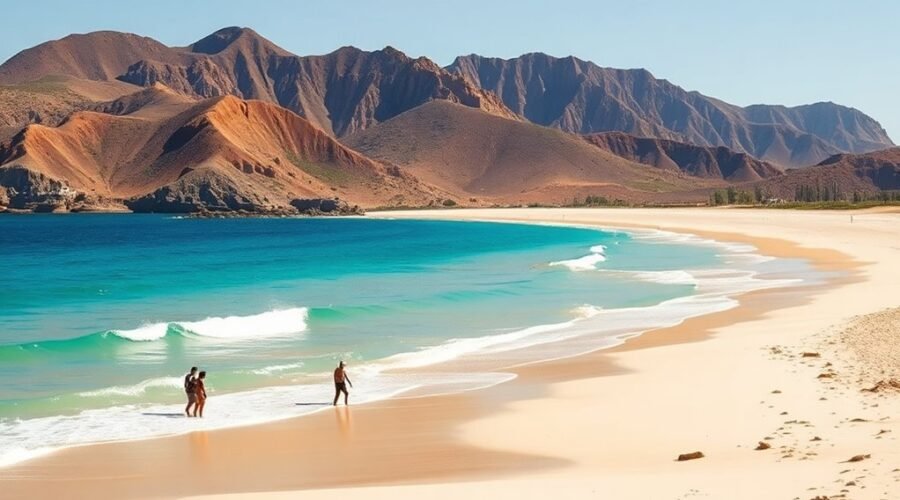
The best time to visit Baja California depends on whether you want warm beaches, gray whales, desert adventures, or lower travel costs. The peninsula stretches from the U.S. border to Los Cabos, with different weather patterns in the north and south. Choosing the right month and region can help you avoid extreme heat, dangerous storms, and unnecessary crowds.
Quick Answer
The best time to visit Baja California is generally November through April for comfortable weather. April, May, and late November are good choices for lighter crowds. Visit from January through March for whale watching. Summer offers surfing and fishing, but August through October brings greater heat, humidity, and tropical storm risks.
Last checked: November 15, 2026. Key seasonal dates and official travel information were verified against authoritative sources.
Key Takeaways
- Northern Baja has cooler Pacific weather and winter rain. Southern Baja stays warmer but faces greater tropical storm exposure.
- Gray whale watching in the main Pacific lagoons is officially authorized from December 15, 2026, through April 30, 2027.
- The eastern Pacific hurricane season officially runs from May 15 through November 30.
- Major events can raise accommodation demand even during otherwise quiet months.
- Traveling outside major holidays and choosing local food and accommodation can reduce your budget.
What Does Baja California’s Climate Actually Look Like?
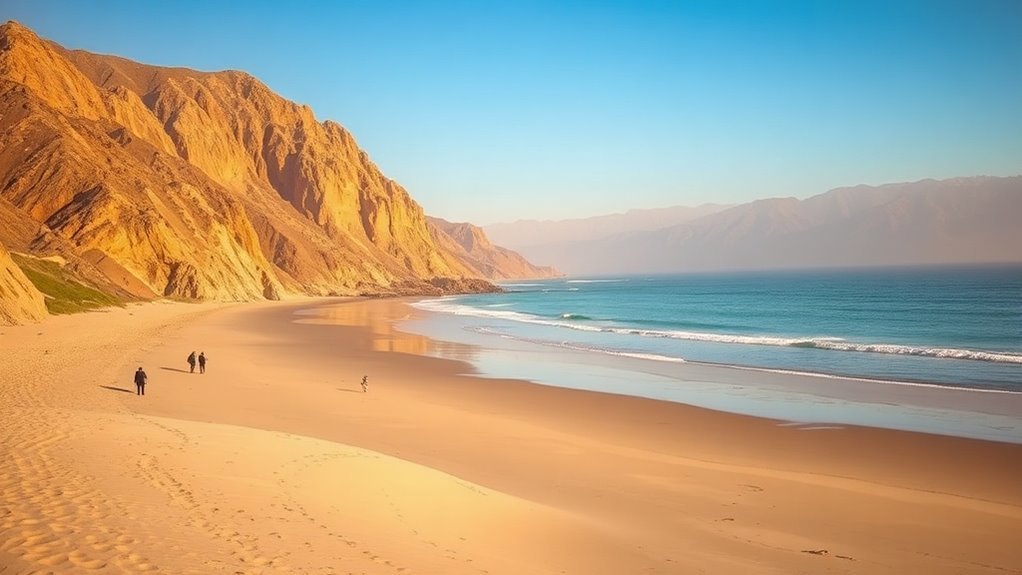
Baja California has several climate zones, from cooler Pacific beaches to extremely hot desert valleys. The peninsula extends more than 1,000 miles from the U.S. border toward Los Cabos. Its weather changes considerably along the way.
One important distinction is that the peninsula contains two Mexican states: Baja California in the north and Baja California Sur in the south.
Climate in Northern Baja California
Ensenada, Rosarito, and the Valle de Guadalupe wine region have a Mediterranean-style climate. Winters are generally cooler and wetter, while summers are warmer and drier.
Ensenada’s Mediterranean climate means cooler, sometimes rainy winters and mostly dry summers. That makes late spring through early fall attractive for outdoor visits.
The northern interior is much hotter. Mexicali and nearby desert areas can experience temperatures above 100°F during summer.
Mountain areas such as Sierra de San Pedro Mártir are cooler. Snow is possible at higher elevations during winter.
The official Baja California seasonal tourism guide describes spring temperatures of roughly 64–77°F across the state, with much hotter conditions in parts of the interior during summer.
Climate in Baja California Sur
Farther south, La Paz, Loreto, and Los Cabos have warmer, drier winters. Summer brings stronger heat, higher humidity, and occasional intense rain.
The Los Cabos tourism authority’s weather guide describes winter temperatures near 75°F and summer daytime temperatures around 90°F.
The Sea of Cortez side often has warmer water than the Pacific coast. However, local wind, currents, and beach exposure can change swimming conditions.
What this means for your trip: You could enjoy mild coastal weather near Ensenada while La Paz or Cabo feels significantly hotter. Choose your destination before deciding which month’s weather suits you.
What’s Baja California’s Weather Like Season by Season?
Baja California offers different experiences throughout the year. Spring and late fall generally favor outdoor exploration, while winter attracts whale watchers and summer appeals to surfers and anglers.
The table compares typical daytime conditions in Ensenada and Los Cabos. Ensenada values are approximate seasonal ranges of average daily highs from Ensenada’s historical climate averages. Los Cabos figures are approximate seasonal conditions from its tourism authority, not forecasts.
| Season | Temperatures | Rainfall Patterns |
|---|---|---|
| Spring (Mar–May) | Ensenada: 69–75°F highs Los Cabos: Low to upper 80s°F |
Mostly dry; comfortable conditions for outdoor trips |
| Summer (Jun–Aug) | Ensenada: 79–85°F highs Los Cabos: Around 90°F |
Dry in much of the north; hotter, more humid, and storm-prone in the south |
| Fall (Sep–Nov) | Ensenada: 73–83°F highs Los Cabos: Roughly 80–90°F |
Tropical storm risk early in fall; generally improving conditions later |
| Winter (Dec–Feb) | Ensenada: 68–69°F highs Los Cabos: Around 75°F |
Winter showers in the north; generally drier weather in the south |
These are destination examples, not temperatures for the entire peninsula. Mexicali can be much hotter than Ensenada, while mountain areas can be considerably colder.
Spring: March Through May
Spring is one of the easiest seasons for exploring Baja California. Daytime weather is usually comfortable for road trips, hiking, wine country visits, and coastal sightseeing.
- Best activities: Desert hiking, whale watching early in the season, sightseeing, and coastal road trips.
- Weather: Mostly dry, with warmer conditions developing toward May.
- Crowds: Spring Break and Easter can create busy periods in resort areas.
- Best for: First-time visitors, hikers, and travelers seeking moderate temperatures.
Desert wildflowers may bloom after sufficient winter rain. However, widespread flowering is not guaranteed every year.
Ensenada’s Carnaval celebrations can also bring music, food, and additional visitors to the city during the late-winter or early-spring period.
Summer: June Through August
Summer is hot across much of the peninsula, especially inland and around La Paz. However, it remains attractive for certain water sports.
- Best activities: Surfing, sport fishing, diving, and beach activities where sea conditions permit.
- Weather: Hot, with increasing humidity and tropical storm exposure in southern Baja.
- Crowds: Mexican summer holidays and special events can make popular destinations busy.
- Best for: Experienced surfers, anglers, and travelers comfortable with hotter weather.
Summer is also an important season for wine tourism in northern Baja.
In 2026, the Valle de Guadalupe’s Fiestas de la Vendimia wine harvest celebrations ran from August 5 through August 30.
Fall: September Through November
Fall begins with a significant tropical storm risk in southern Baja. Conditions usually become more comfortable as the season progresses.
- Best activities: Diving, fishing, wildlife watching, hiking, and road trips later in the season.
- Weather: Hot and potentially stormy in September, generally milder by November.
- Crowds: Often lighter outside major festivals and sporting events.
- Best for: Flexible travelers who want warmer water and fewer crowds.
November can be particularly pleasant for exploring Los Cabos and La Paz, although the official hurricane season does not end until November 30.
Winter: December Through February
Winter is one of Baja California’s most popular travel seasons. Southern destinations remain mild, and several whale species return to the region.
- Best activities: Whale watching, kayaking, sightseeing, and desert hiking.
- Weather: Pleasant in the south, cooler with occasional rain in northern coastal areas.
- Crowds: Holiday travelers and winter visitors increase demand in major resorts.
- Best for: Whale watchers, families, and travelers escaping colder climates.
Winter is also a good time to explore the desert interior without enduring summer’s extreme heat. Bring warmer clothing if you plan to visit mountains or northern coastal towns.
When Is the Best Time to Visit Baja California?
For most visitors, the best time to visit Baja California is November through April. However, the ideal months depend on which part of the peninsula you want to explore.
November through April: This is generally the most comfortable period for southern Baja sightseeing, hiking, and outdoor activities.
January through March: These months are especially rewarding for whale watching. Gray whales gather around the Pacific lagoons, while humpback whales are common near Los Cabos.
April and May: These months offer a useful balance between pleasant weather and potentially lower hotel demand after major holidays.
June through August: Summer can be ideal for fishing and certain surfing destinations, but extreme inland heat and southern storm risks require more planning.
September and October: Warm water and potential hotel discounts attract some travelers. However, the possibility of tropical storms makes these months less dependable for fixed outdoor itineraries.
If you want a relaxed road trip, April, May, or late November are strong options. For whale watching, prioritize January through March instead.
When Does Baja California Get the Most Tourists?
Tourism demand in Baja California changes by region and event. Los Cabos attracts many winter visitors, while northern coastal destinations can become especially busy during summer weekends and holidays.
The busiest periods commonly include:
- December through March: Winter visitors increase demand for accommodation in Los Cabos, La Paz, and other popular destinations.
- Spring Break: Late February through April can bring extra visitors to Cabo San Lucas and other beach destinations, depending on school calendars.
- Easter and Semana Santa: Mexican holiday travel can fill popular beaches, highways, and hotels.
- July and August: Domestic summer vacations attract visitors to Ensenada, Rosarito, and other coastal destinations.
- Wine harvest season: Valle de Guadalupe events create additional demand for hotels, restaurants, and transportation.
- Off-road racing events: The SCORE Baja 500, Baja 400, and Baja 1000 can increase traffic and visitor demand along their routes.
Several official event dates help explain when demand may rise.
| Event | Confirmed Dates | Main Area |
|---|---|---|
| Fiestas de la Vendimia 2026 | August 5–30, 2026 | Valle de Guadalupe |
| SCORE Baja 250 2027 | March 17–21, 2027 | Mexicali |
| SCORE Baja 500 2027 | June 2–6, 2027 | Ensenada |
| SCORE Baja 400 2027 | September 8–12, 2027 | Ensenada |
| SCORE Baja 1000 2027 | November 14–20, 2027 | Peninsula event, starting in Ensenada |
The 2026 harvest dates were confirmed by the Baja California state tourism authority. The 2027 race dates come from SCORE International’s official schedule.
These events do not make the entire peninsula crowded. However, accommodation near event locations can become harder to find.
For lighter crowds, consider April through May or late October through November, while accounting for holidays, local events, and weather risks.
When Are Flights and Hotels to Baja California the Cheapest?
Late spring and early fall often offer attractive hotel prices in Baja California. May through June and September through October are common periods for resort promotions, especially in Los Cabos.
However, lower prices during September and October come with greater tropical storm risk. Cheap accommodation may not be good value if weather disrupts your plans.
- May and June: Look for lower rates after Spring Break and Easter demand fades.
- September and October: Resorts may offer discounts, but storm-related cancellations and interruptions remain possible.
- Midweek travel: Compare Tuesday through Thursday stays with weekend rates, especially in popular coastal towns.
- Alternative airports: Tijuana and Mexicali can sometimes offer cheaper flights than Los Cabos, depending on your departure city.
Airport choice matters. A cheaper flight to Tijuana may not save money if your final destination is La Paz or Cabo San Lucas, far to the south.
Booking around 6–8 weeks before departure may provide a useful starting point for price comparisons. However, major holidays and event periods may require earlier reservations.
Pro Tip: Compare the total trip cost rather than the room rate alone. Include airport transfers, rental car insurance, parking, and transportation between destinations. A slightly more expensive hotel near your activities may cost less overall.
For travelers who want pleasant weather without the highest resort prices, late spring is often a better compromise than peak storm season.
What Does a Trip to Baja California Actually Cost?
A trip to Baja California can cost approximately $60–$200 or more per person per day, depending on your accommodation, transportation, and activities.
Budget travelers can spend less by using guesthouses, public transportation, and local restaurants. Resort stays, rental cars, and guided excursions can increase daily spending significantly.
The following USD figures are broad planning estimates, not confirmed live quotations. Actual costs change with destination, travel dates, availability, and exchange rates.
Accommodation Costs Breakdown
Accommodation is often one of the largest expenses on a Baja California trip. Prices vary widely between small northern towns and high-end Los Cabos resorts.
| Accommodation Type | Estimated Nightly Cost | Best For |
|---|---|---|
| Hostels and basic guesthouses | $15–$40 | Solo and budget travelers |
| Mid-range hotels | $60–$120 | Couples and families seeking comfort |
| Vacation rentals | $80–$150 | Groups and longer stays |
| Luxury beachfront resorts | $200–$500+ | Premium and resort-focused vacations |
Basic accommodation may be available for less than $30 per night in some destinations, while popular beachfront properties can exceed $300.
Hotels around Los Cabos typically command higher prices during winter holidays and Spring Break. Availability can also tighten around major fishing tournaments and off-road races.
Vacation rentals may offer better value for families or longer stays, especially when cooking facilities help reduce food expenses.
Daily Food Expenses
Food costs in Baja California depend mainly on where and how you eat. Local markets and family-run restaurants are usually much more affordable than resort dining.
| Dining Style | Estimated Cost | Typical Choices |
|---|---|---|
| Street food | $2–$4 per item | Fish tacos, tostadas, and local snacks |
| Budget daily dining | $15–$25 per day | Taquerías and mercados |
| Mid-range dining | $35–$50 per day | Casual restaurants and cafes |
| Upscale dining | $50+ per day | Fine dining and resort restaurants |
Fish tacos, ceviche tostadas, and clam cocktails are familiar Baja specialties. Prices differ by town, seafood availability, and restaurant location.
Eating at local taquerías can help control expenses while giving you a better introduction to the region’s food culture.
Choose busy, reputable establishments and take normal food and water safety precautions.
Transportation and Activity Fees
Transportation costs depend on how much of Baja California you want to explore. Public buses work well between major towns, while rental cars provide more flexibility.
The peninsula is long, so driving distances can become a major budget factor.
| Transportation or Activity | Estimated Cost | Planning Notes |
|---|---|---|
| Combis and local buses | $1–$3 per ride | Useful for short trips where routes operate |
| Rental cars | $30–$70 per day | Insurance, fuel, and fees may cost extra |
| Whale-watching tours | $65–$120 per person | Prices vary by location and operator |
| Surf lessons, ATV tours, and snorkeling | $40–$100 per activity | Equipment and inclusions vary |
Intercity buses connect destinations such as Loreto, La Paz, and Los Cabos. However, smaller beaches and remote desert areas may require private transportation.
Long-distance road trips also need a fuel budget. The distance between northern Baja and Los Cabos is substantial, and services can be limited along remote stretches.
For an affordable itinerary, combine local food, modest accommodation, and free activities such as beach walks and accessible hiking trails.
Guided tours can be worth the extra cost for activities that require boats, specialized equipment, or local environmental knowledge.
Hurricane Season in Baja California: How Big Is the Risk?
The eastern Pacific hurricane season officially runs from May 15 through November 30. Southern Baja California faces the greatest exposure, especially from late summer through early fall.
Not every storm reaches land, but hurricanes and tropical storms can disrupt flights, close roads, produce dangerous surf, and cause flooding.
Hurricane Season Timeline
The National Hurricane Center’s eastern Pacific climatology identifies May 15 as the official start of the season.
Historical tropical cyclone activity becomes relatively high from late June into early October, with a seasonal peak around late August.
| Period | Typical Storm Pattern | Travel Considerations |
|---|---|---|
| May 15–June | Season begins; activity is often lower than later in summer | Generally more favorable than peak storm months, but risk is not zero |
| July | Tropical cyclone activity increases | Higher heat, humidity, and possible travel disruptions |
| August–October | Greater risk of significant tropical storms affecting southern Baja | Flexible bookings and careful weather monitoring are especially valuable |
| November | Activity usually decreases | Conditions often improve, but the official season continues through November 30 |
Travelers should not assume that October is completely outside the danger period. Major storms can still occur late in the season.
For trips that depend on calm weather and uninterrupted outdoor activities, December through April generally offers more dependable conditions.
Most Vulnerable Coastal Areas
Southern Baja California is more exposed to tropical cyclones than the northern peninsula. However, storm paths vary, and even distant systems can produce dangerous surf.
Areas requiring particular attention include:
- Los Cabos: Cabo San Lucas and San José del Cabo can experience strong winds, flooding, damaging waves, and disrupted air travel.
- La Paz: Coastal flooding, heavy rainfall, and storm-related transportation problems are possible.
- East Cape: Exposed coastal locations can be vulnerable to large waves and storm damage.
- Todos Santos and Pacific-facing beaches: Powerful swells and dangerous surf can develop even when a storm remains offshore.
- Low-lying coastal areas: Estuaries and drainage zones can flood quickly during heavy rainfall.
Large storms can also accelerate coastal erosion and damage fragile marine habitats.
Remote roads may become impassable after flooding. This matters especially if your itinerary includes isolated beaches or long drives between towns.
Warning: Never drive through floodwater or ignore official evacuation orders. Desert roads and low crossings can flood rapidly after heavy rain, even when the immediate area appears calm.
Staying Safe During Hurricanes
Hurricane preparation is essential if you visit Baja California Sur during storm season. You should have a clear plan before dangerous weather develops.
Follow these steps:
- Monitor official storm updates. Follow forecasts and warnings from meteorological authorities and local emergency officials.
- Choose flexible reservations. Look for refundable accommodation and understand flight cancellation policies.
- Review travel insurance. Confirm which storm-related cancellations and interruptions the policy covers.
- Prepare emergency supplies. Carry drinking water, food, medication, a flashlight, charging equipment, and cash.
- Protect important documents. Keep your passport, identification, and emergency contacts accessible and waterproof.
- Follow evacuation instructions. Leave threatened areas when local authorities direct you to do so.
Keep your vehicle fueled when storms are approaching, but avoid unnecessary travel after warnings are issued.
Hotels may have designated emergency procedures or shelter arrangements. Learn the plan when you arrive.
Respecting these risks allows you to make safer decisions rather than being surprised by rapidly changing weather.
The Best Time to Visit Baja California for Specific Activities
Different outdoor activities have different ideal seasons in Baja California. Whale watching is strongest in winter, while fishing, surfing, and diving often benefit from warmer months.
Choosing the right month for your main activity matters more than choosing one supposedly perfect month for the entire peninsula.
When Is the Best Time for Whale Watching?
January through March is generally the strongest period for whale watching around Baja California, although official tour seasons extend beyond those months.
Gray whales migrate from northern feeding areas to protected Pacific lagoons where they mate, give birth, and raise calves.
Important gray whale locations include:
- Laguna Ojo de Liebre, near Guerrero Negro
- Laguna San Ignacio
- Magdalena Bay, including Puerto San Carlos and Puerto Adolfo López Mateos
Mexico’s official 2026–2027 whale-watching notice sets the authorized season for the Ojo de Liebre and San Ignacio areas from December 15, 2026, through April 30, 2027.
For Magdalena Bay’s listed observation areas, the authorized season runs from January 1 through April 30, 2027.
Ensenada’s authorized whale-watching season runs from January 1 through May 15, 2027.
Los Cabos offers a different experience, with humpback whales commonly seen offshore. Its listed 2026–27 whale-watching season runs from December 15 through April 30.
February can be particularly rewarding in the gray whale lagoons, when mothers and calves may be present.
Choose an authorized tour operator that follows wildlife protection rules. Respect restricted areas and never expect guaranteed close encounters.
When Is the Best Time for Surfing?
Baja California has surfing opportunities throughout the year, but the best season depends on the coast and the direction of the swell.
- June through September: Southern swells can create strong waves around southern Baja’s East Cape and exposed Pacific breaks.
- November through February: Northern swells produce surf along parts of the northern Pacific coast, including the Ensenada region.
- Late spring: Some protected breaks offer more manageable conditions for beginners.
- September through November: Depending on the location, surfers may encounter powerful swells and variable conditions.
Experienced surfers may enjoy larger waves, while beginners should choose sheltered breaks and professional instruction.
Storm-generated surf can be dangerous. Large waves should not be treated as safe simply because they are attractive to experienced surfers.
When Is the Best Time for Diving and Snorkeling?
Late summer and early fall can offer excellent diving conditions in parts of the Sea of Cortez. Warmer water and seasonal marine activity attract divers to destinations such as Cabo Pulmo and La Paz.
However, visibility depends on local conditions. Wind, storms, plankton, and currents can change underwater visibility quickly.
According to the Los Cabos marine wildlife calendar, late summer through fall often provides favorable water temperature and visibility near Cabo Pulmo.
The same regional wildlife calendar identifies November through April as a typical period for whale shark sightings around La Paz, with winter offering strong opportunities.
Whale shark tours are regulated wildlife activities. Sightings and access depend on seasonal conditions and applicable conservation rules.
When Is the Best Time for Fishing?
Summer is an important sport fishing season in southern Baja California. Warm-water species such as dorado, marlin, and yellowfin tuna attract anglers to Los Cabos and nearby waters.
Spring and fall can also provide productive fishing opportunities, often with more comfortable temperatures than midsummer.
Fishing conditions depend on water temperature, currents, weather, and species movement. Availability is never guaranteed.
Los Cabos also hosts major fishing tournaments in the fall, so popular marinas and hotels may become busier during those events.
When Is the Best Time for Desert Hiking?
October through April is generally the best period for hiking in southern Baja California. Cooler temperatures make routes in Sierra de la Laguna and surrounding desert landscapes more manageable.
Spring is also attractive for northern Baja hiking, especially around mountain and wine country areas.
Summer hiking requires more caution because inland temperatures can become extreme.
Carry sufficient water, use sun protection, and avoid exposed trails during the hottest part of the day.
How to Visit Baja California in Peak Season on an Off-Peak Budget
You can reduce travel costs during Baja California’s peak season by changing where you stay, how you get around, and which activities you book.
Even when resort prices are high, local accommodations and everyday services may offer more affordable choices.
- Stay outside the busiest resort areas. Guesthouses or hotels farther from beachfront zones may cost substantially less.
- Choose local restaurants. Family-run taquerías and mercados often offer better prices than resort dining.
- Travel midweek. Compare weekday hotel rates with Friday and Saturday prices.
- Book directly with reputable activity operators. Ask what equipment, transport, permits, and fees are included before paying.
- Use public transportation where practical. Local and intercity buses can reduce rental car expenses.
- Include free activities. Beach walks, town sightseeing, and accessible trails can balance the cost of paid tours.
Staying slightly outside Los Cabos’ major resort areas may produce considerable savings. However, transportation costs can offset cheaper room rates.
You should also prioritize location and safety over the lowest possible price.
Pro Tip: If whale watching is your main goal, consider staying near your chosen departure port rather than paying for repeated long-distance transfers from a major resort. It can save travel time and reduce transportation expenses.
With a practical itinerary, you can enjoy Baja’s beaches, food, wildlife, and scenery without making luxury resorts the center of your trip.
When Should You Go to Baja California, Based on Your Travel Style?
Your ideal Baja California travel dates depend on your interests and budget. The best months for a quiet beach vacation may differ from those for diving or whale watching.
Start by choosing the experience you care about most, then match it to the season.
| Travel Style | Recommended Period | Main Reason |
|---|---|---|
| First-time visitor | November–April | Generally comfortable weather for sightseeing |
| Budget traveler | April–June or September–October | Potentially lower prices outside peak demand |
| Whale watcher | January–March | Strong seasonal whale activity |
| Surfer | Summer for many southern breaks; winter for northern Pacific swells | Different seasonal swell patterns |
| Diver | Late summer–fall | Warm water and favorable conditions in many Sea of Cortez locations |
| Hiker | October–April | Lower heat exposure |
| Wine enthusiast | Late summer harvest season | Valle de Guadalupe wine celebrations |
| Family beach traveler | Spring or late fall | Comfortable temperatures and outdoor activities |
Budget-Conscious Traveler Tips
Budget-conscious travelers can often find better value in shoulder seasons. April through June and September through October may offer lower prices than major winter holiday periods.
However, September and October involve a greater weather risk in southern Baja. If your schedule is fixed, April or May may be the more dependable choice.
Practical ways to stretch your travel budget include:
- Choose guesthouses and smaller hotels instead of premium beachfront resorts.
- Spend time exploring local markets, public waterfront areas, and accessible natural attractions.
- Use intercity buses for trips between Loreto, La Paz, and Los Cabos where routes suit your schedule.
- Compare the full cost of a rental vehicle with public transportation and occasional guided trips.
A longer stay in one region can also reduce the cost and fatigue of constant transportation.
Adventure Seekers’ Ideal Timing
Adventure travelers should prioritize activity conditions over hotel discounts. The most rewarding period depends on the sport, wildlife, or landscape you want to experience.
January through March suits whale watchers, while late spring and summer attract surfers and anglers.
June through October can bring favorable diving conditions in parts of the Sea of Cortez, although southern storm risks become important later in summer.
October and April are often strong months for mountain biking, hiking, and desert exploration.
Winter’s milder temperatures also make kayaking and sightseeing around Los Cabos appealing, provided local sea conditions are safe.
Which Beaches Are Safe for Swimming?
Not every Baja California beach is safe for swimming, even during good weather. Some beaches around Los Cabos experience powerful waves, rip currents, and steep underwater drop-offs.
Protected bays may offer better swimming conditions than exposed Pacific beaches.
The Los Cabos swimming safety guide identifies beaches such as Médano and Chileno as popular swimming options when conditions permit.
Warning: Always follow beach warning flags and lifeguard instructions. A calm-looking beach can still have dangerous currents, especially after storms or during periods of strong surf.
For families, choosing an appropriate swimming beach is more important than simply booking an oceanfront hotel.
Frequently Asked Questions
Do I Need a Visa or Passport to Visit Baja California?
U.S. citizens generally do not need a tourist visa for visits of up to 180 days, but they need valid travel documents. A passport book is required for air travel, while different document rules may apply at land crossings. Mexican immigration officials determine the authorized length of stay. Travelers of other nationalities should verify their visa requirements before departure.
Is Baja California Safe for Solo Travelers and Tourists?
Baja California can be visited by solo travelers, but safety risks vary by location. The U.S. State Department’s May 2026 advisory places Baja California state at Level 3, Reconsider Travel, and Baja California Sur at Level 2, Exercise Increased Caution. Use established transportation, avoid unnecessary travel in remote or dangerous areas, and review current local conditions.
What Currency Is Used in Baja California, and Are Cards Accepted?
The Mexican peso is the official currency in Baja California. U.S. dollars are accepted by some businesses in tourist areas, but exchange rates may be unfavorable. Credit and debit cards are common in larger hotels, restaurants, and stores. Carry some pesos for smaller businesses, markets, and locations where electronic payments are unavailable.
How Far Is Baja California From the US Border?
Baja California begins directly at the U.S.–Mexico border, with Tijuana bordering San Diego. However, southern destinations are much farther away. La Paz is roughly 1,000 miles south of the border by road, depending on your route. Allow sufficient time for driving, rest stops, fuel, and border procedures.
What Languages Are Spoken in Baja California by Locals?
Spanish is the main language spoken throughout Baja California. English is also used in many hotels, tour companies, and tourist businesses. Indigenous language traditions, including Kumeyaay and Cochimí, form part of the peninsula’s cultural heritage. Learning a few basic Spanish phrases can make everyday travel easier.
Is September a Good Time to Visit Baja California?
September can be a good month for lower resort prices and warm-water activities, but it carries significant weather risks in southern Baja. Tropical storms can disrupt flights, boat trips, and road travel. Northern destinations may have different conditions. For a more dependable first visit, consider April, May, or late November instead.
Conclusion
The best time to visit Baja California depends on what you want from your trip. Choose November through April for generally comfortable weather, January through March for whale watching, and April or May for a good balance of weather and value.
If you’re visiting during summer or early fall, plan carefully around heat and tropical storm risks. Match your dates to your destination, budget, and favorite activities for a more rewarding experience.
Sources
- Baja California Tourism Authority, Baja California All Year Round: Regional climate, seasonal activities, and weather differences.
- Visit Los Cabos, Los Cabos Weather: Seasonal daytime temperatures and destination weather guidance.
- WeatherSpark, Average Weather in Ensenada: Historical monthly temperature averages used for the seasonal comparison.
- Mexico’s Official Federal Gazette, 2026–2027 Whale-Watching Notice: Authorized whale-watching periods and locations.
- Baja California State Tourism Secretariat: Official 2026 Valle de Guadalupe wine harvest celebration dates.
- SCORE International: Official 2027 Baja racing calendar and event locations.
- National Hurricane Center, Tropical Cyclone Climatology: Eastern Pacific hurricane-season dates and historical storm patterns.
- U.S. Department of State, Mexico Travel Advisory: State-specific travel safety guidance and entry information.
- Visit Los Cabos, Marine Wildlife Calendar: Seasonal humpback whales, whale sharks, diving, and other marine wildlife.
- Visit Los Cabos, Swimming and Safety: Beach conditions, rip currents, and designated swimming areas.
- Mexican Consular Services, Visa Information: Passport requirements and tourist visa exemptions.