The best time to visit Rwanda depends on whether you want easier gorilla trekking, rewarding wildlife safaris, or lower travel costs. Rwanda has two main dry periods, but each season offers a different experience. Understanding the weather, permit rules, and local events helps you choose travel dates with confidence.
Quick Answer
The best time to visit Rwanda is June through September, when drier weather makes gorilla trekking and wildlife safaris easier. January and February are excellent alternatives with generally manageable trails. March through May and October through November suit travelers who prefer green landscapes and fewer visitors, although rain can make hiking more difficult.
Also compare: Derinkuyu, Nevşehir.
Last checked: November 15, 2026. Dates and figures were verified against official sources.
Key Takeaways
- Gorilla trekking operates year-round, but the drier months usually offer firmer trails and more comfortable hiking.
- Standard international gorilla permits cost US$1,500 per person. A conditional 30% low-season discount is available for qualifying itineraries.
- Akagera National Park offers wildlife viewing throughout the year, with generally better visibility during dry periods.
- Kigali’s historical climate averages show July as the driest month and November as the wettest.
- Rwanda’s Kwita Izina gorilla naming ceremony took place on September 4, 2026. Future ceremony dates require separate confirmation.
Rwanda’s Two Dry Seasons and What They Mean for Travelers
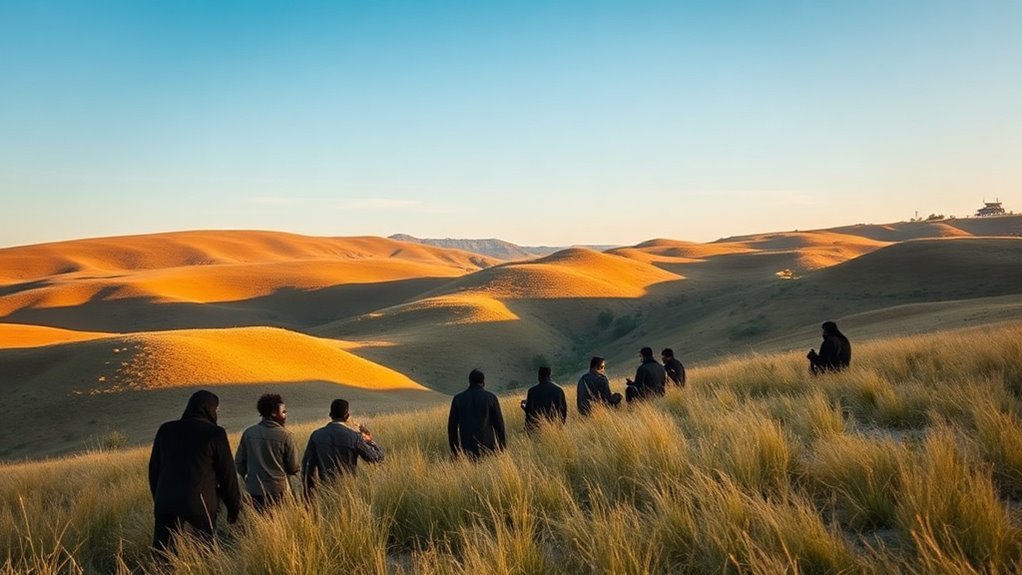
Rwanda has two relatively dry periods: January through February and June through September. The second is longer and generally more reliable for outdoor travel. However, rainfall patterns vary across the country, particularly between Kigali, Akagera’s savanna, and the high mountains of Volcanoes National Park.
According to Visit Rwanda’s official weather guide, the main rainy periods run from mid-February to May and mid-September to mid-December. This means seasonal changes are gradual rather than fixed to exact calendar dates.
January–February: Short Dry Season
January and February offer a useful balance between favorable weather and visitor numbers. Gorilla trekking trails are often firmer than during the long rains, making these months attractive for hikers.
You may also find accommodation options with more flexibility than during the busiest mid-year weeks. However, January follows the Christmas and New Year holiday period, so quieter conditions are not guaranteed at every lodge.
These months suit travelers who want:
- Comfortable conditions for gorilla trekking.
- Good visibility during Akagera game drives.
- Wildlife photography without the busiest mid-year tourism period.
- A combination of national parks and cultural experiences.
February can become wetter as the long rainy season approaches. Pack waterproof clothing even if your trip falls within the short dry period.
June–September: Long Dry Season
June through September is Rwanda’s main dry season and the most popular period for wildlife-focused holidays. Roads and forest trails are generally easier to use, although rain remains possible in the mountains.
Gorilla trekking in Volcanoes National Park is particularly attractive during these months. Reduced rainfall usually means less slippery ground and more comfortable hiking.
Akagera National Park also benefits from the dry weather. As vegetation becomes less dense and animals use available water sources, wildlife may be easier to locate during game drives.
This season is especially suitable for:
- First-time gorilla trekkers.
- Travelers combining gorillas with an Akagera safari.
- Mountain hiking and outdoor photography.
- Visitors who prefer more predictable road and trail conditions.
The main drawback is demand. Popular lodges and gorilla trekking dates can fill well ahead of travel, especially during school holiday periods.
March–May: Long Rainy Season
March through May is Rwanda’s main rainy season. Rainfall supports lush vegetation, but mountain trails can become muddy and difficult.
Gorilla trekking remains available. However, steep slopes, wet plants, and slippery paths may make the experience more physically demanding.
The season can still be rewarding for photographers who prefer misty forests, green hillsides, and dramatic cloud formations.
Visitor numbers are often lower than during the main dry season. This can provide more accommodation choices and less competition for some trekking dates.
October–November: Short Rainy Season
October and November bring another wetter period, with changing conditions across Rwanda. October often marks the transition into stronger rainfall, while November is particularly wet in Kigali’s historical climate records.
These months suit travelers interested in birdwatching, green landscapes, and quieter national parks.
In Akagera, wet-season vegetation can make some animals harder to spot. However, birdlife and landscape photography remain appealing.
December: The Transition Toward Drier Weather
December usually begins with some of the short rains still present. Conditions often improve later in the month as Rwanda approaches its short dry season.
Christmas and New Year travel can increase demand for accommodation and transport. Therefore, late December should not automatically be treated as a budget period.
If your dates are flexible, compare early December’s wetter conditions with the more favorable weather typically found in January.
Rwanda’s Month-by-Month Weather Breakdown
Rwanda’s monthly weather changes more through rainfall than temperature. Kigali stays relatively mild throughout the year, while higher elevations around Volcanoes National Park are cooler and often wetter.
The following table uses the Japan Meteorological Agency’s Kigali climate normals, based on the 1991–2020 reference period. The figures represent historical monthly averages, not a forecast for your travel year.
| Month | Average Temperature | Average Rainfall | Travel Outlook |
|---|---|---|---|
| January | 21.6°C | 92.5 mm | Short dry period; good trekking opportunities. |
| February | 21.6°C | 104.1 mm | Generally favorable early; rain increases toward March. |
| March | 21.0°C | 132.1 mm | Rainier conditions; muddy mountain trails. |
| April | 20.9°C | 122.1 mm | Long rains; green scenery and demanding hikes. |
| May | 20.9°C | 100.3 mm | Rainy-season travel; conditions improve toward June. |
| June | 21.5°C | 21.6 mm | Main dry season begins; excellent outdoor conditions. |
| July | 21.7°C | 13.9 mm | Driest month in Kigali’s normals; popular for trekking. |
| August | 22.5°C | 39.2 mm | Mostly favorable weather; busy safari period. |
| September | 21.9°C | 62.4 mm | Good early-month conditions; wetter later. |
| October | 21.5°C | 120.2 mm | Short rains; green landscapes and birdwatching. |
| November | 20.3°C | 161.5 mm | Wettest month in the Kigali normals; quieter travel. |
| December | 21.0°C | 90.6 mm | Transitional weather; drier conditions later. |
Important: These figures describe Kigali, not the entire country. The Virunga Mountains receive different rainfall and are considerably cooler, while Akagera generally experiences warmer conditions.
July’s average rainfall of 13.9 mm makes it especially attractive for travelers seeking drier weather. November’s 161.5 mm average shows why waterproof equipment matters during the short rains.
Even in the dry season, early mornings at higher elevations can feel cold. Pack layers rather than relying on Kigali’s temperatures when preparing for gorilla trekking.
Which Months Are Best for Festivals and Cultural Experiences?
Rwanda has important cultural and national events throughout the year. Some are celebrations, while others are periods of remembrance that visitors should approach respectfully.
April 7 marks Genocide against the Tutsi Memorial Day. The date appears on Rwanda’s official public holiday calendar. Memorial activities may affect the atmosphere and schedules during the surrounding period.
July includes Independence Day and Liberation Day. August is associated with Umuganura, Rwanda’s traditional celebration of harvest and community achievements.
Another major event is Kwita Izina, Rwanda’s annual mountain gorilla naming ceremony.
The official Kwita Izina page confirms that the 21st ceremony took place on September 4, 2026, near Volcanoes National Park.
Because the ceremony date can change between years, do not assume it will always fall in September or on the same day.
Peak Season, Crowds, and Gorilla Trekking Permit Availability
Gorilla trekking permits are often hardest to secure during Rwanda’s main dry season, especially from June through September. The number of daily visitors is restricted to protect the gorillas and their habitat.
Volcanoes National Park has been described by Visit Rwanda as having 12 habituated gorilla families available for tourism. With a maximum of eight visitors per group, that represents up to 96 trekking places when all 12 groups are open for visits.
Actual availability depends on the groups operating and the permits already sold.
| Season | Permit Availability | Wildlife Photography |
|---|---|---|
| Jan–Feb | Often better than mid-year peak | Good light with occasional rain |
| Mar–May | Generally easier to find | Green forests and misty scenery |
| Jun–Sep | Highest demand | Firmer trails and clearer views |
| Oct–Nov | Often more flexible | Lush vegetation and changing light |
| December | Variable; holiday demand increases | Mixed weather and green scenery |
These are seasonal planning patterns, not confirmed inventory for particular dates. Gorilla permits are issued on a first-come, first-served basis.
How Does Gorilla Trekking Work?
Gorilla trekking begins with a briefing at the park registration area in Kinigi, near Musanze. The official reporting time is 7:00 a.m.
Guides then lead visitors toward their assigned gorilla family. Trekking time varies considerably depending on where the animals are located.
Some hikes may take around 30 minutes to reach the gorillas, while others can last four hours or longer. The return walk adds more time.
The Rwanda Development Board’s official gorilla tracking information confirms these important rules:
- The minimum trekking age is 15 years.
- No more than eight visitors may join a gorilla group.
- Time with the gorillas is limited to one hour.
- Visitors must stay at least seven meters from the animals.
- Flash photography is prohibited.
- Visitors with contagious illnesses may be denied access.
These rules apply throughout the year. Dry weather does not change the time limit, group size, or conservation requirements.
Warning: Do not attempt gorilla trekking if you have a cold, flu, or another contagious illness. Human infections can seriously harm mountain gorillas. Inform park staff before the trek if you feel unwell.
How Early Should You Reserve Your Permit?
Booking three to six months ahead is a sensible target for popular trekking periods. For highly requested dates, some travelers arrange permits even earlier.
However, there is no universal rule that every permit sells out six months before travel. Availability varies by date and demand.
Secure your permit before committing to expensive, nonrefundable accommodation or connecting transport whenever possible.
Pro Tip: If your preferred trekking day is unavailable, consider adjusting your itinerary by a day or two before changing your entire travel season. Nearby dates may offer better permit availability without significantly changing the weather.
How Permit Prices, Lodges, and Flights Shift by Season
Rwanda’s travel costs vary with the season, but not every expense follows the same pricing pattern. Gorilla permits have published rates, while accommodation and airfare depend heavily on demand and availability.
For international visitors who do not qualify for special categories, the standard gorilla trekking permit costs US$1,500 per person.
Gorilla Trekking Permit Prices and Discounts
The standard international permit price does not automatically fall during the rainy season. However, Rwanda Development Board offers a conditional low-season discount.
The official low-season gorilla trekking discount applies from November through May.
Eligible travelers can receive a 30% discount, reducing a standard US$1,500 permit to US$1,050.
To qualify, you must combine your gorilla trek with:
- Two nights in Akagera National Park or Nyungwe National Park, with the required accommodation and activity payment evidence; or
- One consecutive night in each of those parks, together with the qualifying activity arrangements.
The program generally allows one discounted gorilla permit for each qualifying three-day, two-night stay.
This is not a discount simply for arriving during the rainy season. You must meet the program’s requirements.
Are There Different Prices for Rwandan and African Visitors?
Yes. Rwanda also publishes special permit categories for eligible Rwandan citizens, East African citizens, African citizens, and qualifying residents.
For 2026, the official booking portal lists these promotional categories:
| Visitor Category | Published 2026 Permit Rate |
|---|---|
| Standard international visitor | US$1,500 |
| Rwandan citizen | US$200 promotional rate |
| East African citizen | US$200 promotional rate |
| Qualifying African citizen or African resident | US$500 promotional rate |
| Qualifying foreign resident in Rwanda | US$500 promotional rate |
2026 restriction: The published promotional rates do not apply from June through October 2026. Eligibility also depends on acceptable citizenship or residency documents.
These promotional conditions should not be assumed to continue unchanged into later years.
How Much Can You Save on Lodges and Flights?
Accommodation prices are often more flexible during the rainy months, particularly in March through May and parts of October and November.
Luxury lodges near Volcanoes National Park may charge much higher rates during popular dry-season dates. Some properties can approach double their quieter-season pricing, depending on the room and package.
Budget and mid-range accommodation can also offer seasonal deals. Discounts of 20–40% are sometimes advertised, but they are not guaranteed across properties.
International flights into Kigali may be less expensive during some November–March dates. However, holiday travel, your departure airport, and airline schedules can outweigh seasonal trends.
When comparing total trip costs, consider these expenses together:
- Gorilla permit: The standard price or any discount you qualify for.
- Accommodation: The nightly rate, meals, and included services.
- Transport: Airport transfers, park transfers, and vehicle hire.
- Other park activities: Safari drives, chimpanzee tracking, and additional guided activities.
- Flights: The full round-trip fare for your actual travel dates.
A cheaper lodge does not necessarily make a rainy-season trip less expensive if you add more transfers, park visits, or qualifying stays to obtain a permit discount.
The Best Time to Visit Rwanda for Every Type of Trip
Your ideal travel dates depend on what you most want to experience. Rwanda’s mountain gorillas, savanna wildlife, forests, and cultural attractions all offer different seasonal advantages.
Use this comparison to match the season to your main travel goal.
| Trip Type | Best Season | Why It Works |
|---|---|---|
| Gorilla trekking | June–September | Generally firmer mountain trails |
| Akagera wildlife safari | June–September | Drier conditions and easier wildlife viewing |
| Cultural festivals | Event-specific dates | Kwita Izina, Umuganura, and other cultural celebrations |
| Budget travel | March–May; October–November | Potential lodge deals and fewer visitors |
| Landscape photography | March–May; October–November | Lush vegetation, clouds, and mist |
| Birdwatching | October–February | Green habitats and seasonal bird activity |
| General sightseeing | January–February; June–September | Often easier road travel and outdoor activities |
Best Time for Gorilla Trekking in Volcanoes National Park
June through September is the strongest overall choice for easier gorilla trekking conditions. January and February are also appealing alternatives.
Gorillas remain in their natural habitat throughout the year, so rainy-season visitors can still enjoy successful treks.
The main difference is the hiking experience rather than a guaranteed change in gorilla sightings.
Because Volcanoes National Park sits at high elevation, you should prepare for cold air, changing weather, and potentially strenuous climbs in every season.
Best Time for Wildlife Safaris in Akagera National Park
The dry season generally offers favorable game-viewing conditions in Akagera. Less vegetation and predictable use of water sources can make wildlife easier to find.
Akagera is Rwanda’s main savanna safari destination. It is home to lions, elephants, buffalo, rhinos, leopards, zebras, giraffes, and many bird species.
According to African Parks’ official Akagera information, the park has undergone major wildlife restoration, including the reintroduction of lions and rhinos.
Unlike the Serengeti or Maasai Mara, Akagera is not known for a vast seasonal wildebeest migration.
Its main attraction is resident wildlife in grasslands, woodlands, wetlands, and around lakes.
For photography, early morning and late afternoon drives often provide more comfortable light than the middle of the day.
Best Time for Nyungwe Forest and Birdwatching
Nyungwe National Park is an excellent destination for forest walks, birdwatching, and chimpanzee tracking. Its mountain rainforest remains green throughout the year.
The wetter seasons can be attractive for birdlife and forest photography, although rainfall may complicate hiking.
If you want easier walking conditions, the main dry season generally offers a more comfortable experience on exposed or steep trails.
Chimpanzees move through the forest as they feed, so sightings depend on their location and behavior rather than weather alone.
Birdwatchers should allow enough time for guided walks, especially because dense forest vegetation can make birds difficult to locate.
Best Time for Cultural Festivals
Cultural travel is possible year-round, but the dates of major celebrations matter more than the weather.
Kwita Izina is particularly meaningful for visitors interested in conservation and Rwandan traditions. The ceremony brings together communities, conservation teams, and visitors to celebrate newborn mountain gorillas.
Umuganura offers another opportunity to learn about Rwanda’s traditions, shared harvest celebrations, and community values.
April’s national remembrance period has a different atmosphere. It is a time for reflection and respect rather than ordinary festival tourism.
Best Time for Budget Travelers
March through May and October through November often provide greater flexibility for accommodation and quieter travel.
These periods suit travelers comfortable with changing weather and occasional adjustments to outdoor activities.
If your itinerary includes gorilla trekking, examine the full cost of a qualifying low-season discount before deciding which dates provide the best value.
Practical Travel Planning Tips for Every Season
A little preparation helps you enjoy Rwanda regardless of when you arrive.
- For gorilla trekking: Bring waterproof hiking boots, long trousers, gloves, and rain protection.
- For Akagera: Pack sun protection, a camera with suitable zoom, and comfortable clothing for game drives.
- For Nyungwe: Carry a light waterproof layer and footwear suitable for forest trails.
- For Kigali: Pack comfortable walking shoes and light layers for changing temperatures.
- For rural areas: Keep some Rwandan francs available for smaller purchases and services.
You should also review health preparations before departure. The CDC’s Rwanda travel health guidance covers recommended vaccinations, malaria prevention, and other travel-related health risks.
Note: Speak with a travel-health professional about vaccinations and malaria prevention before departure. Entry requirements depend partly on your travel history, while recommended medical precautions depend on your personal health and itinerary.
Safety conditions also deserve attention. Regional risks near the Democratic Republic of the Congo border can change independently of Rwanda’s tourism seasons.
Australia’s official Rwanda travel advice identifies heightened risks in some border areas, including Rubavu. Consult your own government’s current guidance when selecting destinations and routes.
Frequently Asked Questions
Do I Need Vaccinations Before Traveling to Rwanda?
You may need vaccinations or other preventive medicines before visiting Rwanda. Hepatitis A and typhoid vaccines are commonly recommended. Yellow fever vaccination proof is required for travelers arriving from certain countries with yellow fever risk, but not universally. A travel-health professional can assess your itinerary and medical needs.
Is Rwanda Safe for Solo Female Travelers Year-Round?
Solo female travelers can visit Rwanda throughout the year, but safety is not guaranteed in every location. Use reliable transport, take normal precautions, and avoid risky border areas. Review current official travel advisories because regional security concerns can change independently of the weather.
What Currency Is Used in Rwanda, and Can I Use Cards?
Rwanda uses the Rwandan franc, abbreviated RWF. Many established hotels and larger businesses accept payment cards, particularly in Kigali. However, smaller shops, local markets, and rural services may prefer cash. Carry some local currency and confirm payment options before visiting remote areas.
How Far in Advance Should I Book Gorilla Trekking Permits?
Book gorilla trekking permits around three to six months ahead when possible, especially for June through September. Popular dates may require even earlier planning. The park limits daily group sizes, and permits are issued according to availability. Less busy months may offer more booking flexibility.
Are There Age or Fitness Requirements for Gorilla Trekking?
You must be at least 15 years old to join a gorilla trek in Rwanda. A reasonable level of fitness helps because hiking can involve steep slopes, mud, and high elevations. If you have significant mobility, breathing, or heart-related concerns, discuss the trip with a medical professional beforehand.
Can You Go Gorilla Trekking During Rwanda’s Rainy Season?
Yes, gorilla trekking operates during Rwanda’s rainy seasons. The gorillas remain in their natural habitat throughout the year, and guided visits continue when conditions permit. Expect wetter vegetation, muddy trails, and potentially more demanding hikes. Waterproof footwear and clothing are especially valuable during these months.
Is July the Best Month to Visit Rwanda?
July is one of Rwanda’s strongest months for dry-weather travel. Kigali’s historical climate normal shows approximately 13.9 mm of rainfall, the lowest monthly average in the dataset. However, July is also popular with tourists, so permit availability and accommodation costs may be less favorable.
Does Rwanda Have a Great Wildlife Migration?
Rwanda does not have a major seasonal wildebeest migration comparable to the Serengeti or Maasai Mara. Akagera National Park is known for resident savanna wildlife, including elephants, buffalo, lions, rhinos, and antelope. Dry-season conditions can improve viewing opportunities as some animals gather near available water.
Conclusion
The best time to visit Rwanda is June through September if you prioritize gorilla trekking, game drives, and easier outdoor conditions. January and February are also strong options, while the rainy months offer quieter travel, green scenery, and possible savings.
Choose your season around your main activity, account for the full cost of your trip, and secure any limited trekking permits early. With realistic expectations about weather and wildlife, Rwanda can be a rewarding destination throughout the year.
Sources
- Visit Rwanda, Weather: Rwanda’s climate, seasonal rainfall patterns, and regional temperature differences.
- Japan Meteorological Agency, Kigali Monthly Climate Normals: Historical monthly temperatures and rainfall for the 1991–2020 reference period.
- Rwanda Development Board, Mountain Gorilla Tracking: Permit rates, visitor restrictions, minimum age, booking rules, and trekking practicalities.
- Rwanda Development Board, Low Season Discount: Discount eligibility, applicable months, and required national park stays.
- Visit Rwanda, Kwita Izina: Official 2026 gorilla naming ceremony date and event background.
- African Parks, Akagera National Park: Wildlife conservation, species, and park characteristics.
- Government of Rwanda, Holidays: National commemorations, celebrations, and public holiday dates.
- US Centers for Disease Control and Prevention, Rwanda Traveler View: Vaccination recommendations and travel health precautions.
- Australian Government Smartraveller, Rwanda: Travel safety information and regional security warnings.