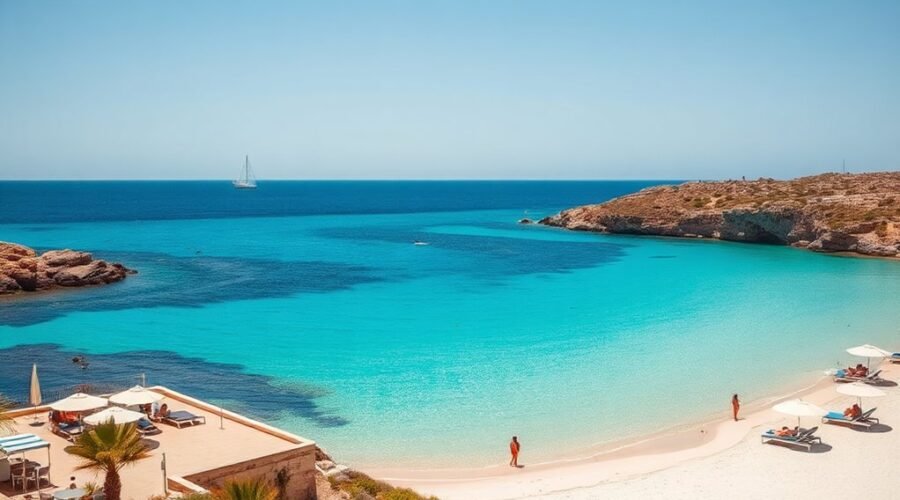
Ibiza welcomed 3.38 million tourists in 2025, but the island feels very different in May, August, and November. Choosing the best time to visit Ibiza means balancing beach weather, club dates, local festivals, crowds, and your travel budget. Understanding these seasonal differences helps you choose dates that match the holiday you actually want.
Quick Answer
May, June, and September are the best all-round months to visit Ibiza. Choose May for lighter crowds and local culture, June for hot weather and a full club calendar, or September for warm sea temperatures and closing parties. July and August suit peak-summer energy; November to April suit quiet walks and village life.
Last checked: November 19, 2026. Key figures and schedules were checked against the sources below.
Key Takeaways
- May offers lighter crowds and cultural events, but the sea is still relatively cool.
- June and September combine warm swimming conditions with an active nightlife calendar.
- August is the busiest month, with the highest 2025 airport traffic and substantial pressure on local services.
- Winter offers quieter beaches, local markets, village festivals, and outdoor activities, but many seasonal businesses close.
May, June, and September: The Best Time to Visit Ibiza for Most Travelers

May, June, and September offer the strongest balance of sunshine, activities, and manageable crowds. They are not identical, though. May is cooler and quieter, June brings dry weather and warm swimming conditions, and September keeps the sea warm as summer crowds begin to ease.
May is best for exploring the island. Average daytime highs reach 22.7°C, while the sea averages around 18.9°C. You can enjoy coastal walks, village visits, outdoor dining, and local cultural events without the intense summer heat.
One major highlight is the Eivissa Medieval Fair. The 2026 edition ran from May 7–10 around Vara de Rey and Dalt Vila. It brings historic streets to life with traditional stalls, crafts, and food. The official 2026 festival announcement confirms its dates and locations.
June is better for swimming and nightlife. Average daytime highs reach 26.8°C, the sea averages 22.8°C, and rainfall drops to around 11 mm. Most major clubs have opened by this point, and regular weekly parties are underway by mid-month.
June also brings the traditional Sant Joan celebrations on June 24. You can combine beach days, village events, and evening entertainment without facing August’s highest visitor pressure.
September is ideal if you want warm water and a gentler atmosphere. Average daytime highs remain around 27.7°C, and the sea averages 23.9°C. Many major clubs continue operating, while their closing parties attract visitors near the end of the month.
There is one trade-off: September averages around 57 mm of rainfall, compared with just 11 mm in June. You can still enjoy plenty of beach weather, but occasional heavy showers are more likely.
These months suit different travelers. Choose May for walking and culture, June for swimming and active nightlife, and September for warm water and end-of-season events.
Ibiza Weather Month by Month: Temperature, Sea, and Rainfall
Ibiza has a Mediterranean climate with hot, dry summers and mild, wetter winters. July and August bring the highest daytime temperatures, while October and September receive more rainfall than the main summer months.
The following table separates average daytime highs, nighttime lows, sea temperatures, and rainfall. It also includes Aena’s 2025 airport passenger figures to show how visitor activity changes throughout the year.
| Month | Average high / low (°C) | Sea (°C) | Rain (mm) | 2025 airport traffic | Crowds and seasonal highlights |
|---|---|---|---|---|---|
| January | 15.7 / 8.1 | 14.4 | 37 | 211K | Very quiet; village festivals |
| February | 15.9 / 8.3 | 13.9 | 36 | 214K | Very quiet; local celebrations |
| March | 17.7 / 9.6 | 14.4 | 27 | 287K | Quiet; spring festivals and walking |
| April | 19.7 / 11.4 | 15.6 | 31 | 651K | Season builds; Easter and club openings |
| May | 22.7 / 14.6 | 18.9 | 27 | 1.031M | Rising crowds; Medieval Fair |
| June | 26.8 / 18.4 | 22.8 | 11 | 1.260M | Busy; Sant Joan on June 24 |
| July | 29.7 / 21.4 | 25.6 | 5 | 1.447M | Peak season; full club calendar |
| August | 30.3 / 22.2 | 26.7 | 18 | 1.481M | Busiest month; Sant Ciriac festivities |
| September | 27.7 / 19.9 | 23.9 | 57 | 1.227M | Busy; warm sea and closing parties |
| October | 24.0 / 16.5 | 21.1 | 58 | 833K | Shoulder season; club closings |
| November | 19.6 / 12.3 | 15.6 | 53 | 260K | Quiet; Santa Gertrudis festivities |
| December | 16.7 / 9.5 | 12.8 | 52 | 236K | Quiet; Christmas celebrations |
How to read the figures: Average daily highs, lows, and rainfall come from AEMET’s Ibiza Airport climate normals for 1981–2010. Average sea temperatures use the 1991–2020 estimates published in Ibiza Spotlight’s Ibiza climate guide. Airport figures come from Aena’s 2025 traffic report.
Aena recorded 9.1 million passenger movements at Ibiza Airport in 2025. Its monthly figures show that August was the busiest month, followed by July. Around 87% of annual airport traffic occurred between April and October.
Airport passenger movements count travel through the airport, including arrivals and departures. They are not a count of unique tourists. However, they provide a useful picture of how strongly tourism activity changes throughout the year.
For a closer look at the island’s local celebrations, the official Ibiza events calendar covers traditional festivals, cultural events, and activities throughout the year.
Peak Season in Ibiza: What July and August Actually Cost You
July and August bring Ibiza’s highest visitor numbers, hottest weather, and busiest nightlife. They also create the strongest pressure on accommodation, restaurants, transport, and local services. You get the island’s most energetic summer atmosphere, but you should expect more competition for space and availability.
Peak Season Price Breakdown
Visiting Ibiza during July or August usually requires a larger travel budget than visiting in spring or late autumn. Accommodation, flights, dining, and club tickets all respond to seasonal demand, but their prices vary by date, property, and event.
The 2025 report from the Balearic Islands’ Economic and Social Council provides a useful spending benchmark. Tourists in Ibiza spent an average of €224 per person per day, which was 5% higher than the previous year.
This figure represents average tourist expenditure across spending categories. It is not a fixed daily budget or a hotel-only price. Your actual costs depend on your accommodation, travel dates, dining choices, and activities.
For a peak-season trip, account for these main expenses:
- Accommodation: Hotels and villas face their strongest demand in July and August. Beachfront locations and popular resorts can cost considerably more than inland properties.
- Flights: Airfares rise when demand increases, especially around school holidays and major summer events.
- Club tickets: Entry prices vary by venue, DJ, event, and ticket release. Opening and closing parties may have different prices from regular weekly events.
- Dining and activities: Restaurants, boat trips, water sports, and other popular activities can take a large share of your budget.
Instead of relying on a single daily budget estimate, calculate accommodation, transport, meals, and planned activities separately. The official CES 2025 tourism report also provides visitor and spending statistics for the island.
Crowds Versus Value Tradeoffs
August is not simply a busy month. It is also when Ibiza experiences its greatest measured human pressure. The 2025 CES report recorded a peak Human Pressure Indicator of 297,307 people in August, compared with 164,265 registered residents. That represents an 81% increase over the resident population.
These figures help explain why peak season feels different from a May or October visit. Beaches, roads, restaurants, and popular attractions face heavier demand, especially around major events and holiday periods.
Consider these seasonal trade-offs before choosing your dates:
- July and August offer the strongest summer atmosphere, but they bring the highest visitor pressure.
- May gives you more room to explore, although the sea is cooler and some seasonal venues may not be operating fully.
- June combines warm swimming conditions with an active club calendar, but airport traffic is already high.
- September keeps the sea warm and the clubs active, although visitor numbers remain substantial.
- October offers a quieter atmosphere, but some seasonal businesses begin closing and rainfall increases.
You do not need to visit in August to experience Ibiza at its best. Choosing another month can give you more flexibility and a more comfortable balance between beaches, culture, and nightlife.
Off-Season Ibiza: What’s Open and Worth Visiting from October to April
Ibiza becomes much quieter from November through April, but it does not shut down completely. You can still explore historic streets, traditional villages, local markets, coastal paths, and nature trails. October is a transition month, while the deepest off-season runs through winter.
The island’s official tourism guide highlights walking, rural roads, viewpoints, traditional villages, and cultural experiences as reasons to visit outside summer. See its Beyond Summer guide for more ideas.
Hidden Gems Still Open
Off-season Ibiza rewards visitors who want a quieter trip. With fewer holidaymakers around, you can explore the island’s natural scenery and local communities at a slower pace.
Consider these places and activities:
- Dalt Vila: Walk through Ibiza Town’s historic walled centre, explore its narrow streets, and enjoy views across the harbour. Public streets and outdoor areas remain accessible, although museum and attraction hours can change by season.
- Santa Gertrudis and Sant Miquel: Explore traditional villages with local cafés, restaurants, and a slower daily rhythm.
- Cala Xarraca and Cala Salada: Visit these quieter coves for coastal walks, scenery, and peaceful beach views. Some beach services and restaurants may close outside summer.
- Es Vedrà viewpoints: Enjoy the dramatic coastal scenery and views of the famous offshore rock without the busiest summer visitor periods.
- Mercat de Forada: Visit this Saturday market near Can Tixedó for local produce, handmade goods, crafts, and community activities. Its official market website provides information about its stalls and activities.
- Las Dalias: This well-known market continues operating outside the main summer season, although its opening hours change throughout the year.
Las Dalias publishes its seasonal schedule directly. For November and December 2026, the market operates on Saturdays from 10 a.m. to 5 p.m. and Sundays from 11 a.m. to 5 p.m. Its Three Kings Market is scheduled for January 2–3, 2027, followed by a closure from January 4 until February. Check the official Las Dalias calendar for the applicable schedule.
You can also enjoy hiking, cycling, village exploration, and local food. Just remember that some restaurants, beach bars, and seasonal hotels reduce their hours or close during winter.
Budget-Friendly Off-Season Stays
Accommodation generally becomes more affordable once summer demand fades. You can find better opportunities among boutique fincas, rural properties, and self-catering apartments, although the exact savings depend on the property and your dates.
Santa Eulària and Sant Antoni are useful areas to compare when looking for accommodation with access to shops, restaurants, and local services. Rural accommodation can offer more privacy, but you should consider transport before choosing a remote property.
These strategies can help you manage your accommodation costs:
- Compare hotels, apartments, and rural fincas rather than focusing on one type of accommodation.
- Ask property owners about direct-booking rates and cancellation conditions.
- Consider self-catering accommodation so you can buy fresh produce from local markets.
- If traveling with friends, compare the total cost of a villa against separate hotel rooms.
- Confirm that your chosen accommodation operates during your travel dates.
Off-season Ibiza is not necessarily a full-service beach holiday. You may find fewer restaurants, reduced public transport options, and limited beach facilities. However, the quieter setting makes it an appealing choice for independent travelers who value nature, culture, and flexibility.
The Best Time to Visit Ibiza for Nightlife
Ibiza’s main club season generally runs from late April or early May through mid-October. Major venues such as Pacha, Ushuaïa, and Amnesia host international DJs and regular events during this period. July and August bring the busiest party atmosphere, while opening and closing parties mark the season’s beginning and end.
Plan around these nightlife periods:
- Opening parties (late April and May): The major clubs launch their summer programs with special events. The 2026 opening calendar began in late April, with some venues opening in early May.
- Early summer (June): Regular weekly parties are underway, and the island has an active nightlife scene before the busiest summer weeks.
- Peak season (July–August): The largest crowds, headline DJs, and busiest club nights arrive during these months.
- Closing parties (late September to mid-October): Clubs host their final major events before the main summer season ends. These nights can attract visitors specifically for the closing celebrations.
- Off-season (November–April): The large summer clubs generally close. Smaller venues, bars, restaurants, and occasional events continue to provide nightlife on a reduced scale.
The Ibiza Spotlight Party Calendar tracks club events, DJs, and opening and closing parties. The 2027 schedule was not yet available when checked on November 19, 2026, so avoid treating 2026 event dates as confirmed dates for the following season.
If you are traveling specifically for a DJ or club event, build your trip around the confirmed venue schedule. Individual clubs do not necessarily open or close on the same night.
Also remember that nightlife venues operate at different times. Open-air events may begin earlier than indoor club nights, so check the individual event’s schedule before planning your evening.
How to Save Money on Ibiza Flights and Hotels
You can enjoy Ibiza without choosing the most expensive summer dates. May and October can offer better accommodation opportunities, while June and September provide a stronger combination of warm weather, beach activities, and nightlife.
Try these practical ways to control your travel expenses:
- Choose your travel dates carefully: Avoid July and August if your main priority is reducing costs and avoiding the busiest periods.
- Compare flight options: Look at different departure dates, connecting routes, and airlines. Ryanair and easyJet are among the carriers serving Ibiza Airport, but your best option depends on your departure city.
- Compare complete booking costs: Check baggage charges, airport transfers, cancellation conditions, and package prices before choosing a flight and hotel combination.
- Consider inland accommodation: Compare rural properties and village stays against beachfront hotels.
- Book popular summer accommodation early: Waiting until the last minute can leave you with fewer choices during high-demand periods.
- Share accommodation: If traveling with a group, compare the total villa rental cost against separate hotel rooms.
- Use local markets: Self-catering apartments allow you to prepare some meals with local produce rather than dining out every time.
Traveling outside the busiest summer weeks does not mean missing out on Ibiza. You can still enjoy the coastline, local restaurants, traditional markets, and outdoor activities while avoiding some of the island’s strongest seasonal demand.
Frequently Asked Questions
Is Ibiza Safe for Solo Female Travelers Visiting the Island?
Yes, you can visit Ibiza alone, but take normal precautions. The U.S. State Department’s Spain safety guidance warns that theft is common in Spanish tourist areas and advises keeping drinks in sight and avoiding isolated places. Keep your phone and passport secure, and call 112 for emergencies.
What Language Do Locals in Ibiza Primarily Speak Daily?
Locals use Catalan and Spanish in daily life. Catalan is the local language, and Ibiza has its own regional variety called Eivissenc. English is common in tourist-facing businesses, but learning a few Catalan or Spanish phrases can make everyday interactions easier.
Do I Need a Visa to Visit Ibiza as an American?
U.S. citizens do not need a Schengen visa for short tourist stays of up to 90 days within any 180-day period. Your passport must remain valid for at least three months after your departure from Spain and have two blank pages. As of November 19, 2026, ETIAS is not yet operating, but check its official status again before traveling.
What Currency Is Used in Ibiza for Everyday Purchases?
Ibiza uses the euro (€), the same currency used throughout Spain and most of the euro area. You can pay in euros at restaurants, shops, hotels, and markets. If your bank charges foreign transaction fees, check its conditions before traveling.
Are There Family-Friendly Beaches in Ibiza Away From Nightlife?
Yes. The island’s tourism authority recommends Cala Llonga, Cala Nova, Cala Bassa, Portinatx, and Talamanca for family holidays. Many have fine sand and calm, shallow water, although conditions can change with wind and swell. Always supervise children near the water.
Can You Swim in Ibiza in May?
Yes, but the water may feel cool. The average sea temperature is around 18.9°C in May, compared with 22.8°C in June and 23.9°C in September. If warm swimming conditions are your priority, June through September is a better choice.
When Do Ibiza Clubs Open and Close?
Most major clubs open from late April into May and hold closing parties from late September to mid-October. The 2026 calendar followed this pattern, while the 2027 schedule was not yet available when checked on November 19, 2026. Confirm individual club dates before booking around a specific DJ.
Conclusion
May, June, and September offer the best overall balance for most Ibiza travelers. Choose May for culture and quieter exploration, June for beach weather and nightlife, or September for warm water and closing parties. If you prefer the busiest clubs and hottest summer atmosphere, choose July or August. Match your dates to your priorities, then plan your accommodation and activities around the season.
Sources
- AEMET: Ibiza Airport Climate Normals: Average temperatures and monthly rainfall for 1981–2010.
- Ibiza Spotlight: Ibiza Climate and Weather: Average monthly sea temperatures and climate information.
- Economic and Social Council of the Balearic Islands: 2025 Report: Tourist arrivals, daily tourist spending, and human-pressure statistics.
- Aena: Ibiza Airport Traffic Statistics 2025: Annual and monthly airport passenger movements.
- Official Ibiza Events Calendar: Traditional celebrations, festivals, and cultural events throughout the year.
- Eivissa City Council: Medieval Fair 2026: Official May 7–10 festival dates and locations.
- Las Dalias Official Calendar: Seasonal market hours and winter opening schedule.
- Mercat de Forada: Saturday market, local producers, crafts, and community activities.
- Ibiza Tourism: Beyond Summer: Off-season walking, village exploration, nature, and cultural activities.
- Ibiza Spotlight Party Calendar: Club opening and closing periods, events, and DJs.
- U.S. Department of State: Spain Travel Advisory: Safety advice, visa exemptions, and passport requirements.
- European Union: Official ETIAS FAQs: ETIAS operational status and short-stay travel authorization rules.
- Ibiza Tourism: Travelling with the Family: Recommended family beaches and activities.