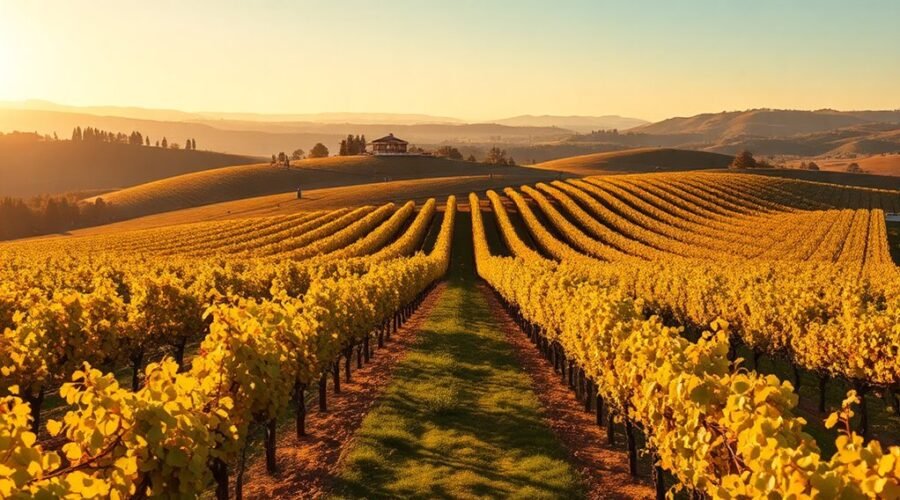
Napa Valley changes with the seasons, and the timing of your visit affects everything from vineyard scenery to hotel prices. You’ll find warm, dry summers, colorful autumn vineyards, blooming spring hillsides, and quieter winter tasting rooms. The best time to visit Napa Valley depends on the experience you want and how much you plan to spend.
Quick Answer
For the best balance of mild weather and manageable crowds, visit in April or early May. Choose late September or October for harvest activity, but expect the busiest conditions and higher hotel rates. For lower hotel prices and quieter tastings, aim for November through mid-February, preferably midweek.
Also compare: When to Visit Bloomington, IN.
Last checked: November 19, 2026. Climate figures and upcoming 2027 event dates were checked against official sources.
Key Takeaways
- August is typically the hottest month, while December is the wettest month in the Saint Helena climate records.
- Harvest usually starts with sparkling and white wine grapes in August. Later-ripening red varieties can remain on the vines into October or early November.
- BottleRock, Auction Napa Valley, and Festival Napa Valley have confirmed 2027 dates that can affect local accommodation demand.
- Many popular wineries require appointments or recommend booking weeks ahead, particularly during harvest.
Napa Valley Weather by Season, Month by Month
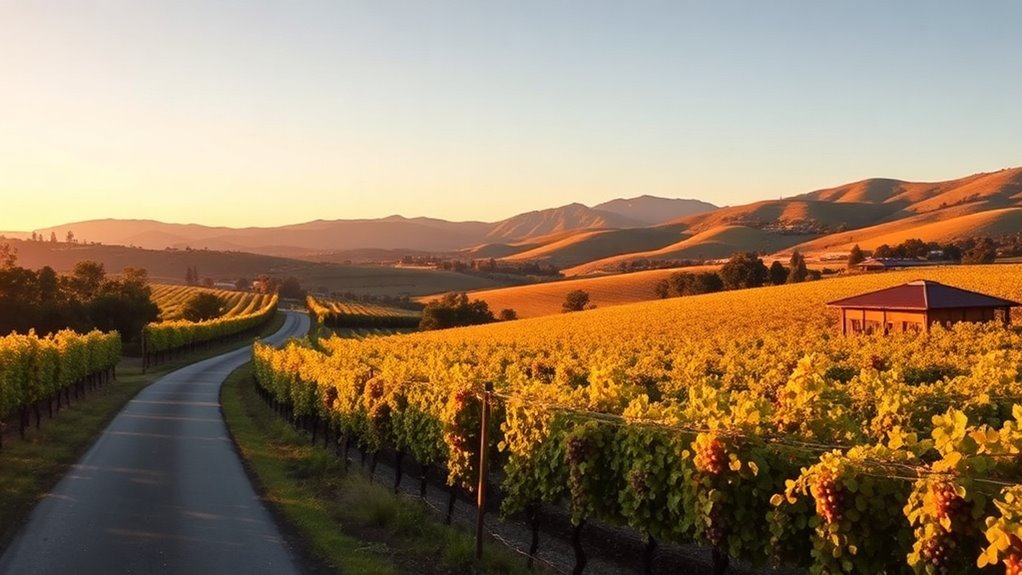
Napa Valley has a Mediterranean climate, with warm, dry summers and cooler, wetter winters. The table below uses NOAA’s 1991–2020 climate normals for Saint Helena, a station in the middle of the valley. It shows average daily highs and lows and average monthly rainfall.
| Month | Average High / Low | Rainfall (inches) | Travel Conditions and Highlights |
|---|---|---|---|
| January | 58.8°F / 40.2°F | 6.47 | Quiet winter season. The Napa Truffle Festival runs January 15–18, 2027. The Napa Lighted Art Festival starts January 16. |
| February | 62.5°F / 41.9°F | 6.71 | Quiet, rainy winter weather. Mustard flowers brighten vineyard rows, and the Lighted Art Festival continues through February 14, 2027. |
| March | 66.8°F / 43.9°F | 4.98 | Spring begins with budding vines and green hillsides. The Napa Valley Marathon takes place March 7, 2027. |
| April | 71.8°F / 46.3°F | 1.97 | Mild spring weather, green vineyards, blooming flowers, and generally fewer visitors than during summer and fall. |
| May | 78.1°F / 50.5°F | 1.31 | Warm spring days and lower rainfall. Visitor demand rises, especially during BottleRock Napa Valley, May 28–30, 2027. |
| June | 85.4°F / 54.2°F | 0.35 | Dry weather and long days. Auction Napa Valley takes place June 3–5, 2027. |
| July | 88.7°F / 56.0°F | 0.01 | Hot, dry summer weather. Festival Napa Valley runs July 16–25, 2027. |
| August | 88.8°F / 55.7°F | 0.04 | Very hot and dry. Harvest usually begins with sparkling-wine and white-wine grapes. |
| September | 86.6°F / 53.8°F | 0.06 | Harvest activity is strong. Expect high hotel demand, busy tasting rooms, and warm afternoons. |
| October | 78.1°F / 49.4°F | 1.65 | Harvest continues, with cooler evenings and colorful vineyard scenery. Visitor demand remains high. |
| November | 65.8°F / 43.7°F | 3.24 | Autumn colors remain, harvest celebrations wind down, and visitor numbers generally ease. |
| December | 58.3°F / 39.6°F | 7.18 | Cool, wet winter weather, green hillsides, and festive holiday decorations. Visitor numbers are generally low outside the holidays. |
These figures show how sharply Napa Valley changes through the year. July and August are the hottest and driest months, while December and February receive the most rainfall. Actual conditions can differ between towns and vineyard locations, so treat Saint Helena as a useful mid-valley reference rather than a forecast for every part of Napa County.
When Are Crowds the Worst in Napa Valley?
Late May through October is Napa Valley’s high visitation period, and September and October are especially busy because of the grape harvest. January through March are generally quieter, while November becomes more relaxed after the main harvest celebrations. Weekends and major event dates can add extra pressure on hotels and roads.
Travel + Leisure’s seasonal travel guide identifies late May through October as the high season. September and October attract visitors who want to see the vineyards during the crush, when grape picking and winemaking activity fill the valley.
Several annual events also affect local demand:
- Late May: BottleRock brings music fans to the Napa Valley Expo over Memorial Day weekend.
- June: Auction Napa Valley attracts collectors, vintners, and wine enthusiasts for its multi-day program.
- July: Festival Napa Valley brings music and cultural performances to venues across the region.
- September and October: Harvest dinners, winery parties, and seasonal experiences attract visitors throughout the valley.
These events do not make every winery or hiking trail equally crowded. Their effects depend on the event location and date. However, accommodation and restaurant demand can rise around major weekends.
If you prefer a more relaxed trip, consider April, early May, or November. A weekday visit also gives you more flexibility than a busy weekend during harvest.
The Cheapest and Most Expensive Times to Visit Napa Valley
Hotel rates are generally lowest from November to mid-February, especially during the middle of the week. Prices rise during the main visitor season from late May through October, with September and October often among the most expensive periods. January and February offer particularly good opportunities for budget-conscious travelers.
Winter is known as Cabernet Season in Napa Valley. The harvest has finished, the pace slows, and wineries release new wines. You can often enjoy a more relaxed tasting without competing with the larger summer and autumn crowds.
However, lower hotel prices do not mean every activity becomes inexpensive. Wine tasting remains a major part of a Napa Valley budget. A June 2026 report on the wine industry found that the average Napa Valley tasting fee in 2025 was $79 per person, based on industry survey data. Individual wineries set their own prices, and premium experiences can cost more.
Some wineries also experiment with lower-priced tasting flights and limited weekday or morning offers. These promotions vary by property, so do not assume every winery will offer a winter discount.
For better value, compare hotel rates across different weekdays and towns. You can also choose fewer winery visits and spend more time exploring the valley’s outdoor scenery, local towns, and public spaces.
What to Expect During Harvest Season
Napa Valley’s harvest usually begins in August and continues through October, sometimes extending into early November. Sparkling-wine and white-wine grapes are generally picked first, followed by later-ripening red varieties such as Merlot and Cabernet Sauvignon. The exact timing changes with weather and grape ripeness.
According to Visit Napa Valley’s harvest guide, sparkling grapes often start coming in during early August. White varieties follow, while red grapes continue through the fall. Cabernet Sauvignon is usually among the later varieties to be harvested.
During this period, you’ll see vineyard crews working among the rows and wineries handling fresh fruit. Grapes are sorted, crushed, and processed before fermentation begins. You may also notice the sweet smell of fermenting grapes around working wineries.
Harvest season offers a closer look at winemaking, but visitor access depends on each estate’s operations. Some wineries offer special harvest experiences, while others focus on production. Do not assume every tasting includes access to working cellars or production areas.
Here are the main things to expect:
- Grape picking: Vineyard crews harvest grapes as each variety reaches the right ripeness. Some picking happens overnight or early in the morning.
- Crush activities: Wineries organize harvest dinners, parties, and seasonal experiences that celebrate the new grape crop.
- Busy tasting rooms: Popular wineries can fill their appointments quickly, particularly during September and October.
- Changing vineyard scenery: You’ll see green vines, clusters of ripe grapes, and colorful autumn foliage as the season progresses.
Choose September or October if you want the strongest harvest atmosphere. If you want to experience the beginning of the season with slightly different visitor conditions, consider late August. Remember that harvest dates vary each year, so active picking is never guaranteed on a particular day.
The Best Time to Visit Napa Valley for Your Trip Style
There is no single best month for every traveler. April and early May offer a good balance of mild weather and manageable crowds, while September and October deliver the classic harvest experience. Your ideal dates depend on whether you prioritize wine tasting, outdoor activities, lower costs, romance, or family time.
Best Time for Serious Wine Tasting
Late spring and early fall are both excellent periods for wine tasting. April and early May offer pleasant weather and a more relaxed atmosphere. September and October provide a chance to see winemaking activity during the harvest.
If you prefer a quieter tasting room, choose spring or November. If seeing the crush is more important, visit during September or October and plan around the busiest weekends.
Best Time for Outdoor Activities
Spring is one of the best seasons for exploring Napa Valley outdoors. Winter rainfall leaves the hillsides green, wildflowers appear, and temperatures become more comfortable for hiking and cycling.
April and May are particularly appealing for exploring the Mayacamas Mountains, taking a bike tour, or enjoying outdoor dining. You can also look into hot-air balloon rides and activities around the Napa River.
March can still bring considerable rainfall, so April and May are better choices if you want more dependable conditions for outdoor plans.
Best Time for Budget Travelers
November through mid-February is generally the best period for lower hotel rates. You’ll find fewer visitors, quieter tasting rooms, and a slower pace across the valley.
Winter also brings attractive vineyard scenery, with green hillsides and mustard flowers. The main trade-off is rain and cooler temperatures, so plan a mix of indoor tastings and flexible outdoor activities.
Best Time for Couples and Romantic Trips
November is a lovely month for couples who prefer a quieter wine-country atmosphere. Autumn colors remain visible, the harvest rush has eased, and cooler evenings create a comfortable setting for fireside dining and relaxed winery visits.
September and October offer warmer weather and dramatic vineyard scenery, but they are much busier. Choose November if you value privacy and a slower pace more than warm afternoons.
Best Time for Families
June is a good choice for families who want dry weather, long days, and outdoor activities before the hottest part of summer. July also offers plenty of opportunities for exploring the valley, although temperatures are higher and visitor demand is stronger.
Some Napa Valley wineries welcome children and provide outdoor spaces or family-friendly activities. However, not every tasting experience is suitable for children. Check individual winery policies before planning a family visit.
Frequently Asked Questions
Are Napa Valley wineries family-friendly or strictly for adults?
Some Napa Valley wineries welcome families, but not every tasting room is suitable for children. Policies and amenities vary by property, and some experiences are adults-only. Before you book, ask whether children can join the tasting and whether outdoor areas or picnic spaces are available.
Do Napa Valley wineries require reservations in advance?
Most wineries recommend or require appointments for tastings, and popular tasting rooms can fill weeks ahead. A few downtown Napa tasting rooms accept walk-ins, but do not rely on walk-in availability for an estate visit or a specific tasting time. Confirm each winery’s policy before you go. Visit Napa Valley’s wine tasting reservation guidance explains why advance appointments are useful.
How far in advance should I book accommodations in Napa Valley?
There is no single booking window for every hotel. For September and October harvest weekends and major 2027 event dates, reserve as soon as your travel dates are set; popular event weekends can sell out nearby lodging. Midweek winter stays usually offer more flexibility.
What is the typical cost of a Napa Valley wine tasting?
A 2026 industry report put the average Napa Valley tasting fee at $79 in 2025. That is an average, not a fixed price: individual wineries set their own fees, and premium or reserve tastings can cost more. Check what the fee includes before booking.
Is Napa Valley accessible by public transportation from San Francisco?
Yes, but you will need a connection. From San Francisco, take BART to El Cerrito del Norte and transfer to VINE Route 29 for Napa. VINE also connects the valley with the Vallejo ferry. Reaching wineries outside bus routes may require another ride or a tour.
Conclusion
For most first-time visitors, April or early May offers the best balance of pleasant weather and manageable crowds. Choose September or October if harvest activities are your priority, or November through February if you want lower hotel rates and quieter tasting rooms.
Match your travel dates to the experience you want, then plan around the seasonal weather and confirmed event calendar. With the right timing, you can enjoy Napa Valley without paying peak-season prices or spending your trip fighting crowds.
Sources
- NOAA National Centers for Environmental Information, 1991–2020 U.S. Climate Normals for Saint Helena: Monthly average temperatures and precipitation used in the weather table.
- Visit Napa Valley, Harvest Season: Typical harvest timing, grape varieties, and the order of grape picking.
- 2027 event organizers: Napa Truffle Festival, City of Napa Lighted Art Festival, Napa Valley Marathon, BottleRock Napa Valley, Auction Napa Valley, and Festival Napa Valley. Confirmed event dates used in the monthly table.
- Travel + Leisure, The Best Times to Visit Napa Valley: Seasonal visitor demand, quieter travel periods, and hotel-rate trends.
- San Francisco Chronicle, June 9, 2026: Reporting on Napa Valley’s average 2025 wine tasting fee and off-peak pricing offers.
- Visit Napa Valley, Wine Tasting Tips: Winery appointment recommendations and reservation availability.
- Napa Valley Transportation Authority, Public Transit: BART connections, VINE Route 29, and regional transportation options.