Choosing the best time to visit Rome can make a major difference to your holiday. The city welcomes millions of visitors each year, but weather, crowds, accommodation costs, and local events change throughout the calendar. Some months offer comfortable sightseeing conditions, while others bring intense heat or quieter streets. Your ideal travel dates depend on what you want from Rome.
Quick Answer
The best time to visit Rome for most travelers is April, May, September, and October. These months generally offer comfortable temperatures and better sightseeing conditions than peak summer. Visit January or February for lower prices and fewer tourists, or choose July and August if you prioritize hot weather and outdoor evenings.
Last checked: November 18, 2026. Climate averages and available event information were checked against published sources.
Rome Weather by Month: Temperatures, Rainfall, and Crowds
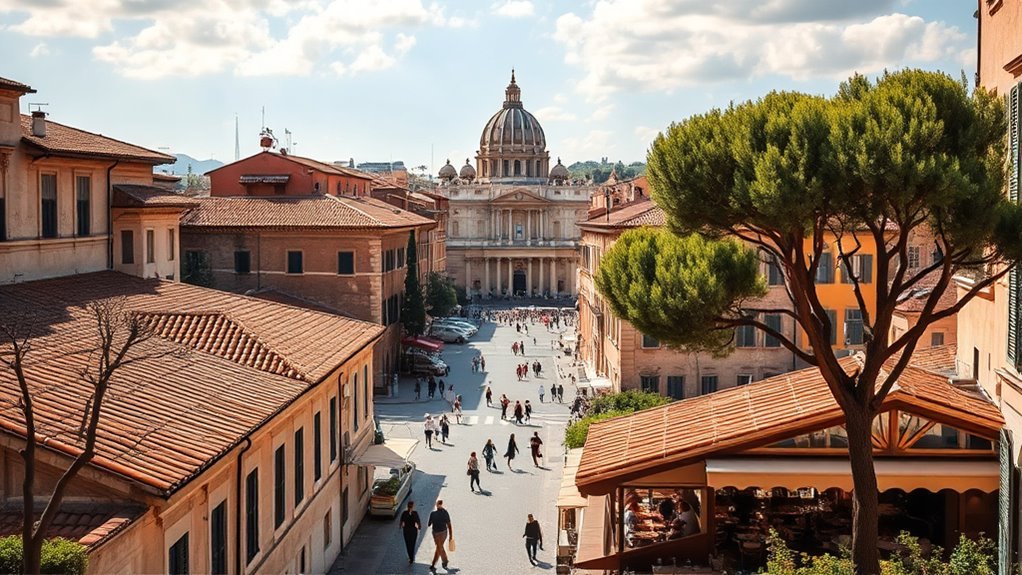
Rome has a Mediterranean climate with hot summers and relatively mild, wetter winters. Spring and autumn usually offer the most comfortable conditions for exploring the city’s historic streets, monuments, and outdoor attractions.
The following table uses 1991–2020 climate averages for Rome. Temperature figures show average daily highs and lows, while rain days indicate days with at least 1 mm of rainfall. Crowd and price descriptions are general travel-planning estimates, not official monthly rankings.
| Month | Average High / Low | Rain Days | Crowds | Typical Prices |
|---|---|---|---|---|
| January | 12°C / 4°C | 9 | Low | Low |
| February | 12°C / 4°C | 9 | Low to moderate | Low |
| March | 15°C / 6°C | 9 | Moderate | Low to moderate |
| April | 18°C / 9°C | 11 | Moderate to high | Moderate to high |
| May | 22°C / 13°C | 8 | High | High |
| June | 27°C / 17°C | 6 | High | High |
| July | 30°C / 20°C | 4 | High at attractions | High |
| August | 31°C / 20°C | 4 | High at attractions; some local businesses close | Moderate to high |
| September | 25°C / 17°C | 9 | High | High |
| October | 21°C / 13°C | 10 | Moderate to high | Moderate to high |
| November | 16°C / 9°C | 12 | Low | Low |
| December | 12°C / 5°C | 11 | Low, rising around Christmas | Low to high around holidays |
These averages come from the 1991–2020 climate data for Rome. The temperature figures describe typical conditions, not guaranteed daily weather. The city center can also feel hotter than the airport weather station because of its buildings and paved streets. See the Rome climate averages and their methodology.
Rome’s tourism numbers also explain why choosing your dates matters. According to Turismo Roma, the city recorded 22.9 million arrivals and 52.92 million overnight stays in 2025. Visitors are spread across the year, but popular attractions become especially busy during major holidays and summer travel periods. Read Rome’s official 2025 tourism report.
For additional climate guidance, Turismo Roma’s climate information also identifies spring and autumn as particularly comfortable sightseeing periods.
When Are the Crowds at Their Worst in Rome?
Rome is generally busiest from late spring through summer, especially around major holidays. June, July, and September can bring heavy visitor numbers to the Colosseum, Vatican Museums, and Trevi Fountain. Easter and Christmas also attract visitors who want to experience the city’s religious and cultural celebrations.
These are the main periods to consider:
- April and Easter: Religious celebrations and holiday travel can increase demand around Vatican City and central Rome. Easter dates change every year.
- May and June: Pleasant sightseeing weather attracts visitors before the hottest summer period. Republic Day on June 2 also brings official celebrations.
- July and August: Summer holidays bring many international visitors. Popular monuments can feel particularly crowded during the middle of the day.
- September: Comfortable temperatures bring travelers back after the hottest weeks. Major attractions remain busy.
- Late December and New Year: Christmas celebrations, holiday visitors, and Vatican events increase demand in central areas.
Italy’s national holidays can also affect transport, opening hours, and local travel. April 25, May 1, and June 2 are important dates to consider when planning a spring or early summer trip.
You can make sightseeing easier by choosing early entry times, particularly for the Colosseum and Vatican Museums. The Colosseum’s official ticket system releases reservations 30 days before the visit date, with timed entry required. See the official Colosseum opening times and ticket rules.
The Cheapest and Most Expensive Times to Visit Rome
January, February, and November are generally among the cheapest months to visit Rome. Summer, Easter, and the Christmas holiday period can cost more because accommodation and travel demand rise. Your final budget also depends on your hotel location, flight dates, and how early you reserve.
The Cheapest Months for a Rome Trip
January and February are good choices if you want to spend less and avoid the largest tourist crowds. November also offers opportunities for cheaper accommodation, although rain is more common.
These months suit travelers who prioritize museums, churches, historic neighborhoods, and restaurants over outdoor activities in warm weather.
The Most Expensive Travel Periods
June through August can bring higher accommodation and flight costs. April and May can also be expensive, particularly around Easter and popular spring travel dates.
December has two different pricing patterns. Early December is often quieter, while Christmas and New Year’s can bring a noticeable increase in demand.
| Travel Period | Typical Cost Level | Best For |
|---|---|---|
| January–February | Low | Budget travelers and museum visits |
| March–May | Moderate to high | Walking tours and outdoor sightseeing |
| June–August | High | Summer atmosphere and long evenings |
| September–October | Moderate to high | Comfortable sightseeing and food experiences |
| November | Low | Budget trips and cultural visits |
| December | Low to high, depending on dates | Christmas atmosphere and winter events |
For better value, compare the full accommodation cost rather than just the nightly rate. A hotel slightly outside the historic center may offer better value if it has convenient public transport connections.
Choosing off-season travel isn’t about settling for less. It’s about spending more of your budget on experiences rather than peak-season accommodation.
The Best Seasons to Visit Rome and What Each Offers
Spring and autumn are the strongest choices for most visitors because they combine comfortable weather with good conditions for walking. Summer offers long days and lively outdoor spaces, while winter provides a quieter city and better opportunities for budget-conscious sightseeing.
Spring: March to May
Spring brings milder temperatures, longer daylight, and more comfortable conditions for exploring Rome on foot. March is generally quieter than April and May, while late spring attracts more visitors as the weather improves.
You can enjoy:
- Walking through the historic center without the most intense summer heat.
- Exploring the Colosseum, Roman Forum, and Palatine Hill in comfortable weather.
- Visiting parks and gardens as seasonal flowers appear.
- Enjoying seasonal Roman dishes, including artichokes during their traditional season.
However, Easter can make April particularly busy. Religious celebrations may also affect access and visitor arrangements around important churches and Vatican sites.
Best for: First-time visitors, history lovers, photographers, and travelers who enjoy walking tours.
Summer: June to August
Summer brings Rome’s hottest weather and long daylight hours. July and August can have average daily highs around 30–31°C, with even hotter afternoons during heatwaves.
Outdoor sightseeing becomes more demanding, especially around exposed archaeological sites. Plan major walks for the morning and leave indoor attractions or relaxed meals for hotter hours.
Summer also brings outdoor performances, festivals, and lively evenings in the city’s squares and restaurants. Republic Day on June 2 features official celebrations in Rome, including a military parade along Via dei Fori Imperiali.
Best for: Travelers who enjoy warm weather, outdoor dining, festivals, and late evenings.
Trade-off: Higher demand, stronger heat, and busy attractions can make summer less comfortable for long sightseeing days.
Autumn: September to November
Autumn starts with warm weather and gradually becomes cooler and wetter. September and October are especially attractive because they offer a balance between comfortable sightseeing and the quieter atmosphere that develops later in the season.
September is still warm enough for extended outdoor activities. October brings pleasant afternoons, although rainfall becomes more frequent. November is cooler and generally quieter.
Autumn also suits food lovers. Seasonal produce and local specialties give you more reasons to explore Rome’s traditional restaurants and markets.
Best for: Couples, food lovers, photographers, and travelers who prefer comfortable walking temperatures.
Winter: December to February
Winter is generally mild compared with many European destinations, although evenings can feel cold and rainy days are common. January and February are usually quieter than spring and summer, making this period attractive for museum visits and budget travel.
December adds Christmas lights, seasonal markets, and religious celebrations around Vatican City. January also brings the traditional Epiphany celebrations, including the Befana festivities.
Indoor attractions become particularly appealing during colder or wetter days. The Vatican Museums and Rome’s historic churches offer plenty of cultural experiences without depending on sunny weather.
Best for: Budget-conscious travelers, museum enthusiasts, and visitors who enjoy Christmas traditions.
Which Time of Year Suits Your Rome Trip Best?
The best travel period depends on your priorities. A budget traveler may prefer January, while someone planning a first visit may find May more comfortable. Food lovers and photographers may prefer September or October.
| Traveler Type | Best Months | Main Benefit |
|---|---|---|
| Budget-conscious explorer | January–February, November | Generally lower accommodation demand |
| First-time visitor | April–May, September–October | Comfortable sightseeing conditions |
| Culture enthusiast | March–May, October–December | Historic attractions and seasonal events |
| Food lover | March–May, September–November | Seasonal ingredients and local cuisine |
| Summer traveler | June–August | Long days and outdoor atmosphere |
| Christmas enthusiast | December–early January | Festive decorations and seasonal markets |
You don’t need perfect weather to enjoy Rome. Match your travel dates to the activities you value most, then plan your sightseeing around the conditions.
Rome Festivals and Events Throughout the Year
Rome hosts cultural, religious, and seasonal celebrations throughout the year. These events can add something special to your visit, but popular dates may also increase accommodation demand and crowds around central attractions.
Winter Events: December to February
Winter brings Christmas decorations, religious celebrations, and Carnival activities. Piazza Navona is traditionally associated with Rome’s Christmas market, while the Epiphany period brings the Befana tradition.
Rome’s official tourism calendar documented the 2025–2026 Christmas season, including the Piazza Navona festivities and other Christmas villages. Carnival celebrations in 2026 ran from February 7 to February 17.
Spring Events: March to May
Spring is closely associated with Easter and Holy Week celebrations. These religious events attract visitors from around the world, particularly around St. Peter’s Square and Vatican City.
April 25 is Italy’s Liberation Day, while May 1 is Labor Day. Both dates can affect local travel and visitor demand.
Easter changes dates every year, so the exact schedule of religious celebrations depends on the calendar.
Summer Events: June to August
Summer brings outdoor performances, cultural festivals, and Republic Day celebrations. June 2 is Italy’s Republic Day, commemorating the referendum that established the Italian Republic in 1946.
Rome’s 2026 celebrations included a military parade along Via dei Fori Imperiali and a flypast by the Frecce Tricolori. Village festivals and outdoor cultural events also contribute to the summer atmosphere.
Autumn Events: September to November
Autumn offers cultural exhibitions, food events, and seasonal activities. October is a particularly good month for exploring museums, historic neighborhoods, and local restaurants in more comfortable weather.
November brings religious observances, including All Saints’ Day on November 1. It is also a quieter period for many visitors interested in Rome’s museums and historic sites.
Event schedules can change from year to year. The 2026 Carnival and Republic Day dates above are examples of confirmed past events, not future schedules.
Practical Tips for Planning Your Rome Visit
Choosing a good month is only part of planning a successful trip. Attraction schedules, ticket availability, weather, and local transport can all affect your daily itinerary.
Book Popular Attractions in Advance
The Colosseum and Vatican Museums are among Rome’s most popular attractions. Both can become busy, especially during holidays and the main tourist season.
The Colosseum requires a reserved entry time, and its official ticket sales open 30 days before the visit. The Vatican Museums normally open Monday through Saturday, with a free-entry period on the last Sunday of each month, subject to their published calendar and closures.
Use the official Vatican Museums website for opening information and reservations.
Prepare for Summer Heat
July and August can be uncomfortable for extended walks. Wear light clothing, take breaks in shaded areas, and carry water when exploring outdoor monuments.
Rome’s public drinking fountains are called nasoni. Acea reports more than 3,000 drinking fountains across Rome, including over 200 in the historic center. The water is supplied as drinking water and can help you refill your bottle during sightseeing.
Learn more about Rome’s nasoni and public drinking fountains.
Pack for Rain and Cooler Evenings
Autumn and winter bring more frequent rain, and temperatures can fall noticeably after sunset. A light waterproof jacket, comfortable walking shoes, and layers will make sightseeing easier.
Even in spring, mornings and evenings can feel much cooler than sunny afternoons. Packing clothes that you can add or remove gives you more flexibility.
Best Time To Visit Rome: Frequently Asked Questions
Are Rome’s major museums open year-round?
Yes, many of Rome’s major museums operate throughout the year. However, individual museums have their own weekly closing days, public holiday schedules, and occasional special closures. The Vatican Museums, for example, publish specific opening and closure calendars.
Do Rome’s restaurants change their menus with the seasons?
Yes, many Roman restaurants use seasonal ingredients. Spring is a good time to look for artichokes and fresh vegetables, while cooler months bring more hearty dishes. Traditional pasta dishes such as carbonara and cacio e pepe remain popular throughout the year.
Is it safe to drink tap water in Rome during summer?
Yes, Rome’s tap water is generally safe to drink. The city’s public nasoni fountains also provide drinking water. You can refill your bottle while sightseeing rather than buying bottled water throughout the day.
How far in advance should I book Colosseum and Vatican Museums tickets?
For the Colosseum, official ticket sales open 30 days before your visit, and timed entry is compulsory. Vatican Museums availability varies by date and ticket type. Reserve early for popular travel periods and use the official booking portal to avoid unauthorized sellers.
Does Rome experience annual festivals that affect hotel availability?
Yes, major events can increase accommodation demand. Easter, Carnival, Republic Day, and Christmas celebrations attract additional visitors. The effect varies by event and year, so popular dates may require earlier hotel reservations.
What is the cheapest month to visit Rome?
January, February, and November are generally among the cheapest months to visit Rome. These periods usually have lower accommodation demand than spring and summer. However, Christmas and New Year’s can make late December more expensive.
How many days do you need to explore Rome?
Around five to seven days gives you time to explore Rome’s main attractions without rushing every day. You can visit the Colosseum, Roman Forum, Vatican Museums, historic center, and several neighborhoods while leaving room for local food and relaxed walks.
Is August a good time to visit Rome?
August can be a good time if you enjoy hot weather and long evenings. However, temperatures are often high, and some locally owned businesses close for summer holidays. Plan outdoor sightseeing for cooler hours and check individual business schedules.
Conclusion
The best time to visit Rome for most travelers is spring or autumn, when temperatures are comfortable and outdoor sightseeing is more enjoyable. Choose January, February, or November if saving money matters most. Summer suits travelers who enjoy heat and lively evenings, while winter offers a quieter cultural experience.
Think about your budget, preferred weather, and sightseeing priorities before choosing your dates. With the right timing, you can enjoy Rome’s ancient landmarks, beautiful streets, and outstanding food at a pace that suits you.
Sources
- Rome Weather: 1991–2020 Climate Normals: Monthly average temperatures, rainfall, and climate methodology.
- Turismo Roma: Record Tourism in Rome in 2025: Official visitor arrivals and overnight stays.
- Turismo Roma: Climate: General seasonal weather guidance.
- Vatican Museums: Opening days, hours, and visitor information.
- Parco archeologico del Colosseo: Official opening times, timed entry, and ticket-release information.
- Acea: The Nasoni: Public drinking fountain locations, water supply, and drinking water information.
- Turismo Roma: Christmas Markets and Villages in Rome 2025–26: Official examples of Rome’s seasonal Christmas events.