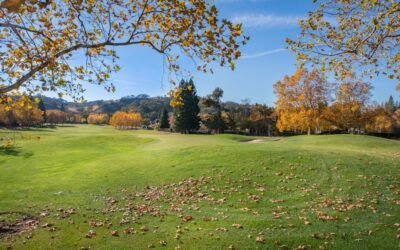
So, you’re wondering about the best time to visit Parksville, British Columbia? For most travelers, June and September offer the best balance of comfortable weather, outdoor activities, lighter crowds, and lodging availability. If your priority is warm beach weather and summer events, July and August are better choices, while the cooler months suit travelers looking for quiet coastal walks, spa stays, golf, and off-season accommodation deals.
Quick Answer
For most travelers, June and September are the best months to visit Parksville because they combine mild weather, long usable days, fewer visitors than July and August, and good outdoor conditions. Choose July or August for the warmest beach experience and liveliest events; choose late fall through early spring for quieter stays and seasonal lodging value.
Key Takeaways
- Best overall: June and September for pleasant weather with less peak-summer pressure.
- Best for beaches: July and August, when days are warmest and summer activities are in full swing.
- Best for wildlife: Spring for Brant and other migrating birds; fall for salmon spawning.
- Best for lower lodging costs: Late fall through early spring often brings seasonal accommodation offers.
- Most important beach-planning tip: Check the tide. Rathtrevor Beach changes dramatically between high and low tide.
Best Time to Visit Parksville by Travel Style
| Your Priority | Best Time | What to Expect |
| Best overall balance | June or September | Mild weather, outdoor activities, and fewer peak-season visitors |
| Beach vacation | July to mid-August | Warmest conditions, busy beaches, summer festivals |
| Birdwatching | March to May | Spring migration, herring activity, and Brant viewing |
| Salmon viewing | September to November | Spawning activity in nearby rivers and hatchery channels |
| Hiking and cycling | May, June, September, October | Comfortable temperatures and generally quieter trails |
| Quiet getaway | November to March | Cooler, wetter weather and fewer visitors |
Understanding Parksville’s Seasons
Parksville sits on the sheltered east coast of Vancouver Island along the Salish Sea. Its coastal setting gives it relatively mild winters and comfortable summers compared with many inland Canadian destinations. The Environment and Climate Change Canada forecast for Parksville is the best place to check conditions immediately before your trip.
Coastal Climate Overview
Summers are generally the driest and warmest part of the year. In July, normal daytime highs shown by Environment Canada are around the low 20s Celsius, although individual warm spells can push temperatures higher. Winters are much cooler and wetter, but the coast usually avoids the prolonged deep freezes associated with many parts of Canada.
That relatively mild climate is one reason Parksville works as a year-round destination. Your experience, however, changes substantially depending on the month.
Why Seasons Matter for Your Trip
A summer visit means long days, active beaches, seasonal events, and stronger demand for accommodation. A June or September trip usually feels calmer while still allowing plenty of time outdoors. Late fall and winter bring more rain and shorter days, but they also suit travelers interested in quiet coastal walks, indoor attractions, spas, dining, and uncrowded stays.
If you’re comparing Parksville with other destinations, you can also browse more seasonal planning guides through Lele Tours.
High Season: Summer (July and August)
If you picture a classic Parksville vacation with long days on the sand, family activities, and a lively waterfront, July and August are the strongest choices. They are also the months when planning ahead matters most.
Weather: The Warmest Part of the Year
- Daytime temperatures: Typical midsummer daytime highs are generally in the low 20s Celsius, with warmer days possible.
- Daylight: July provides very long days. Around the beginning of the month, there can be more than 16 hours between sunrise and sunset.
- Humidity: Parksville’s coastal summers are generally comfortable rather than intensely humid.
- Swimming: Rathtrevor Beach can be especially inviting when the incoming tide passes over sand that has been warmed by the sun.
At Rathtrevor Beach Provincial Park, the ocean can recede almost a kilometre at low tide, creating a very different beach experience depending on when you arrive.
Crowds: Beaches and Events Get Busier
This is when Parksville feels most like a summer resort town. Rathtrevor Beach, Parksville Community Park, restaurants, campgrounds, and family attractions can all be noticeably busier.
July and August are also major event months. Parksville Beach Festival and its international sand-sculpting events bring additional activity to the waterfront. Dates change each year, so check the official event calendar before choosing your travel dates.
Costs and Bookings
Summer demand can push accommodation rates higher and reduce last-minute availability, especially for beachfront properties, vacation rentals, and campsites. If you need a particular property or room type, reserving early gives you more choice.
Transportation also deserves advance planning. BC Ferries does not use one identical booking rule for every route. In particular, vehicle travelers going from Horseshoe Bay to Nanaimo’s Departure Bay must book and pay in advance in that direction under rules introduced in October 2025. Other routes have different fare and booking choices.
Note: Check your exact route on the BC Ferries fare and booking page before traveling. Rules, availability, fares, and fuel adjustments can change, so don’t assume every Vancouver Island sailing works the same way.
Best For: Classic Beach Vacations
July and August are ideal for families, beach lovers, festival visitors, and anyone who prefers Parksville at its liveliest. You trade quieter beaches and lower seasonal demand for the best odds of warm, summer-style conditions.
Shoulder Seasons: May, June, September and October
The shoulder seasons provide the sweet spot for many travelers. You still get plenty of opportunities to explore outdoors, but without relying on the busiest weeks of July and August.
June: A Parksville Sweet Spot
- Weather: Days are mild to warm, and daylight is close to its annual maximum.
- Crowds: Visitor numbers are building, but the busiest summer period has generally not arrived yet.
- Costs: Lodging demand is rising, although you may have more options than during peak summer weekends.
- Best for: Hiking, cycling, beach walks, sightseeing, and travelers who want summer-like conditions without aiming for peak season.
September: Warmth With a Calmer Pace
- Weather: Early September can still feel summery, while days gradually become cooler and shorter later in the month.
- Crowds: Family travel generally eases once the school year resumes.
- Costs: Accommodation availability may improve after the busiest summer period, although prices still vary by property and weekend.
- Best for: Couples, solo travelers, hiking, cycling, photography, golf, and travelers who value a quieter waterfront.
May: Mild and Awakening
- Weather: Cooler than summer, with a greater need for layers and rain protection.
- Crowds: Usually much lighter than July and August.
- Nature: Spring vegetation, migrating birds, and longer days make this a rewarding outdoor month.
- Best for: Birdwatching, walking, hiking, gardens, budget-conscious trips, and travelers who don’t need swimming weather.
October: Cooler and Quieter
- Weather: Expect cooler conditions and a noticeably greater chance of rain than in September.
- Crowds: Tourism is much quieter than in summer.
- Nature: Fall colors and salmon activity add seasonal interest.
- Best for: Quiet getaways, hiking between rain systems, fall photography, golf, cafés, galleries, and wildlife viewing.
Low Season: November to April
Late fall through early spring provides a different side of Parksville. The region becomes quieter, the weather is wetter, and daylight is limited, but the mild coastal climate still allows outdoor activities whenever conditions cooperate.
Weather: Mild by Canadian Standards, but Wet
November through February contains the coolest and wettest part of the year. Freezing weather and snow can occur, so don’t assume every winter day will be mild. March and April are transitional months, with gradually longer days and improving opportunities for outdoor activities.
Pack a waterproof outer layer, shoes that can handle wet paths, and clothing you can layer. Always check the forecast shortly before longer hikes or drives.
Crowds: Minimal Outside Holiday Periods
- Beaches: You may share long stretches of shoreline with only walkers, birdwatchers, and local residents.
- Businesses: Some tourism-focused businesses reduce their hours seasonally, so check individual opening hours before making a special trip.
- Events: Local community, arts, holiday, and seasonal events still take place even when the summer tourism calendar slows down.
Costs: Better Opportunities for Lodging Value
Winter can produce attractive accommodation deals, particularly for longer stays. Some Parksville Qualicum Beach properties advertise special weekly or monthly off-season rates. However, don’t assume every hotel, flight, or ferry will automatically be cheapest in winter; prices remain dependent on dates, availability, fare type, and demand.
Best For: Tranquility and Flexible Travelers
The cooler months work especially well for quiet getaways, spas, restaurants, galleries, coastal walks, birdwatching, and travelers who are comfortable changing outdoor plans when rain arrives.
Parksville itself sits on Vancouver Island’s sheltered east coast. Travelers specifically seeking dramatic Pacific storm watching usually find more exposed conditions on Vancouver Island’s west coast, so don’t choose Parksville winter solely for that experience.
If you’re planning a broader British Columbia trip, you can explore additional destination guides at traveling in British Columbia.
Choosing the Best Time for Specific Activities
Beach Activities and Swimming
July and August give you the best chance of warm weather for sunbathing, swimming, and long beach days. Late June and early September can also work well, especially if you’re happy with slightly cooler conditions.
At Rathtrevor, timing can matter almost as much as the month. At low tide, the sea retreats far across the sandy flats. As the tide returns over sun-warmed sand, the shallow water can feel noticeably warmer.
Pro Tip: Check official Canadian Hydrographic Service tide predictions before your beach day. Low tide is excellent for exploring the broad sand flats, while the incoming tide can improve swimming conditions at Rathtrevor.
Warning: BC Parks states that there are no lifeguards at Rathtrevor Beach. Supervise children closely, avoid diving into shallow water, pay attention to changing tides, and use extra caution when the water is cold.
Hiking and Cycling
May, June, September, and October are excellent choices because temperatures are generally comfortable and trails are less affected by peak-summer visitor numbers. Spring brings fresh vegetation, while early fall offers changing foliage and pleasant walking conditions.
Summer is also good for hiking and cycling, particularly in the morning. In winter, rain can make roots, rocks, and paths slippery, so footwear and trail conditions become more important.
Wildlife Viewing and Birdwatching
Spring: March through May is a major birding period. Brant geese use the Parksville-Qualicum Beach coastline as an important stop during their northward migration. The Brant Wildlife Festival celebrates this migration, but festival dates change each year; in 2026 it ran April 10–13.
Summer: Boat excursions can provide opportunities to view marine wildlife, but sightings are never guaranteed.
Fall: Salmon return to rivers and channels around the region. Fisheries and Oceans Canada identifies roughly mid-September through mid-November as the viewing period at Little Qualicum Hatchery.
Late fall and winter: Marine-mammal viewing does not simply stop after summer. Northern sea lions can occur year-round, while California sea lions and harbour seals can be particularly noticeable during the cooler part of the year.
Golfing
Spring and fall are particularly comfortable for golf because temperatures are moderate and the summer tourism rush has eased. However, Parksville Qualicum Beach’s mild coastal climate allows local courses to operate almost year-round, so golfers do not need to restrict themselves to April, May, September, and October.
Budget Travel
For accommodation savings, start by comparing dates from late fall through early spring. The destination has properties that publish special off-season or long-stay rates during this period.
May and October can also work well for travelers who want to avoid peak-summer demand while retaining more daylight and outdoor flexibility than they would have in midwinter.
Events Can Change the Best Week to Visit
If your travel dates are flexible, look at Parksville’s event calendar before booking. Summer festivals can make a normally appealing July or August weekend substantially busier, while attending those events may be the main reason you want to visit.
The Parksville Beach Festival and sand-sculpting events are major summer attractions. Spring brings nature-focused events connected with the Brant migration. Because dates vary from year to year, verify the current calendar rather than assuming an event occurs on the same weekend every season.
Getting to Parksville: When You Should Book Ahead
Many visitors reach Parksville through Nanaimo after traveling by BC Ferries from the Vancouver area. Summer weekends, holidays, and other popular periods deserve more advance planning than quiet midweek dates.
BC Ferries booking rules depend on your route and fare choice. Vehicle travel from Horseshoe Bay to Nanaimo’s Departure Bay requires advance booking and payment in that direction. Other Metro Vancouver–Vancouver Island routes provide several bookable fare options, and unreserved travel may work differently.
If you’re flying, compare schedules and fares for your actual dates rather than assuming a particular month will always be cheaper. Airfares are dynamic and can change with demand.
What to Pack by Season
- July and August: Light daytime clothing, a warmer evening layer, sun protection, beach footwear, reusable water bottle, and swim gear.
- May, June, September: Layers, a light waterproof jacket, walking shoes, and warmer clothing for mornings and evenings.
- October: Waterproof outerwear, layers, and shoes suitable for wet paths.
- November to April: Waterproof jacket, warm layers, water-resistant footwear, and flexible indoor/outdoor plans.
Final Recommendation
There isn’t one perfect Parksville month for every traveler, but the choice becomes simple once you decide what matters most.
- For the best overall balance: Choose June or September. Both provide good opportunities for outdoor activities while avoiding the heart of the July-August rush.
- For a classic beach vacation: Choose July through mid-August. Expect the warmest seasonal conditions, active waterfront areas, and summer events, but book important accommodation earlier.
- For spring wildlife: Choose March through May, particularly if Brant migration and birdwatching are priorities.
- For fall wildlife and hiking: Choose September through October, with salmon-viewing opportunities extending farther into fall depending on the species and location.
- For peace, flexibility, and potential lodging value: Consider November through early spring, provided you’re comfortable with wetter weather.
For many first-time visitors, June and September remain the safest all-around recommendations. You’ll still experience Parksville’s beaches, parks, trails, restaurants, and coastal scenery, but you won’t be depending entirely on the busiest weeks of the year.
Frequently Asked Questions
What is the best time to visit Parksville, British Columbia for good weather?
July and August give you the best chance of the warmest and driest summer conditions. If you want pleasant weather with fewer peak-season visitors, June and early September are excellent alternatives.
When is peak tourist season in Parksville?
July and August are the main peak period because they combine summer weather, school holidays, beach trips, camping, and major seasonal events. Popular accommodations and campgrounds can therefore have less availability.
When is Parksville least crowded?
Late fall and winter are generally the quietest periods. For a compromise between lighter crowds and better outdoor weather, consider May, June, September, or early October.
Is September a good month to visit Parksville?
Yes. September is one of the best all-around months. Early September can still provide summer-like conditions, while beaches and attractions generally become quieter after the main family-travel period.
Can you swim at Parksville beaches?
Yes. Rathtrevor Beach is known for swimming, particularly when the incoming tide moves across sun-warmed sand. Conditions vary, however, and BC Parks states that no lifeguards are on duty, so supervise children closely and check tides before swimming.
When is the best time to see wildlife around Parksville?
Spring is excellent for migrating birds, including Brant, while fall is especially useful for salmon viewing in nearby rivers and hatchery channels. Marine wildlife can be present throughout the year, although species and viewing opportunities vary by season.
Is winter worth visiting Parksville?
Yes, if you prefer a quieter trip and don’t mind rain. Winter works well for coastal walks, spas, dining, galleries, golf when conditions allow, and longer stays. It is less suitable if your main goal is warm beach weather.
Do I need to reserve the ferry to Parksville?
It depends on your route. Parksville itself has no major BC Ferries terminal, so many visitors travel through Nanaimo. Vehicle travelers from Horseshoe Bay to Nanaimo’s Departure Bay must book and pay in advance in that direction, while other routes have different booking and fare options. Check BC Ferries before departure.
Sources
- Environment and Climate Change Canada — Parksville Weather — local forecasts, normals, sunrise, and sunset information.
- BC Parks — Rathtrevor Beach Park — tides, beach conditions, swimming information, and safety guidance.
- BC Ferries — Fares and Booking Rules — current Vancouver Island ferry fare choices and reservation requirements.
- Fisheries and Oceans Canada — Little Qualicum Hatchery — official salmon-viewing season and visitor information.
- Canadian Hydrographic Service — Tides, Currents and Water Levels — official Canadian tide predictions and water-level information.
- Brant Wildlife Festival — current festival timing and information about the region’s spring nature celebration.