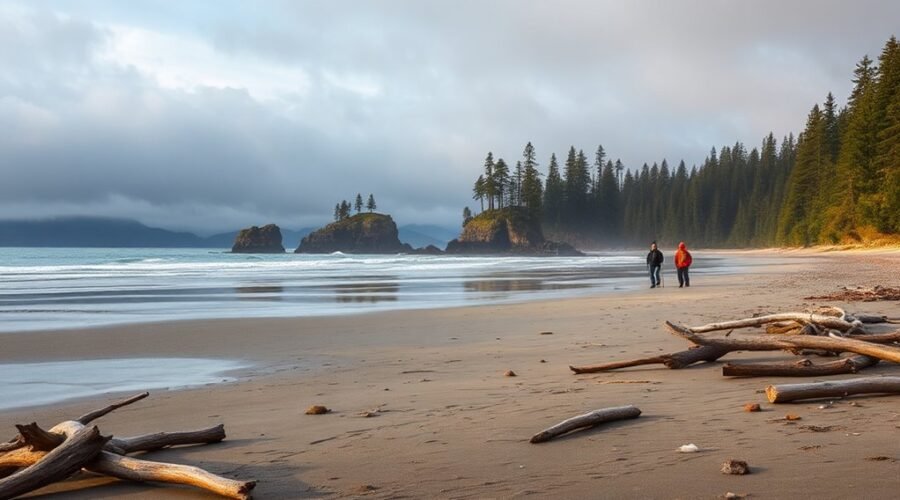
Planning a trip to the Olympic Peninsula means confronting one hard truth: timing shapes everything. You’re dealing with one of the wettest regions in North America, where annual rainfall can exceed 140 inches in some zones and drop below 17 inches just miles away. Crowds, costs, and trail conditions shift dramatically depending on when you show up. The question isn’t just *when* is best — it’s best *for what*, and the answer is more complicated than you’d expect. Knowing the best time to visit Olympic Peninsula helps you plan around weather, crowds, and budget.
Olympic Peninsula Weather: Rainfall, Microclimates, and What Actually Controls Your Trip
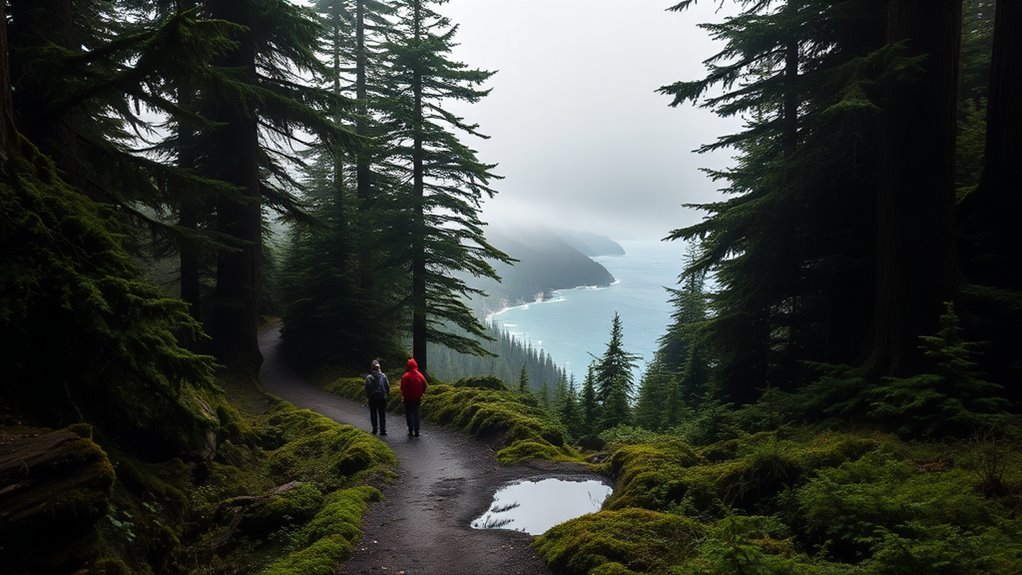
When planning a trip to the Olympic Peninsula, the weather isn’t just a backdrop — it’s the deciding factor that shapes everything from trail accessibility to ferry schedules. Rainfall patterns vary dramatically across short distances, making weather forecasting here genuinely complex.
The Hoh Rain Forest receives 140+ inches annually, while Sequim sits just 45 miles away in a rain shadow, averaging only 16 inches. That’s microclimate effects operating at a scale that completely rewrites your itinerary.
Seasonal variations follow a predictable structure: wet, mild winters dominate October through April, while summer months — particularly July and August — deliver the driest, most accessible conditions.
Spring and fall offer compromise windows with fewer crowds but unpredictable precipitation.
Understanding these patterns liberates your planning. You stop reacting to surprise weather and start making deliberate choices — choosing your zone, your season, and your experience with genuine confidence and clarity.
Summer on the Olympic Peninsula: Peak Season Pros and Cons
Summer on the Olympic Peninsula runs from late June through early September, when you’ll find the most reliable dry spells, with average high temperatures hovering between 65°F and 75°F across most elevations.
Crowd levels peak sharply in July and August, particularly at Hurricane Ridge, Hoh Rain Forest, and Ruby Beach, where parking lots routinely fill before 9 a.m. on weekends.
You’ll also pay premium rates for lodging during this window, with popular properties like Lake Crescent Lodge booking out months in advance and nightly rates running 30–50% higher than shoulder season prices.
Summer Weather Patterns Explained
From June through August, the Olympic Peninsula transforms into one of Washington’s most sought-after destinations, drawing over 3 million visitors annually to Olympic National Park alone.
You’ll experience sunny days with temperatures averaging 65-75°F, while cool nights drop to a revitalizing 45-55°F. This thermal range makes beach outings and forest adventures genuinely comfortable.
Wildlife sightings peak during summer, with Roosevelt elk and black bears actively foraging. Clear atmospheric conditions create stunning starry skies, particularly along Hurricane Ridge.
You’ll also discover festival fun throughout Port Angeles and Sequim, celebrating everything from lavender harvests to seafood. Local cuisine shines brightest now, with Dungeness crab and fresh salmon dominating menus.
Rainfall drops dramatically—averaging just 2-3 inches monthly—giving you maximum outdoor freedom during your visit.
Peak Crowd Levels Rise
As summer peaks, so do the crowds—Olympic National Park sees its highest visitation between July and August, with daily entries sometimes exceeding 20,000 visitors.
You’ll notice congestion at Hurricane Ridge, Hoh Rain Forest, and Rialto Beach most intensely between 10 a.m. and 4 p.m. Parking lots regularly fill by 9 a.m., forcing rangers to implement active crowd management measures, including timed-entry systems and vehicle turnarounds.
Your visitor experience depends heavily on timing. Arriving before 8 a.m. or after 5 p.m. dramatically reduces friction.
Weekdays offer roughly 30% fewer visitors than weekends. If you crave freedom from gridlock, strategic scheduling isn’t optional—it’s essential.
The park’s beauty remains undeniable in summer, but you’ll access it most powerfully by moving against the crowd’s predictable patterns.
Summer Travel Costs Increase
Crowds aren’t the only thing that peaks in July and August—your wallet takes a hit too. Lodging rates inside and near Olympic National Park surge 30–50% compared to shoulder months.
Popular spots like Lake Crescent Lodge and Kalaloch often sell out months in advance, forcing last-minute travelers into pricier alternatives. Campsite fees climb, ferry fares increase, and restaurant prices reflect peak demand.
Your summer budget needs strategic padding. Smart travel strategies include booking accommodations six months ahead, cooking your own meals at campgrounds, and leveraging free National Park passes through programs like America the Beautiful.
Shifting even one week earlier into late June or later into early September delivers meaningfully lower costs without sacrificing much in weather quality.
Why Fall Is the Olympic Peninsula’s Most Underrated Season
Fall tends to fly under the radar on the Olympic Peninsula, yet the numbers make a strong case for it. Crowds drop roughly 40% after Labor Day, yet temperatures stay mild through October, averaging 50–60°F.
You’re stepping into a window where the Peninsula finally exhales.
The fall foliage peaks between mid-October and early November, painting Hoh Rain Forest and Hurricane Ridge in amber and crimson. Wildlife migrations intensify—elk rut through the Quinault Valley, and salmon runs draw eagles to coastal rivers, creating layered photography opportunities that summer simply can’t replicate.
Local festivals like the Dungeness Crab & Seafood Festival in Port Angeles offer authentic cultural access without the shoulder-season price gouging.
Accommodation rates fall 20–30% below summer peaks. You gain access, affordability, and atmosphere simultaneously—a combination that makes fall the Peninsula’s most strategically sound season to visit.
Winter on the Olympic Peninsula: Rain, Road Closures, and Real Solitude
Winter strips the Olympic Peninsula down to its rawest form—and that’s precisely what draws a certain type of traveler. If you’re among the solitude seekers who reject peak-season crowds, January through February delivers something rare: wilderness without witnesses.
Rainfall peaks dramatically—Hoh Rain Forest averages 140+ inches annually, with winter claiming a disproportionate share. Road closures affect Hurricane Ridge regularly, though rangers update conditions daily. You’ll want to verify access before committing.
Winter here means rain—relentless, record-breaking rain. Come prepared, stay flexible, and always check road conditions first.
What you gain outweighs the inconvenience. Wildlife experiences intensify—Roosevelt elk congregate in valley floors, making scenic drives along Highway 101 genuinely extraordinary.
Gray whale migration begins in late February along the coast. Winter activities include snowshoeing at Hurricane Ridge when roads open, and storm-watching from Kalaloch’s bluffs delivers raw Pacific power you can’t manufacture in another season.
Accommodation rates drop 30–40% from summer peaks. The Peninsula doesn’t disappear in winter—it transforms into something unfiltered and entirely yours.
Spring on the Olympic Peninsula: Mud, Wildflowers, and Thin Crowds
Spring on the Olympic Peninsula runs from March through May, with rainfall easing slightly from winter’s peak but still averaging 12–14 inches monthly in the Hoh Rain Forest.
You’ll find the shift rewarding: lowland trails burst with trilliums and oxalis by late March, while subalpine meadows like Hurricane Ridge don’t peak with lupine and paintbrush until late June.
Expect muddy conditions on backcountry routes through April, but you’ll share those trails with almost no one.
Spring Weather And Rainfall
March through May brings a split personality to the Olympic Peninsula — temperatures climb gradually from the mid-40s°F into the low 60s°F, yet rainfall remains stubbornly persistent, particularly in the Hoh Rain Forest, where annual precipitation averages 140–170 inches and spring delivers a sizable share.
The drier eastern rain shadow near Sequim averages just 16 inches annually, making it ideal for spring activities without waterproof gear.
- Hoh Rain Forest: Expect 14–20 inches of rainfall during spring months alone
- Hurricane Ridge: Snow lingers through April, limiting trail access but rewarding patient hikers
- Sequim’s Lavender Valley: Hosts seasonal festivals celebrating the region’s microclimate uniqueness
You’ll want layered clothing and waterproof boots regardless of destination — conditions shift rapidly across elevation zones.
Wildflower Blooms And Trails
All that rainfall pays off by late April, when wildflowers begin carpeting Olympic’s meadows and valley floors in waves that shift by elevation.
Lower trails burst first—glacier lilies, trillium, and bleeding heart emerge along the Hoh River Trail by early May.
As snowpack retreats, higher routes open: Hurricane Ridge delivers peak wildflower species diversity by mid-July, but savvy spring visitors catch early-season blooms with far fewer crowds.
For trail recommendations, the Sol Duc Falls loop offers spring trillium displays with minimal elevation gain, while the Elwha River Trail exposes you to valley wildflowers for miles.
You’ll share these routes with almost no one. That freedom—earned by tolerating mud and unpredictable skies—is exactly what spring delivers.
Which Month Is Best for Hiking the Olympic Peninsula?
When it comes to hiking the Olympic Peninsula, July and August stand out as the prime months, offering the most reliable weather, the least precipitation, and the greatest trail accessibility. Snow clears from high-elevation hiking trails, seasonal flora peaks, and daylight extends well past 8 p.m., maximizing your exploration window.
Key advantages of a July–August visit:
- Trail accessibility: Over 90% of backcountry routes become passable, including Hurricane Ridge and the High Divide Loop.
- Wildflower density: Meadows hit peak seasonal flora display, transforming alpine zones into vivid, documented ecosystems worth exploring.
- Precipitation drop: Rainfall averages fall below 3 inches monthly, compared to November’s 14+ inches.
September offers a compelling alternative—crowds thin, temperatures remain mild, and hiking trails stay largely open.
If you’re prioritizing freedom of movement with fewer people around you, early September delivers that balance with minimal compromise.
When Do Crowds Peak : and Which Spots Feel It Most?
Crowds on the Olympic Peninsula peak sharply between late June and mid-August, with July 4th weekend and the last two weeks of July driving the heaviest visitor concentration. Peak visitation strains specific corridors more than others, so knowing where pressure accumulates lets you reclaim your autonomy.
| Location | Peak Crowd Level | Primary Pressure Period |
|---|---|---|
| Hoh Rain Forest | Extreme | July–August |
| Hurricane Ridge | High | July 4th Weekend |
| Rialto Beach | Moderate–High | Late July–August |
Crowd management here isn’t passive—you must act deliberately. Hoh Rain Forest’s Hall of Mosses trail sees parking lots filled by 9 a.m. on summer weekends. Hurricane Ridge road queues stretch over a mile during holiday surges. Rialto Beach absorbs overflow from Sol Duc, compounding pressure. Arriving before 8 a.m. or after 4 p.m. consistently bypasses the worst congestion, returning control to you.
Does Visiting Off-Season Actually Save Money on the Olympic Peninsula?
Visiting the Olympic Peninsula off-season—October through April—cuts your travel costs measurably across lodging, ferries, and guided services.
These off-season savings aren’t marginal—they’re structural. Hotels in Forks and Port Angeles drop 30–45% from summer rates. Washington State Ferries offer reduced walk-on fares. Guided kayak tours run discounted multiday packages to fill slower calendars.
Apply these budget tips strategically:
- Book shoulder-month lodging in October or March—rates dip without sacrificing full trail or coast access
- Travel midweek in November through February—you’ll find near-empty campgrounds at reduced reservation fees inside Olympic National Park
- Bundle ferry crossings with lodging packages—several Port Townsend inns actively negotiate combined rates during low season
You reclaim financial autonomy while gaining something summer visitors never experience: uncrowded rainforests, unobstructed tide pools, and silence on Hurricane Ridge.
Off-season isn’t a compromise—it’s a calculated advantage.
Olympic Peninsula Rainforest vs. Coast: Does the Best Time Change?
Saving money off-season makes strategic sense, but that calculation shifts depending on which part of the Olympic Peninsula you’re targeting—because the rainforest and the coast operate on different weather logic entirely.
The Hoh Rainforest‘s rainforest ecosystems thrive year-round—even winter’s heavy rainfall sustains that signature moss-draped atmosphere you’re chasing.
Summer delivers drier hiking trails and clearer visibility, but the rainforest genuinely rewards winter visitors with dramatic, moody conditions and minimal crowds.
The coast runs differently. Coastal experiences peak in late spring through early fall, when storm surges calm and wildlife interactions—including shorebirds and tidepooling opportunities—reach their richest density.
Winter storms create spectacular raw scenery, but they’ll shut down beach access entirely.
Your smartest move: visit the rainforest in shoulder season (April or October) and time coastal exploration between June and September.
These two zones demand separate scheduling decisions, not one blanket itinerary.
Best Time to Visit the Olympic Peninsula by Trip Type
Your ideal time to visit the Olympic Peninsula shifts dramatically depending on what you’re after.
If you’re planning hiking and backpacking trips, you’ll want to target July through September when high-elevation trails are snow-free and conditions are driest.
Family vacations align well with that same summer window, though wildlife viewing excursions often reward visits in spring or fall, when you’ll spot migrating shorebirds, elk in rut, and gray whales along the coast with far fewer crowds.
Hiking and Backpacking Trips
Summer (July through September) offers the best conditions for hiking and backpacking on the Olympic Peninsula, with snowpack in the high country typically melting out by mid-July and trail accessibility peaking through early September.
You’ll find the widest range of open routes, giving you genuine freedom to explore remote terrain on your own terms.
Key considerations for planning your trip:
- Trail safety peaks as a concern in shoulder seasons—always check current conditions through the Olympic National Park trail reports before departing.
- Pack backpacking essentials including bear canisters, required for most overnight zones.
- Rainfall averages drop considerably in July and August, with the Hoh Rain Forest receiving roughly 50% less precipitation than its October–March peak.
Family Vacations
For families with school-age children, late June through August represents the most practical window for visiting the Olympic Peninsula, aligning school calendars with the region’s most stable weather and fully operational park infrastructure.
Temperatures averaging 65–75°F make outdoor family activities comfortable and accessible. Kid-friendly attractions like Hurricane Ridge’s interpretive programs, Hoh Rain Forest’s Junior Ranger activities, and tide pool exploration at Rialto Beach reach peak operational capacity during this window.
Visitor centers run full programming schedules, and guided ranger walks accommodate younger explorers effectively. Yes, crowds intensify—but you’ll gain reliable trail conditions, predictable ferry schedules, and daylight extending past 9 PM.
If you visit mid-week and arrive early at popular trailheads, you’ll sidestep the worst congestion while still capturing peak summer conditions.
Wildlife Viewing Excursions
Wildlife viewing on the Olympic Peninsula rewards strategic timing more than almost any other trip type, with each season revealing distinct species and behaviors.
You’ll maximize your wildlife photography opportunities by aligning your visit with peak animal activity cycles.
- Winter (December–February): Roosevelt elk congregate in lowland valleys, offering unobstructed sightings during guided tours through the Hoh Rain Forest.
- Spring (March–May): Migratory shorebirds flood coastal estuaries while black bears emerge from dens, delivering high-density viewing windows.
- Summer (June–August): Orcas and gray whales patrol offshore waters, making guided tours from Port Angeles statistically your best marine mammal bet.
Shoulder seasons balance crowd-free access with active wildlife corridors.
You’re not just observing nature here—you’re reclaiming your connection to untamed ecosystems on your own terms.
Best Time To Visit Olympic Peninsula: Frequently Asked Questions
Are There Entrance Fees for Olympic National Park Year-Round?
Yes, you’ll pay entrance fees year-round at Olympic National Park. Your entrance options include per-vehicle, per-person, and annual passes. Seasonal pricing doesn’t apply here—fees remain consistent, so you’re always investing in access to this stunning wilderness.
Can You See the Northern Lights From the Olympic Peninsula?
You can occasionally see the northern lights from the Olympic Peninsula, but viewing conditions are rarely ideal. Light pollution and cloud cover limit your chances, though solar maximum periods boost visibility considerably.
What Wildlife Is Most Commonly Spotted on the Olympic Peninsula?
You’ll spot Roosevelt elk, black bears, and orcas most frequently. Wildlife photography and bird watching thrive here, with marine life abundant offshore. Mammal tracking reveals deer and mountain goats roaming freely — nature’s untamed diversity awaits your exploration.
Is the Olympic Peninsula Accessible for Visitors With Mobility Limitations?
Like a key opening nature’s door, wheelchair access here empowers you! You’ll find scenic viewpoints at Hurricane Ridge and Hoh Rain Forest fully accessible, with paved paths, adaptive facilities, and ranger programs designed to liberate every visitor’s adventure.
Are There Guided Tours Available on the Olympic Peninsula?
You’ll find numerous guided adventure options on the Olympic Peninsula. Local tours cover rainforest hikes, wildlife watching, and coastal explorations. Data shows these experiences empower you to discover the peninsula’s diverse ecosystems independently and confidently.
Conclusion
Whether you’re chasing sun-drenched trails in July or the quiet solitude of a February rainforest, timing your Olympic Peninsula trip is a chess match worth thinking through carefully. Summer’s peak crowds hit Sol Duc and Hurricane Ridge hardest, while fall’s 40–50% lodge discounts make it the smartest value play. You’ve got four distinct seasons here, each delivering something genuinely different. Match your priorities to the data, and you’ll land exactly the experience you’re after.